
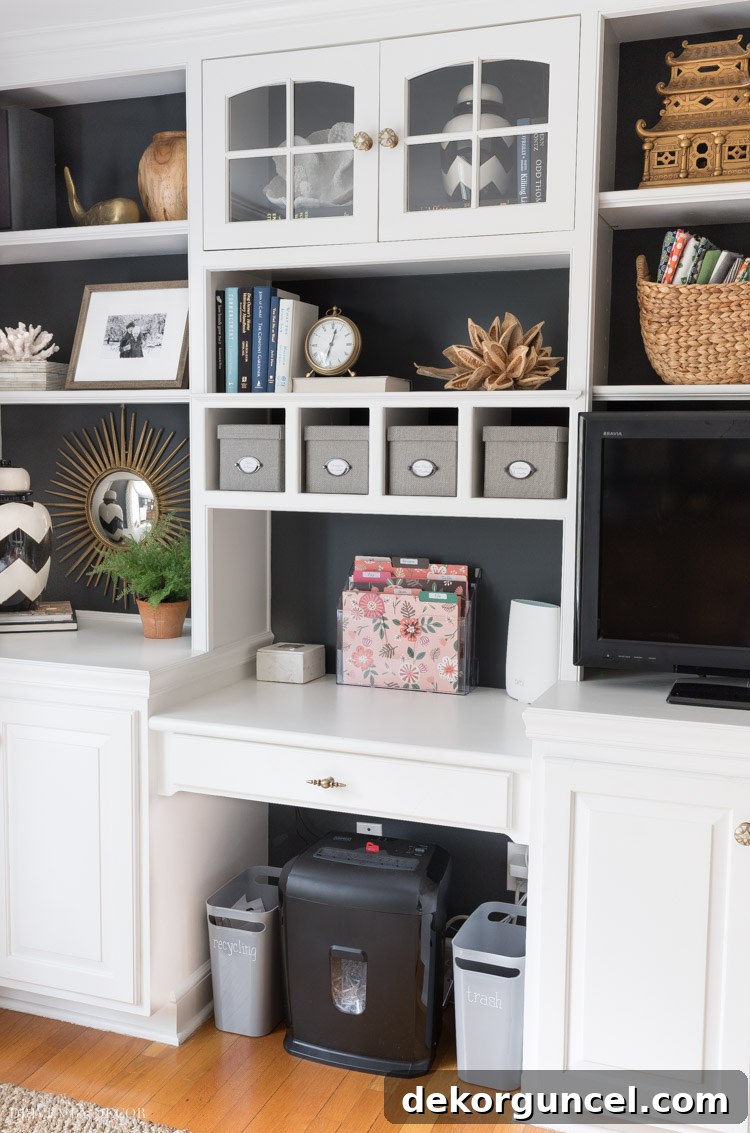
In our increasingly digital world, the relentless stream of physical mail often feels like an outdated burden. Yet, daily, our mailboxes overflow, and without a robust system in place, that pile of mail can quickly spiral out of control, transforming countertops into chaotic paper mountains. Last year, I faced this challenge head-on and developed a highly effective home mail organizer system. This system has been nothing short of a game-changer, empowering me to effortlessly stay on top of our household mail, ensure bills are paid promptly, and banish unwanted junk mail from our home the moment it arrives. It’s remarkably simple to set up and has made such a profound difference in keeping our living spaces consistently clutter-free and organized.
If you’re tired of seeing unsightly stacks of mail dominating your kitchen counters or office desk, and you’re ready to reclaim control over your incoming post, then you’ve come to the right place. Dive in as I reveal all my tried-and-tested strategies, from proactive methods to significantly reduce the amount of junk mail you receive in the first place, to a seamless daily routine for sorting and organizing your incoming mail pile. Get ready to transform your mail management from a source of stress into a streamlined, efficient process! (post includes affiliate links – full disclosure statement available {here})
Mastering Your Mail: Reduce Junk & Anticipate Arrivals
Before we delve into the specifics of setting up your ultimate mail organizer, it’s crucial to establish some foundational habits that will give you a significant head start. By addressing your mail flow proactively, you can drastically reduce the volume of paper entering your home and gain valuable insight into what’s arriving each day. These initial steps are key to minimizing clutter and maximizing efficiency before you even begin to sort.
- Opt-Out and Reduce Unwanted Mail: One of the most impactful steps you can take is to actively remove yourself from unnecessary mailing lists. Junk mail not only contributes to household clutter but also has a significant environmental footprint. For a nominal fee of just $5, which covers a period of ten years, you can register at the Direct Marketing Association’s (DMA) consumer website {HERE}. Their user-friendly, step-by-step process allows you to selectively choose which types of mail you wish to receive and which you prefer to opt out of. This small investment is incredibly worthwhile for the peace of mind and reduced paper waste it provides, helping you reclaim your mailbox and minimize unsolicited advertisements and credit card offers.
- Embrace Digital Solutions for Bills and Subscriptions: Transitioning to electronic bill pay is a no-brainer for reducing paper clutter and ensuring timely payments. Most utility companies, banks, and service providers offer paperless billing options, often accompanied by email notifications when a bill is due. Similarly, consider switching your magazine subscriptions to digital formats. While I personally enjoy the tactile experience of flipping through a physical magazine, I’ve significantly cut down on the number of print subscriptions I maintain. Prioritizing essential paper items and moving others to digital platforms streamlines your incoming mail and makes your mail management system far more efficient.
- Gain Insight with USPS Informed Delivery: Imagine knowing exactly what’s arriving in your mailbox before you even open it. That’s precisely what Informed Delivery by USPS {HERE} offers, and it’s completely free! By registering for this service, you receive a daily email featuring grayscale images of your letter-sized mailpieces that are scheduled for delivery that day. This feature is invaluable, especially if you’ve ever experienced mail theft or simply want to ensure important documents arrive safely. Knowing what to expect allows you to identify any missing items immediately. The daily email simplifies your life, offering a sneak peek into your mailbox:
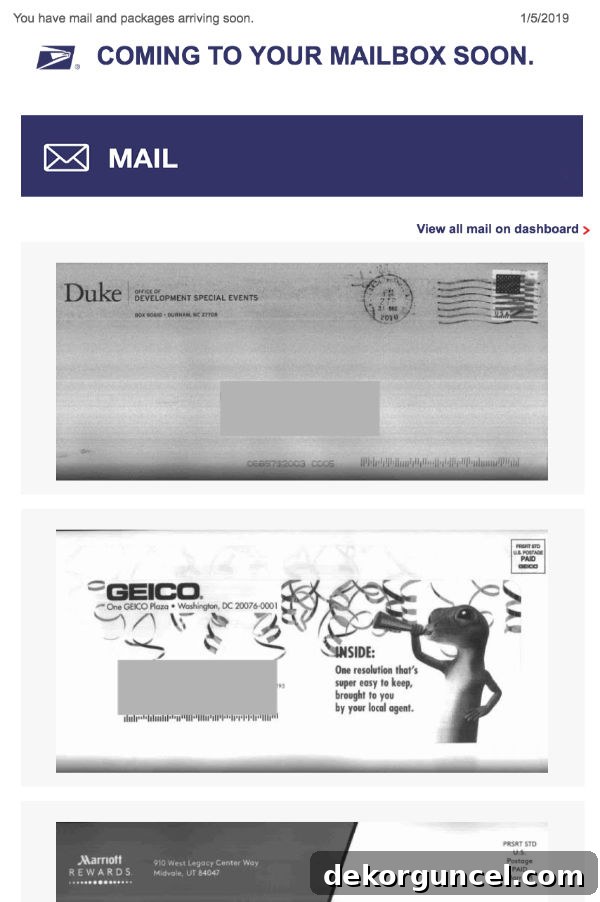
Beyond previewing your mail, Informed Delivery also allows you to track USPS packages, provide specific delivery instructions, and even reschedule missed deliveries, all at no cost. This comprehensive service offers unparalleled peace of mind. While Informed Delivery primarily focuses on mail and USPS packages, I also highly recommend extending this level of control to other carriers. Registering for FedEx Delivery Manager {HERE} and UPS My Choice {HERE} (both free!) empowers you to manage all your package deliveries efficiently. Once registered, you’ll receive notifications when a FedEx or UPS package is en route, including its estimated arrival time. You can often sign for packages online, eliminating the need to wait around or reschedule deliveries. Furthermore, you can specify preferred delivery locations, ensuring your packages are left in a safe, discreet spot. These notifications are particularly invaluable when you’re away on vacation, preventing packages from sitting unattended outside your home and reducing the risk of theft or damage.
Designing Your Personalized Mail Organization Hub
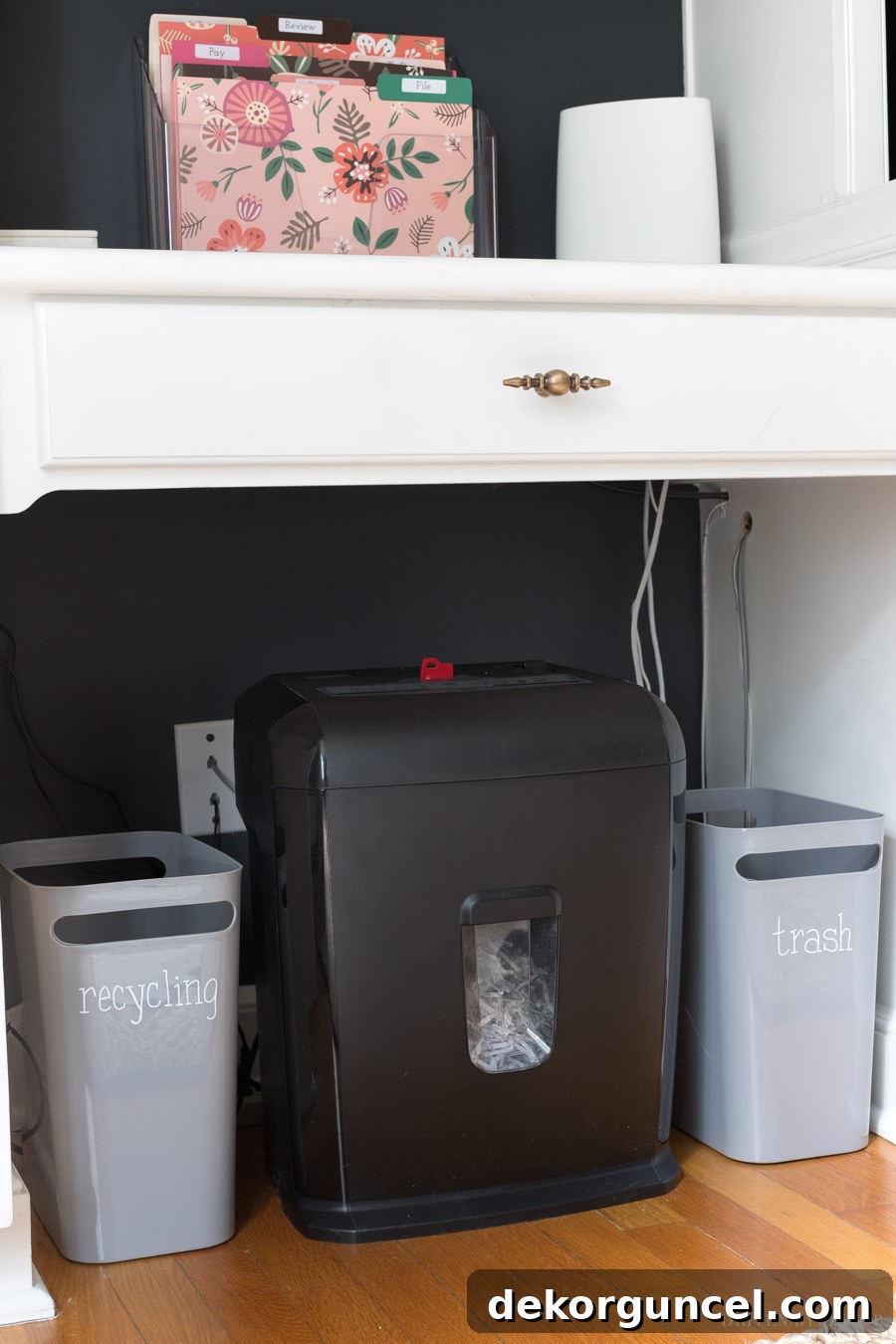
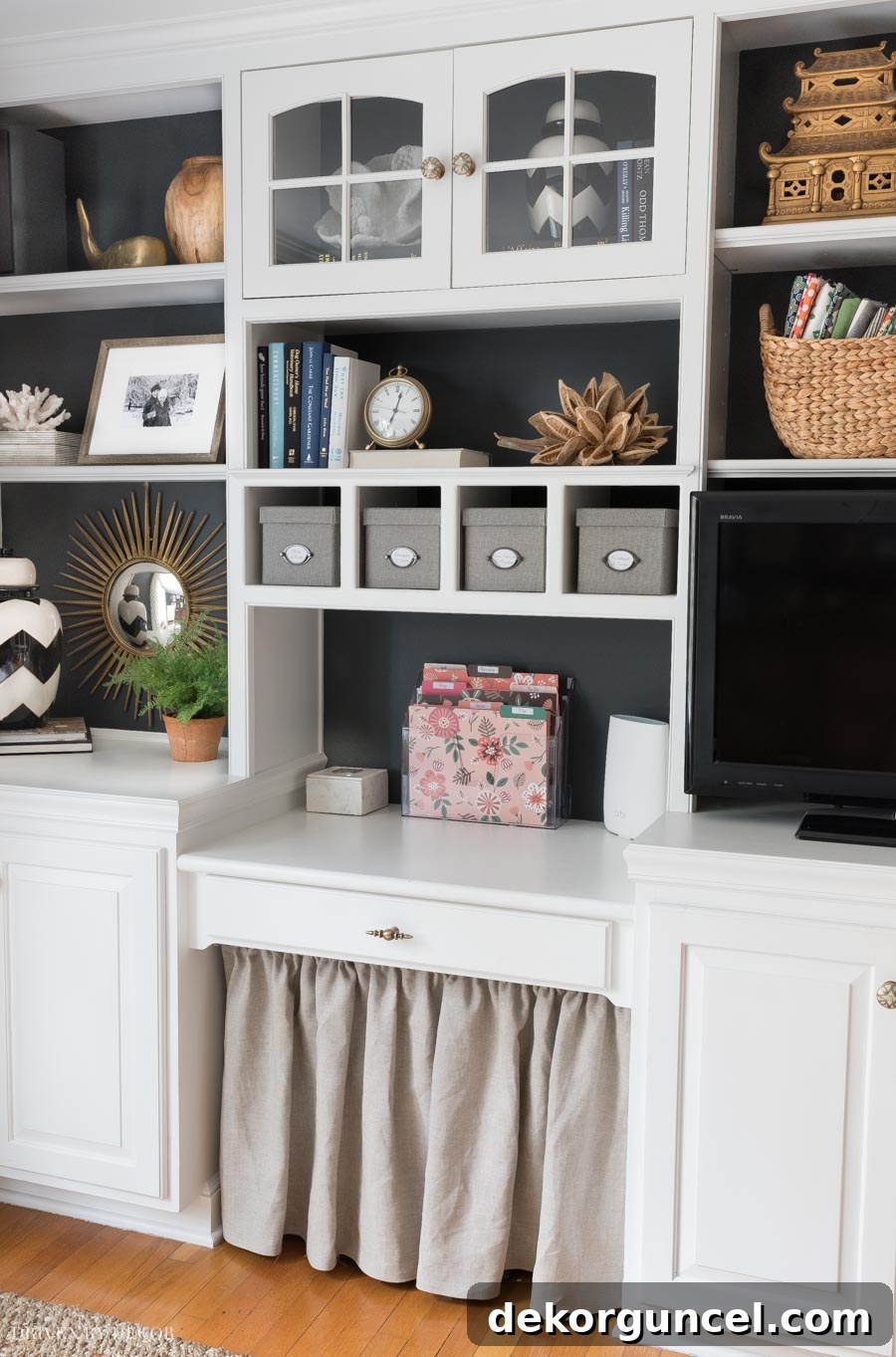
Creating a dedicated mail organizer station might sound like a major project, but it’s surprisingly inexpensive, quick, and remarkably easy to implement. Yet, the impact it has on taking charge of your mail is nothing short of transformative. You simply need a small, designated space equipped with a reliable paper shredder (unless you handle sensitive documents so infrequently that you can skip this step), a compact file folder organizer complete with clearly labeled folders, and easily accessible trash and recycling bins. Our personal mail management hub is cleverly integrated underneath the built-in desk area in our home office. After I share the specifics of our setup, I’ll offer a range of creative ideas for establishing your own mail organizer station, even if you don’t have a similar built-in space in your home. Can you spot it nestled discreetly in the office?

Home Office Sources: Desk (similar) | Wingback chair (similar) | Jute rug (similar) | Faux cowhide (similar) | Cross base planter | Semi flush mount ceiling light | Acrylic curtain rods | Drapes & desk tray – no longer available
Our built-in desk previously housed an ottoman, which, to be frank, hadn’t been utilized since the day we moved into the house. Repurposing this neglected space into a highly functional mail organizing station was a brilliant stroke of efficiency. It was as straightforward as reallocating an unused area to serve a crucial daily purpose, instantly transforming a decorative void into a productivity hub.
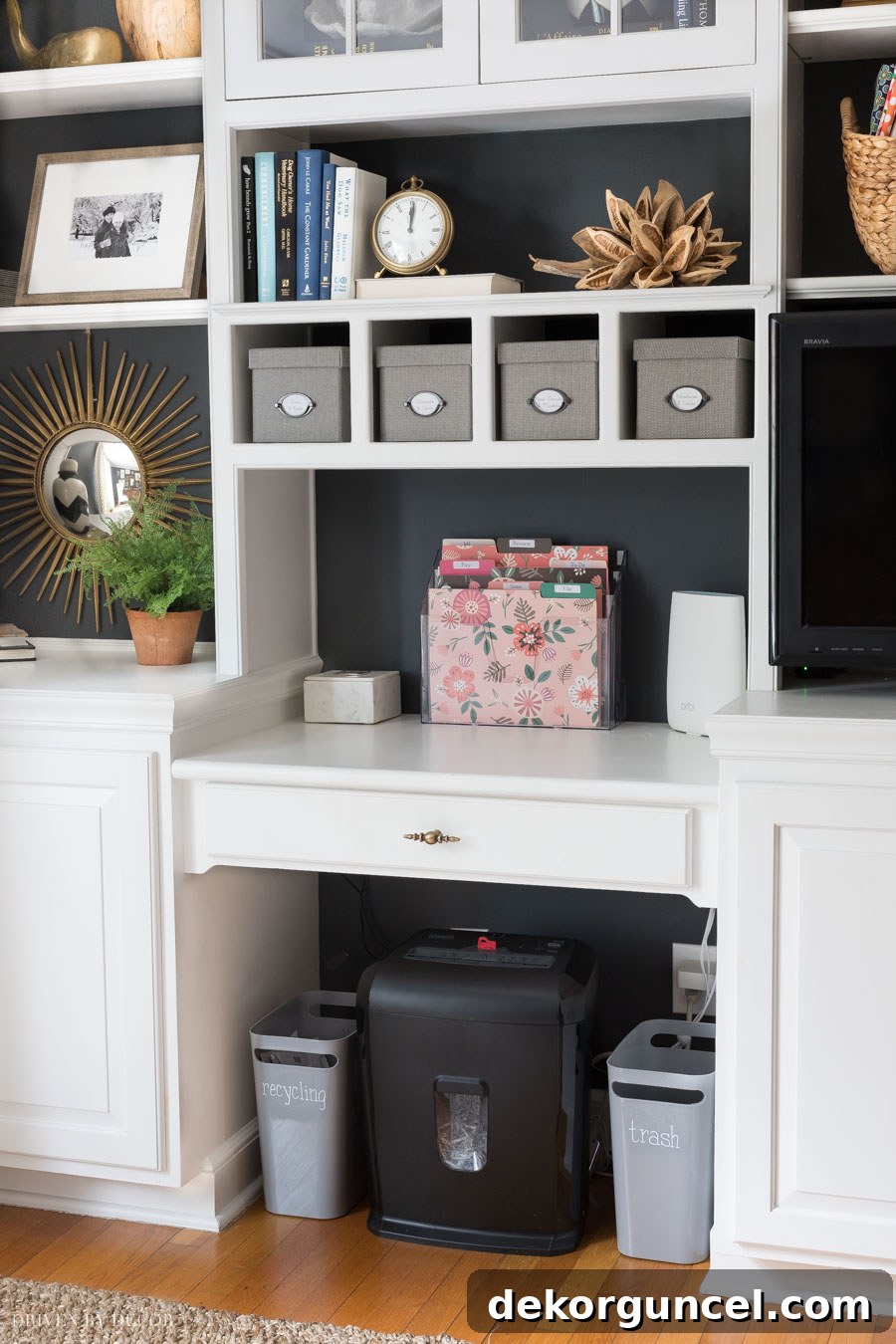
Shelf accessories: Starburst mirror | Faux fern | Pocket watch clock | Dried star pod
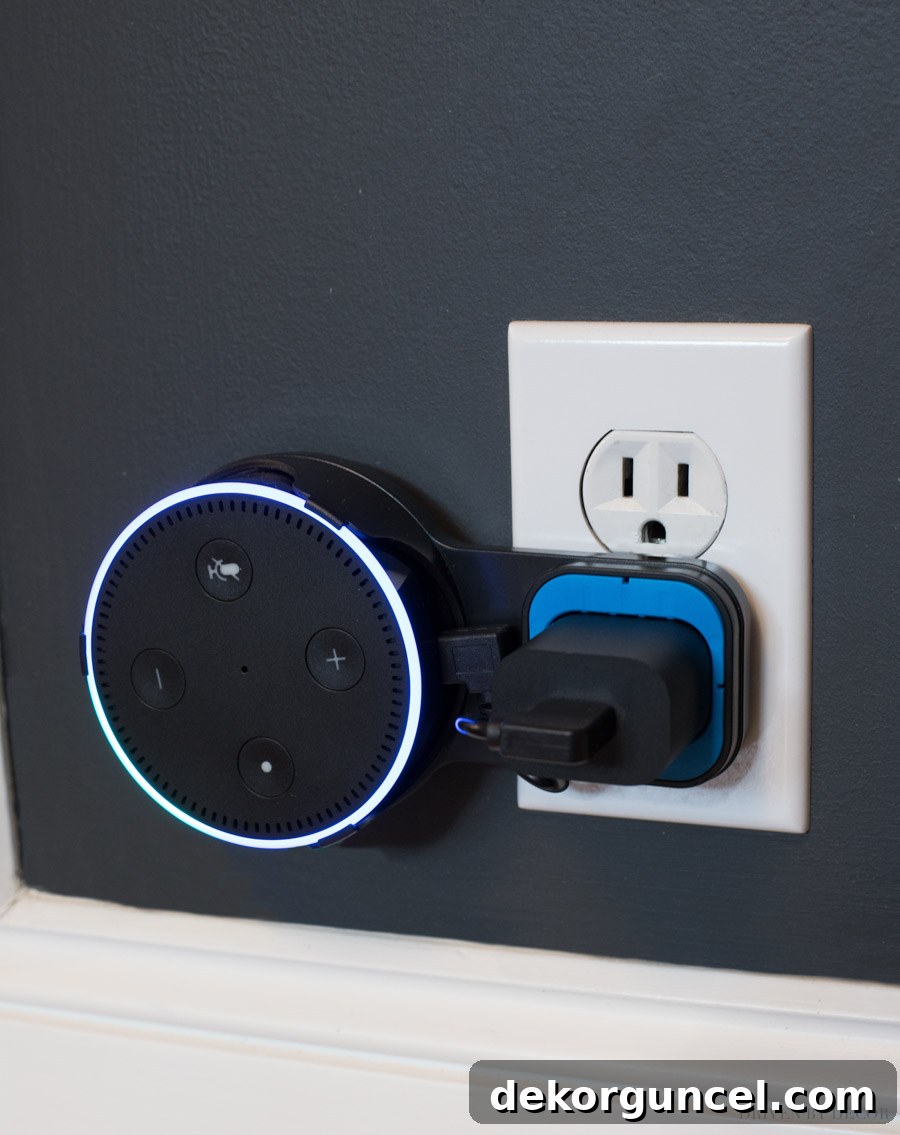
The initial step in establishing this organized zone was to clear all non-essential items from the desktop. One particular item I relocated was {our Echo Dot}, which used to occupy valuable surface area. I discovered {an ingenious outlet wall mount hanger {HERE}} specifically designed to get the Echo Dot off counters and desktops – it’s a brilliant, space-saving solution! This mount also comes in white and offers the flexibility to hang your Echo Dot either horizontally or vertically, blending seamlessly with your decor.
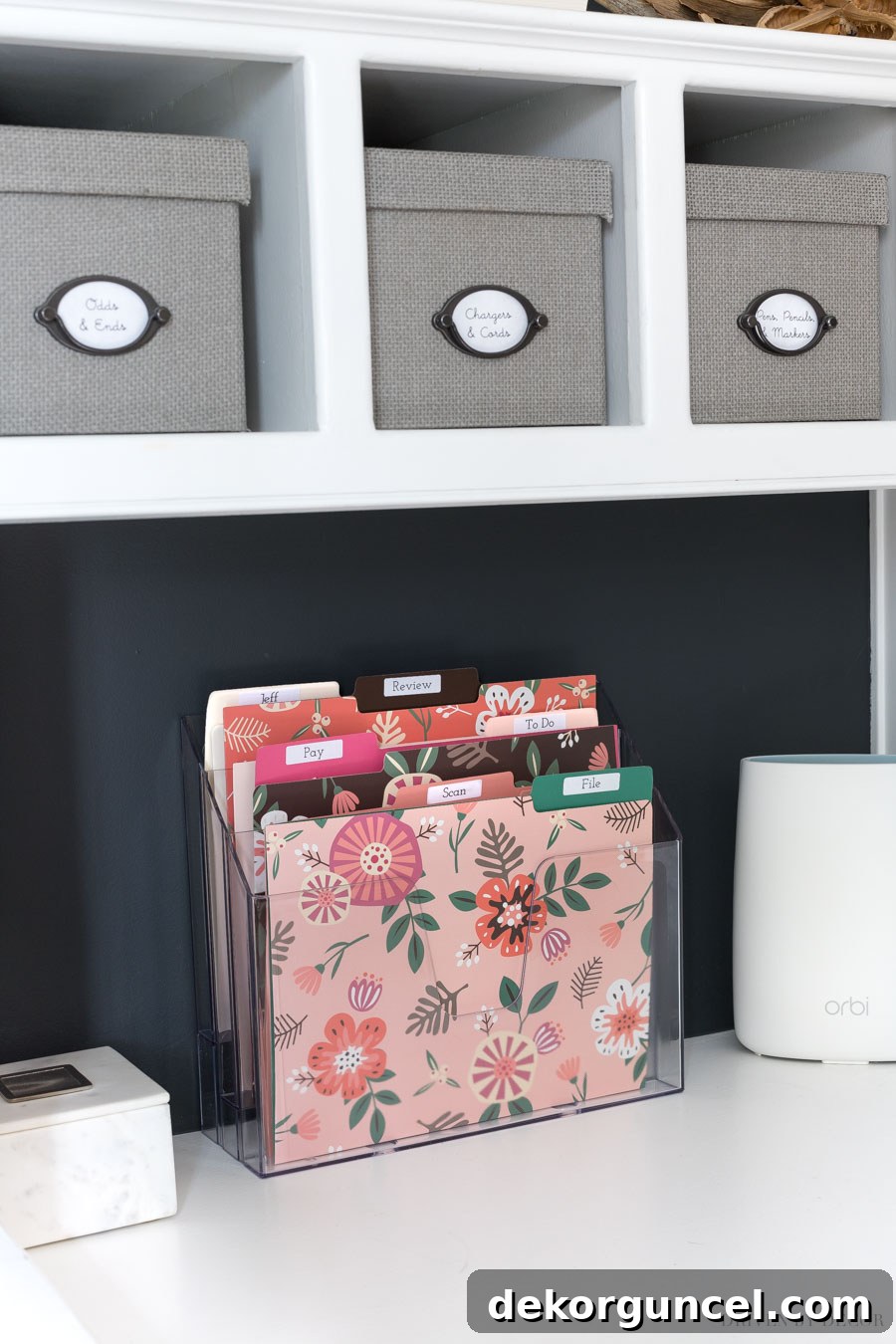
For the central component of my desktop mail organizer, I opted for a sleek clear acrylic file folder organizer found {HERE}. Its transparent design ensures a minimalist aesthetic while keeping documents visible and accessible. I paired this with charming patterned file folders found {HERE}, adding a touch of personal style to an otherwise purely functional setup. These sit neatly on top of the desk, forming the core of our daily sorting system.
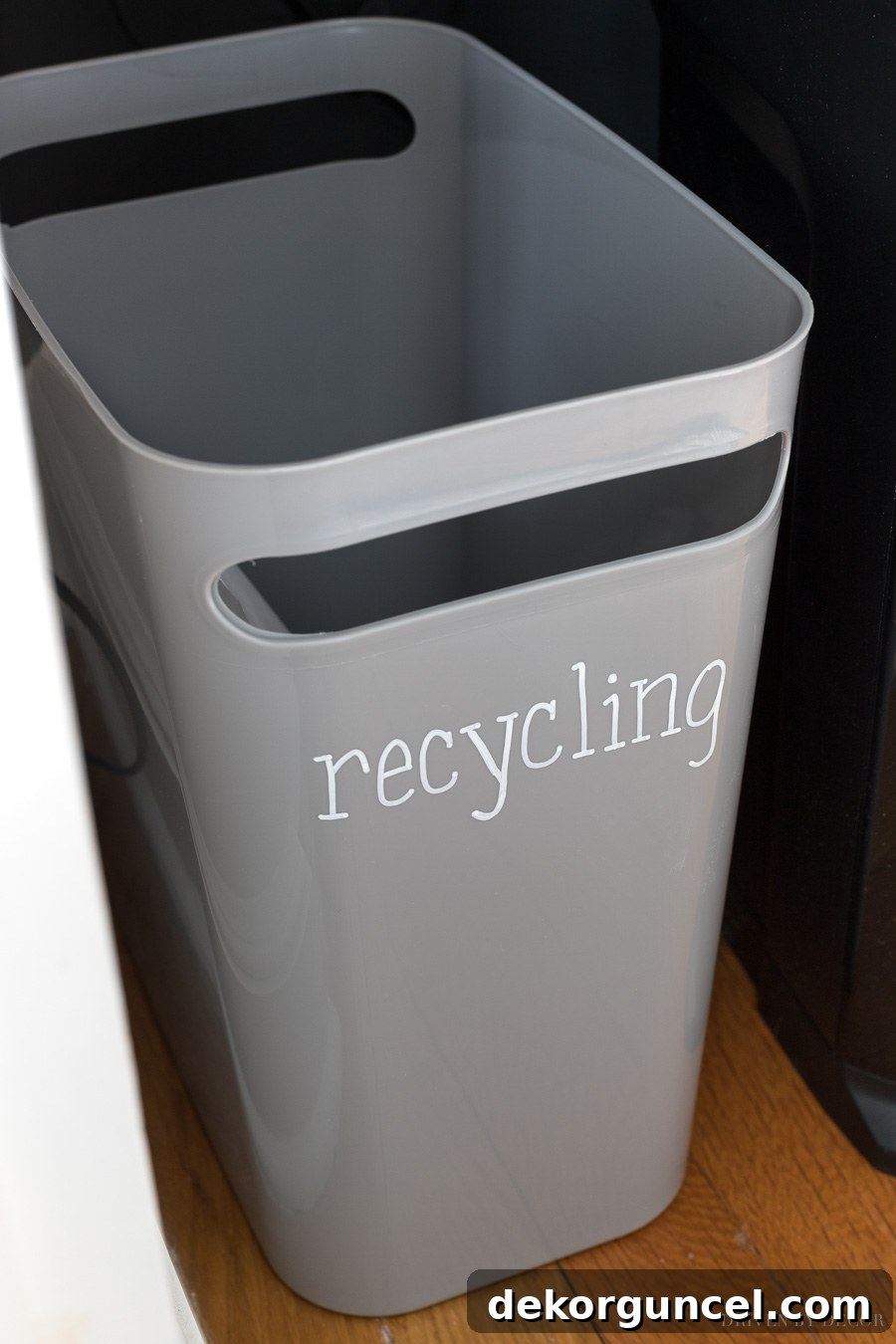
Below the desk, completing the mail management station, I’ve placed two slim gray wastebaskets found {HERE} (for a similar style, also check out {these chic navy cans}). Each bin is clearly labeled – one for “trash” and the other for “recycling” – using a simple yet elegant chalk pen bought {HERE}. This immediate sorting capability is vital for preventing junk mail and unnecessary papers from accumulating.
These two bins flank our essential paper shredder. While our specific model has served us faithfully for years and is no longer available, I highly recommend {this highly-rated and well-priced paper shredder} as an excellent alternative. A cross-cut shredder is paramount for securely disposing of documents containing personal information, such as credit card applications, bank statements, and any other sensitive materials that could lead to identity theft if improperly discarded.
What if your home doesn’t feature a built-in desk or a similar dedicated nook? Don’t despair! There are numerous creative ways to establish an effective mail sorting station. A closet offers an excellent, discreet alternative. You could place the shredder and recycling bin on the closet floor, and securely attach the file folder organizer to the inside of the closet door (the clear acrylic organizer I use conveniently includes pre-drilled holes for hanging). Another practical option is to set up a similar station in your kitchen, strategically located near your existing trash and recycling bins. The file folder organizer can be placed within a deep drawer or hung on the inside of a pantry door. Simply add an extra file specifically for items that need shredding, and process them once the folder becomes full. The key is to find a spot that’s convenient for daily access but can also be tidied away, maintaining the aesthetic appeal of your home.
My Streamlined System for Organizing & Sorting Incoming Mail
The heart of my mail management system lies in its simplicity and consistency. My desktop file folder organizer is equipped with six of {these patterned folders}, each clearly distinguished by {these printed labels}. These labels are the backbone of the system, guiding every piece of incoming mail to its rightful place and ensuring nothing gets lost in the shuffle.
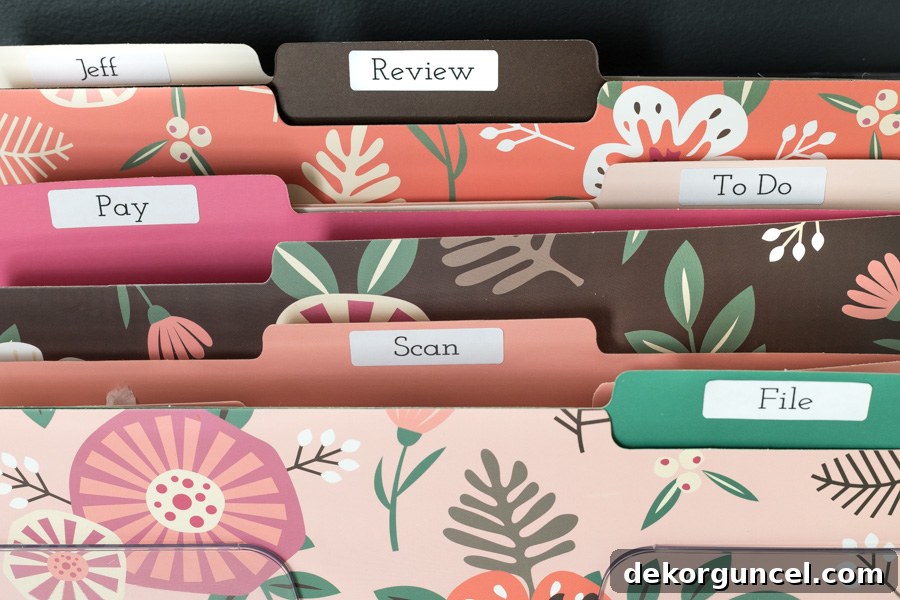
The secret to keeping mail clutter at bay is adopting a daily habit. Every single day – and it truly becomes effortless once it’s a routine, preventing overwhelming piles – I dedicate just a few minutes to process the incoming stack of mail. This quick, efficient sort ensures my desk and countertops remain clear, and nothing important is ever overlooked. Here’s a breakdown of how each folder functions:
- File – This folder is for any physical documents that I need to retain long-term and that cannot simply be scanned. This typically includes items requiring original signatures, legal documents, important contracts, or anything where a physical copy is legally mandated or preferred. Once this folder starts to fill up – usually once or twice a month – I take a few moments to file everything properly into our permanent home filing system, ensuring critical documents are securely stored and easily retrievable.
- Scan – Approximately 90% of documents I wish to keep long-term are scanned and digitized. For this, I rely on my compact and efficient small mobile scanner found {HERE}. This handy device sits neatly on our office desk in a dedicated tray, ready for action.
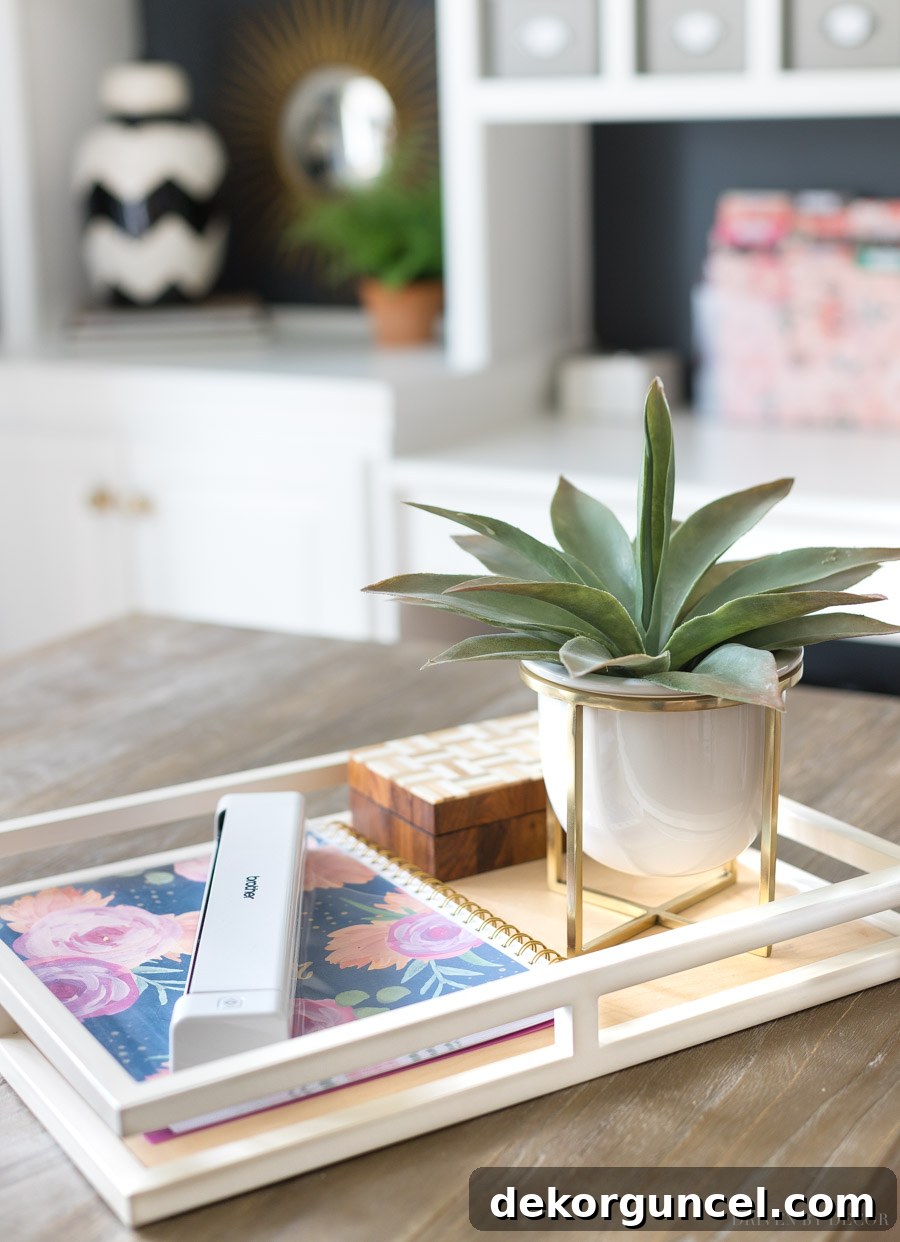
Using this scanner is incredibly straightforward. After a quick initial software download to your computer or laptop, it’s as simple as connecting the scanner via a USB cord. You then open the downloaded program, select the digital folder where you want your scanned documents to be saved (e.g., “Bills,” “Taxes,” “Receipts”), and feed each sheet through the front to scan it. This seamless process allows me to digitize documents without any tedious back-and-forth trips to a bulky printer-scanner, which used to be my routine. Once all the papers are scanned and digitally archived, I immediately shred any document containing personal or sensitive information, prioritizing security and preventing identity theft. This mobile scanner is definitely a must-have for anyone aiming for a more paperless and organized home. I typically wait until I have a small stack of papers in my “Scan” folder before processing them; there’s no need to scan daily.
3. Pay – This folder serves as the designated holding area for any physical bills that require payment. To ensure I never miss a due date, I’ve set up recurring alerts on my electronic calendar (I use the Google Calendar app) for the 1st and 15th of each month. On these dates, I dedicate time to review all bills in this folder, along with any electronic bills I’ve received, and process all payments. This dual-check system ensures that both paper and digital financial obligations are met punctually, helping maintain excellent credit and avoid late fees.
4. To Do – This folder is for mail that requires some form of action or follow-up, but isn’t a bill. Examples include RSVPs for invitations, forms that need to be filled out and mailed, appointment confirmations that need to be added to a calendar, or information that needs to be reviewed and acted upon within a specific timeframe. This centralizes all actionable items, preventing them from being forgotten or misplaced.
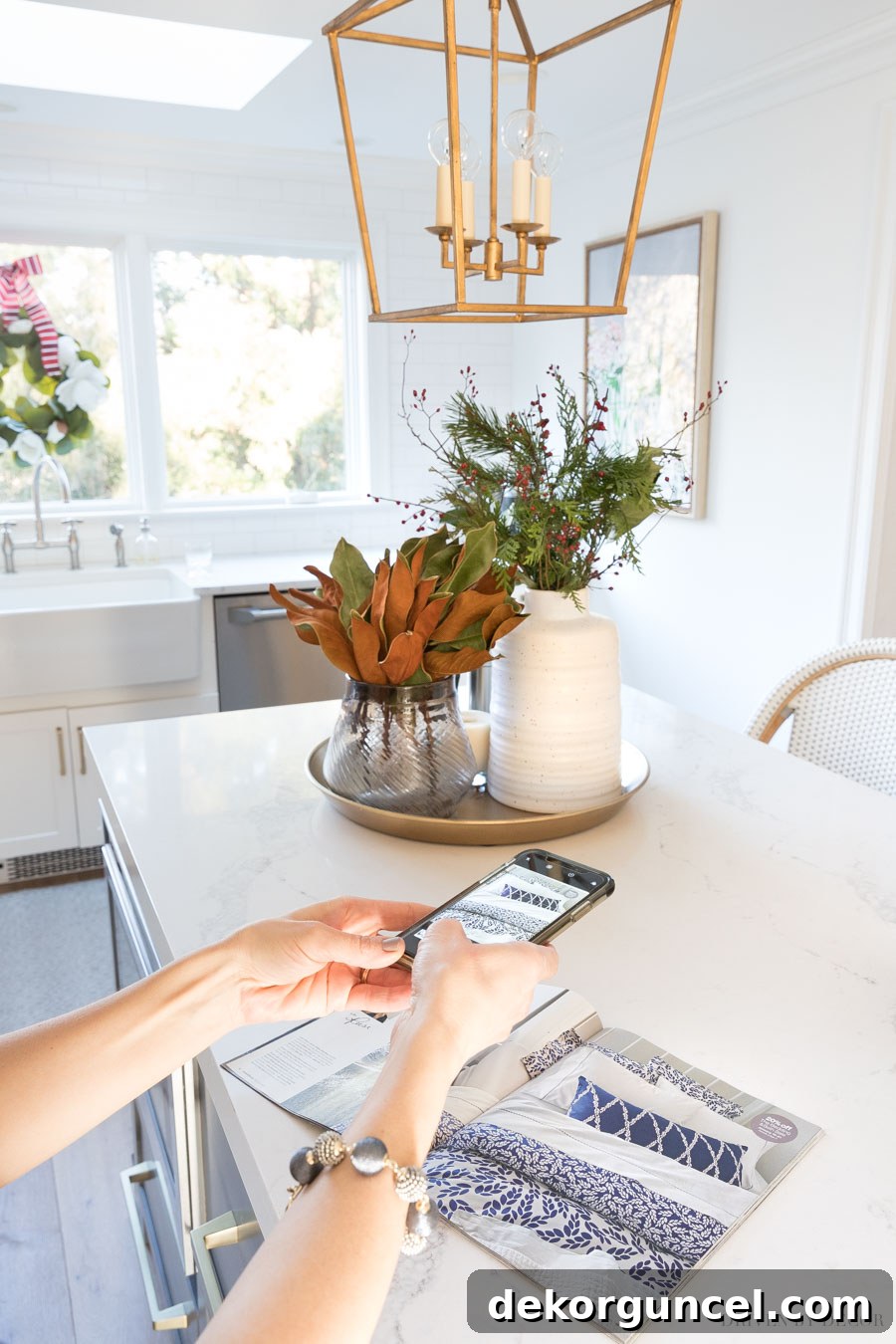
5. Review – The “Review” file is a holding space for mail that needs a more focused read, but isn’t immediately actionable, or for catalogs I want to browse later. This might include lengthy policy updates, detailed newsletters, or promotional materials that piqued my interest. I make it a point to pull both the “To Do” and “Review” files at least once a week, tackling most or all of their contents. When I come across items in catalogs that I’m considering purchasing or want to reference in a future blog post, I simply snap a picture of the page with my phone and upload it to one of my secret Pinterest boards (within the Pinterest app, just tap the “+” in the upper right corner and then “pin”). This allows me to immediately dispose of the physical catalog via recycling, eliminating further paper clutter while still saving the inspiration. (If you’re not yet following me on Pinterest, you can find me {here}!)
6. Jeff – This folder is specifically designated for any mail addressed to my husband that isn’t junk mail. It’s a simple system of delegation and shared responsibility. He knows to check this folder and empty its contents every weekend, ensuring his important mail is handled without me having to intervene in his personal paper flow. This reduces friction and keeps our overall system running smoothly.
Any mail that is clearly junk, or that I’ve reviewed and determined is no longer needed, is immediately directed to one of three destinations: the recycling bin (for most paper items), the trash bin (for non-recyclable items like plastic packaging around brochures or catalogs), or the shredder (for sensitive documents such as credit card applications or anything with personal identifiers). This entire process, from opening the mail to sorting and disposing, consistently takes less than five minutes. The result is a completely clear desk and clutter-free countertops – a truly refreshing sight. I initially developed this habit of organizing our mail flow during a kitchen remodel when my usual “mail dumping ground” of the kitchen countertop was unavailable. This forced me to create a new system, and it has undeniably been a game-changer for our household organization. Now, it’s an ingrained daily habit that requires no conscious thought or effort.
Oh, and one final thought on aesthetics versus functionality: I know I appreciate a beautifully styled home, so you might wonder if I mind having the shredder and trash cans openly displayed under our built-in desk, especially since a pretty ottoman used to occupy that spot. In an ideal world, I’d tuck my home mail organizer center away where no one would ever see it, yet it would still be in a perfectly convenient location. However, that “perfect world” often doesn’t align with the realities of my house. 🙂 Honestly, when you view the room as a whole, the mail station isn’t all that obvious, so it genuinely doesn’t bother me in our everyday living. The functional benefits far outweigh any minor aesthetic compromise.

That said, I did retain the small “desk skirt” I crafted several years ago, originally designed to conceal unsightly cords (you can find more details on that DIY project in {this post}). If we’re hosting a party, or if I simply desire my house to look particularly polished for any reason, I can effortlessly pop that skirt right into place, instantly transforming the mail station area into a neat, hidden compartment.
I sincerely hope that you’ve discovered a tip or two within this guide that will empower you to become just a little bit more organized and help you tackle your incoming mail with confidence. Taking control of your mail can dramatically reduce daily stress and contribute to a more serene home environment. Do you have any other brilliant tips for effectively managing mail, or perhaps you struggle with other areas of home organization that you’d love to see addressed on the blog? Please share your insights and challenges in the comments below – I’d love to hear from you! For even more inspiration to declutter and streamline your living spaces, be sure to check out my post highlighting my 20 favorite home organization ideas!
XO,
