
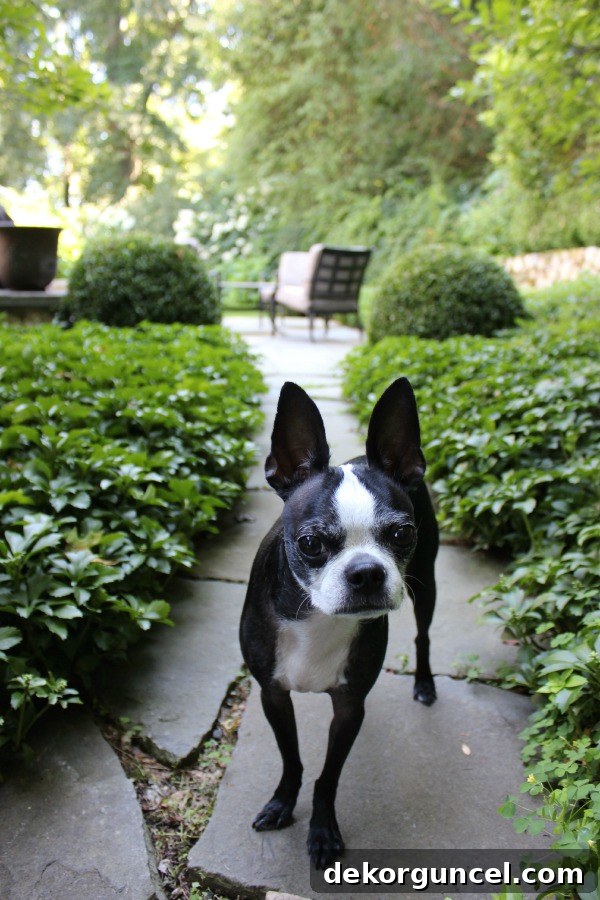
Living in a cozy home, especially one with a compact kitchen, means every square inch is a precious commodity. For many pet owners, this challenge is amplified by the need to accommodate our beloved furry friends. Take our household, for instance. Our kitchen, though bustling with activity, is quite small, making the footprint of a traditional dog bed a significant consideration. This is where our adorable, bat-eared companion, Hope, usually rests, occupying a valuable piece of floor space.
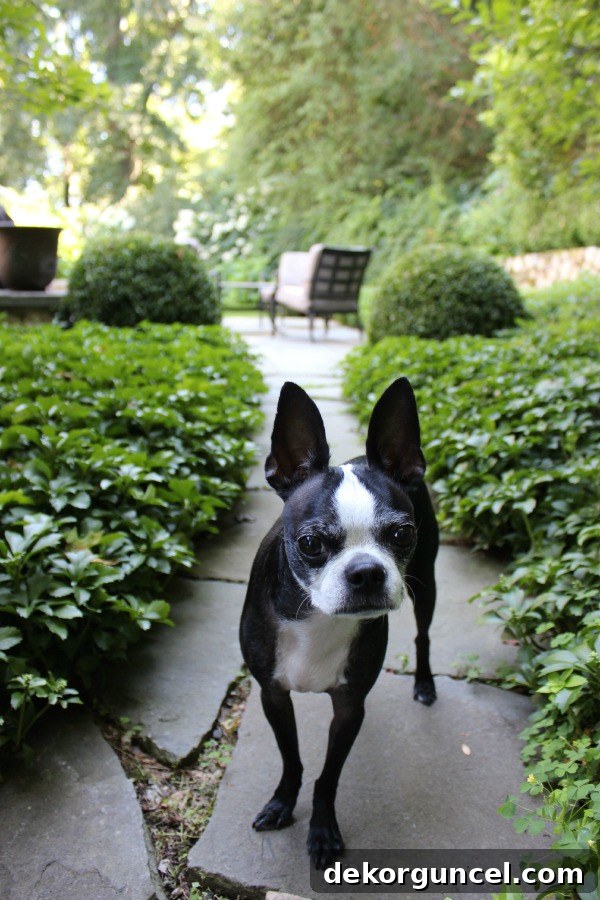
While we adore Hope and her comfort is paramount, I began exploring innovative solutions to maximize our living area without compromising her well-being. This quest led me down a delightful rabbit hole of creative built-in dog bed designs and integrated pet stations that promise both functionality and aesthetic appeal. The concept of blending pet needs seamlessly into home decor is not just a trend; it’s a practical evolution for modern living.
Transforming Small Spaces: The Genius of Built-In Pet Solutions
The idea of a built-in dog bed or an integrated feeding station is a game-changer for homes with limited space. It’s about more than just moving a dog bed; it’s about thoughtful design that enhances both human and pet lives. These clever solutions free up valuable floor space, reduce clutter, and create a designated, comfortable spot for your pet that feels like an intentional part of your home’s architecture rather than an afterthought.
Why Choose Built-In Dog Beds? The Multifaceted Benefits
Beyond the obvious advantage of space-saving, built-in dog beds offer a wealth of benefits that elevate home design and pet comfort:
- Optimized Space Utilization: This is the primary driver. By integrating a pet bed into existing structures like kitchen islands, walls, or cabinetry, you reclaim floor space that would otherwise be occupied by a freestanding bed. This is particularly crucial in smaller kitchens, living rooms, or apartments where every inch counts.
- Enhanced Aesthetics and Cohesion: Built-in solutions blend seamlessly with your home’s existing decor. Instead of an often bulky or mismatched dog bed disrupting the flow, a custom-designed nook becomes an architectural feature. Materials, finishes, and colors can be chosen to match your cabinetry, flooring, or overall interior design scheme, creating a harmonious and sophisticated look.
- Reduced Clutter and Improved Organization: Pet essentials, while necessary, can often contribute to visual clutter. A dedicated built-in space not only houses the bed but can also incorporate storage for toys, leashes, and grooming supplies, keeping everything tidy and out of sight.
- Increased Pet Comfort and Security: Many dogs, by nature, enjoy having a den-like space where they feel safe and secure. A built-in bed provides a cozy, enclosed, or semi-enclosed sanctuary that can help reduce anxiety and offer a peaceful retreat from household activity. It gives them a sense of belonging within the family space without being constantly in the way.
- Easier Cleaning and Maintenance: Unlike freestanding beds that might gather dust underneath or get pushed around, a built-in bed typically has fewer crevices for dirt to accumulate. The surrounding surfaces are often easier to wipe down, contributing to better household hygiene.
- Customization to Pet Size and Needs: Built-ins can be tailor-made to perfectly fit your dog’s size, breed, and specific comfort preferences. Whether your dog needs ample room to stretch or a snug burrow, the dimensions can be adjusted accordingly. This ensures maximum comfort and support for your pet.
- Potential for Increased Home Value: A well-designed, functional built-in pet station can be a unique and attractive feature for potential homebuyers, showcasing thoughtful design and pet-friendliness.
Creative Built-In Dog Bed Inspirations
My research uncovered a plethora of ingenious ways to integrate dog beds into various parts of the home. These designs prove that functionality doesn’t have to sacrifice style.
1. Elegant Wall-Integrated Kennels and Nooks
One of the most appealing options I discovered involves building a cozy, stylish kennel directly into the wall. This approach transforms an otherwise blank or underutilized wall section into a functional and aesthetically pleasing pet haven. Imagine a sleek, recessed nook with soft lighting and a comfortable bed, blending perfectly with your interior design.

Design: LDA Architecture & Interiors | Photography: Greg Premru Photography
These wall-integrated designs can be found in various forms: from discreet alcoves in living rooms to specialized modules in mudrooms or laundry areas. They can feature custom cabinetry, ventilation, and even built-in lighting for an extra touch of luxury and comfort for your furry friend. The beauty of this approach is its ability to utilize vertical space, keeping the floor clear and expansive.
2. Kitchen Island Integration: A Hub for Humans and Hounds
The kitchen island, often the heart of the home, presents another fantastic opportunity for built-in pet solutions. Integrating a dog bed into the island capitalizes on an already existing structure, making efficient use of space. This can be achieved in several creative ways:
- End-of-Island Cubby: A common design involves dedicating one end of the kitchen island to a built-in dog bed. This creates a cozy alcove that doesn’t interfere with the primary function of the island.
- Pull-Out Drawers/Beds: For an even more discreet option, some designs feature a pull-out bed that slides away when not in use, maintaining a clean, uninterrupted aesthetic.
- Integrated Cabinetry: A section of the island’s base cabinets can be cleverly repurposed into a comfortable sleeping area, often with an arched opening or a decorative facade to match the kitchen’s style.
Such an arrangement allows your dog to be close to the family action without being underfoot during meal prep or entertaining. Cook Architectural Design Studio offers remarkable examples of such seamless integration, showcasing how a dog bed can become a sophisticated element of kitchen design.
Dog bed built into island (Cook Architectural Design Studio)
3. Under-Stair Pet Retreats
The space under a staircase is often overlooked and underutilized. It’s an ideal candidate for converting into a bespoke dog den. This area typically offers ample height and depth, allowing for a spacious and private retreat. Designers can transform this architectural dead space into a charming and functional pet haven, complete with lighting and comfortable bedding, proving that every nook and cranny can be optimized.
4. Mudroom and Laundry Room Pet Stations
For homes with a dedicated mudroom or laundry area, these spaces naturally lend themselves to pet solutions. Built-in dog beds here are practical, keeping dirt and pet hair contained to a specific, easy-to-clean area. These rooms can also often accommodate integrated washing stations for muddy paws, making them true multi-functional pet zones.
Beyond Beds: The Convenience of Built-In Dog Bowls
While a comfortable bed is essential, equally important is a designated and tidy feeding area. Built-in dog bowls are another brilliant innovation for space-saving and maintaining a clean kitchen. They eliminate the clutter of freestanding bowls and minimize spills, especially with enthusiastic eaters or drinkers.
And how about building in the dog bowls too while you’re at it – isn’t this a fabulous design that elevates pet care to an art form?
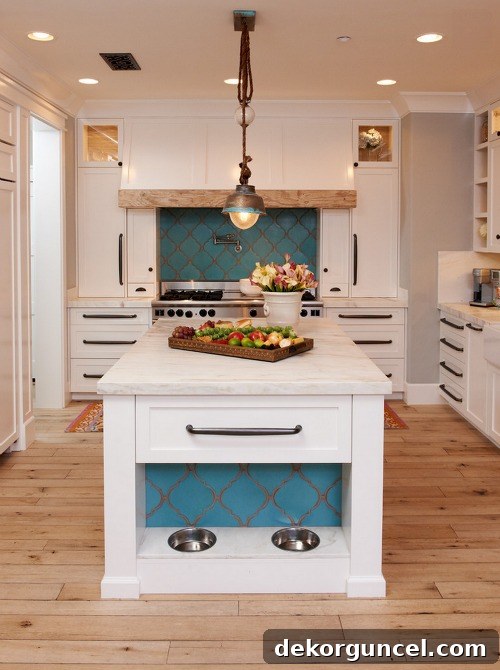
Houzz: Intimate Living Interiors
These feeding stations can be incorporated into kitchen islands, lower cabinets with pull-out drawers, or even dedicated built-in sideboards. Key design considerations include:
- Ergonomics: Elevated bowls are often more comfortable for larger or older dogs, reducing strain on their necks and joints.
- Hygiene: Easy-to-clean materials like stainless steel or ceramic bowls are crucial. The surrounding surfaces should also be durable and water-resistant.
- Discreet Storage: Many designs include hidden compartments for storing dog food and treats, keeping the kitchen pristine.
- Water Management: Some advanced setups even feature auto-fill water dispensers or direct plumbing, though simpler designs focus on easy access for refilling and cleaning.
Planning Your Pet-Friendly Built-In: DIY vs. Professional
Deciding to implement a built-in pet solution involves some planning. You have two main routes: DIY or professional installation.
- DIY Approach: For those with carpentry skills and a straightforward vision, modifying existing cabinetry or creating a simple nook can be a rewarding DIY project. There are many online tutorials for basic built-in beds or feeding stations. This approach offers cost savings and the satisfaction of building something for your beloved pet.
- Professional Installation: For more complex designs, such as custom cabinetry, structural modifications, or integrating into high-end finishes, hiring a professional is advisable. Architects, interior designers, and custom cabinet makers specialize in creating seamless, durable, and aesthetically pleasing built-ins that enhance your home’s value and functionality. They can also provide expert advice on materials, ventilation, and ergonomics for your pet.
Key Considerations Before You Build
Before embarking on your built-in pet project, consider these crucial factors:
- Pet Size and Temperament: Ensure the space is large enough for your dog to comfortably stand, turn around, and lie down. Consider their temperament – do they prefer an enclosed den or an open cubby?
- Location: Choose a spot that isn’t in a high-traffic area to avoid accidental bumps, but still allows your pet to feel part of the family. Consider temperature control and noise levels.
- Materials: Select durable, non-toxic, and easy-to-clean materials that can withstand pet wear and tear. Scratch-resistant finishes are a bonus.
- Ventilation and Lighting: For enclosed spaces, proper ventilation is critical to ensure comfort and prevent odors. Soft, ambient lighting can make the space more inviting for your pet.
- Accessibility: Ensure the space is easy to clean and that bedding can be removed and replaced effortlessly.
- Aesthetics: The built-in should complement your home’s design. Think about continuity in materials, colors, and architectural style.
- Budget: Custom solutions can range widely in price. Define your budget early and explore options that fit within it.
Conclusion: A Harmonious Home for All
From dedicated sleeping nooks in kitchen islands to elegant wall-integrated kennels and practical feeding stations, the possibilities for creating a pet-friendly, space-efficient home are truly inspiring. These thoughtful designs demonstrate that functionality and style can coexist beautifully, making life more comfortable for both you and your furry family members. By integrating these solutions, we’re not just saving space; we’re enriching our pets’ lives and making our homes more harmonious and organized. These are pretty lucky dogs, right?