
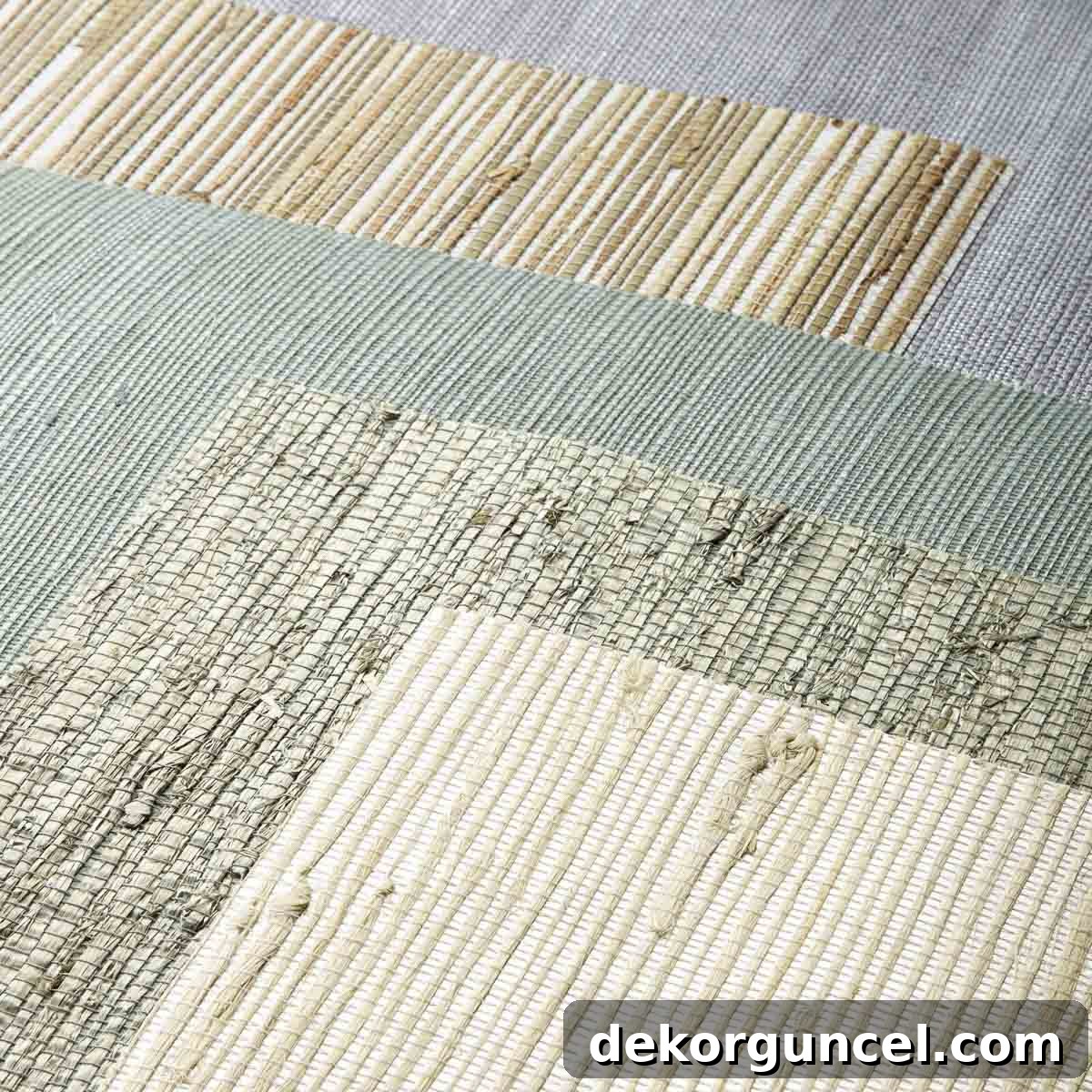
Dreaming of adding the unmatched beauty of grasscloth wallpaper to your home? This comprehensive guide reveals everything you need to know about embracing this exquisite wall covering!
A few years ago, grasscloth wallpaper was a novel concept for me, but since then, I’ve become utterly captivated by its transformative power. It’s more than just a wall covering; it’s an interior design statement that introduces unparalleled depth, dimension, and an instant sense of elevated sophistication to any room. Its unique texture and organic appeal create a warmth and character that paint simply cannot replicate. Today, I’m excited to share my expertise and insights, guiding you through every aspect of grasscloth wallpaper – from understanding its unique composition and characteristics to discovering the best places to purchase it, exploring ideal applications within your home, and assessing the challenges of installation. Let’s delve into the world of grasscloth and uncover why it’s a beloved choice for designers and homeowners alike. (This post includes commissionable links; for more detailed information, please refer to my full disclosure statement {here})
Grasscloth Wallpaper: What Is It and Why Is It Unique?
At its core, grasscloth wallpaper is a natural, woven wall covering crafted from sustainable plant fibers. Unlike traditional machine-printed wallpapers, grasscloth derives its distinctive beauty from materials such as seagrass, jute, bamboo, hemp, and raffia. These raw fibers are meticulously hand-woven or machine-woven onto an unpasted paper backing, creating a rich tapestry of texture that immediately sets it apart. Each fiber contributes its own unique properties: seagrass offers incredible durability and a rustic charm, jute provides a softer, more pliable feel, bamboo lends a sleek, often linear pattern, while hemp and raffia introduce intricate weaves and earthy tones.
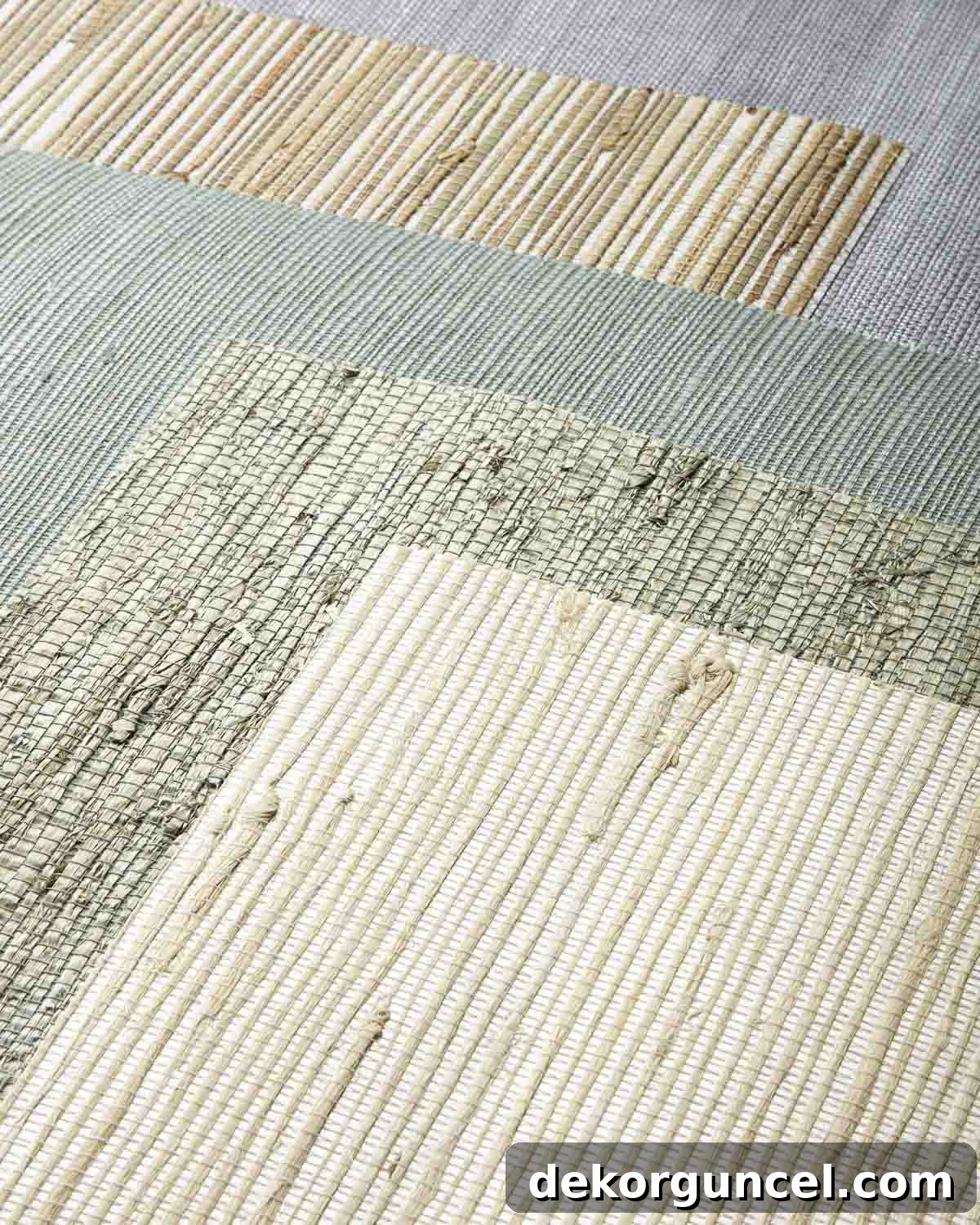
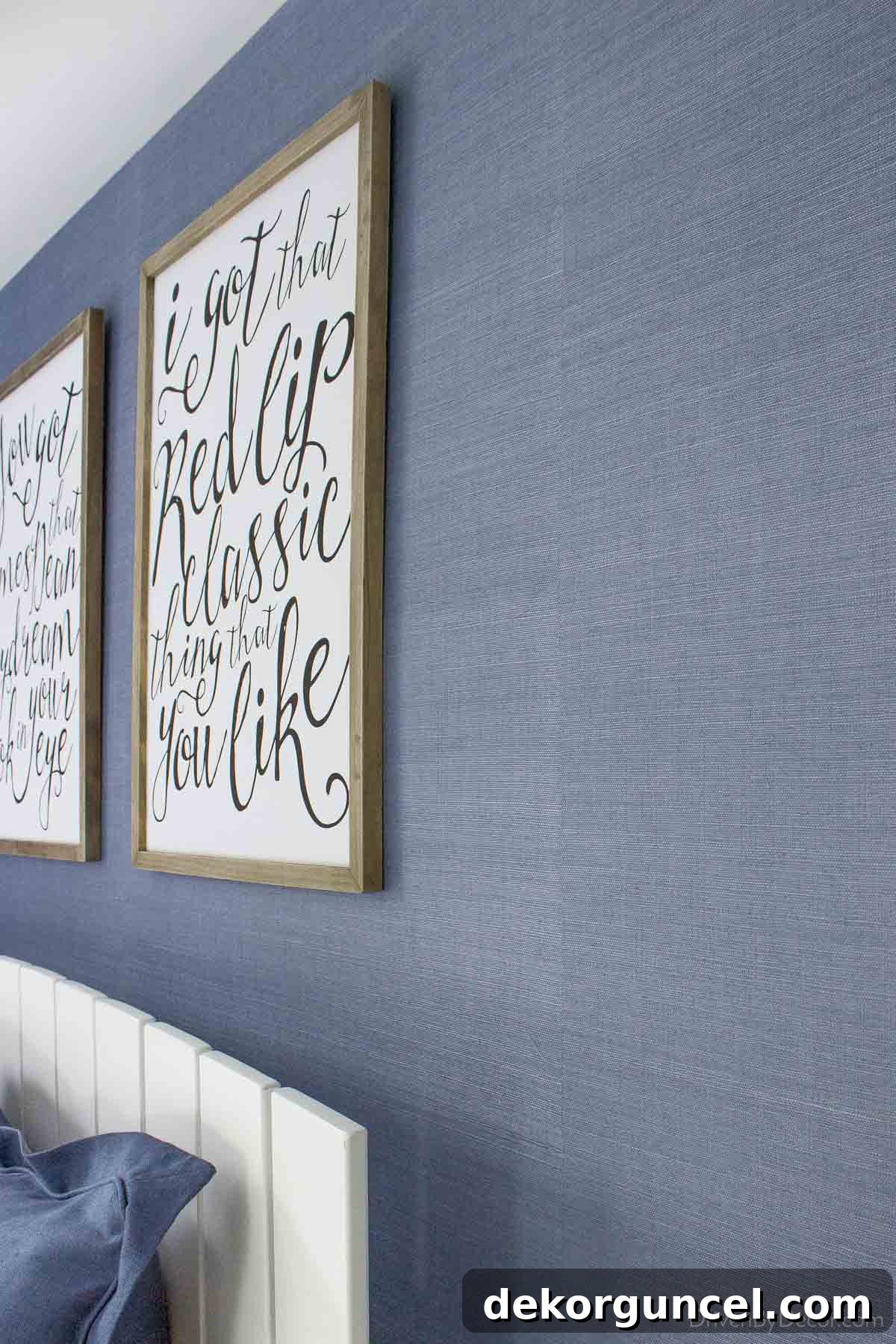
The artisanal nature of grasscloth production is a significant factor in its allure and price point. The labor-intensive process, often involving handcraftsmanship, means that each roll is a unique piece of art. This intrinsic connection to nature results in a defining characteristic of grasscloth: inherent variations in color, texture, and fiber placement from roll to roll, and sometimes even within a single roll. This organic inconsistency is not a flaw, but rather a celebrated feature that adds to its charm and authenticity, providing a warmth and depth that manufactured materials struggle to replicate. Consequently, the seams between two strips of grasscloth wallpaper are typically more noticeable than with traditional wallpapers, a feature embraced by those who appreciate its handcrafted aesthetic.
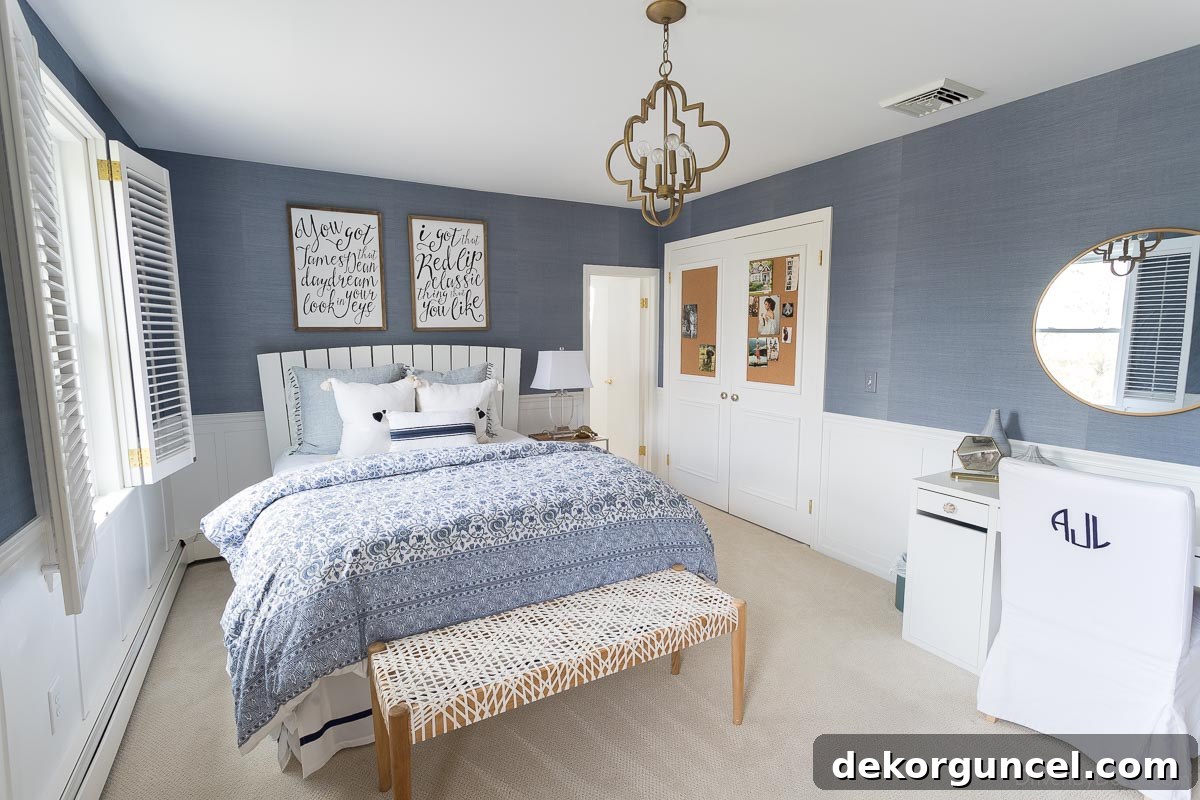
For instance, observe the distinct yet beautiful seam in the grasscloth adorning my daughter’s room:
For those seeking the aesthetic of grasscloth with enhanced durability and consistency, faux grasscloth wallpaper offers an excellent alternative. Typically made from synthetic materials like vinyl, faux grasscloth mimics the woven look without the natural fiber drawbacks. These options often boast greater color uniformity, increased washability, and are generally more resistant to moisture, making them suitable for areas where true grasscloth is not recommended. While they may lack the subtle variations and organic feel of authentic grasscloth, advancements in manufacturing have made faux options incredibly realistic and appealing.
What Are the Pros & Cons of Grasscloth Wallpaper vs. Traditional Wallpaper?
Choosing a wall covering is a significant decision for any homeowner, and understanding the distinct advantages and disadvantages of grasscloth wallpaper compared to traditional options is crucial. While its aesthetic appeal is undeniable, it comes with specific considerations.
Pros of Grasscloth Wallpaper:
- Unmatched Aesthetic Appeal: The most significant advantage of grasscloth is the sophisticated, yet incredibly cozy and organic feel it imbues in a room. Its woven texture plays with light in a way paint cannot, creating dynamic shadows and highlights that add profound depth and warmth. It instantly elevates a space, making it feel luxurious, inviting, and truly fabulous.
- Natural & Organic Texture: Unlike flat, printed wallpapers, grasscloth offers a tactile experience. The visible weave and natural fibers provide an authentic, earthy feel, contributing to biophilic design principles that connect us with nature indoors. This texture softens hard architectural lines and adds an artisanal touch.
- Adds Depth and Dimension: The inherent texture creates a visual interest that transforms flat walls into focal points. It can make a room feel larger or more intimate, depending on the color and weave chosen.
- Eco-Friendly Option: Made from sustainable, renewable plant fibers, authentic grasscloth is often a more environmentally conscious choice compared to synthetic wall coverings. Many varieties are biodegradable.
- Sound Absorption: The natural fibers and woven construction provide a subtle degree of sound absorption, which can help dampen echoes in a room, contributing to a quieter and more serene environment.
- Timeless Elegance: Grasscloth is not merely a trend; it’s a classic. Its enduring appeal spans various design styles, from modern minimalist to traditional, coastal, and bohemian, ensuring it remains stylish for years to come.
Cons of Grasscloth Wallpaper:
- Difficult to Clean: This is arguably the biggest drawback. Grasscloth wallpaper is not washable like many traditional or vinyl wallpapers. Any liquid spill or aggressive cleaning attempt will likely stain or damage the natural fibers. Maintenance is limited to gentle dusting or light vacuuming.
- Vulnerability to Moisture: Natural fibers are prone to absorbing moisture, which can lead to staining, warping, or even mildew growth. This makes grasscloth a poor choice for high-humidity areas such as bathrooms (unless it’s a powder room with excellent ventilation) or laundry rooms. Faux grasscloth, being vinyl-based, would be a suitable alternative in such environments.
- Higher Cost: Due to the labor-intensive production process and the use of natural materials, grasscloth wallpaper is significantly more expensive than most traditional wallpapers, often three to four times the price. This investment requires careful planning and consideration.
- Challenging Installation: Hanging grasscloth is considerably more difficult than hanging standard wallpaper. Its thickness, natural variations, and susceptibility to adhesive staining make it a task best left to experienced DIYers or, ideally, professional installers.
- Visible Seams: While considered part of its natural charm, the visible seams between strips can be a “con” for those who prefer a seamless wall finish. The color and texture variations also contribute to seams being more apparent.
- Durability in High-Traffic Areas: While generally robust, the natural fibers can be vulnerable to snagging, scratching, or tearing in very high-traffic areas or homes with active pets or young children.
- Removal Difficulty: When it’s time for a change, removing grasscloth can be more challenging than traditional wallpaper, especially if a strong adhesive was used, as the natural fibers can tear easily when wet.
Where Do You Buy Grasscloth Wallpaper?
Finding high-quality grasscloth wallpaper requires knowing where to look, as not all retailers carry the same variety or quality. My personal favorite and highly recommended sources for exquisite grasscloth wallpaper include Serena & Lily and Decorator’s Best.
- Serena & Lily: Renowned for their sophisticated coastal aesthetic, Serena & Lily offers a beautiful collection of solid-colored grasscloth wallpapers, perfect for creating a serene and luxurious atmosphere. They also feature a select number of printed options, such as {this stunning Gardenside grasscloth wallcovering}, which adds an artistic dimension to the natural texture. Their grasscloth options are curated to evoke a sense of refined elegance and timeless appeal.
- Decorator’s Best: This retailer provides an extensive selection, making it a fantastic resource for a wider range of styles and budgets. Decorator’s Best carries numerous esteemed brands of grasscloth wallpaper, including luxury names like Phillip Jeffries, as well as popular choices from York and Schumacher. Their vast inventory ensures you can find everything from understated natural tones to more dramatic, richly textured options.
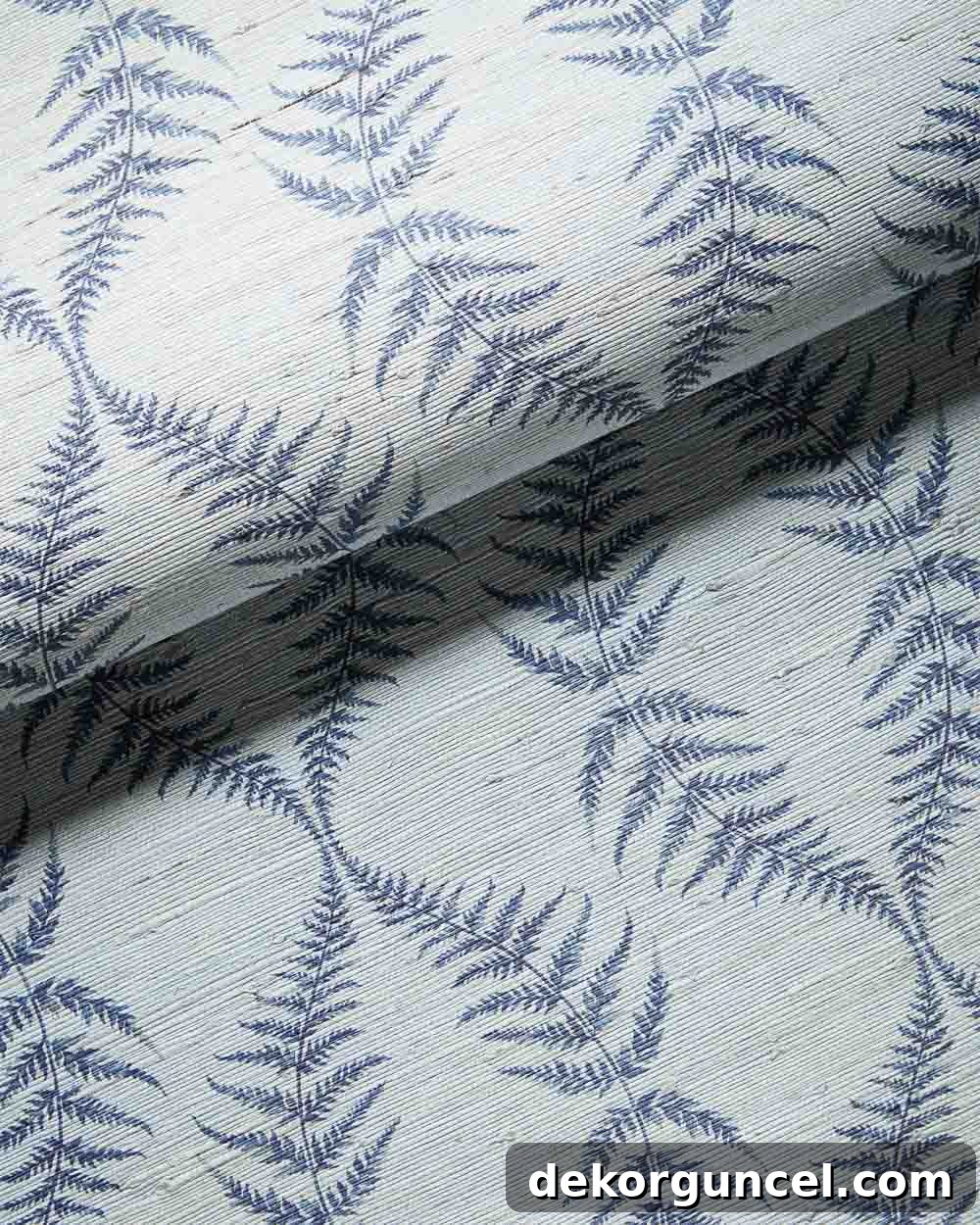
Beyond these favorites, you can also explore other reputable sources such as specialist wallpaper boutiques, high-end interior design showrooms, and large online home decor retailers. When purchasing grasscloth, it is absolutely essential to order samples first. The natural variations in color and texture can look very different in person and under your home’s unique lighting conditions. Always check the dye lot numbers if ordering multiple rolls to minimize significant color discrepancies, and be prepared for subtle shifts, which are part of grasscloth’s inherent charm.
Where to Use Grasscloth Wallpaper in Your Home for Maximum Impact
The versatility of grasscloth wallpaper allows it to enhance nearly any room, though its expense often calls for creative application strategies. While you can certainly make a dramatic statement by wallpapering an entire room, there are clever ways to incorporate its beauty using less material, maximizing its impact without breaking the bank.
Strategic Placement Ideas:
- Above Molding or Chair Rail: This is an elegant and cost-effective method to introduce grasscloth. By applying it only to the upper portion of a wall, above existing molding or a chair rail, you utilize less material while still achieving a significant textural impact. We beautifully executed this in my daughter’s bedroom, pairing the grasscloth with crisp white painted molding below, creating a sophisticated two-tone effect.
- Below Chair Rail: Conversely, you can paint the wall above a chair rail and apply grasscloth to the lower section. The Serena & Lily Westport store provides a stunning example of this technique, featuring {this gorgeous washed indigo grasscloth} below their chair rail. The rich variation in blue and natural tones adds a captivating warmth and depth to the room, proving that even a small application can make a powerful statement.
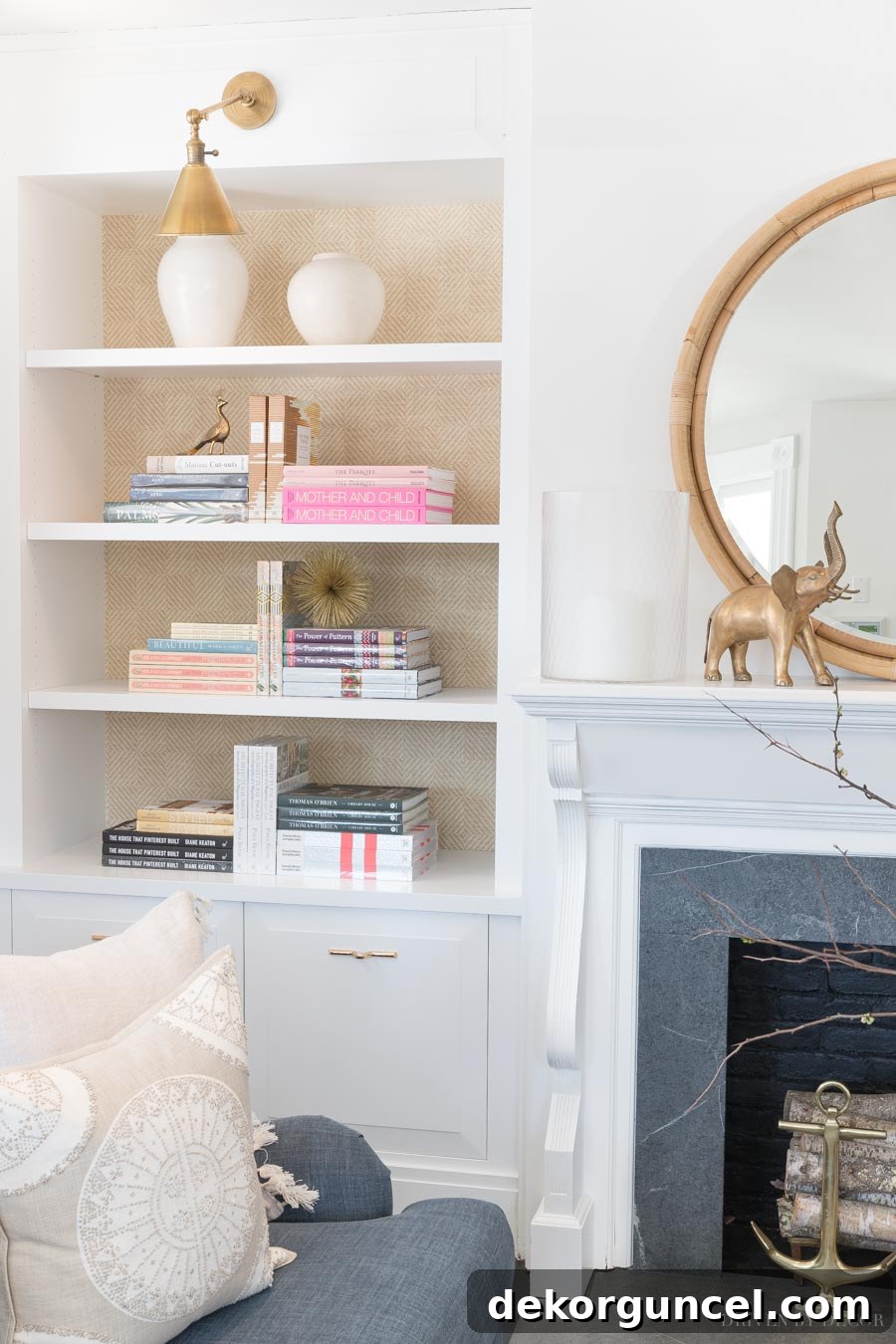
- Wallpapered Bookshelves: For a sophisticated and often unexpected touch, consider using grasscloth to line the back panels of bookshelves or built-ins. This application adds instant texture and depth, making the items displayed pop beautifully. Our family room features {this elegant charcoal grasscloth}, which provides a stunning backdrop for decor pieces.
- Accent Walls: If a full room feels too daunting or expensive, a single accent wall in grasscloth can create a striking focal point, particularly effective in bedrooms, dining rooms, or living areas.
- Entryways and Hallways: Grasscloth can add character and a warm welcome to entryways or hallways, though caution should be exercised in very high-traffic areas prone to scuffs.
- Powder Rooms: For a touch of understated luxury, a small powder room can be an ideal space for grasscloth, provided there is adequate ventilation to manage humidity. Opting for a faux grasscloth is often a safer bet here.
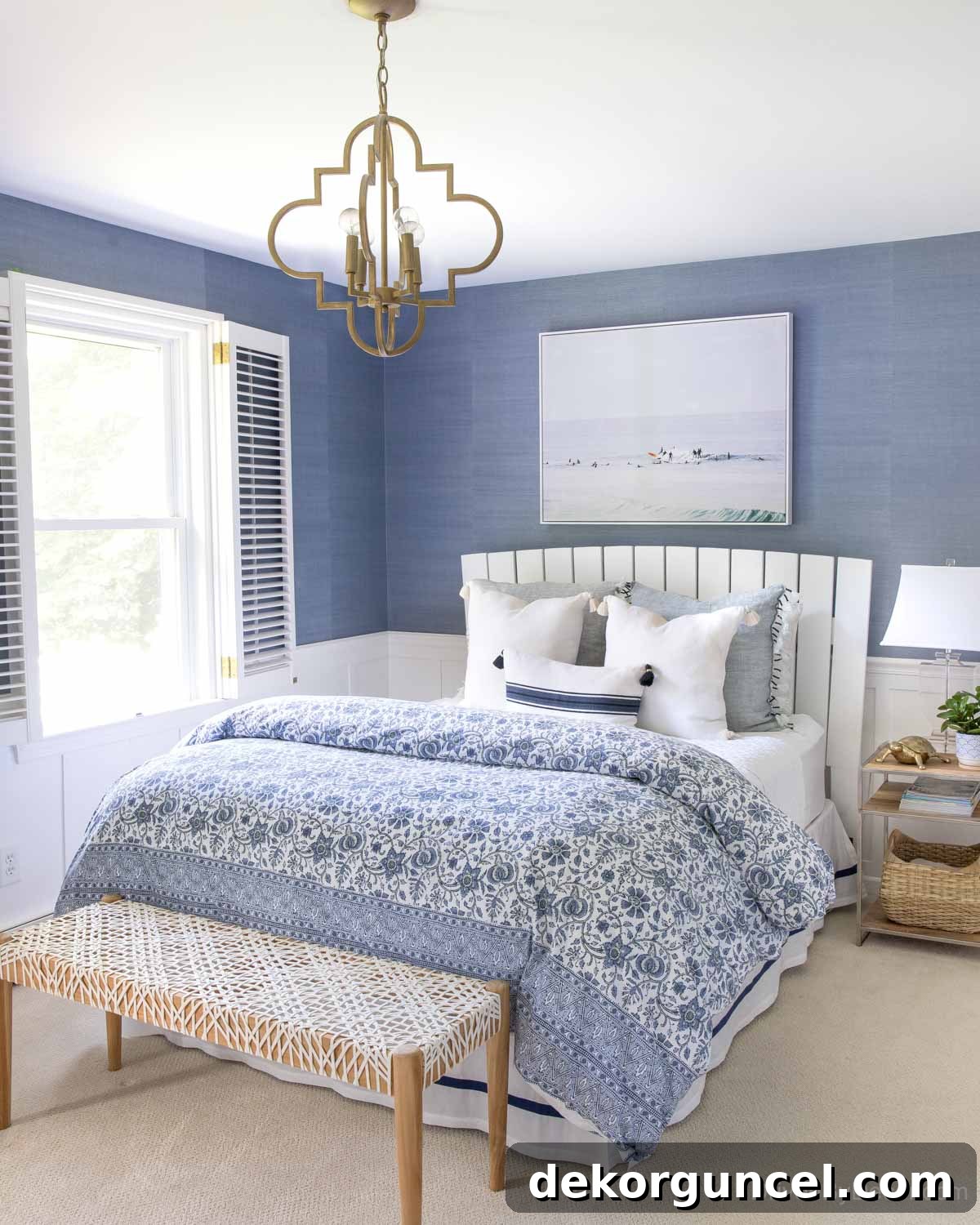
Room Sources: Gold quatrefoil pendant | Canvas surf scene art | Blue fringed pillow covers | Leather weave bench
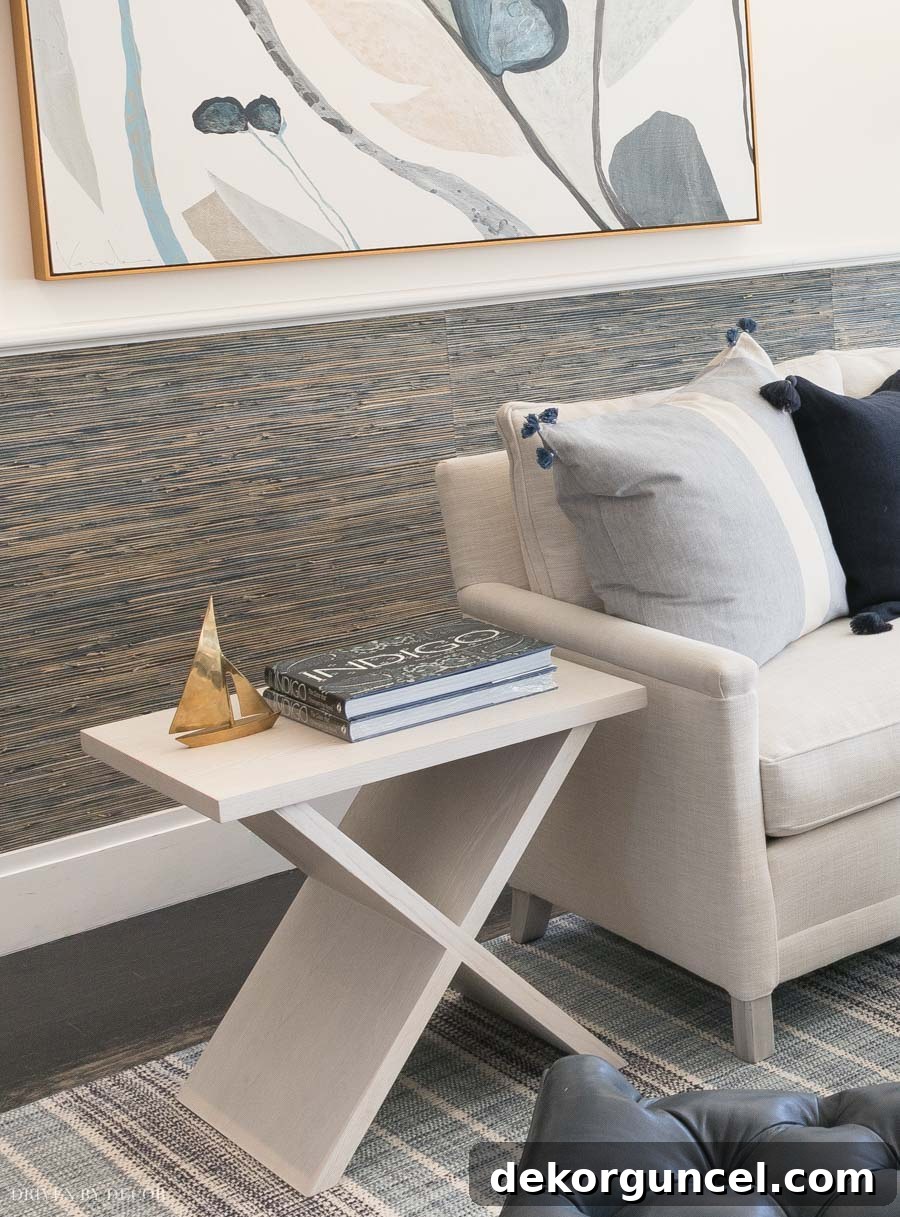
Utilizing only the wall space below the chair rail often means you can achieve a high-impact look with a single roll of grasscloth, making this a highly economical and stylish solution.
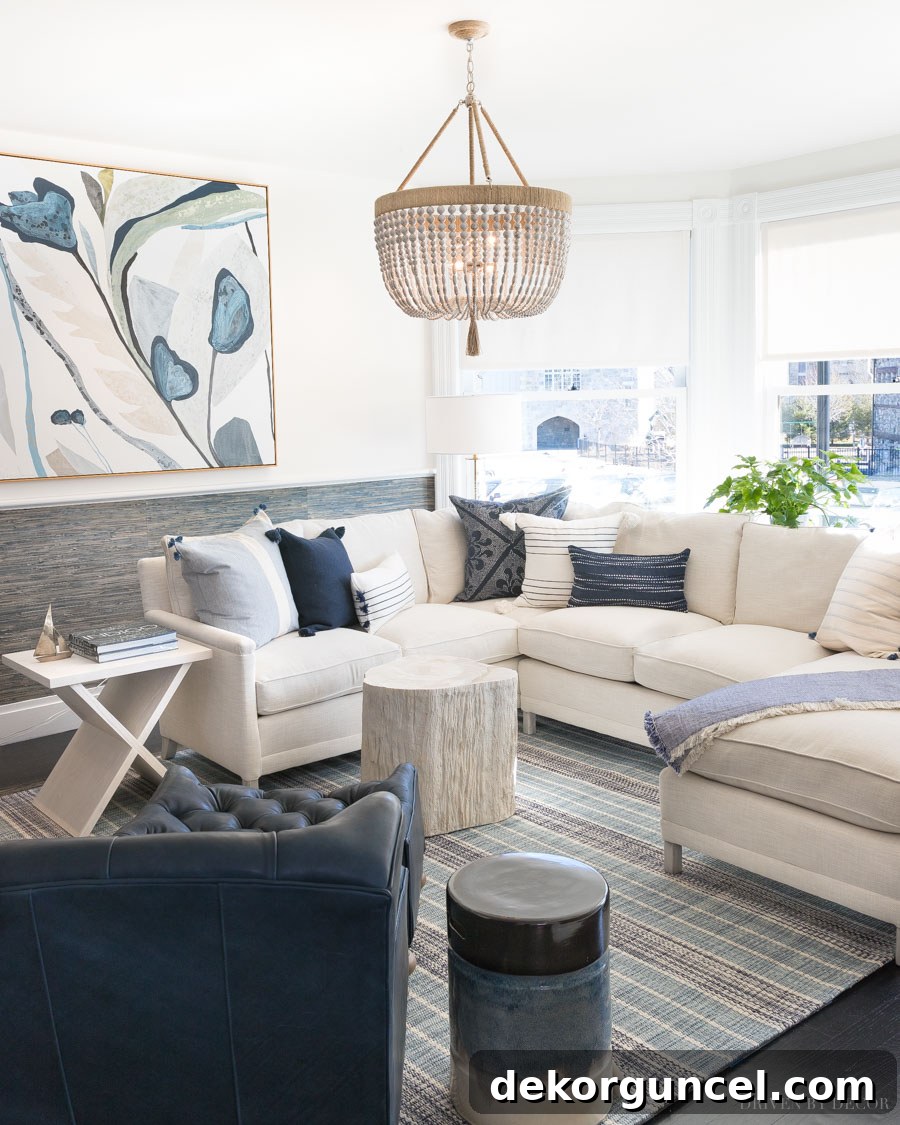
Room Sources: Chandelier | Sectional | Stump side table | X-base side table
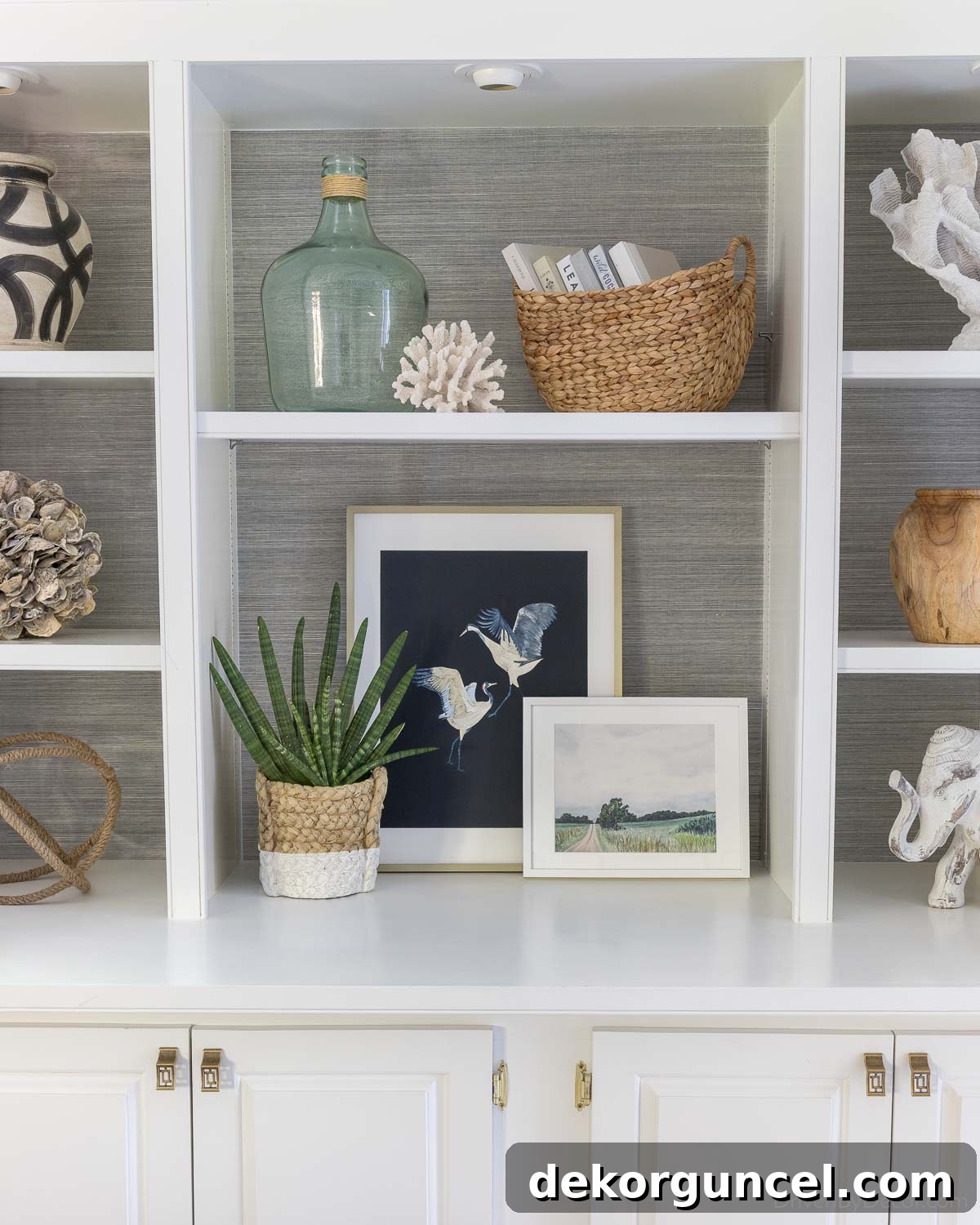
Similarly, the patterned grasscloth wallpaper at our local Serena & Lily store demonstrates how this technique can infuse personality and visual interest into a display area, proving that a small amount can yield significant decorative dividends.
When selecting where to use grasscloth, always consider the room’s function, humidity levels, and potential for wear and tear. Its natural beauty shines brightest in spaces where its unique texture can be appreciated without being subjected to harsh conditions or frequent cleaning.
Is Hanging Grasscloth Wallpaper a DIY-Friendly Task?
When it comes to hanging grasscloth wallpaper, my honest and direct answer is: no, it is generally not an easy task for beginners. While experienced DIYers with a proven track record of successfully hanging traditional wallpaper might be able to tackle it, I strongly advise against making grasscloth your first wallpaper installation project. The unique characteristics of natural fiber wall coverings present several challenges that differ significantly from standard wallpaper.
Why Grasscloth Installation is Challenging:
- Adhesive Staining Risk: The most critical difference is grasscloth’s porous nature. Unlike regular vinyl or coated wallpapers, which can be wiped clean if adhesive gets on the front, any wallpaper adhesive that touches the face of grasscloth will likely stain it permanently. This necessitates an incredibly precise and clean application process, making it difficult to avoid transfer from hands or tools, especially for those new to wallpapering.
- Increased Thickness and Rigidity: Grasscloth is considerably thicker and less pliable than most traditional wallpapers. This added bulk makes it more challenging to handle, particularly when trying to achieve sharp, clean cuts along ceilings, baseboards, and especially in corners. It doesn’t flex or conform as easily, demanding more finesse and strength.
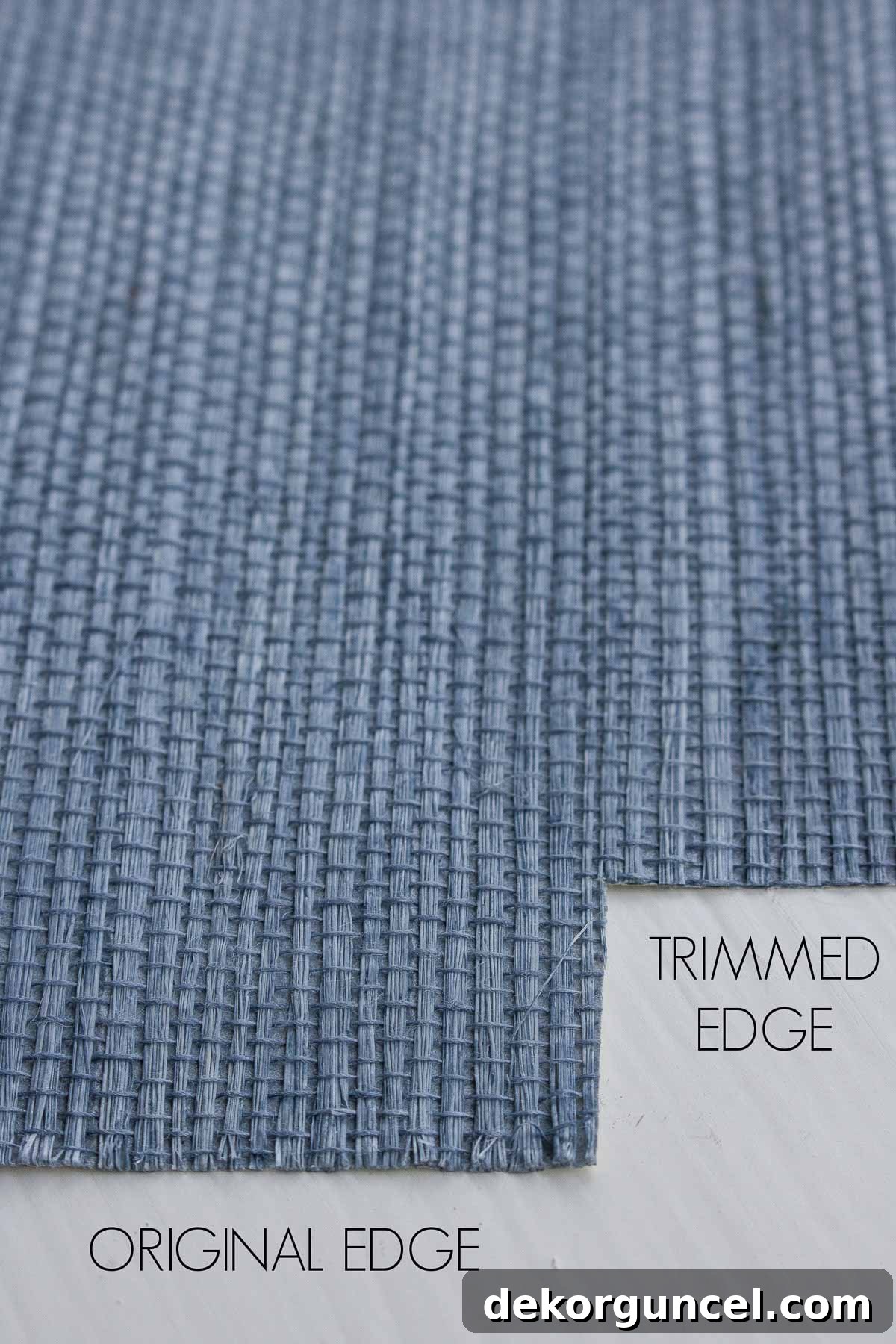
- Managing Visible Seams: As previously mentioned, visible seams are an inherent part of grasscloth’s charm. However, achieving aesthetically pleasing seams requires meticulous attention to detail. The edges of machine-cut grasscloth rolls often exhibit subtle fraying, which can lead to ragged seams if not addressed.
- The Essential Edge Trimming: To create the most seamless and clean edges possible, most grasscloth varieties require a preparatory step: trimming. Using a long, straight edge and a brand-new, ultra-sharp razor blade, you’ll need to carefully cut off approximately ½″ to 1″ from both the left and right sides of each strip of wallpaper. This process ensures a crisp, factory-fresh edge that, when butted against another strip, will result in a smoother, more refined seam. This extra step adds significant time and precision to the installation process.
- No Pattern Matching (But Color Matching): While grasscloth generally doesn’t have a repeating pattern to match, the natural color variations between rolls and even within a single roll necessitate careful planning. You’re not matching a design, but rather artfully blending natural tones, which requires a keen eye and strategic placement.
Given these complexities, for optimal results and to protect your investment, hiring a professional wallpaper installer with experience in handling natural fiber wall coverings is highly recommended. They possess the specialized tools, techniques, and expertise to ensure a flawless and enduring finish.
Starting Your Grasscloth Wallpaper Installation: A Detailed Guide
Even if you opt for professional installation, understanding the process for grasscloth wallpaper can help you communicate effectively and appreciate the intricacies involved. Many fundamental wallpapering tips apply to grasscloth, but with heightened importance due to its unique nature. For a general step-by-step on wallpaper installation, you can refer to my detailed post on wallpaper installation, but here we’ll focus on the specifics for grasscloth.
Essential Preparations Before You Begin:
- Wall Preparation is Paramount: Ensure your walls are impeccably clean, smooth, and dry. Remove any old wallpaper, fill holes, sand rough patches, and wash surfaces thoroughly. For grasscloth, applying a high-quality wallpaper primer (specifically designed to promote adhesion and ease future removal) is non-negotiable. This creates a uniform surface, prevents inconsistencies, and helps prevent the adhesive from drying too quickly.
- Acclimatize Your Wallpaper: Allow all rolls of grasscloth to sit in the room where they will be installed for at least 24 to 48 hours. This allows the natural fibers to acclimate to the room’s temperature and humidity, minimizing shrinkage or expansion after installation.
- Plan Your Panel Placement Meticulously: With any wallpaper, especially grasscloth where seams are visible, careful planning is critical. Begin your installation on your room’s focal wall – typically the wall you see first upon entering, or the one anchoring a key piece of furniture like a bed or fireplace. In my daughter’s room, her bed wall served as the perfect focal point.
- Center Your Design: For the most balanced look, position either the exact center of a grasscloth strip or the seam between two strips at the precise center of your focal wall. This ensures symmetry and a professional finish.
- Manage Color Variation (Dry Run): A unique aspect of grasscloth is the natural color variation that can occur from roll to roll, and even subtly within a single roll. To create a harmonious transition, unroll all of your wallpaper (or a significant portion) and lay the strips out to compare colors. Arrange them in a sequence that allows for a gradual progression from lighter to darker tones (or vice-versa), avoiding abrupt color changes. This “dry run” is crucial for achieving a visually appealing result.
- Choose Your Adhesive Wisely: Grasscloth wallpaper is heavy, so a robust, high-quality adhesive is essential. My preferred choice is {this specific adhesive}. Its gel-like consistency is a game-changer; it prevents the adhesive from drying out too quickly, giving you more working time – a significant advantage, especially if you’re not a speed demon. This type of adhesive also allows for easy sliding and repositioning of the wallpaper on the wall, enabling you to achieve perfect alignment without rushing. Ensure the adhesive is explicitly labeled for heavy-duty wallpapers or natural fiber wall coverings.
- Essential Tools: Gather your toolkit: a plumb line or laser level for straight lines, a sharp utility knife with plenty of fresh blades, a smoother or plastic squeegee, a wallpaper brush or roller for adhesive application, a clean bucket for water (for tools, NOT for cleaning the paper), a measuring tape, and a sturdy straight edge for trimming.
Installation Techniques:
- Paste the Wall Technique: Due to grasscloth’s weight and the risk of adhesive staining, applying the paste directly to the wall (known as “paste the wall” or “wet hanging”) is often preferred over pasting the paper itself. This minimizes handling of the pasted paper and potential adhesive transfer. Apply an even, generous coat of adhesive, slightly wider than your wallpaper strip.
- Precise Cutting: When trimming excess paper at the ceiling, baseboards, or around windows and doors, use your sharpest blade and a firm straight edge. The thickness of grasscloth requires multiple shallow cuts rather than one deep cut to avoid tearing the fibers.
- Careful Smoothing: Gently smooth the wallpaper onto the wall using a wallpaper smoother, working from the center outwards to remove air bubbles. Be gentle to avoid damaging the delicate natural fibers.
- Corner Treatment: For inside corners, cut the strip slightly overlapping the corner, then apply the next strip from the new corner, overlapping the previous strip by about 1/4 inch. For outside corners, wrap the grasscloth around the corner, ensuring it extends slightly beyond. The next strip should then start from this new corner.
- No Overlap: Grasscloth is typically installed using a “butt joint” method, where strips are placed edge-to-edge without overlapping, especially after careful edge trimming.
Is Grasscloth Wallpaper Still in Style? Absolutely Timeless!
Absolutely, without a doubt, grasscloth wallpaper is not only still in style but has firmly cemented its place as a timeless and highly sought-after element in contemporary interior design. In fact, its popularity has steadily grown over recent years, establishing it as a go-to choice for designers and homeowners aiming to infuse warmth, texture, and sophistication into their spaces.
The enduring appeal of grasscloth lies in its unique blend of natural beauty and versatility. In an era where biophilic design – the integration of natural elements into built environments – is highly valued, grasscloth connects us to the outdoors with its organic fibers and earthy tones. It offers a captivating visual and tactile experience that sterile painted walls simply cannot provide. Whether your aesthetic leans modern, traditional, coastal, bohemian, or transitional, grasscloth seamlessly complements and enhances diverse decor styles.
It adds an instant layer of luxury and depth, making rooms feel more curated and inviting. Its subtle variations and handcrafted feel ensure that no two installations are exactly alike, offering a unique character to every home. So, if you’re captivated by its charm and distinct texture, rest assured that embracing grasscloth wallpaper means investing in a design element that is both current and eternally classic. If you love it, use it – its beauty and style are truly enduring!
I sincerely hope this comprehensive guide has answered all your grasscloth wallpaper questions and inspired you to consider this stunning wall covering for your next home decor project! I look forward to sharing more insights with you on the blog next week.
