
Embarking on a bathroom remodel is an exciting journey, and for us, the girls’ bathroom has finally claimed its spot at the very top of our home improvement to-do list. After months of planning and envisioning, it’s time to dive into one of the most crucial design decisions: selecting the perfect tile. This choice isn’t merely about aesthetics; it profoundly impacts the bathroom’s functionality, durability, and overall feel for years to come. In fact, following our last master bathroom renovation, I received countless inquiries about our tile choices, particularly why I opted for ceramic over porcelain in that instance. This experience inspired me to delve deeper into the distinctions between these two popular tile types, sharing a comprehensive guide to their pros and cons. My aim is to help you make an informed decision for your own renovation projects, whether you’re tackling a high-traffic family bathroom or a serene master suite. (Please note, this post includes commissionable links, and for more details, you can view my full disclosure statement {here})
To fully appreciate the transformation, let’s take a moment to revisit the not-so-glamorous “before” state of my girls’ bathroom:
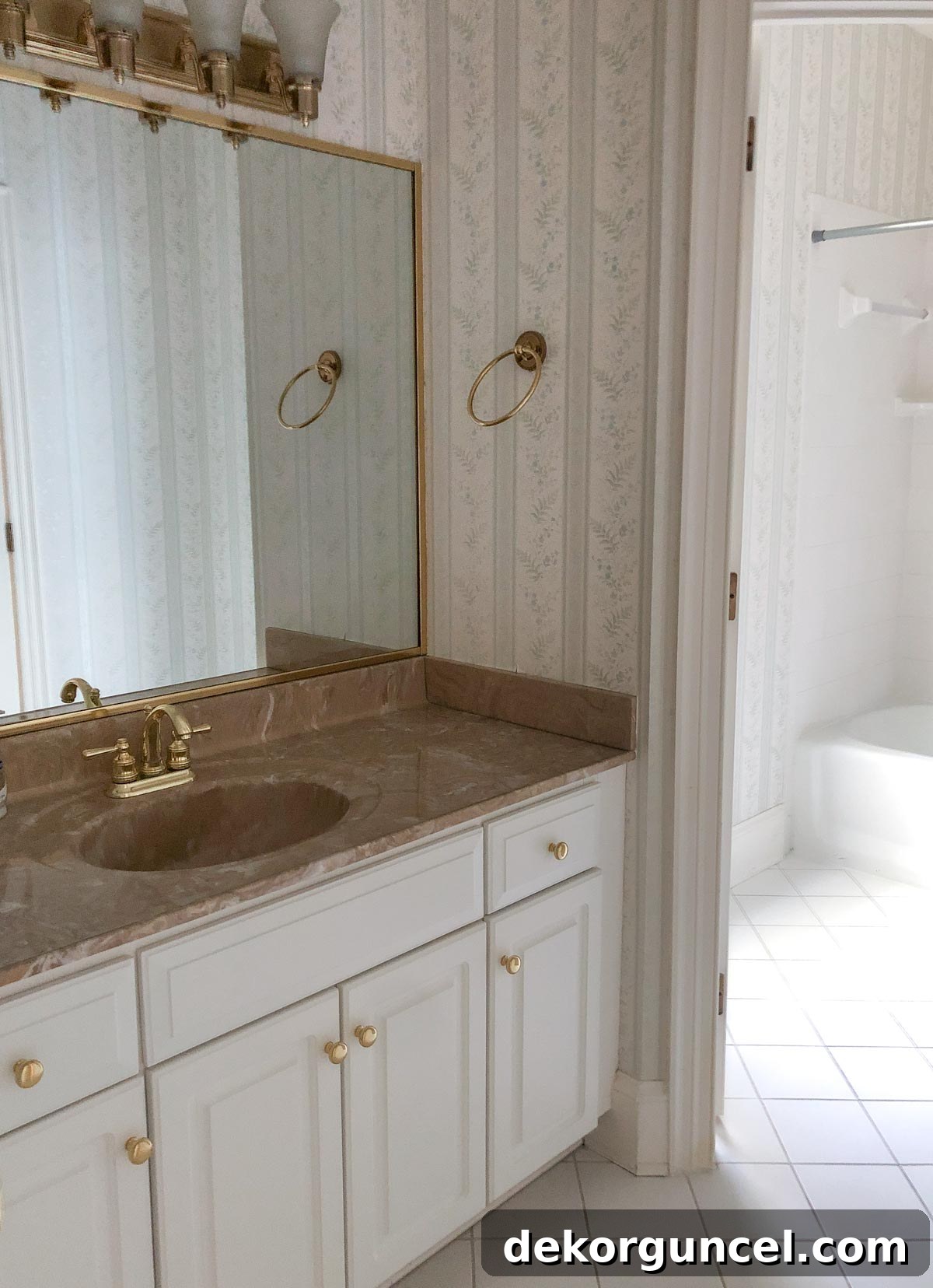
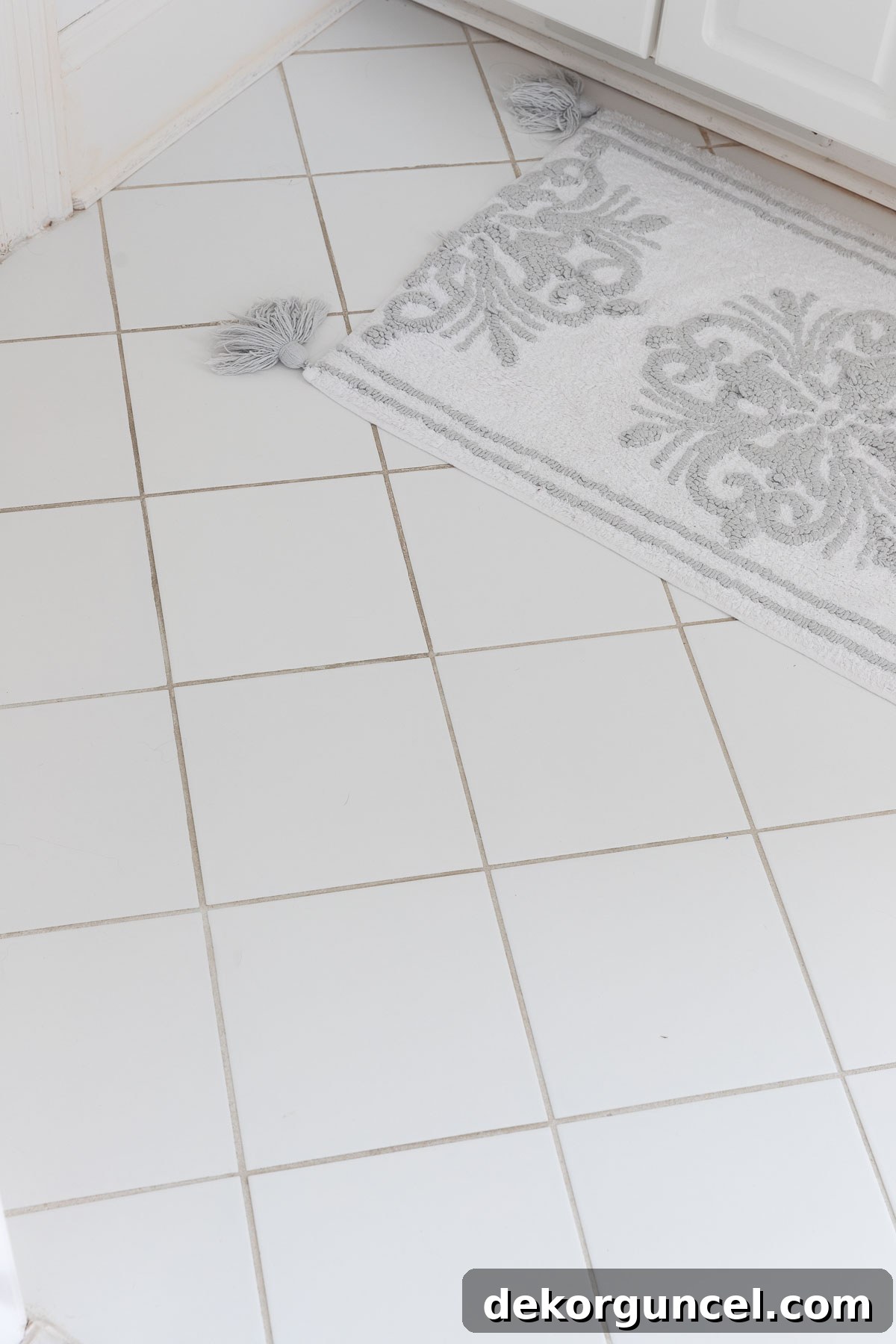
The existing bathtub and the wall tiles surrounding it are in good condition and will remain. However, almost everything else is slated for a complete overhaul, including the floor tile. While it presents as a relatively simple and inoffensive white square tile, its condition leaves much to be desired. Several tiles are noticeably cracked, and many more are chipped, detracting significantly from the bathroom’s appeal and functionality. This wear and tear, coupled with a desire for a more updated and resilient foundation, makes replacing the floor tile a top priority:
My vision for the new tile is one of enduring simplicity and classic elegance. I want a floor that stands the test of time, both in terms of style and durability, but offers more character than a basic square. It’s that classic design dilemma: “I don’t know exactly what I want, but I’ll absolutely know it when I see it.” The journey to finding that perfect tile often involves exploring numerous options, weighing practical considerations against aesthetic desires, and ultimately finding a balance that brings the vision to life.
Exploring Bathroom Floor Tile Options for a Lasting Impression
The process of selecting the ideal floor tile for a bathroom, especially one used by children, requires careful consideration. Beyond just aesthetics, factors like slip resistance, ease of cleaning, and overall longevity play a significant role. My initial search led me to a diverse range of styles, from richly patterned designs that make a bold statement to more understated, classic large white hexagons. These four options represent some of my top contenders:
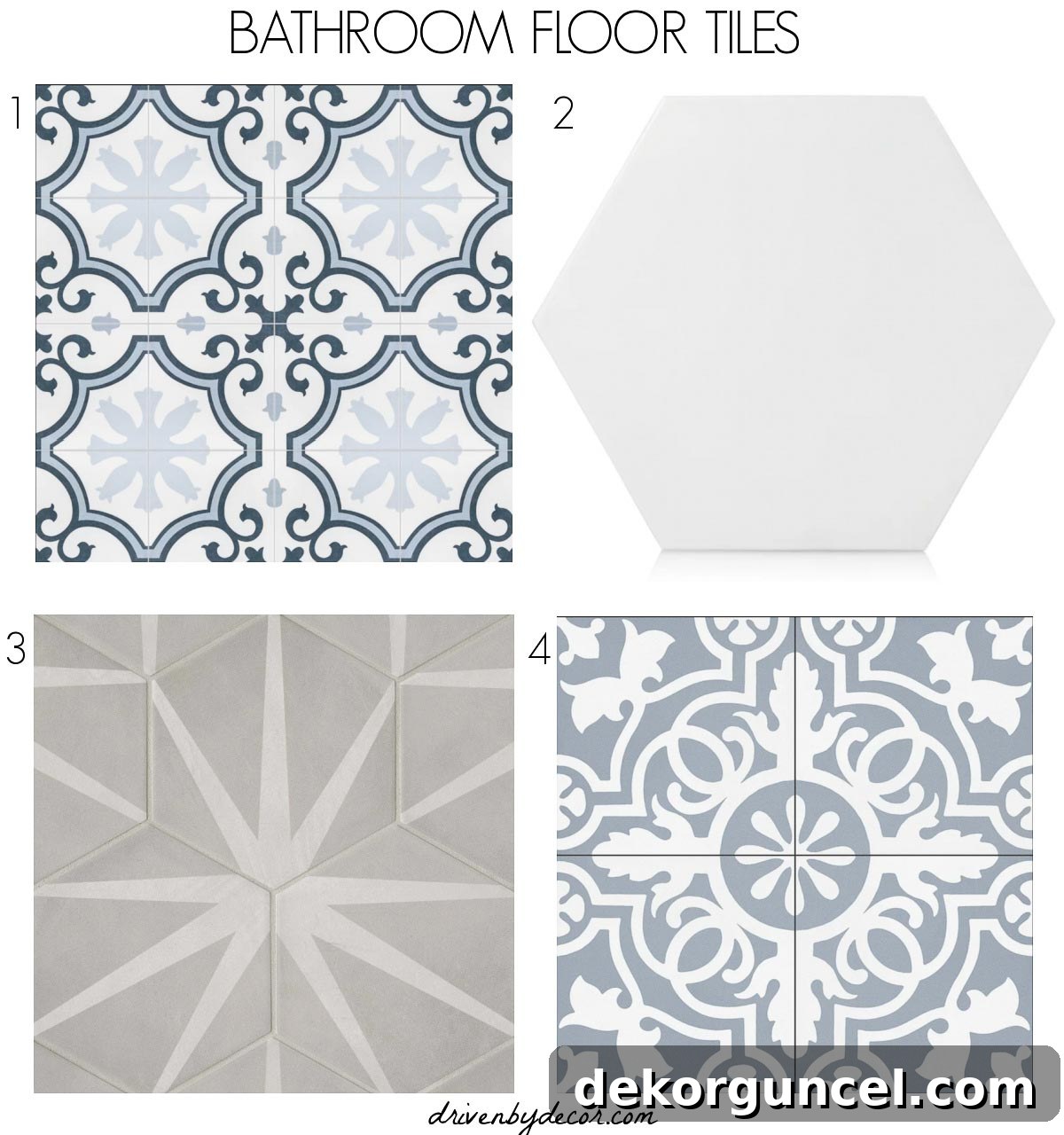
Tile options: 1. Gray & blue patterned tile | 2. Large white hexagon tile | 3. Star pattern gray hexagon tile | 4. Blue & white Moroccan tile
Each of these choices presented its own appeal. The patterned tiles, for example, offered a vibrant injection of personality, perfect for a space that needed a playful touch. However, I often find that highly patterned tiles, while stunning initially, can sometimes feel overwhelming in a smaller space or potentially date more quickly than a timeless design. The large white hexagon, on the other hand, exuded classic simplicity, offering a clean canvas that would allow other bathroom elements to shine. Yet, I wondered if it might be *too* simple, lacking that subtle spark I was seeking.
Just when I thought I had exhausted my options, I stumbled upon {this particular hexagon tile}, and it immediately captured my attention. It struck the perfect balance I had been searching for:
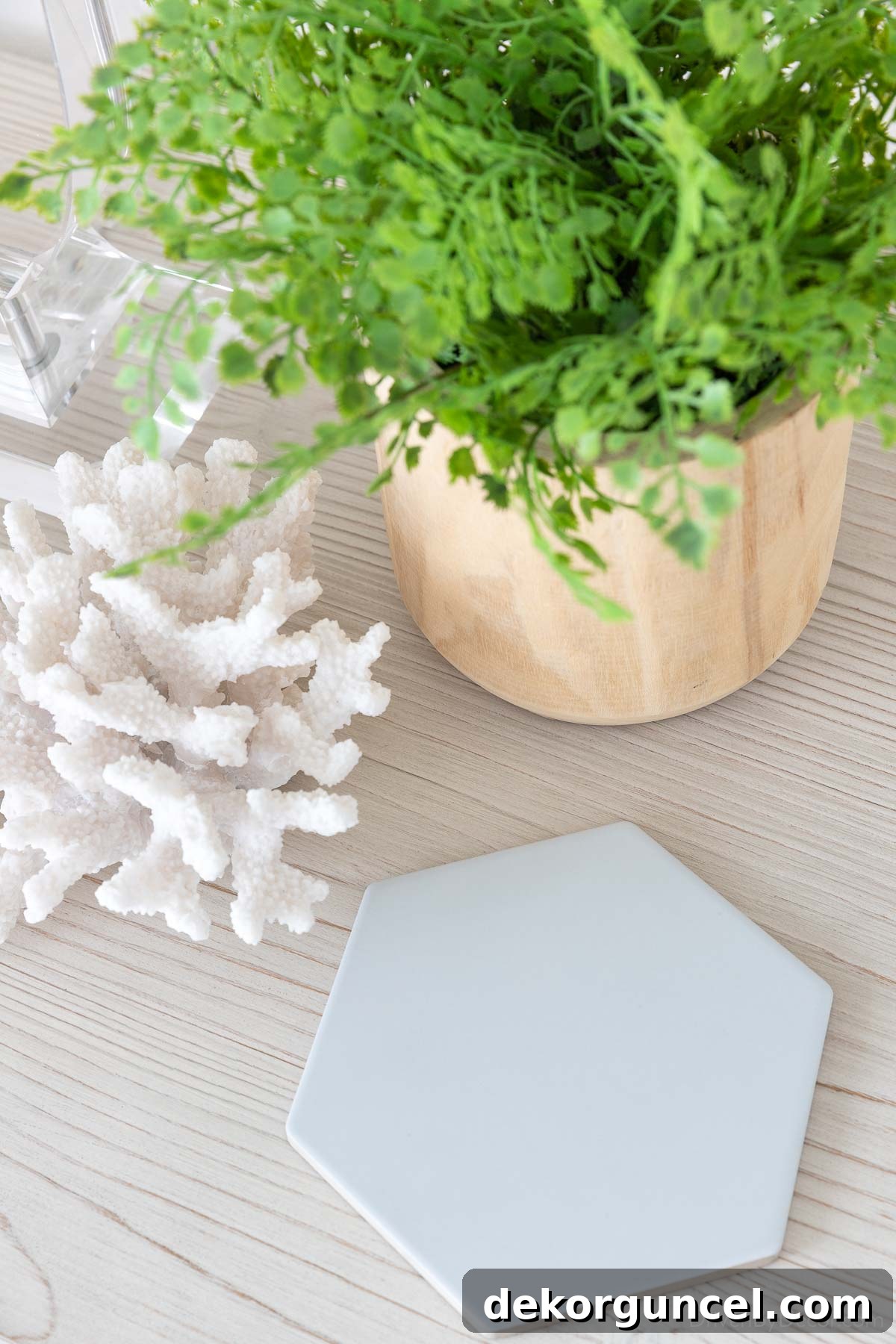
This tile, with its unique characteristics, felt like the missing piece of the puzzle. It offers more visual intrigue than a plain white hexagon, introducing subtle depth without the risk of becoming overwhelming or quickly outdated like some of the more elaborate patterns. The color, officially named “grigio chiaro,” translates to light gray, but what truly makes it special is its soft, ethereal blue-green undertone. This particular hue makes the tile a true chameleon, adapting its appearance beautifully to various lighting conditions. In bright daylight, it might present as a serene gray, while under artificial light or on a cloudy day, hints of soothing blue or calming green emerge. This dynamic quality adds an unexpected layer of sophistication and ensures the bathroom will always feel fresh and inviting, providing a versatile foundation that complements a wide range of decor styles.
You might have noticed a pattern emerging: all of my final contenders for the girls’ bathroom floor tile are porcelain, a stark contrast to the ceramic tile, like {this gray floor tile}, that I ultimately selected for our master bathroom remodel. This raises an important question: why the differing preferences between the two projects? Why was I perfectly content with ceramic tile for our master bathroom, yet felt strongly about using porcelain for the girls’ space? The answer lies in the fundamental differences between porcelain and ceramic tile, and how these properties align with the specific demands and expected usage of each bathroom. Understanding these distinctions is key to making the best tile selection for any renovation project.
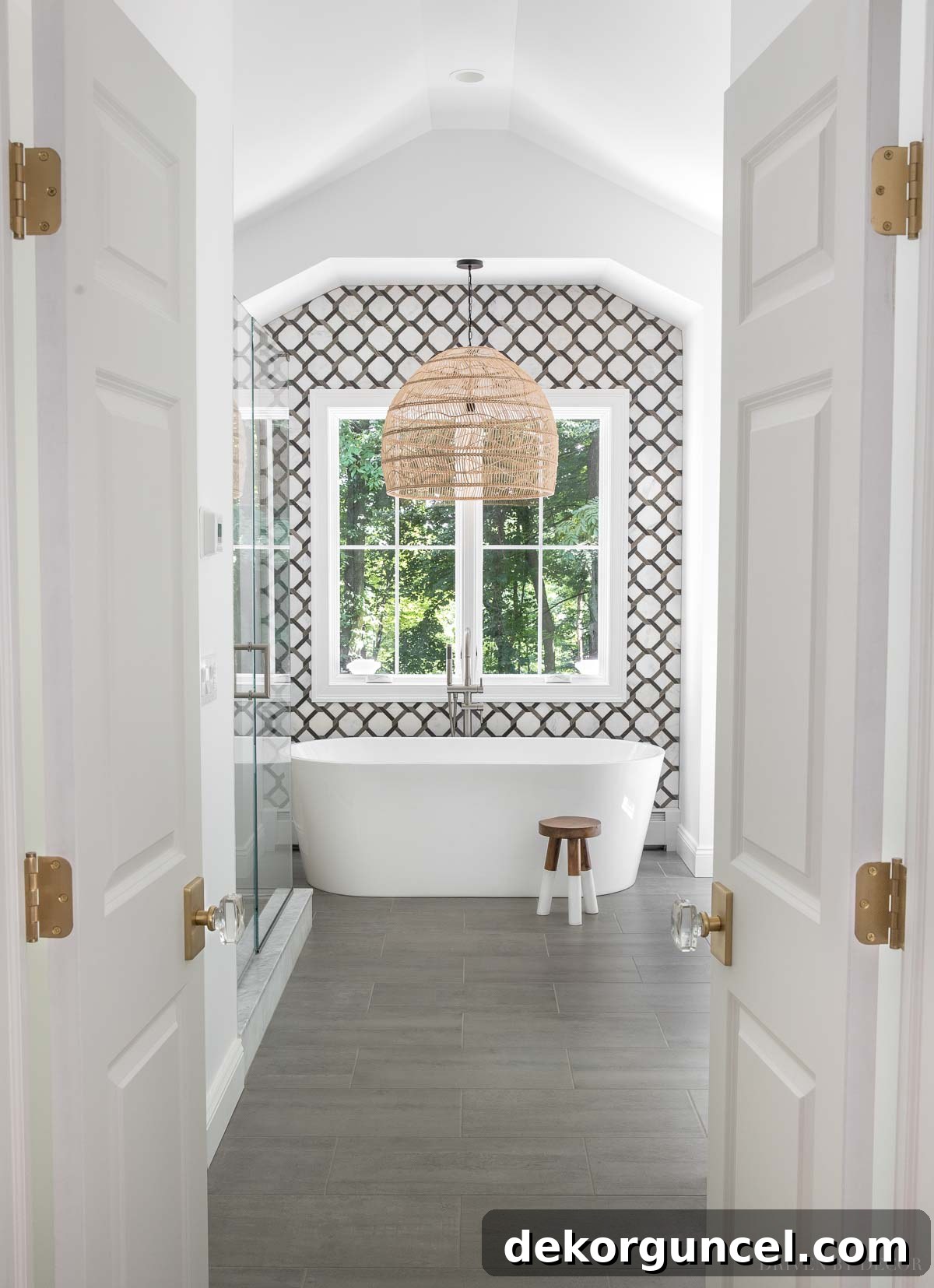
Other Master Bathroom Sources: Door knobs | Woven pendant | Freestanding bathtub | Tub filler | Dipped leg stool | Wall tile
Let’s dive deeper into the world of porcelain vs. ceramic tile, exploring their manufacturing processes, inherent characteristics, and ideal applications. This detailed comparison will illuminate why one might be a superior choice over the other depending on your project’s unique requirements, budget, and traffic expectations.
Porcelain vs. Ceramic Tile: A Comprehensive Guide to Choosing the Right Material
When it comes to selecting hard-wearing and aesthetically pleasing surfaces for your home, especially in moisture-prone areas like bathrooms and kitchens, ceramic and porcelain tiles are consistently at the top of the list. While they may look similar to the untrained eye, their underlying compositions and manufacturing processes result in distinct characteristics that make each better suited for specific applications. Understanding these differences is paramount to making an informed decision that ensures both beauty and longevity for your renovation.
Manufacturing and Composition: The Core Difference
The primary distinction between porcelain and ceramic tile lies in their composition and how they are fired. Both are part of the broader ceramic family, made from clay and other natural materials. However, porcelain tiles are typically made from a denser, more refined clay mixture, often including kaolin, feldspar, and quartz. They are then kiln-fired at significantly higher temperatures and for longer durations than ceramic tiles. This intense firing process vitrifies the clay, making porcelain exceptionally dense, less porous, and incredibly strong.
Ceramic tiles, by contrast, are made from a coarser clay, fired at lower temperatures. This results in a softer, more porous body. Most ceramic tiles are finished with a durable glaze that provides color, pattern, and a protective surface, while the body beneath remains less dense.
Durability and Longevity: Withstanding the Test of Time
- Density & Water Absorption: One of porcelain’s most significant advantages is its low water absorption rate. Due to its dense, vitrified body, porcelain tile absorbs less than 0.5% of water, making it virtually impervious. This characteristic is critical for areas exposed to constant moisture, such as shower floors, bathroom floors, and outdoor applications, as it prevents water damage to the subfloor and inhibits mold and mildew growth. Ceramic tile, being more porous, has a higher water absorption rate (typically 0.5% to 3% or more). While glazed ceramic is water-resistant on its surface, its unglazed body can absorb water if the glaze is compromised.
- Stain Resistance: Directly linked to its low porosity, porcelain tile is highly resistant to stains. Liquids and spills struggle to penetrate its dense surface, making it easier to clean and maintain its pristine appearance. Ceramic tile, especially if the glaze is chipped, can be more susceptible to staining due to its porous body.
- Wear and Tear (PEI Rating): The Porcelain Enamel Institute (PEI) rating scale indicates a tile’s resistance to abrasion and foot traffic. Porcelain tiles generally achieve higher PEI ratings (Class 3 to 5), signifying their suitability for moderate to heavy commercial and residential traffic. Ceramic tiles typically fall into lower PEI classes (Class 1 to 3), making them ideal for light to moderate residential use. For a high-traffic area like a kids’ bathroom, a higher PEI rating found in porcelain offers superior long-term performance.
- Impact Resistance: While both types of tile are hard, porcelain’s density often translates to better resistance against chips and cracks from dropped objects. In a busy family bathroom where items are frequently dropped, this added resilience is a major benefit.
Aesthetic Considerations and Repair
- Glaze vs. Through-Body Color: Most ceramic tiles feature a colored or patterned glaze applied to their surface. If a ceramic tile chips, the underlying, often different-colored clay body is exposed, making the damage quite noticeable. In contrast, many porcelain tiles are “through-body,” meaning their color runs consistently throughout the entire thickness of the tile. If an unglazed or through-body porcelain tile chips, the damage is far less conspicuous because the exposed material matches the surface color, seamlessly blending in. This is a significant advantage in high-traffic or kid-friendly areas where minor accidents are more likely.
- Design Versatility: Both ceramic and porcelain offer incredible design versatility, mimicking natural stone, wood, concrete, or featuring intricate patterns. However, porcelain’s strength allows for larger format tiles and thinner profiles, expanding design possibilities. The ability of manufacturers to create highly realistic textures and visuals is impressive in both categories.
Installation and Cost: Practical Considerations
- Cutting Difficulty: Porcelain tile’s exceptional hardness and density make it significantly more challenging to cut than ceramic tile. Installing porcelain typically requires a wet saw equipped with a diamond blade, along with specialized tools and techniques. While professional tile installers are adept at working with both materials, DIY enthusiasts might find ceramic tile, which can often be cut with a simple snap cutter, much easier to handle. This difference can impact installation time and labor costs.
- Cost: Generally, porcelain tile is more expensive than ceramic tile, both in terms of initial material cost and potentially installation due to the specialized tools and expertise required. However, when considering the long-term durability and lower maintenance, the initial investment in porcelain can often pay dividends over its lifespan.
Which Tile is Best for Your Bathroom?
Overall, porcelain tile is often considered the superior choice for bathrooms, particularly those with heavy use or high moisture levels, due to its unparalleled durability, low water absorption, and stain resistance. If your budget allows, and you find a porcelain tile that aligns with your aesthetic vision, it’s typically the safest and most long-lasting option.
However, ceramic tile can absolutely be a suitable and beautiful choice for certain bathrooms. It’s an excellent option for areas where budget is a primary concern, or in bathrooms that don’t experience extensive standing water or frequent heavy impacts. This is why I felt comfortable using ceramic tile in our master bathroom; it’s a space primarily used by adults, with less potential for spills and dropped items. Although I would have ideally preferred porcelain, I couldn’t find a porcelain tile that I loved as much as the chosen ceramic for that specific design. For the girls’ bathroom, however, the decision swung firmly towards porcelain. Anticipating spills, splashes, and the general energetic use from children, prioritizing the enhanced durability, water resistance, and easier maintenance of porcelain was a clear choice. It’s about matching the right material to the specific demands of the space, ensuring both beauty and practicality for years to come.
The Final Choice: A Timeless and Durable Solution
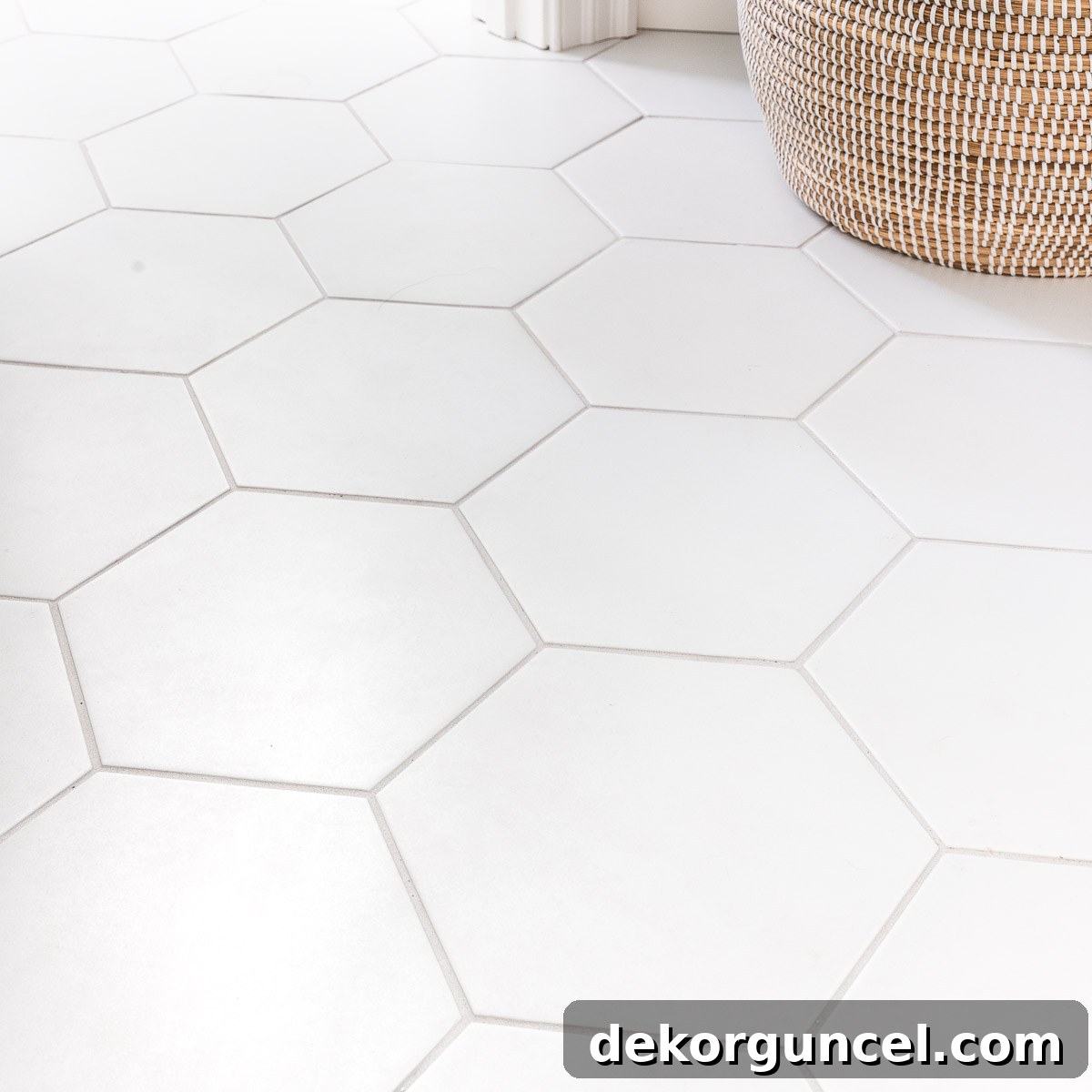
After much deliberation, weighing the aesthetic appeal of various designs against the practical demands of a busy children’s bathroom, I made my final selection. I ultimately decided on {this large white hexagon tile}. While I initially considered a hexagon with a subtle color variation, the crisp white option offered an unparalleled sense of timelessness and versatility, perfectly complementing the chameleon-like qualities of the wall color I had also envisioned. I am absolutely thrilled with how it turned out; it strikes the perfect balance between classic design and playful geometry, creating a bright, clean, and durable foundation for the space.
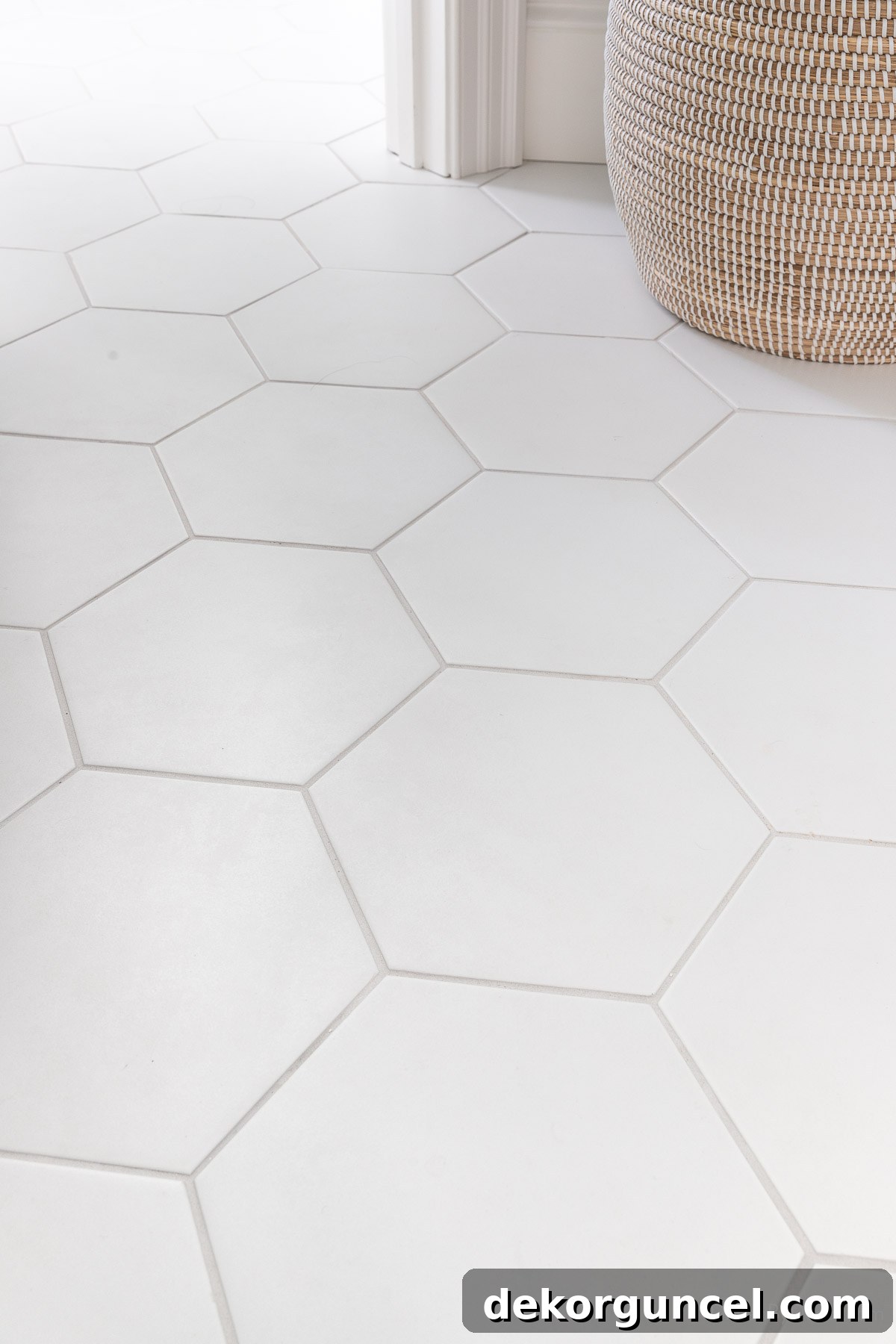
The selection of this specific porcelain tile not only meets my aesthetic desires for a classic yet interesting floor but also fulfills the crucial requirement for durability and ease of maintenance in a high-traffic kids’ bathroom. Its robust nature ensures it will withstand daily wear and tear, spills, and splashes, while its simple design ensures it will remain stylish for many years. To see the full scope of this exciting transformation, including all the other design elements that brought this space to life, be sure to check out our complete jack and jill bathroom remodel reveal. You won’t want to miss the stunning before-and-after!
With the tile decision finalized and the project moving forward beautifully, I hope this detailed comparison of porcelain and ceramic tiles provides valuable insights for your own home renovation adventures. Making informed choices about materials is crucial for creating spaces that are not only beautiful but also functional and long-lasting.
XO,
