
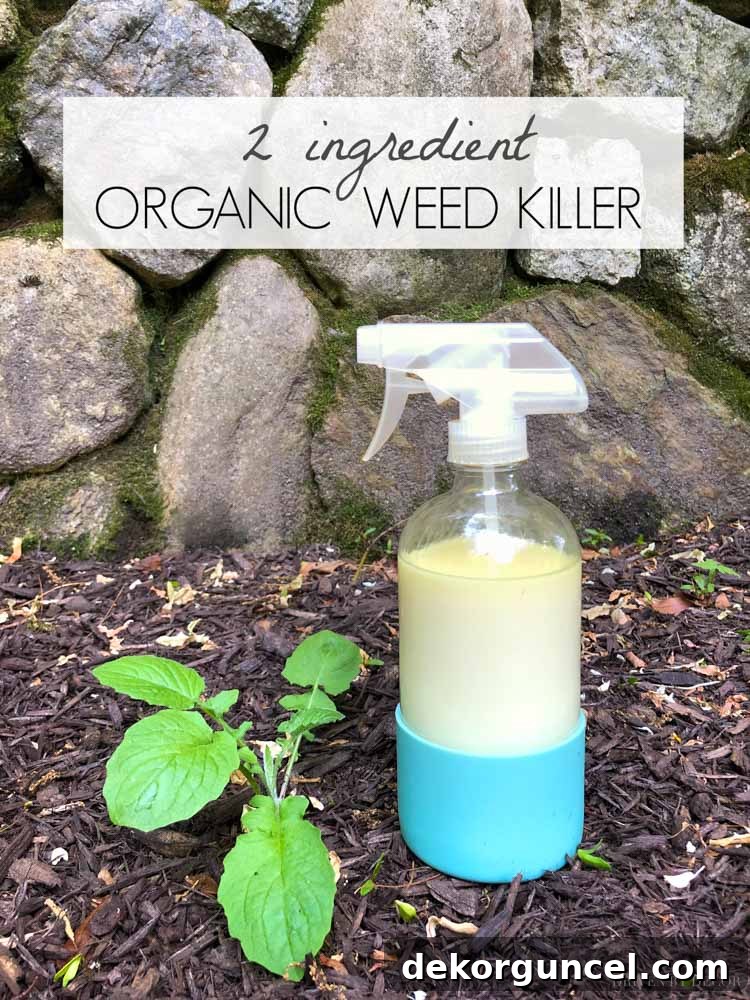
Discover the secret to a naturally beautiful garden with our powerful, two-ingredient organic weed killer. Easy to make, effective, and environmentally friendly!
For many homeowners, the battle against garden weeds is a perpetual challenge. While maintaining a lush landscape brings immense satisfaction, keeping invasive weeds at bay often feels like an uphill struggle. In our Connecticut home, where mild summers provide the perfect conditions for thriving gardens, weeds unfortunately flourish with equal vigor. This ongoing fight led me to reconsider traditional weed control methods. Previously, I might have reached for conventional chemical weed killers from the hardware store. However, with our home relying on well water and a growing personal commitment to environmental stewardship, I’ve become increasingly wary of introducing harsh chemicals into our ecosystem and potentially our drinking water.
Over the past several years, I’ve dedicated time to experimenting with various homemade and organic weed killer formulas. After numerous trials, I’m thrilled to share the recipe that has consistently delivered the best results for me. This potent, yet natural, solution is not only effective but also aligns perfectly with a sustainable gardening approach. (Please note: This post includes affiliate links, meaning I may earn a small commission if you make a purchase through them, at no extra cost to you. See my full disclosure statement here.)
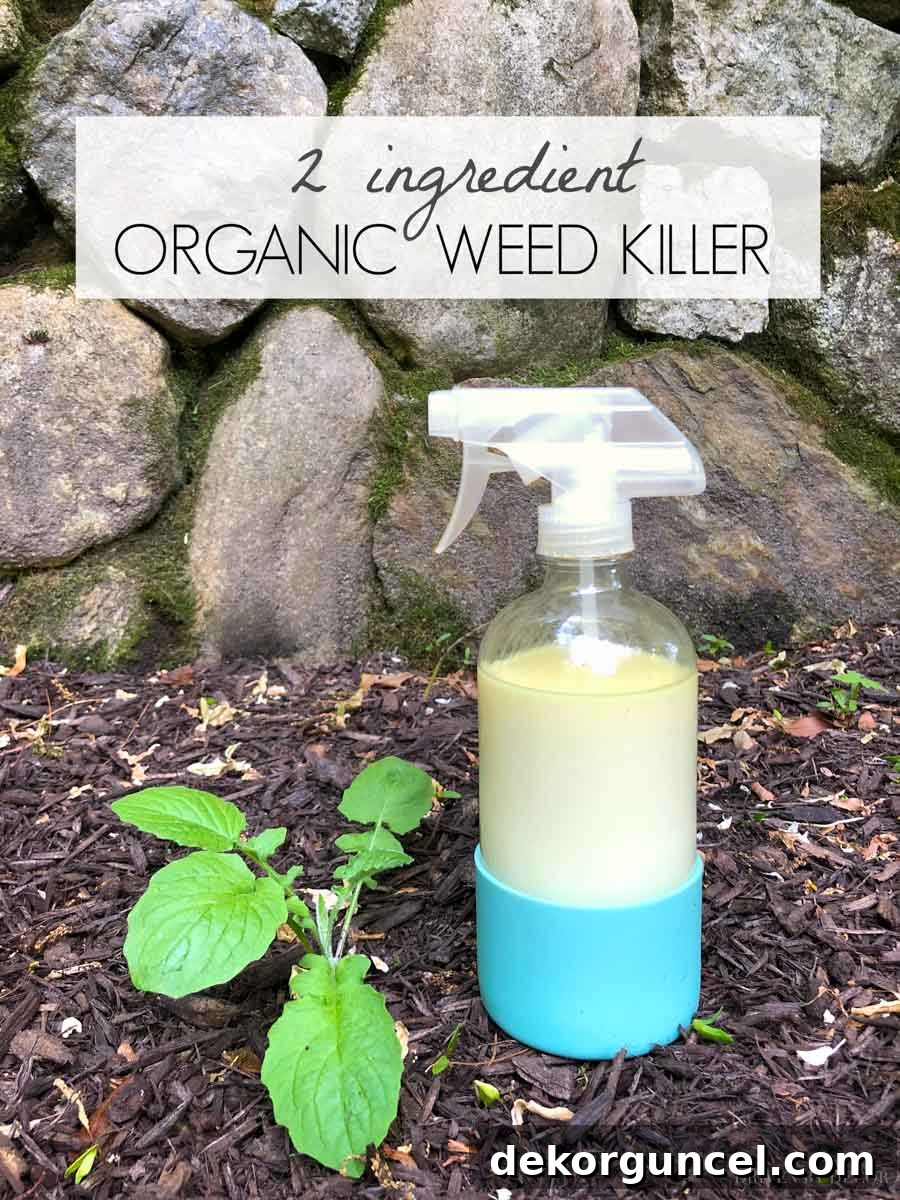
Unleashing Nature’s Power: The Ultimate Organic Weed Killer Recipe
My journey to an effective, eco-friendly weed control solution led me to a surprisingly simple yet incredibly potent formula. What I love most about this organic weed killer is its straightforwardness – it requires just two key ingredients. These aren’t your everyday household items, but specialized versions that deliver superior results compared to their milder counterparts, making this a truly effective DIY weed killer.
Essential Ingredients for Your DIY Organic Weed Control:
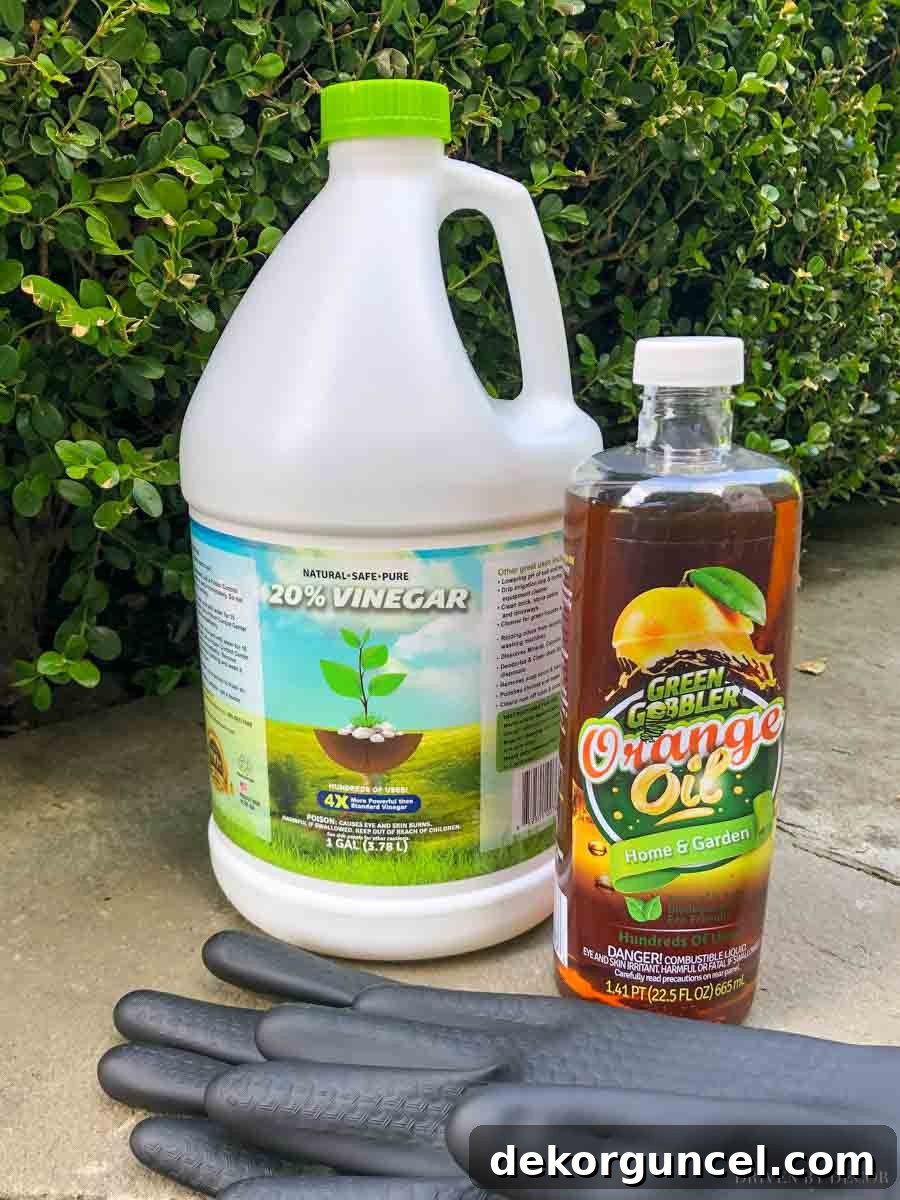
- 20% Concentrated Horticultural Vinegar: This is not your standard grocery store white vinegar (which typically has 5% acetic acid). Horticultural vinegar is approximately four times more concentrated, making it significantly more effective at breaking down plant tissues on contact. Its higher acetic acid content acts as a powerful desiccant, drying out weeds quickly. You can often find it at garden supply stores, agricultural suppliers, or easily order it online for convenient delivery.
- Orange Oil Concentrate: This powerful citrus extract, primarily D-limonene, acts as a natural desiccant and solvent. When applied, it helps to break down the waxy cuticle of plant leaves, allowing the concentrated vinegar to penetrate more effectively and accelerate the drying process. Beyond its functional benefits, orange oil also gives the spray a pleasant, fresh aroma and boosts its overall weed-killing capabilities, making it a crucial component of this natural weed killer.
Mixing and Applying Your Homemade Organic Weed Killer Safely and Effectively
Before diving into the mixing process, it’s crucial to understand that 20% horticultural vinegar is extremely potent. Its high concentration is precisely why it’s so effective at eradicating stubborn weeds, but it also demands respect and careful handling. This strong acid can cause irritation or burns to your eyes and skin if proper precautions are not taken. Always read the safety instructions and warnings on the product label thoroughly before use. When mixing and applying this natural weed killer solution, ensure you wear appropriate personal protective equipment, including safety goggles, chemical-resistant gloves (I highly recommend durable ones like these chemical-resistant gloves), and long-sleeved clothing to protect your skin from accidental splashes or contact.
The optimal ratio for this powerful organic weed killer is approximately one gallon of 20% horticultural vinegar combined with one cup of orange oil concentrate. To prepare the mixture, carefully remove about one cup of vinegar from a new gallon container. Then, pour one cup of orange oil concentrate directly into the remaining vinegar in the gallon jug. Secure the cap tightly and shake the container vigorously for several minutes to ensure the two ingredients are thoroughly mixed. Once blended, transfer the solution to a suitable spray bottle. I highly recommend using glass spray bottles, such as these options, or another type of heavy-duty, chemical-resistant sprayer. Over time, the corrosive nature of 20% vinegar can degrade and even eat away at typical plastic spray bottles and containers, making a robust sprayer a worthwhile investment for longevity, safety, and consistent application of your homemade weed killer.
Important Safety Reminders Post-Application:
Due to the high strength of the vinegar, it’s essential to keep children and pets away from any areas that have been sprayed until the solution has completely dried. Direct contact with wet, concentrated vinegar can cause irritation. Once the spray has dried, it typically poses minimal risk, making it a pet-safe weed killer in dry form. For those who won’t be using the spray frequently, consider removing the sprayer mechanism from the bottle after each use. Rinse the sprayer thoroughly with water and then cap the bottle. This simple step helps prevent corrosion of the sprayer over time, extending its lifespan and ensuring it’s ready for your next weeding session.
Exploring Alternative Organic Weed Control: The Pantry Power Solution
While the 20% vinegar and orange oil combination is my preferred method for its superior efficacy, I understand that some individuals may prefer an alternative due to the precautions required with concentrated vinegar. If you’re looking for a gentler, more readily available option, you can create an effective weed killer using common household ingredients. This “pantry power” solution utilizes standard white vinegar, table salt, and liquid dish soap.
To prepare this alternative mix, fill an empty 32-ounce spray bottle almost entirely with standard white vinegar (5% acetic acid). Add ¼ cup of table salt and stir or shake the bottle until the salt is completely dissolved. Finally, mix in two teaspoons of liquid dishwashing soap, such as Dawn. Shake the bottle well before each use to ensure all ingredients are combined. This mixture was my go-to solution up until last year, and it proved effective on many common weeds. However, it does come with a few notable drawbacks that make the concentrated version superior for serious weed control:
- Not Truly Organic: The inclusion of commercial dish detergent, while enhancing the spread and adherence of the spray to weed leaves, means this solution isn’t strictly organic in its purest form. For a truly organic approach, the concentrated vinegar and orange oil is the better choice.
- Significant Soil Impact: The salt in this mixture can negatively affect soil health. While effective at killing weeds, excessive or repeated use of salt can deplete beneficial microbes, increase soil salinity, and change soil composition, potentially preventing desirable plants from growing in that treated spot for years to come. This could be a significant issue if you plan to plant in the same area in the future, making it less suitable for garden beds.
- Slower and Less Potent: Compared to the concentrated 20% vinegar and orange oil blend, this concoction is not nearly as quick-acting or as potent. It often requires multiple applications and takes longer to show visible results, especially on tougher, more established weeds, thereby increasing your weed removal workload.
Therefore, while the 20% vinegar method demands a bit more care during mixing and application, its superior speed, effectiveness, and minimal long-term soil impact make it, in my experience, the more advantageous and truly environmentally friendly weed control solution for robust garden weed management.
Mastering Application: Tips for Achieving the Best Organic Weed Killer Results
To maximize the effectiveness of any weed spray, including our potent organic formula, timing and technique are everything. Like all weed control solutions, organic weed killers perform optimally when applied under specific environmental conditions. For the best results, always aim to spray weeds on a warm, sunny day. The sunlight and heat help the solution to dry quickly and penetrate the plant tissues more efficiently, accelerating the wilting process. Crucially, check the weather forecast to ensure there has been no recent rain and that no rain is predicted for at least the next 24 to 48 hours. Rain can wash away the spray before it has had sufficient time to work, diminishing its efficacy and requiring reapplication.
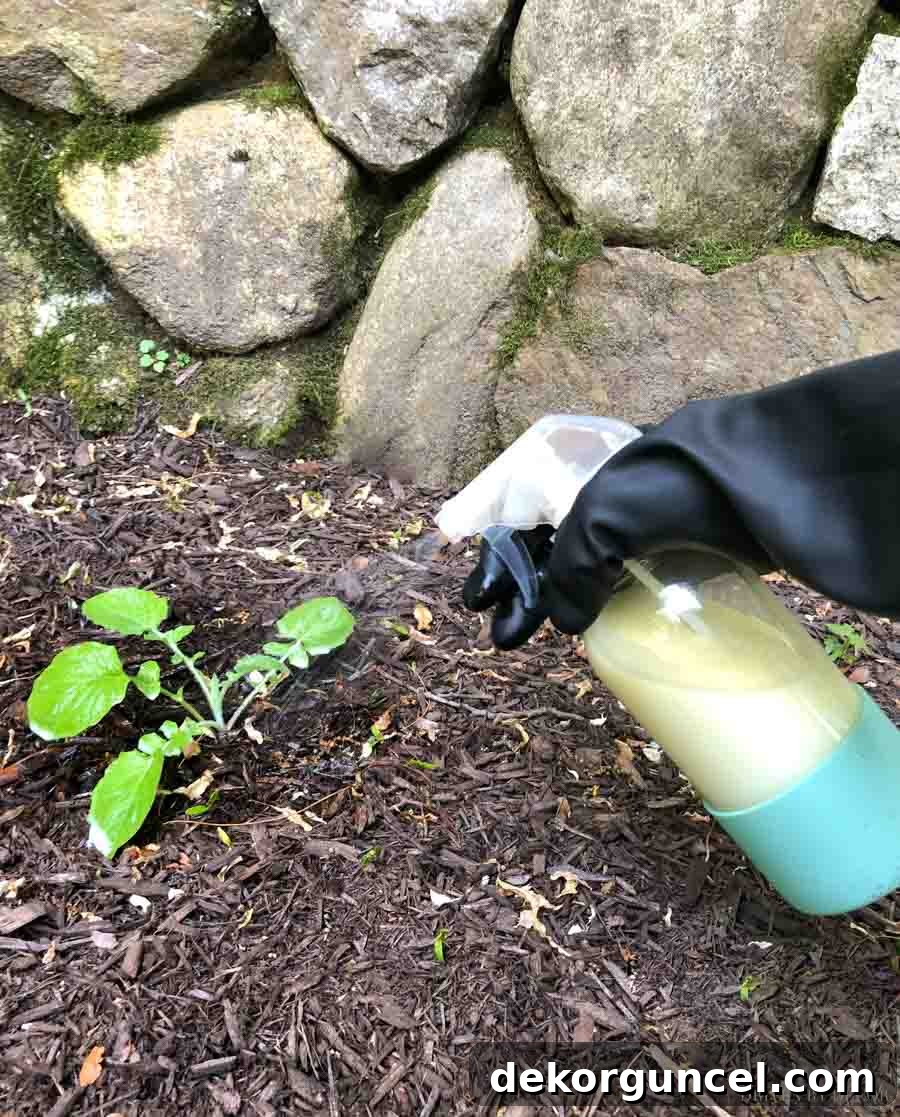
One vital consideration when using this powerful homemade weed killer spray is its non-selective nature: it will kill any plant tissue it comes into contact with, including your desirable grass, flowers, and garden vegetables. Therefore, precision is key for targeted weed removal. Be very deliberate and targeted with your spraying, aiming directly at the weed leaves and stems. Ensure you coat the entire weed, particularly its foliage, until it’s thoroughly wet but not dripping excessively. To protect nearby plants that you wish to preserve, a simple yet highly effective tip is to use a piece of cardboard or a plastic shield. Hold it between your target weed and the precious plant you want to keep safe, creating a physical barrier against any accidental overspray. This ensures your beautiful flowers and vegetables remain untouched while the weeds are effectively dealt with using your safe gardening solution.
Does Organic Weed Killer Really Work? The Proof Is In The Garden!
A common question surrounding organic weed control is whether it can truly stand up to the challenge posed by resilient weeds. While studies on various organic weed killers often indicate that they may not offer the same long-term, systemic control as some harsh chemical herbicides, I can confidently attest that this particular two-ingredient spray delivers remarkably good results. It effectively tackles a wide range of common weeds, often showing visible wilting and browning within hours of application, especially on young, tender growth. For tougher or larger weeds, a second application might be beneficial after a few days.
Beyond its effectiveness in killing weeds, the peace of mind that comes with using an organic solution is invaluable. Knowing that I’m not introducing harmful synthetic chemicals into our soil and, by extension, our well water, provides a significant sense of relief and contributes to a healthier environment. Furthermore, as a homeowner with children and a family dog, the assurance that they can play freely and safely in the yard without being exposed to potentially dangerous residues from chemical treatments is a primary benefit. Choosing organic solutions means creating a safer, healthier environment for everyone, including the beneficial insects and local wildlife that contribute to a balanced garden ecosystem. This commitment to environmentally friendly weed control makes all the difference.
Beyond Sprays: Embracing Comprehensive Organic Weed Control Strategies
While organic sprays are a fantastic tool for spot treatment and managing smaller weeds, effective weed management often involves a multi-faceted approach. For those times when you prefer not to use a spray, or for tackling larger, more established weeds, reverting to the tried-and-true method of manual weeding is an excellent organic solution. The thought of crouching or kneeling for hours to pull weeds might seem daunting, and indeed, it can be physically demanding. However, I’ve discovered a game-changing tool since moving into our current home that has revolutionized my weeding routine – a tool I honestly couldn’t imagine gardening without for efficient weed removal.
This remarkable innovation is the Fiskars Uproot Weed and Root Remover. What makes it so exceptional is its ergonomic design, allowing you to weed comfortably while standing upright, thereby saving your back and knees from strain. It’s even fun to use – so much so that my girls don’t mind lending a hand with weeding when this tool is involved! The Fiskars Uproot features four sturdy stainless steel claws arranged in a circle. You simply position these claws directly over the weed you want to remove and push them down into the ground around its base, ensuring they encompass the entire root system.
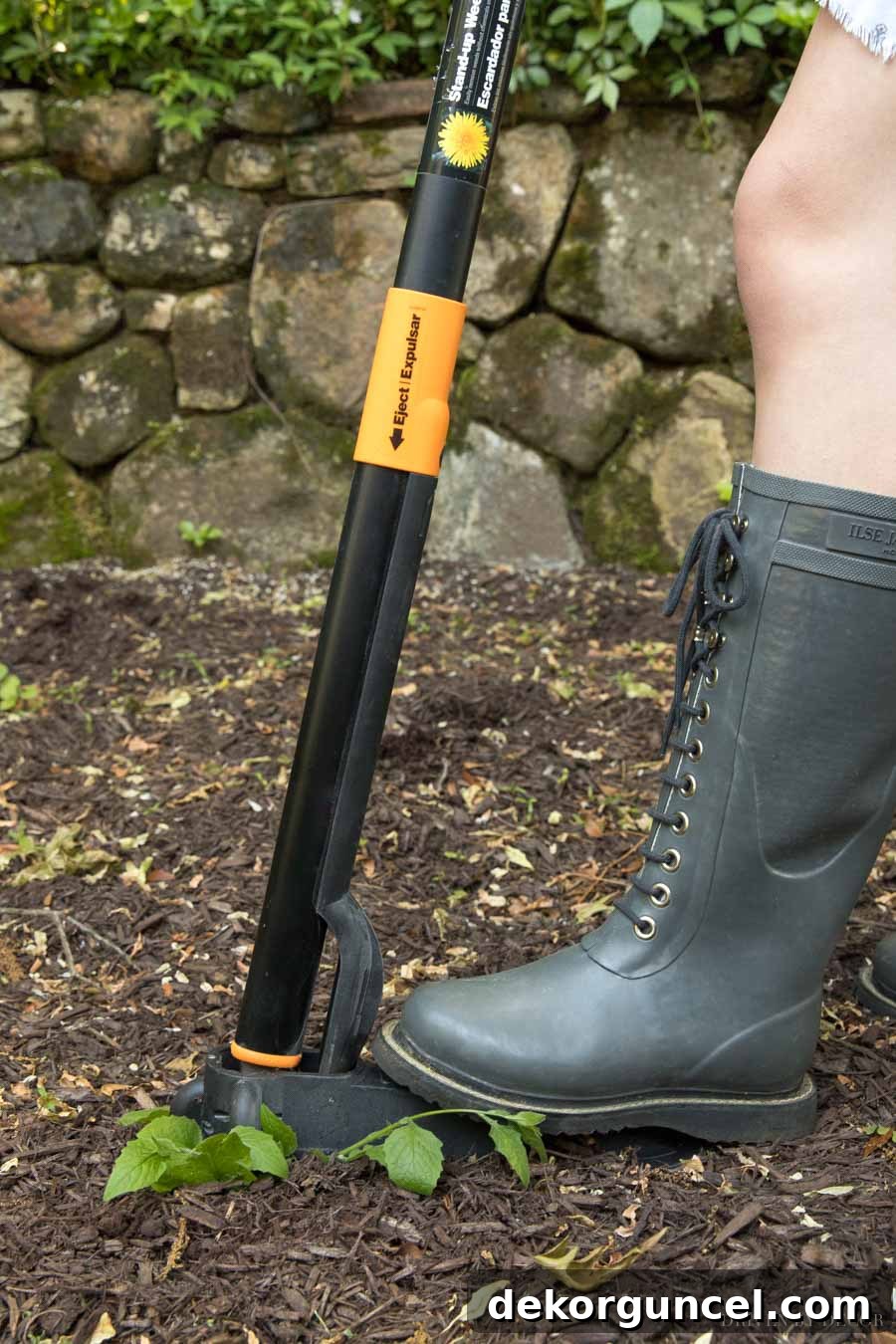
Once the claws are firmly in the soil, step on the convenient footrest and gently lean the weeder back. This clever lever action effortlessly lifts the weed, root and all, from the ground. This ensures that the entire root system is removed, which is crucial for preventing regrowth – a common frustration with superficial weeding that leaves roots behind.
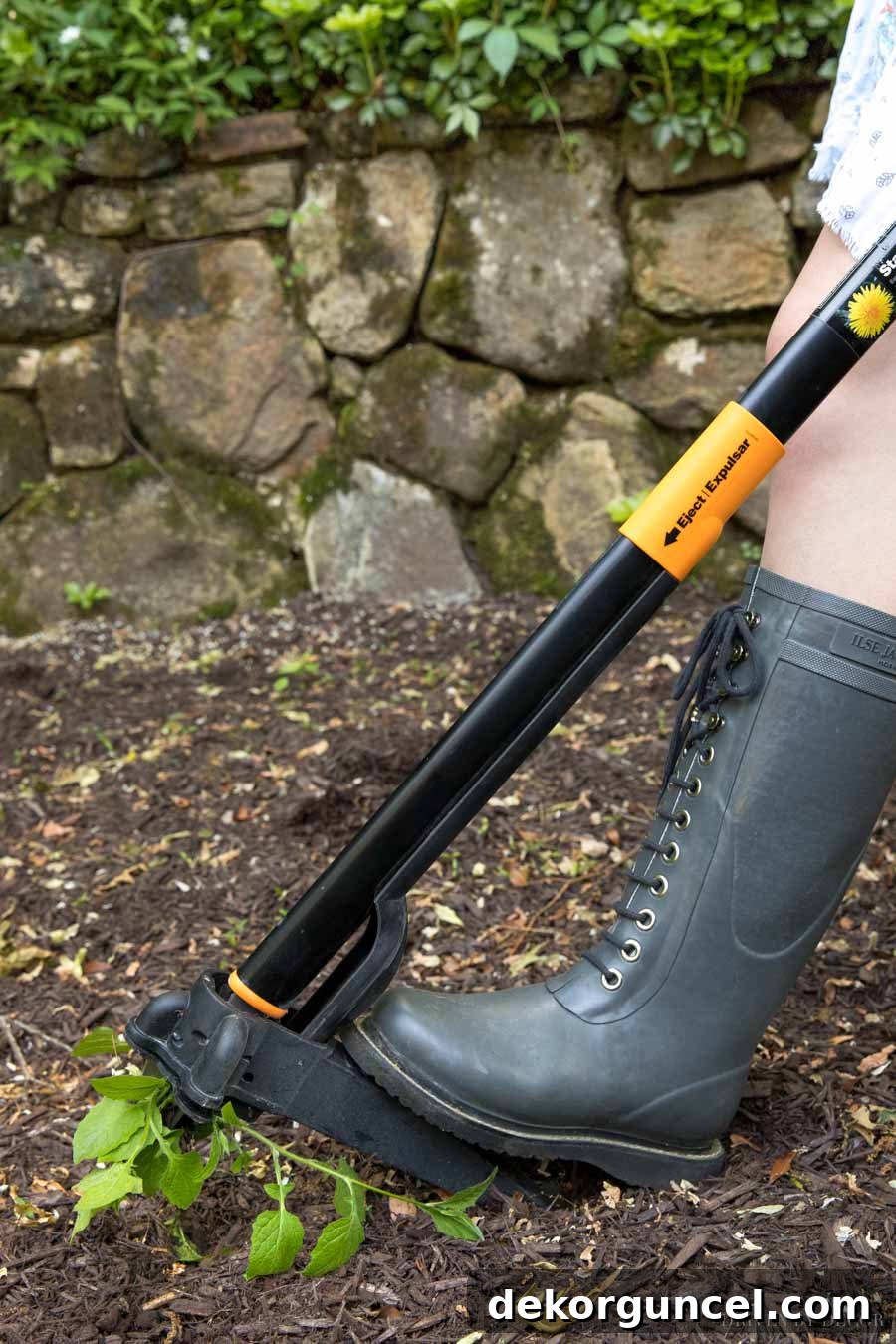
After extracting the weed, a simple push of the eject mechanism located on the handle cleanly releases the pulled weed from the tool. No need to bend down to pick up the weed or get your hands dirty! This method is vastly superior to hours of kneeling or bending, making significant weeding tasks much more manageable and enjoyable. For comprehensive weed control around our home, I typically use the Fiskars Uproot for larger, deeply rooted weeds like dandelions and then follow up by spraying the smaller, more numerous weeds with my effective organic spray. This combination of mechanical and natural chemical control provides a holistic and highly effective approach to keeping our garden pristine and practicing sustainable weed removal methods.
Beyond Removal: Proactive Weed Prevention Strategies for a Healthier Garden
While effective removal is crucial, prevention is often the best defense in organic weed control. Implementing proactive strategies can significantly reduce the number of weeds that emerge, lessening your workload over time and promoting a more sustainable garden ecosystem. Consider these additional tips for a truly weed-free and thriving garden:
- Strategic Mulching: Applying a thick layer of organic mulch (such as wood chips, straw, shredded leaves, or even compost) around your plants can suppress weed growth by blocking sunlight, inhibiting seed germination, and creating a physical barrier. Mulch also helps retain essential soil moisture, regulate soil temperature, and slowly adds organic matter back into the soil, benefiting your desired plants immensely.
- Optimal Planting Density: Plant your desirable plants at an appropriate density. When their foliage grows to create a dense canopy that shades the soil, it naturally prevents weed seeds from sprouting due to lack of light. Avoid overcrowding, however, as this can lead to other issues like poor air circulation and increased susceptibility to disease.
- Weed Early and Often: Catching weeds when they are small and young is far easier and less labor-intensive than battling mature, established ones. Regular, brief weeding sessions (even just 10-15 minutes a day) can prevent minor issues from becoming major infestations, making overall garden maintenance more manageable.
- Smart Watering Practices: Direct water precisely to your desired plants, avoiding indiscriminate watering that can encourage weed growth in unplanted areas. Utilizing drip irrigation systems or soaker hoses is excellent for this, delivering water directly to the plant roots while keeping the surrounding soil drier and less conducive to weed germination.
- Enhance Soil Health: Healthy, vibrant soil fosters strong, vigorous plants that can better outcompete weeds for resources. Regular amendments with nutrient-rich compost and other organic matter improve soil structure, aeration, drainage, and nutrient availability, creating an environment where desirable plants thrive and weeds struggle.
By integrating these proactive prevention measures with the powerful organic spray and efficient mechanical tools like the Fiskars Uproot, you can achieve a truly sustainable, beautiful, and low-maintenance garden. I genuinely hope these insights and proven methods empower you in your efforts to cultivate stunning, healthy lawns and gardens this season. Embrace the organic approach, enjoy the process, and may your outdoor spaces thrive naturally!
