
Dreaming of a bathroom that blends various metal finishes seamlessly? Discover the secrets to effortlessly mixing metals in your home, just like an interior design professional!
In contemporary home design, the art of mixing metal finishes has emerged as a captivating trend, transforming spaces from mundane to magnificent. For many, the idea of combining different metals in one room can feel daunting, often leading to a conservative “matchy-matchy” approach. My own journey into this vibrant design technique began with cautious “baby steps.” My inherent inclination was always to ensure everything matched perfectly. However, through experimentation and embracing these simple principles, I’ve found that incorporating a diverse range of metal finishes—from the cool tones of stainless steel and brushed nickel to the warm glow of gold and brass—adds incredible depth and personality to almost every space in our home. Our residences are now filled with rich neutrals, captivating textures, and, invariably, an artful blend of metal accents.
While design is inherently subjective and there are no absolute “rules” etched in stone, I’m excited to share practical tips that will empower you to confidently move beyond traditional matching. These insights will help you embark on your own journey of mixing metals, particularly in your bathroom, kitchen, and other living areas, ensuring a sophisticated and harmonious outcome. (Please note: This post may include commissionable links. For further details, see my full disclosure statement {here})
1. Master the Art of Two Metals: Consistency Through Repetition
For those new to the exciting world of mixed metal decor, a foundational principle is to select no more than two primary metal types for your room. This approach provides a clear framework, preventing the space from appearing chaotic or haphazard. While certainly, breathtaking rooms exist that defy this guideline, for anyone just beginning to explore metal mixing, limiting your palette to two distinct finishes is a wise strategy to cultivate a cohesive and intentionally designed aesthetic, rather than a mismatched jumble.
Our recent bathroom remodel serves as a perfect illustration of this principle in action. I was particularly drawn to the elegant interplay between soft brass and the subtle sophistication of brushed nickel, so these became our chosen primary metals. The key to making this combination work seamlessly was ensuring each metal appeared in multiple locations throughout the space. For instance, all our core plumbing fixtures—including the luxurious bathtub filler, the sleek shower hardware, and the modern vanity faucets—were selected in a satin or brushed nickel finish. This choice provides a consistent, cool-toned base for the functional elements of the bathroom.
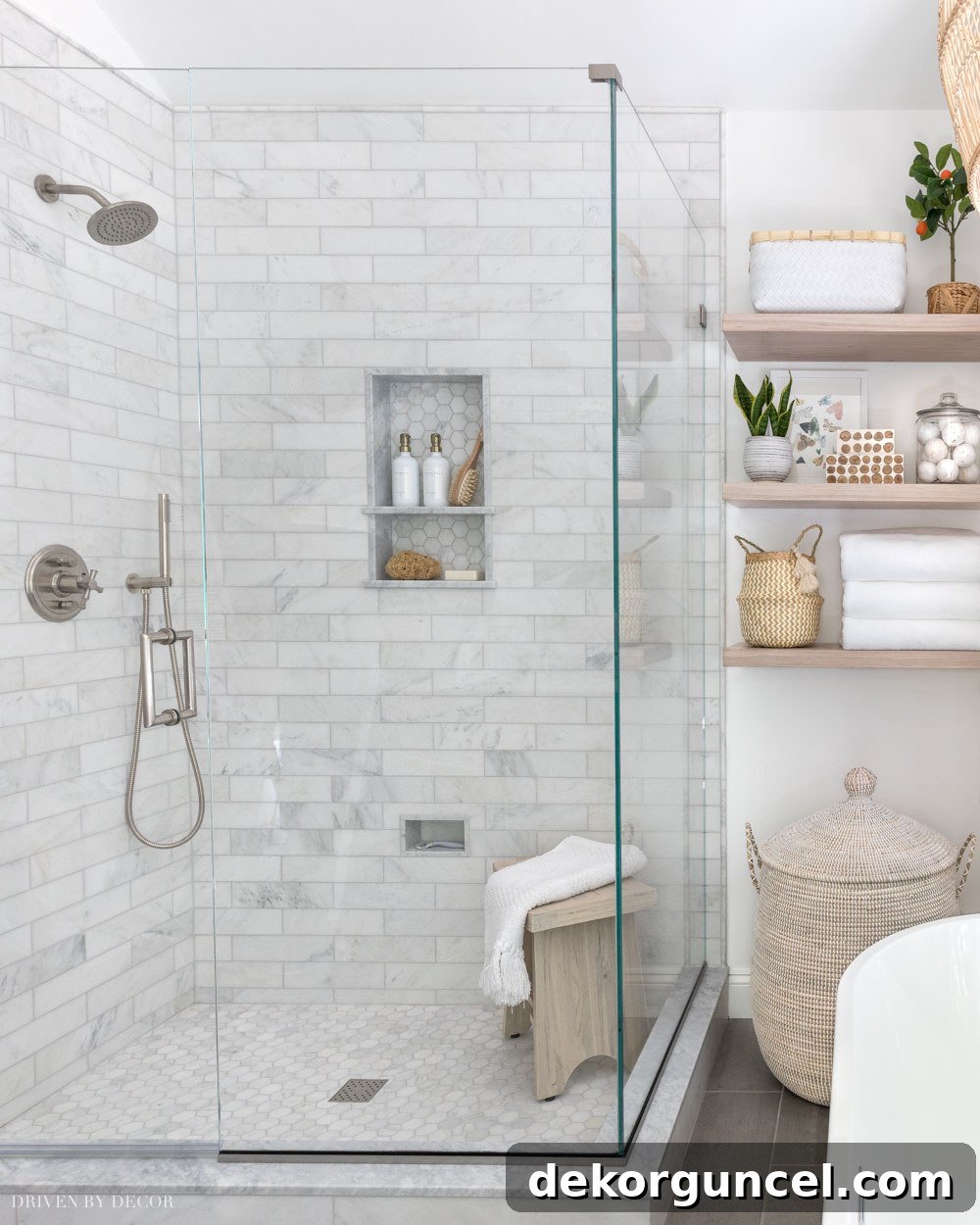
Shower Area Design Sources: Elegant Stool | Stylish Shelf Accents: Floating shelves | White woven storage basket (medium size) | Vibrant Colorful moth art print | Large Glass canister (1 gallon size) | Luxurious Bath bombs | Chic Belly basket (similar style) | Our Favorite high-quality bath towels | Spacious large lidded basket for hamper use
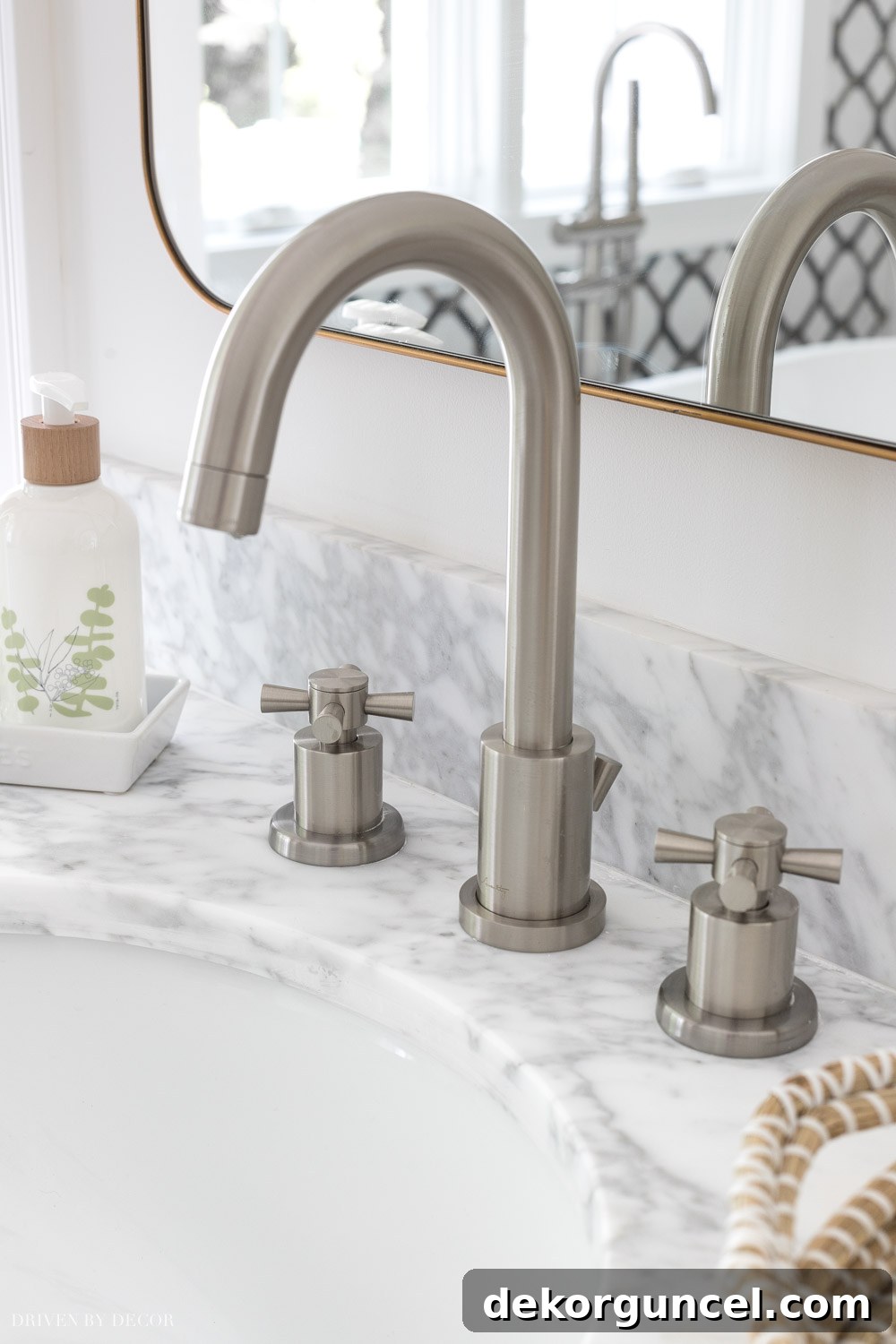
To introduce our second metal, the warmth of brass, we opted for stunning mirrors and statement vanity lights in a beautiful brass finish. This strategic placement ensures that both brushed nickel and brass are visible across different elements and areas of the bathroom, creating a dynamic yet balanced aesthetic that feels both deliberate and inviting.
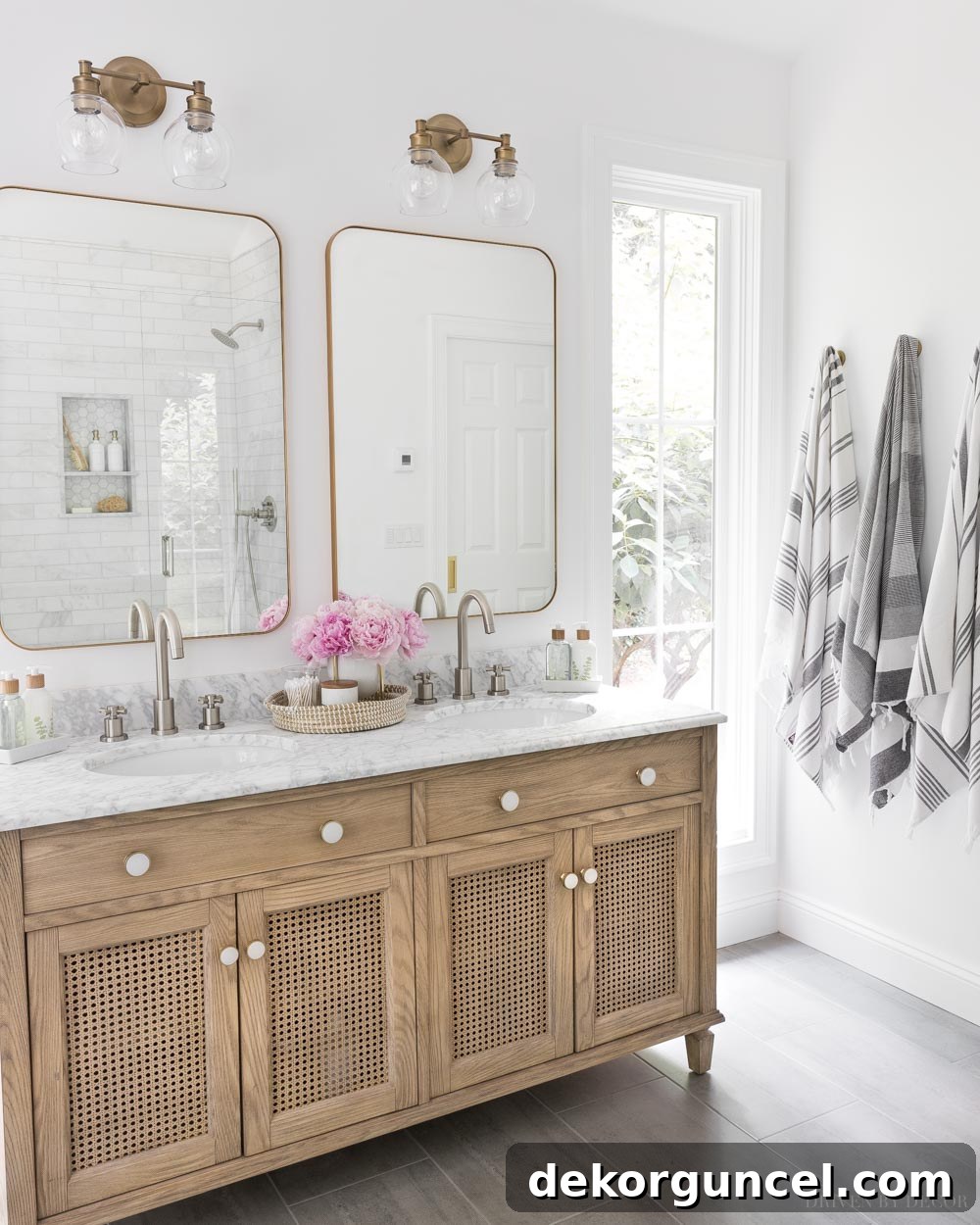
Vanity Area Decor & Fixture Sources: Elegant Wood & rattan double vanity | Stylish Vanity knobs | Modern Vanity lights | Luxurious Vanity mirrors (gold finish) | Chic Soap & lotion sink set with tray | Soft Gray & white striped towels | Golden champagne Robe hooks
2. Distribute, Don’t Concentrate: The “Sprinkle” Effect
When mixing metals, it’s crucial to think about how these finishes are distributed throughout your room. The goal is to “sprinkle” the different metals evenly, rather than clustering them in isolated sections. Imagine one side of your room being exclusively adorned with brass accents, while the opposite side features only silver tones. This creates a visual disconnect, making the space feel disjointed. Instead, aim for an integrated look where both metal types appear thoughtfully dispersed, guiding the eye smoothly across the entire room.
Even the smallest metallic accessory can play a significant role in achieving this desired balance and flow. Consider my own bathroom as an example: the vanity area successfully incorporates a beautiful blend of brushed nickel and brass elements. However, the shower, situated across the room, initially featured only brushed nickel hardware. To remedy this imbalance and introduce the warmth of brass into that specific zone, I strategically added shampoo and conditioner pumps with elegant brass tops. This minor, yet impactful, addition instantly connected the shower area to the rest of the bathroom’s mixed-metal scheme, proving that thoughtful distribution can be achieved with both large fixtures and subtle decorative pieces. The “sprinkle” effect ensures a sophisticated, harmonious environment where every metallic detail contributes to the overall design narrative.
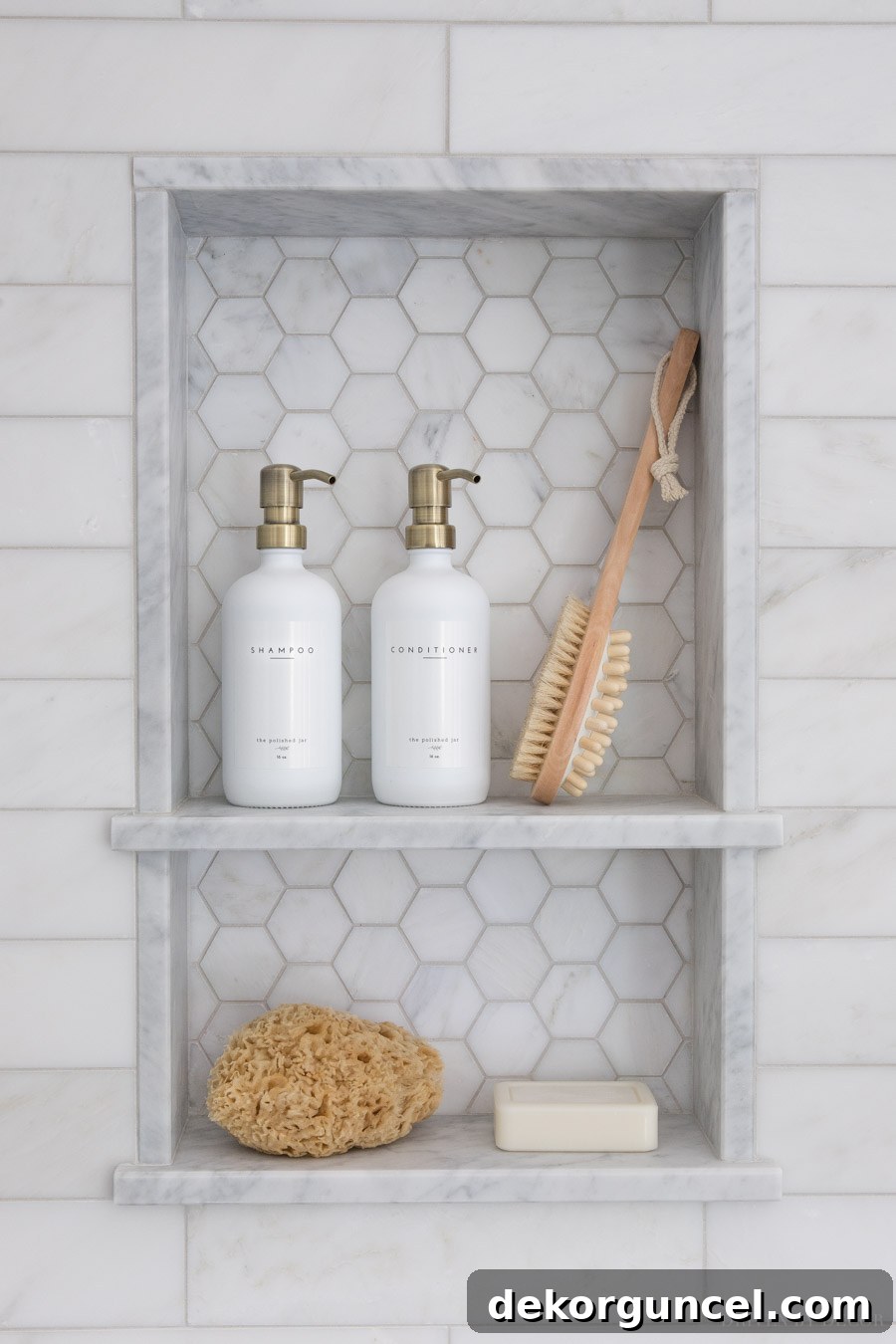
Sources: Stylish Pump bottles (16 oz white/gold) | Invigorating Body brush | Natural Sea sponge | Elegant Hexagon tile
3. Avoid Mixing Metals from the Same Color Family for Optimal Contrast
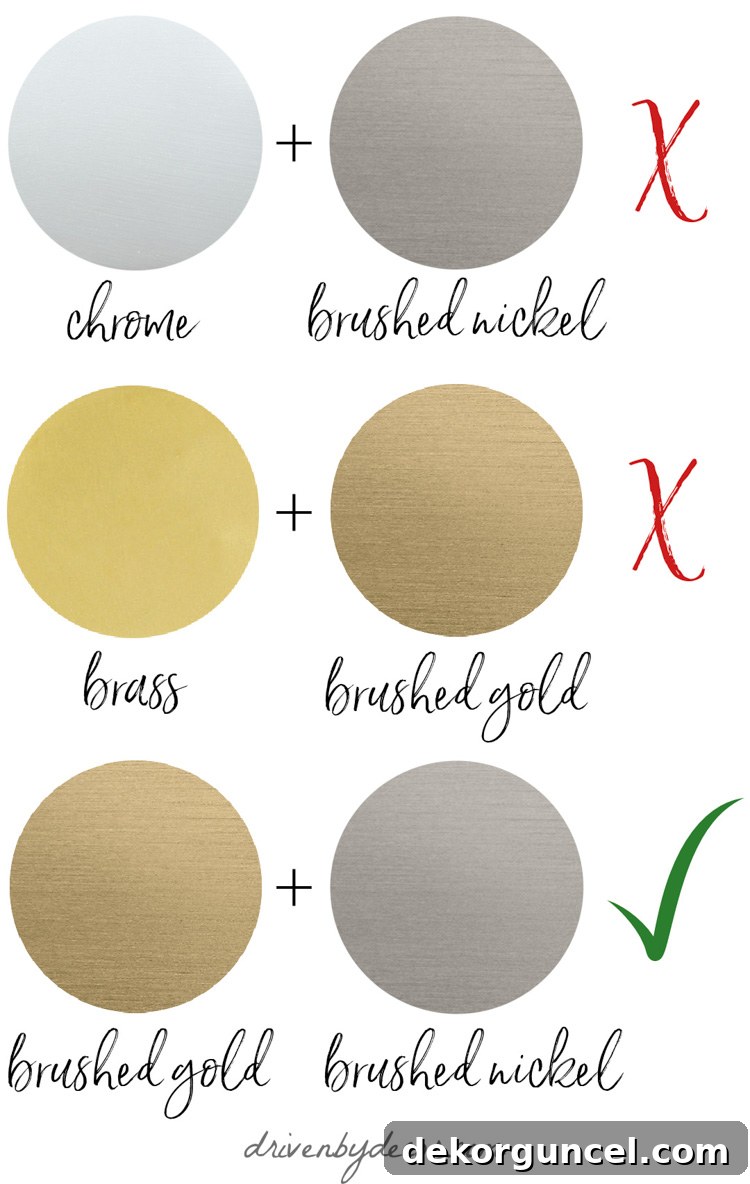
One of the most common pitfalls when venturing into mixed metal design is attempting to combine two metals that belong to the same color family but possess subtly different undertones or sheens. For instance, pairing brushed nickel with polished chrome, or shiny brass with brushed gold, often results in an unintended clash. Instead of looking intentionally mixed, such combinations can give the impression that you tried to match your metals but ultimately fell short, creating a sense of disharmony rather than design sophistication. The true essence of successful metal mixing lies in creating deliberate contrast—allowing each metal to stand out and complement its partner through clear visual distinction.
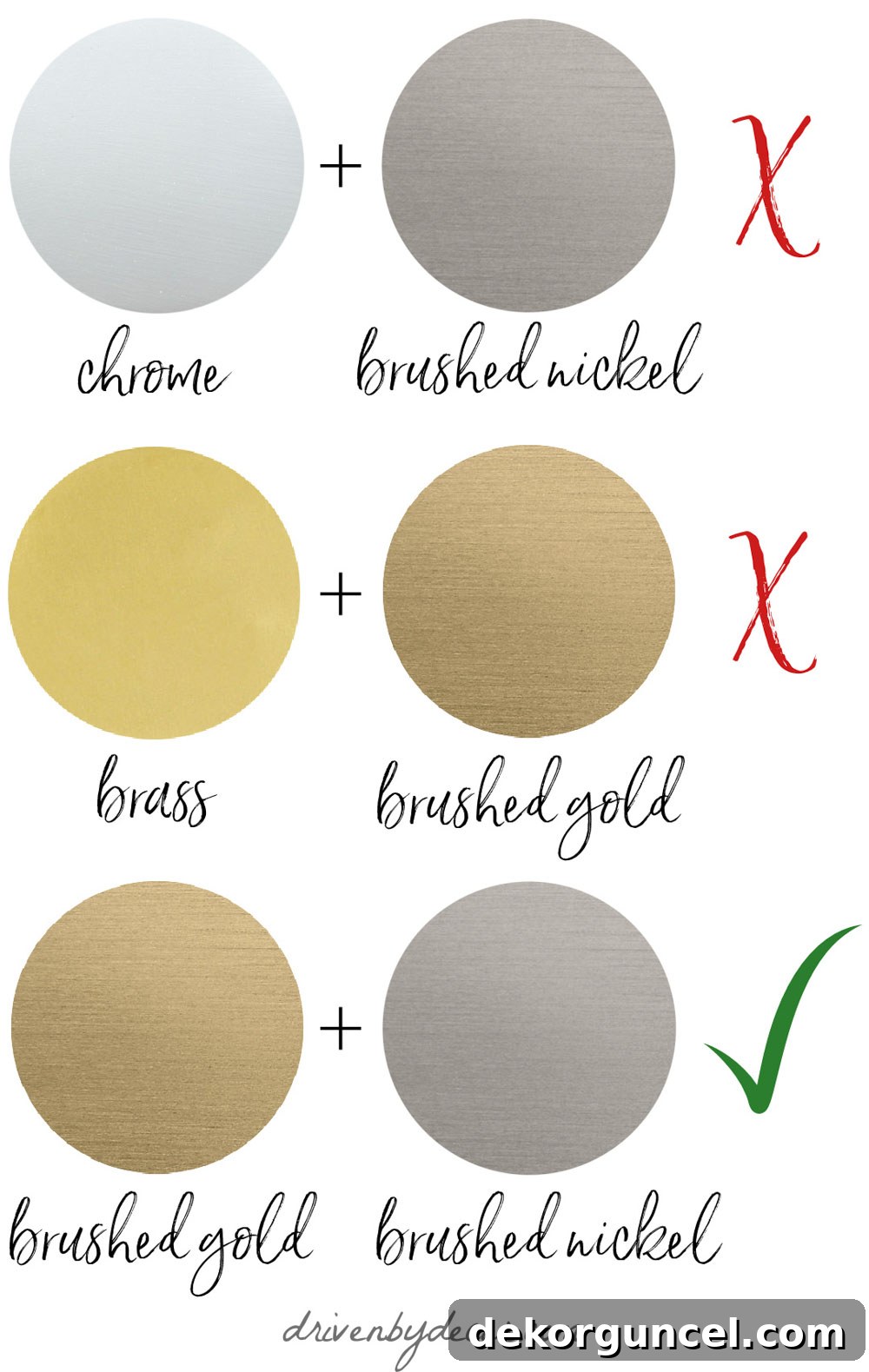
However, there are two crucial nuances to keep in mind. Firstly, slight variations in metal tone within the *same specific metal type* (e.g., two different shades of brass that are both clearly brass) are generally acceptable and can even add a layer of organic charm. In our bathroom, for example, both the mirrors and vanity lights are brass, but they aren’t perfectly identical in hue. The variation is subtle enough that it reads as intentional depth rather than a mismatch, proving that perfection isn’t always necessary for harmony. Secondly, always be aware that different brands might use wildly different names for metals that, visually, are almost indistinguishable. Therefore, prioritize what the metals *look like* in person, rather than relying solely on their descriptive names. A “satin gold” from one brand might be a dead ringer for another brand’s “soft brass.”
While I’ve seen some truly masterfully designed rooms that artfully break this “rule,” successfully pulling off such a feat typically requires a very experienced eye and a high level of design skill. For those embarking on their journey as mixed metal enthusiasts, adhering to this tip will significantly increase the likelihood of achieving a polished, sophisticated, and undeniably successful outcome in your metal mixing endeavors.
4. Dark Metals: The Universal Harmonizers in Your Palette
Embrace dark metals like iron, gunmetal, matte black, and deep bronze as your secret weapons in mixed metal design. These versatile finishes act as sophisticated neutrals, possessing an incredible ability to blend seamlessly with virtually any other metal you introduce into a space. Whether you’re pairing them with the lustrous shine of brass, the contemporary appeal of stainless steel, the classic gleam of chrome, or anything in between, dark metals provide a grounding element that enhances the overall composition.
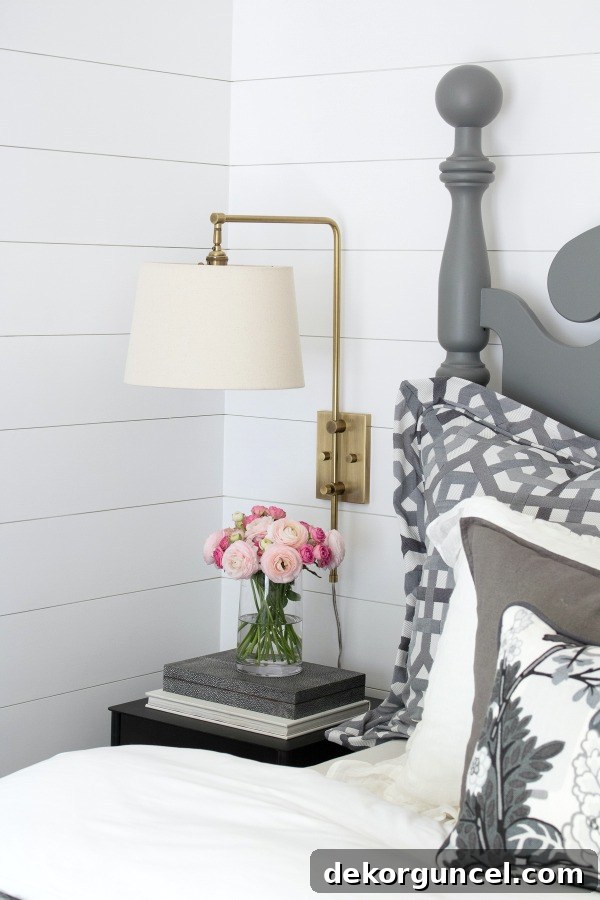
A personal favorite combination of mine is the striking contrast of black metal with the rich warmth of gold or brass. This pairing exudes a timeless elegance and industrial chic. We implemented this very combination during our master bedroom remodel, where we beautifully topped sleek black metal nightstands with elegant brass swing arm lamps. The dark nightstands provided a solid, understated foundation, allowing the brass lamps to truly pop and add a touch of refined glamour to the bedside area. This dynamic duo creates a sense of balanced sophistication and visual interest that is both modern and classic.
And speaking of breaking “rules” – did you happen to notice that in my bathroom, I actually diverged from my own advice of sticking to just two primary metals? You might not have, and that’s precisely the power of dark metals! The third metal in that space is the dark bronze chain of our captivating woven pendant light. This subtle, deep-toned element effortlessly integrates into the existing scheme of brushed nickel and brass. Its neutral, almost background presence ensures it doesn’t compete but rather complements, harmoniously blending with all the other metals in the space. Dark metals are incredibly forgiving and can be woven into a mixed-metal design without disrupting the overall balance, making them invaluable for adding depth without demanding dominant attention.
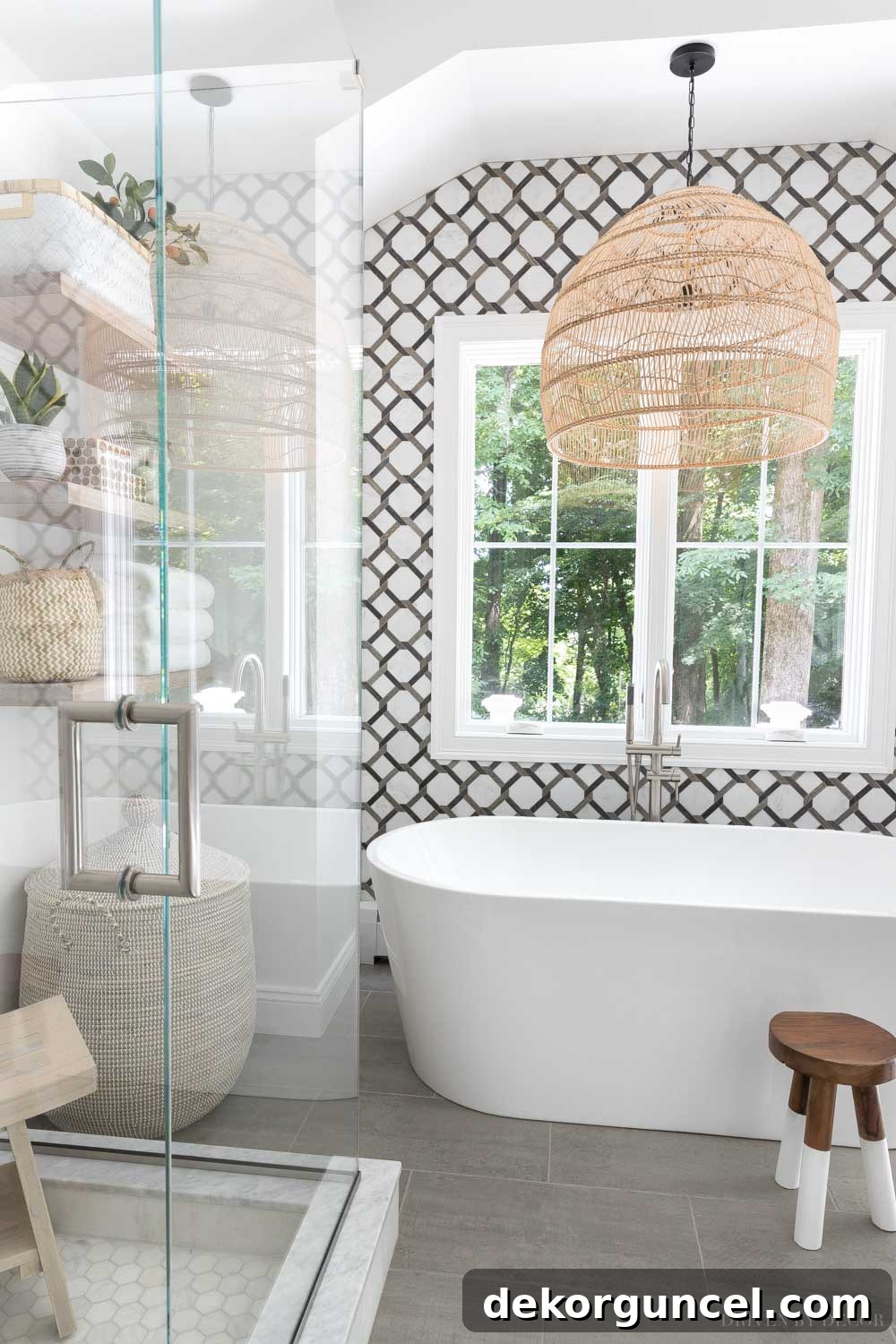
Additional Bathroom Sources: Elegant Tub filler | Luxurious Bathtub | Stylish Stool
5. Strategic Placement: Reserve Trendy Metals for Low-Commitment Pieces
A common question I receive revolves around the use of “trendy” metals, particularly brass, and whether I worry about its longevity in home design. While I believe soft brass, with its timeless appeal, will continue to be a staple for many years (a topic for another discussion!), my answer is consistently no. This confidence stems from a strategic approach: I primarily incorporate trendier metals into “low-commitment” pieces—items that are relatively easy and inexpensive to replace or update should tastes evolve or new trends emerge. This principle is key to future-proofing your home decor without sacrificing current style.
For instance, during the planning phase of our kitchen remodel, I was captivated by a range featuring striking brass accents. However, after careful consideration, I decided to adhere to more traditional, enduring metal finishes for our major, high-investment items such as the appliances, the main kitchen faucet, and the pot filler. These are significant financial commitments, and changing them out later would be both costly and labor-intensive. Instead, I introduced brass into our new kitchen through more adaptable elements: our elegant cabinet pulls, the stylish pendant lights above the island, and a selection of smaller decorative accessories. These pieces offer a beautiful touch of brass without the heavy financial or logistical burden of replacement, ensuring the kitchen remains stylish and adaptable for years to come, even for a future homeowner who might not share a love for brass.
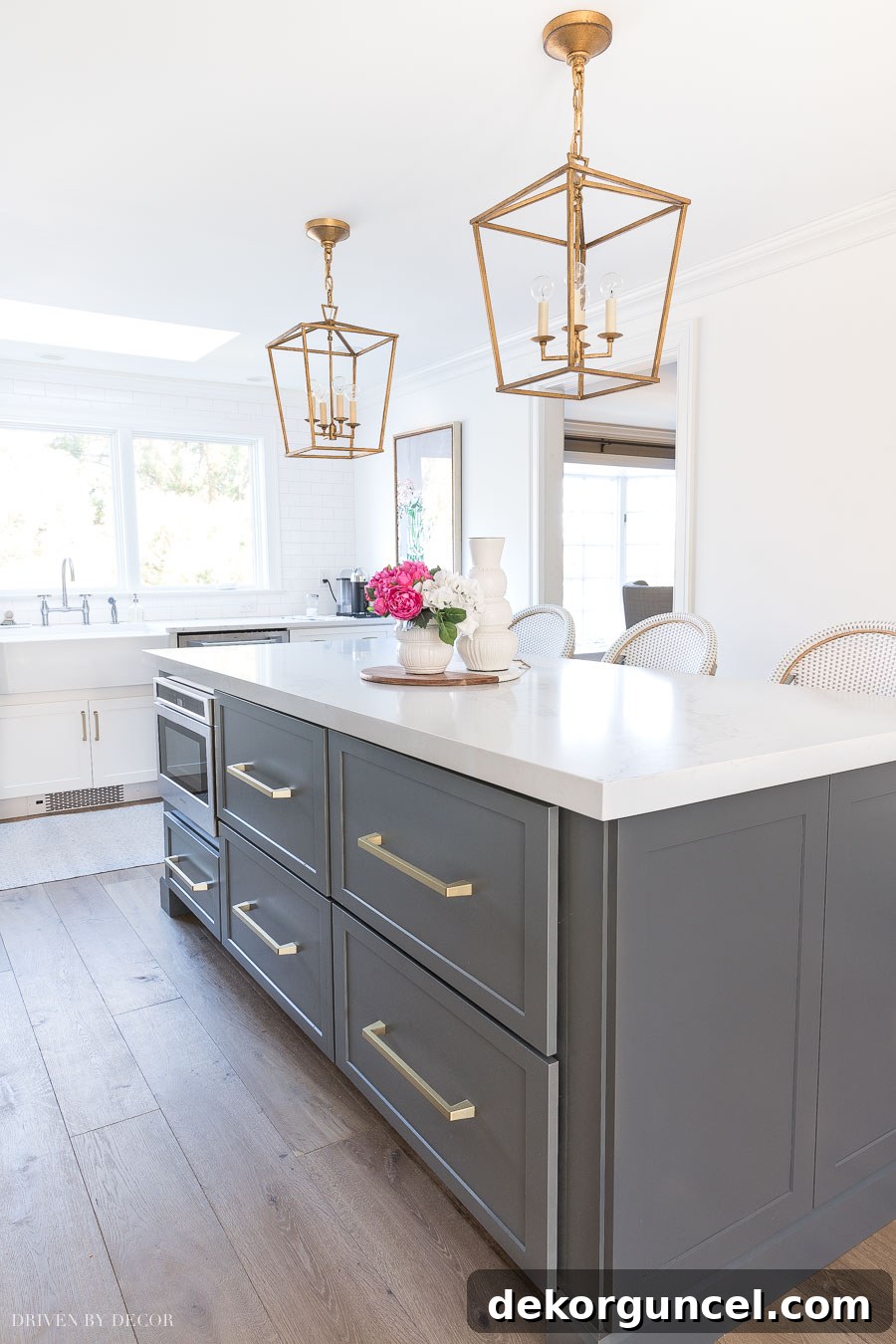
Sources: Stylish Pendants | Elegant Large appliance pulls on drawers | Modern Counter stools. | All other sources and details are available in my comprehensive kitchen reveal post {here}
Did you catch that I said I’ve “mostly” kept trendier metals on low-commitment pieces? There’s always an exception when something truly captures your heart! One slightly higher-commitment area where I confidently integrated brass was with {these exquisite brass and crystal doorknobs}, which I installed throughout the entire first floor of our home. It was love at first sight—the unique combination of classic crystal with a modern brass rosette perfectly embodies my personal aesthetic. While I always consider resale value when decorating, there comes a point where personal preference and the joy a piece brings must take precedence in your own sanctuary. These doorknobs are undeniably “me,” and sometimes, following your heart in your own home is the best design decision of all.
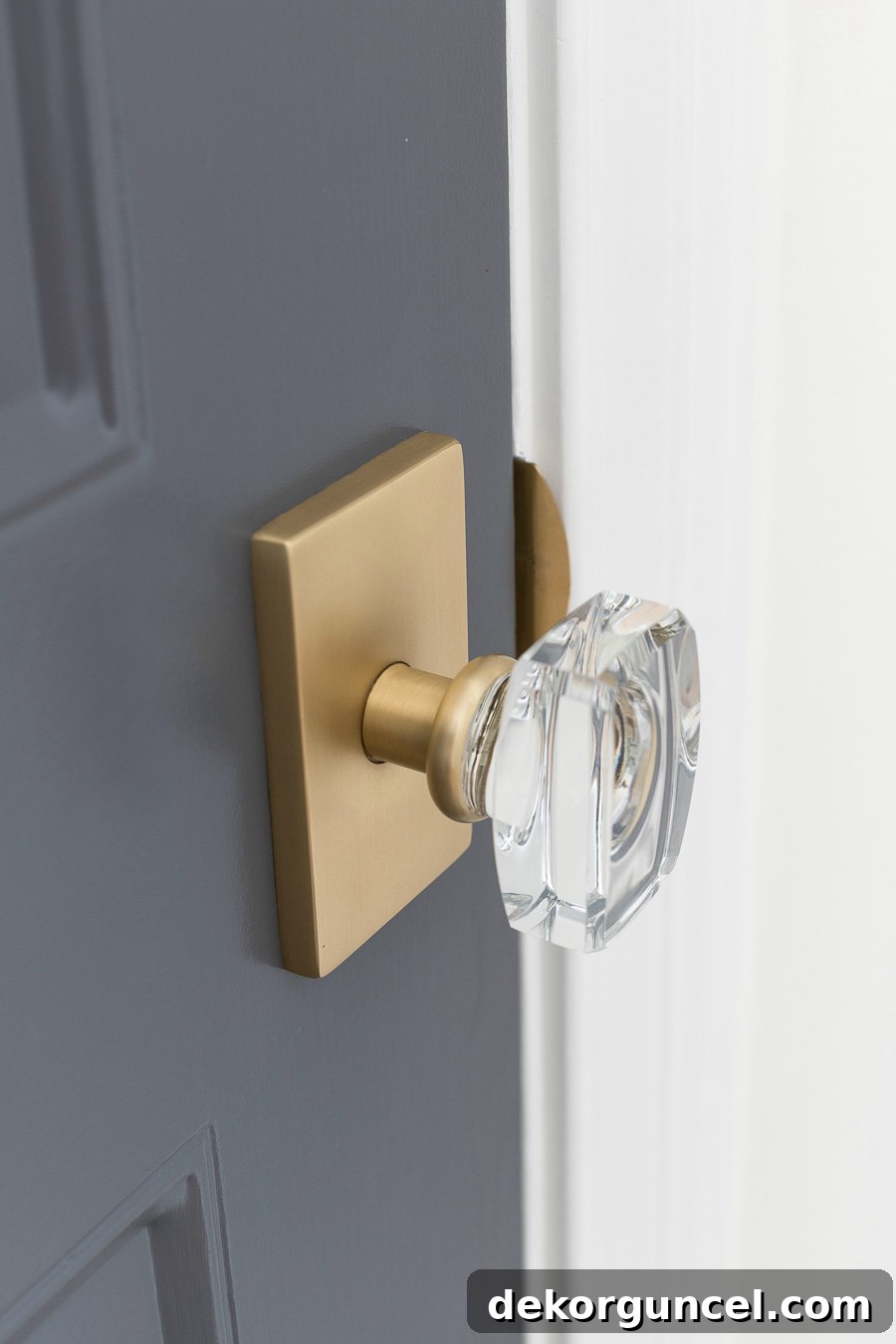
It was love at first sight and they’re just SO me that I went for it – I do keep resale in mind when decorating but I also have to follow my own heart in my own home!
6. Effortless Transformations: Spray Paint and Rub ‘n Buff for Design Adjustments
One of the most liberating aspects of experimenting with mixed metals in your home decor is the incredible flexibility and forgiveness it offers. Should you try a combination of metals that, for whatever reason, doesn’t quite resonate with your vision or the overall aesthetic of your space, there’s rarely a need for despair or costly replacements. The beauty of modern DIY solutions means that most “mixed metal fails” or desired changes can be remedied with remarkable ease, often requiring nothing more than a can of spray paint or a tube of Rub ‘n Buff. These tools empower you to transform a piece’s finish, allowing for quick, economical, and impactful design adjustments.
Consider the large round mirror hanging elegantly over our bedroom dresser. It originally came in a beautiful bronze finish, which was lovely in its own right, but I found it didn’t quite harmonize with the other elements in the room as perfectly as I had envisioned. Luckily, this was an incredibly simple fix. In a mere 15 minutes, and without even bothering to remove the mirror from the wall, I was able to completely change its appearance to a sophisticated gold leaf finish. All it took was a dry cloth and a small amount of this amazing tube of Rub ‘n Buff (I specifically used the “Gold Leaf” shade). The immediate transformation was stunning, proving just how accessible and impactful these DIY finishing products can be for personalized home decor.
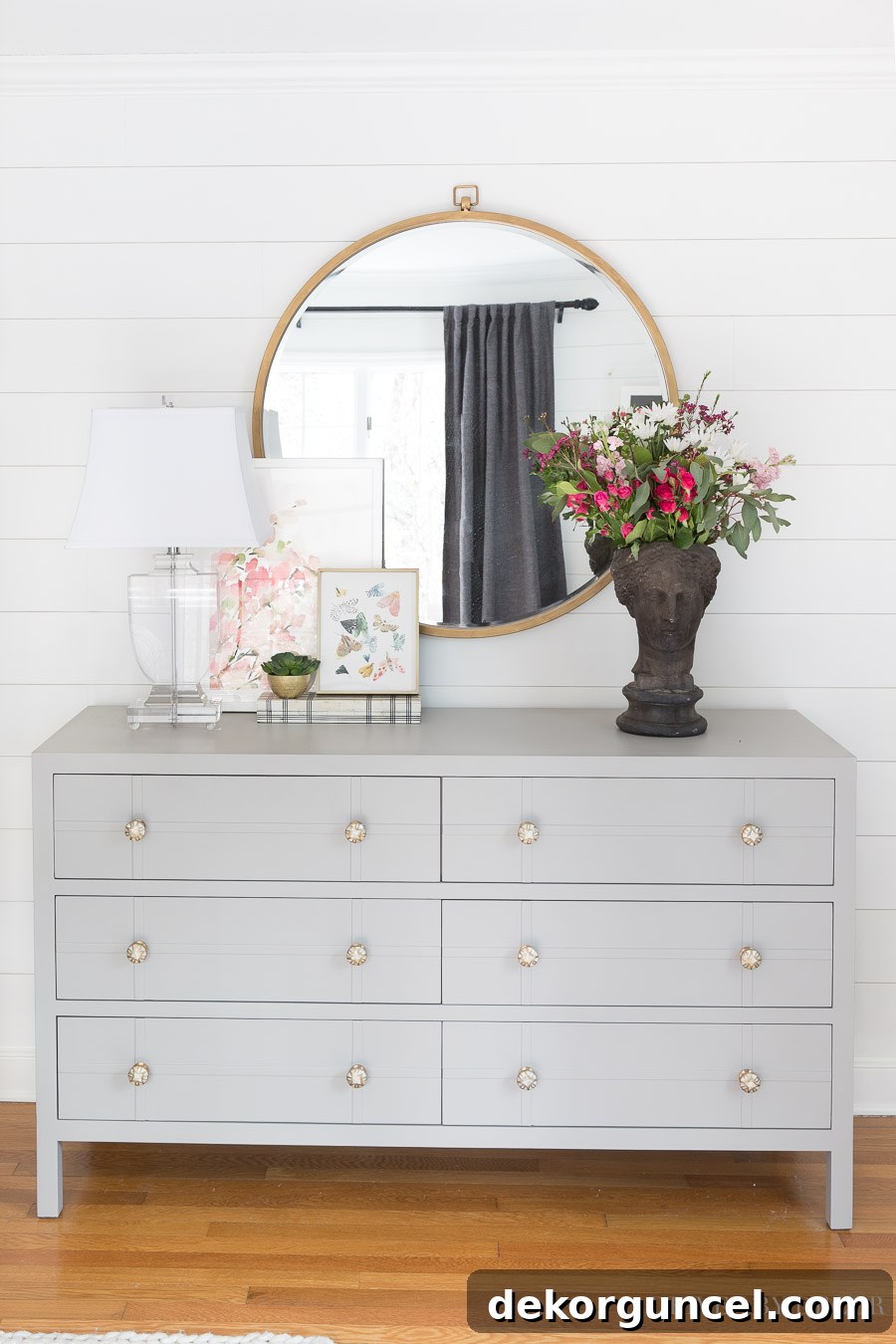
Bedroom Decor Sources: Elegant Lage round mirror over our bedroom dresser | Soft Gray drapes | Modern Acrylic urn lamp | Delicate Framed butterfly print | Chic Black & white grid box | Stylish Knobs on dresser | Please note: Cherry blossom print, dresser, and bust planter are no longer available.
For more inspiration on how versatile these products are, you can also see how I creatively used Rub ‘n Buff to update the finish on various wall hooks, which are featured prominently in my detailed post on garage entryway ideas. Furthermore, if you’re curious about the range of options available, be sure to explore my comprehensive post dedicated to Rub ‘n Buff colors. This guide showcases what each color looks like when applied, helping you confidently select the perfect shade to enhance or transform any metallic piece in your home, ensuring it perfectly complements your unique design vision.
Still feeling a bit hesitant about venturing into the exciting realm of mixing metals in your decor? Let me offer one final, wonderfully low-stakes tip that serves as an excellent starting point for any design novice. Begin by acquiring a selection of different sized metal photo frames, each in a variety of metal finishes. These could include sleek silver, warm gold, rustic bronze, or even modern black. Arrange and mix them together on a prominent shelf, a console table, or a dresser in your home. This simple exercise provides a fantastic “baby step” into understanding how different metals interact visually. It allows you to playfully experiment with various combinations, observe which pairings you instinctively love, and build confidence in your ability to create a harmonious blend. Once you’ve found combinations that truly speak to your aesthetic, you’ll feel far more assured and inspired to incorporate these mixed metal concepts into larger, more permanent elements throughout the rest of your home.
I sincerely hope these insights have been helpful and empowering for your home decor journey. Please don’t hesitate to reach out if you have any further questions or need additional guidance – I’m always happy to help!
XO,
