
Embarking on a kitchen remodel is an exciting journey, and for us, it’s a project that’s just a few months away from the demolition phase. Currently, I find myself deeply immersed in the crucial decisions of selecting the perfect cabinets, countertops, and, of course, the heart of any kitchen: the appliances. Among these, one appliance I’m particularly eager to replace is our incredibly outdated electric cooktop and its rusty, inefficient downdraft vent, both prominently featured in our kitchen island.
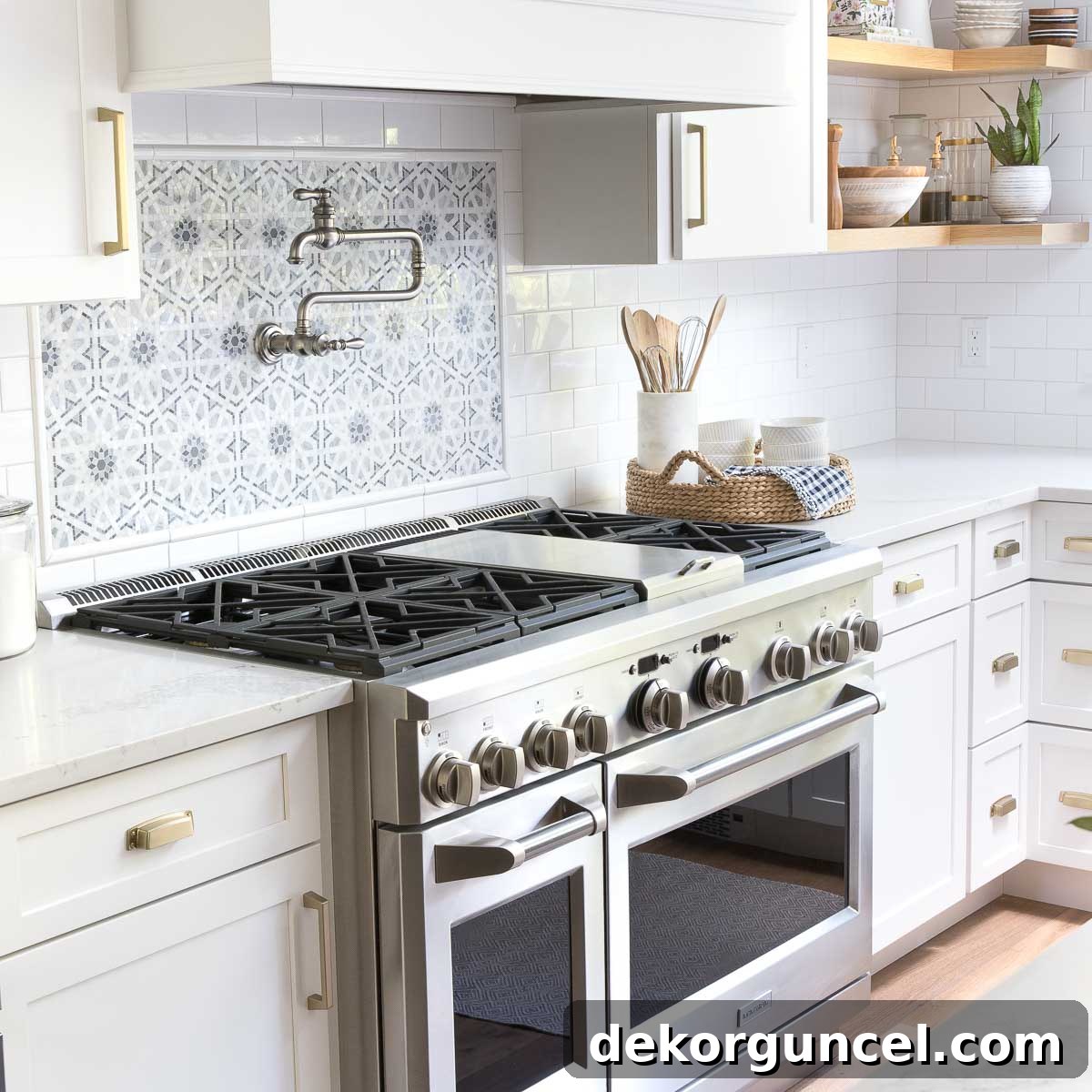
In our previous home, I was fortunate enough to cook on a magnificent 48-inch gas Monogram range. It was a true culinary workhorse that I absolutely adored. Its powerful burners, precise control, and robust build made every cooking experience a joy. The transition back to an electric cooktop has been, to put it mildly, a significant downgrade. The sluggish heating, uneven temperatures, and general lack of responsiveness have truly highlighted the difference a quality cooking appliance makes.
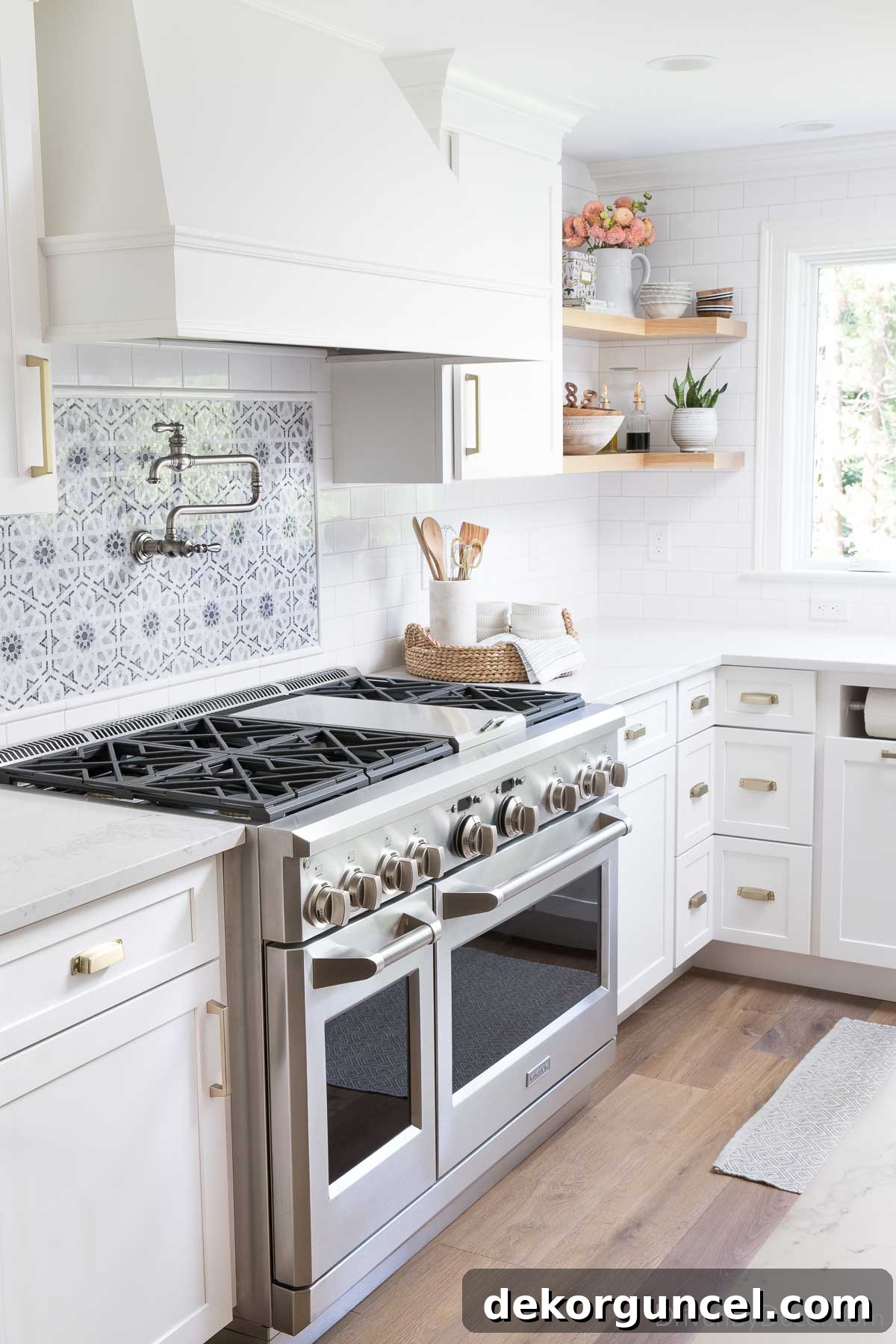
The stark contrast between the precision and power of gas cooking and the limitations of our current electric setup has fueled my extensive research for our upcoming kitchen transformation. For this new culinary space, I’m seriously considering an induction range. There are a couple of compelling reasons behind this thought process. Firstly, it represents a more cost-effective solution as we currently lack a gas line running directly to our kitchen. Installing one would add a significant expense to our renovation budget. Secondly, opting for induction now would provide a fantastic opportunity to personally experience this cooking technology. This firsthand experience will be invaluable in helping me decide whether to commit to induction or return to gas for our future new-build home.
My exploration into the world of modern cooktops has involved extensive research into the pros and cons of both induction and traditional gas ranges. Today, I’m excited to share a comprehensive breakdown of how these two popular cooking methods compare across various essential categories. My hope is that this detailed comparison will be incredibly helpful for anyone else contemplating a switch to induction, or simply looking to upgrade their kitchen appliances. And for those of you who have already embraced induction cooking in your homes, I’d be absolutely thrilled to hear your thoughts, experiences, and any insights you’ve gained!
The Basics of Induction Cooking: How It Works
At its core, the fundamental difference between gas and induction cooktops lies in their heat transfer mechanisms. Gas ranges utilize indirect heating, producing an open flame that heats the cookware from below. In contrast, induction cooking employs a direct heating method through the marvel of electromagnetic coils. These coils generate an oscillating magnetic field that directly interacts with the magnetic material of your cookware. This innovative process results in an incredibly efficient method of cooking, with induction cooktops boasting an impressive three times greater energy efficiency compared to their gas counterparts. This translates not only to faster cooking times but also to significant energy savings over the lifespan of the appliance. Induction technology also heats cookware remarkably faster than gas, allowing for near-instantaneous heat. As a devoted pasta lover, the thought of boiling water in under a minute is not just exciting, it’s a game-changer!
The direct transfer of energy means that virtually no heat is lost to the surrounding air, making your kitchen cooler and more comfortable, especially during warmer months. This precision also allows for extremely fine-tuned temperature adjustments, offering a level of control that rivals and often surpasses traditional gas flames. Unlike electric radiant coils that glow red hot, induction surfaces remain cool to the touch because the heat is generated directly within the cookware itself, making it a safer option for busy kitchens.
Cookware Compatibility: A Key Consideration
One of the most frequently cited drawbacks of induction cooking is the necessity for specific types of cookware. While traditional gas cooktops offer broad compatibility with a vast array of materials—from stainless steel and aluminum to copper and ceramic—induction technology strictly requires magnetic cookware. This means if you’ve been accustomed to using gas or electric ranges for years, you might need to invest in a new set of pots and pans when making the switch to induction. The good news is that most modern stainless steel cookware is induction-compatible, and any cast iron pieces you own will work perfectly.
To determine if your current cookware is suitable for induction, a simple test involves placing a magnet on the bottom of the pan. If the magnet sticks firmly, your pan is induction-ready. Common materials that are compatible include cast iron, enameled cast iron, and many types of stainless steel. Materials like aluminum, copper, and glass will only work if they have a magnetic base layer. Brands are increasingly labeling their cookware as “induction compatible,” making it easier for consumers to choose. For instance, my highly-rated and most-used Always Pan is a versatile choice, compatible with all cooktop types, including induction, ensuring a smooth transition for those adopting new cooking methods.
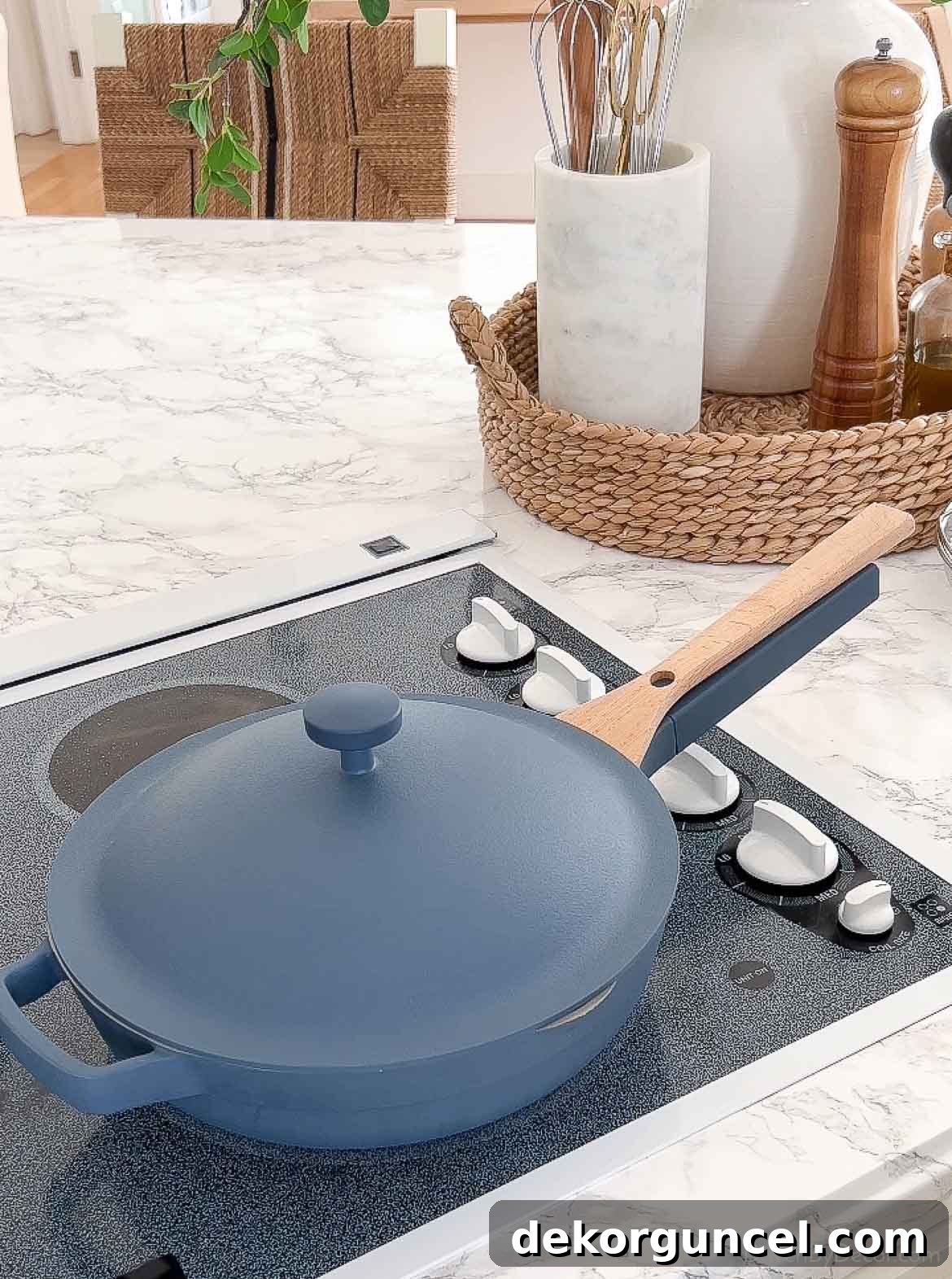
While the initial investment in new cookware might seem like a barrier, many find it a worthwhile trade-off for the numerous benefits induction offers. Moreover, many high-quality, durable cookware sets are now designed with induction compatibility in mind, providing ample choices for every budget and cooking style.
Unparalleled Temperature Control and Responsiveness
When it comes to precise temperature control, both gas and induction cooking methods are celebrated for their superior performance compared to traditional electric coil or radiant cooktops. However, induction undeniably holds a significant edge in several aspects. Induction cooktops boast an unparalleled ability to heat up cookware almost instantaneously, far surpassing the speed of even the most powerful gas burners. This rapid heating capability is matched by equally swift temperature adjustments, allowing you to go from a rolling boil to a gentle simmer with the mere touch of a button. The control is so precise that some induction models can even maintain exact temperatures for delicate tasks like melting chocolate without a double boiler or holding sauces at serving temperature.
Historically, professional chefs almost universally favored gas for its immediate visual feedback of the flame and its responsiveness. However, a growing number of culinary professionals are now making the switch to induction. They recognize that induction’s responsiveness not only matches but often exceeds that of gas, offering an extraordinary level of control. The ability to instantly change heat settings, combined with the other distinct advantages of induction, such as energy efficiency and safety, is making it the preferred choice in modern professional kitchens globally. This shift underscores induction’s capability to deliver the demanding performance required in high-stakes cooking environments, making it ideal for everything from searing steaks to preparing delicate custards.
Effortless Cleaning: A Daily Advantage
For many home cooks, the ease of cleaning is a major factor, and this is where induction cooking truly shines, often being listed as a primary reason for its preference over gas. Gas ranges, while beloved for their performance, often come with the tedious task of cleaning grates, burner caps, and drip pans. These components, such as those shown here, require individual removal, soaking, scrubbing, and meticulous cleaning—a process that can be quite time-consuming and cumbersome.
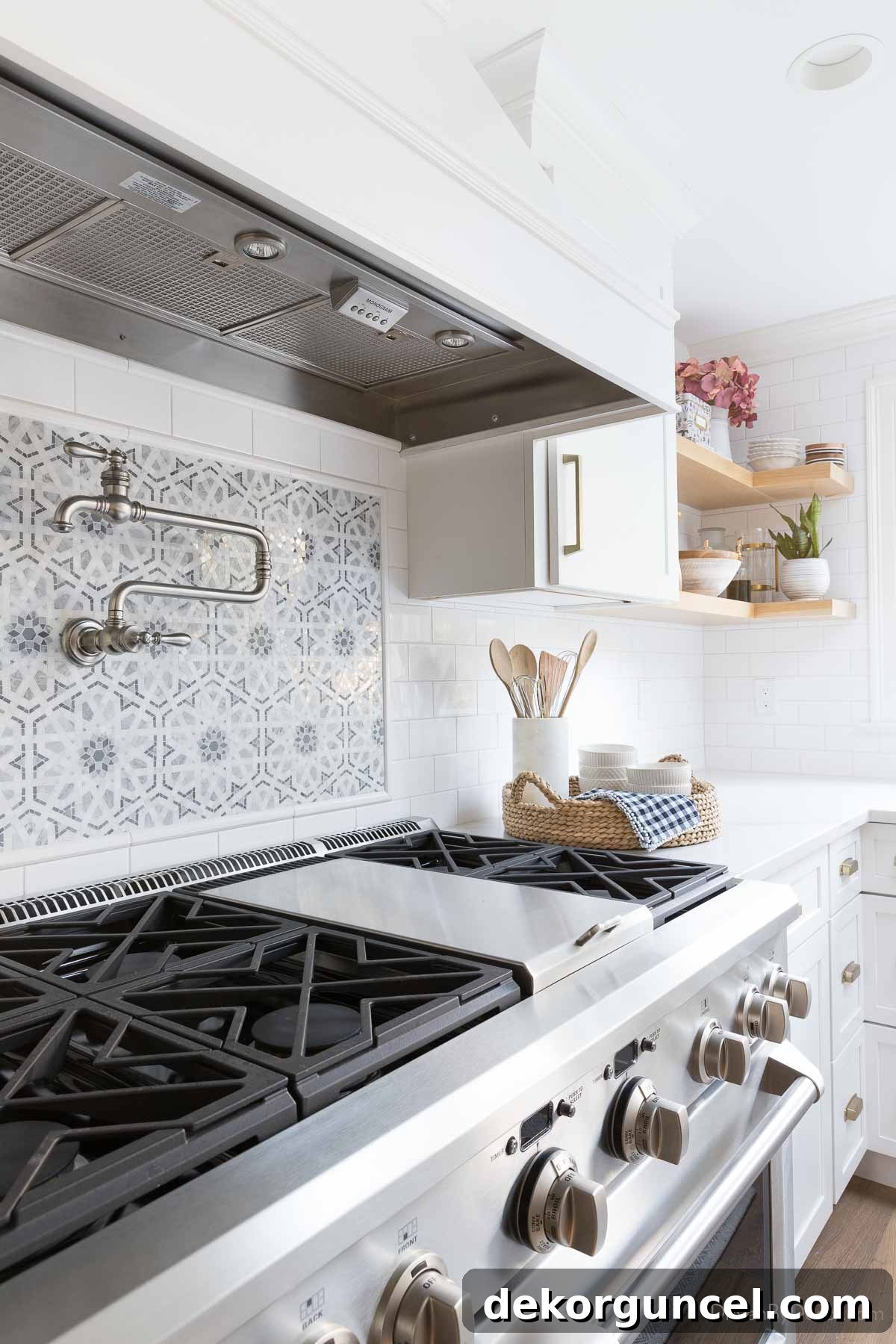
Furthermore, spills and splatters on a gas cooktop can easily seep beneath the grates and around the burners, becoming baked on and requiring significant effort, often with harsh chemicals and scrubbing, to remove. This messy reality is a common frustration for gas range owners.
In stark contrast, induction cooktops feature a sleek, smooth, and seamless glass-ceramic surface. This flat design is exceptionally easy to wipe down with just a damp cloth or sponge, making daily cleanup a breeze. The revolutionary aspect of induction is that since heat is generated directly within the magnetic cookware, the cooktop surface itself does not get hot during operation (or only gets warm from residual heat transferred from the pan). This crucial difference means that if something boils over or splatters onto the surface, it won’t instantly burn and stick. Instead, spills remain cool and can simply be wiped away with minimal effort, even after cooking is complete. This incredible ease of cleaning is something I definitely will not miss about our current electric cooktop, where every spill becomes a scrubbing challenge.
Safety, Health, and Environmental Impact
In recent years, gas ranges have been the subject of considerable discussion, particularly concerning their potential safety and environmental impacts. From a safety perspective, there’s a growing body of evidence suggesting that poorly ventilated gas cooktops and stoves can contribute to elevated levels of indoor air pollutants, specifically volatile organic compounds (VOCs) and nitrogen dioxide (NOx). Increased exposure to these compounds has been linked to a variety of adverse health effects, including respiratory issues and an association with asthma, particularly in children. However, many studies I’ve reviewed emphasize that these health risks are significantly minimized with adequate ventilation. Therefore, when using a gas range, it is paramount to have a powerful and properly installed ventilation hood that is consistently turned on every single time the appliance is in use, drawing away harmful emissions.
Beyond air quality, induction cooktops offer inherent safety advantages. Without an open flame, the risk of accidental burns is drastically reduced, and there’s no potential for gas leaks or carbon monoxide buildup. The surface remains cool, minimizing the danger for curious children or pets. The auto-shutoff features common in induction ranges also add an extra layer of safety, turning off burners if cookware is removed or left unattended.
On the environmental front, the United States is actively pursuing strategies to reduce reliance on fossil fuels, with natural gas being a significant component. In response to mounting climate concerns, several cities, counties, and even states have either enacted or are actively considering legislation to ban gas ranges in new building constructions. This movement aims to curb greenhouse gas emissions and promote electrification. While a possible nationwide ban on gas ranges garnered headlines at one point, it is not currently expected to be implemented, at least in the near future. Nevertheless, the trend towards electrification for environmental benefits continues to gain momentum, positioning induction as a key player in sustainable home design. Choosing induction supports a cleaner energy future and contributes to a healthier indoor environment, aligning with broader goals for a greener planet.
Understanding the Costs: Purchase, Operation, and Installation
For a long time, induction ranges carried a premium price tag, often significantly more expensive than their gas counterparts. However, thanks to advancements in technology and increased market adoption, the price gap between the two has narrowed considerably in recent years, making induction more accessible than ever. While the initial purchase price might be comparable, it’s essential to consider the long-term operational costs. Gas ranges generally have a higher annual operating cost due to the fluctuating price of natural gas and their inherent lower energy efficiency compared to induction. Induction cooktops’ superior energy efficiency often results in lower utility bills over time, offsetting any initial price difference.
Beyond the appliance’s cost, installation prep work is a crucial factor when switching cooking methods. If your current kitchen features an electric range, transitioning to an induction range is usually the most straightforward and least expensive option. This is because induction ranges require a 240V electrical outlet, which is typically already present for an electric range. The cost is usually limited to simply swapping out the appliance. In contrast, switching from electric to a gas range would necessitate running a new gas line to the kitchen, which can involve significant plumbing work and costs. Conversely, if you currently have a gas range, sticking with gas for your new appliance will generally be the most cost-effective installation. Switching from gas to induction in this scenario would involve paying to cap off your existing gas line and then installing the appropriate 240V electrical outlet, which adds to the overall installation expense. It’s always advisable to get quotes from qualified electricians and plumbers to accurately assess these installation costs for your specific setup.
Exploring Brands and Models: Finding Your Perfect Range
When it comes to appliance availability, the market offers a wide array of choices for both 30-inch and 36-inch gas and induction ranges, catering to most standard kitchen designs. However, for those seeking larger formats, such as 48-inch and 60-inch ranges, the options become somewhat more limited. This is particularly true for induction ranges in these larger sizes, where the majority of models are manufactured by esteemed European brands. This trend reflects the fact that induction technology has seen broader and earlier adoption in Europe compared to the United States.
For those, like me, specifically looking at 48-inch induction ranges, the market, while niche, still offers impressive choices. Reputable brands include Fisher & Paykel, Bertazzoni, Ilve, AGA, and Fulgor Milano. These brands often integrate advanced features, powerful burners, and sophisticated designs that appeal to discerning homeowners. I’ve also discovered some innovative 48-inch ranges that offer a unique combination of both gas burners and induction cooktops, providing the best of both worlds. Notable examples include this Fisher & Paykel range and this Signature Kitchen Suite range, offering incredible flexibility for diverse cooking needs. Currently, I’m strongly considering this 48-inch Fulgor Milano induction range. I find its aesthetic incredibly appealing, with the only minor critique being the somewhat prominent Fulgor Milano branding.
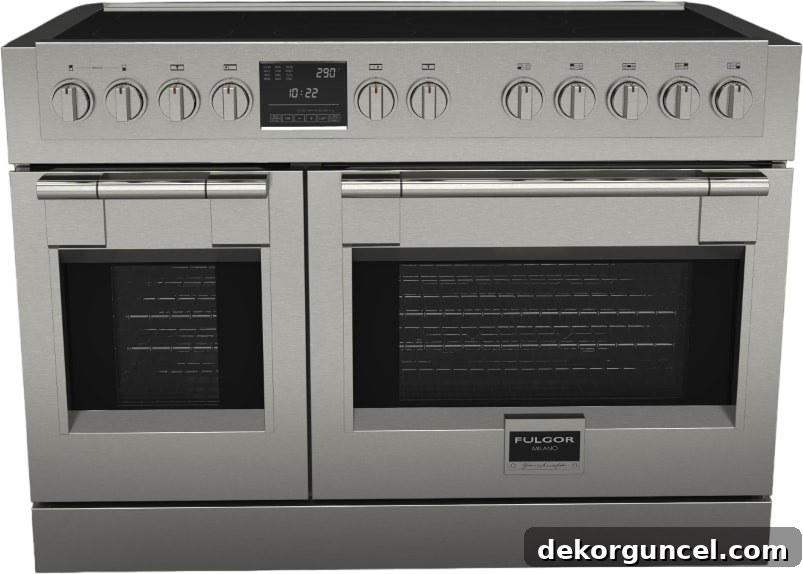
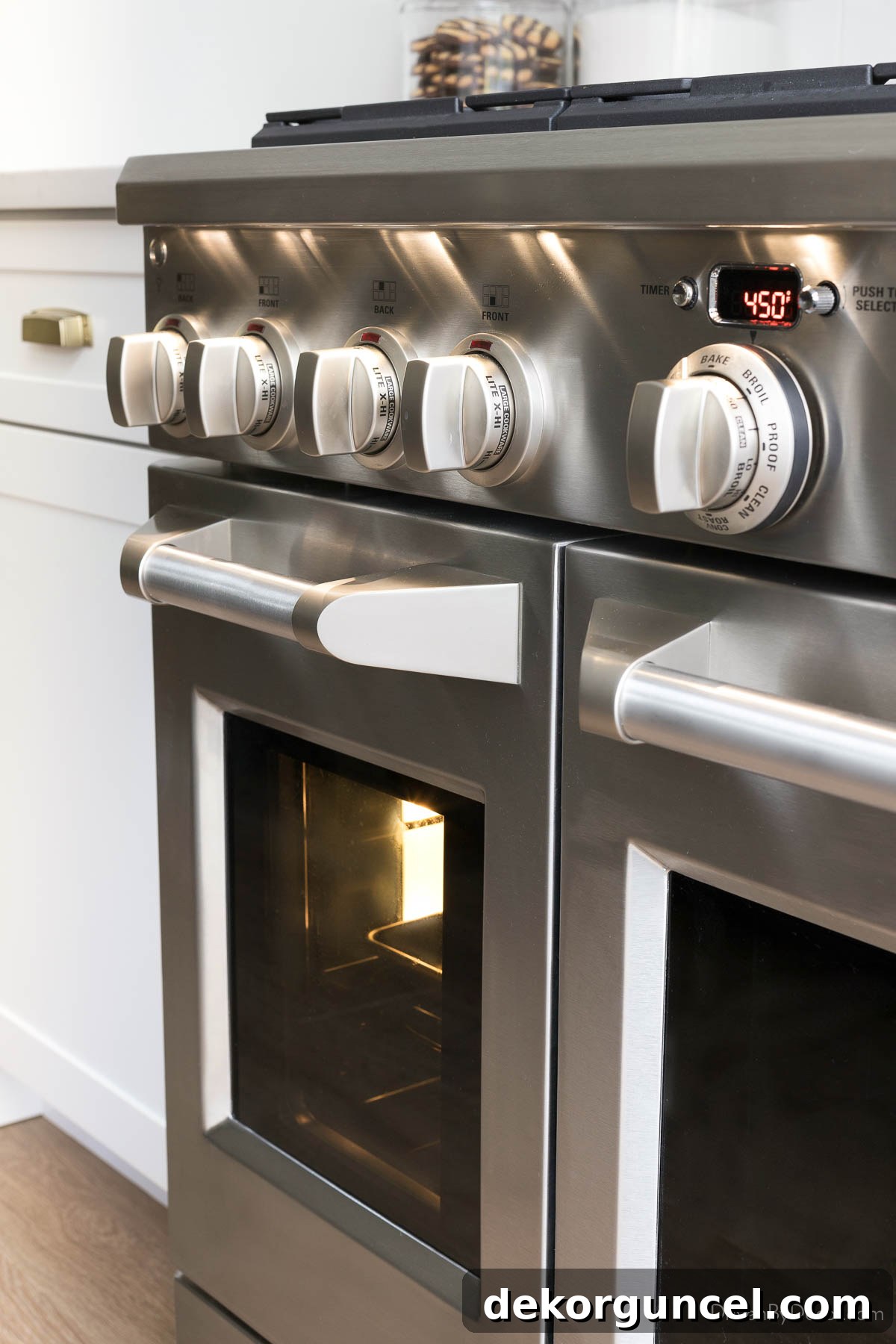
The design elements, particularly its robust knobs and elegant handles, bear a striking resemblance to those on our beloved gas Monogram range, which certainly adds to its appeal for me.
A crucial piece of advice I received, and one I wholeheartedly pass on, is to thoroughly investigate the availability of service for your chosen appliance in your specific area, especially if you’re leaning towards a less widely known brand. It’s vital to ascertain if there are local technicians who routinely service that particular brand and to understand the typical lead time for receiving replacement parts should repairs ever be necessary. This due diligence can save considerable frustration and downtime in the long run.
Your Insights and Experiences Are Invaluable!
Now, this is where I would truly love to hear from you – your input and real-world experiences are incredibly valuable as I navigate this decision! If you’ve had the opportunity to cook on both induction and gas ranges, which method do you personally prefer, and why? What aspects of each stand out to you? Furthermore, if you currently own a large induction range (especially a 48-inch or 60-inch model), what brand is it, and how has your experience been cooking with it? Are there any specific features you love, or any challenges you’ve encountered? I’m genuinely excited to read your comments and gain insights from your diverse perspectives!
