
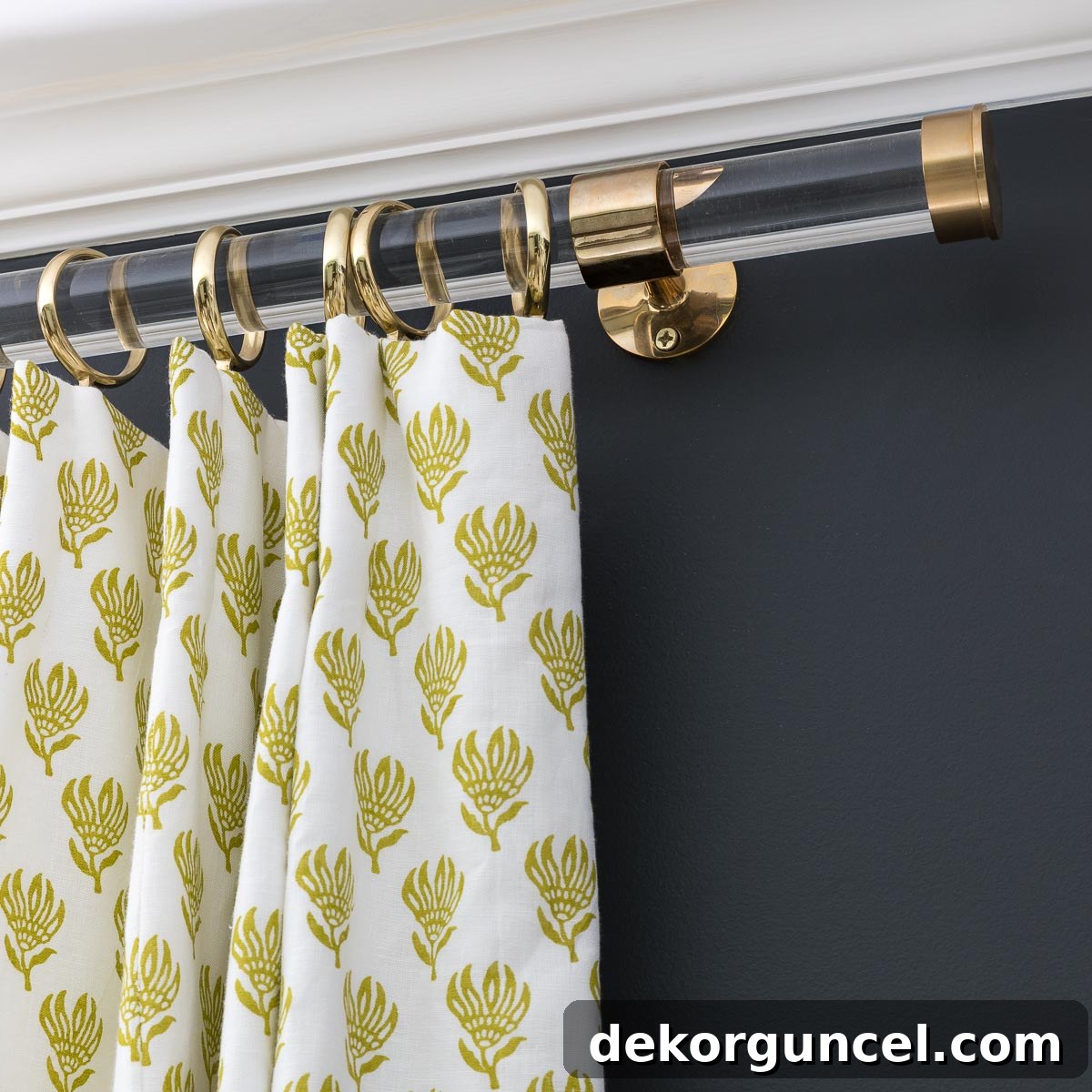
Are you searching for curtain rods that effortlessly blend style, sophistication, and a touch of modern glamour into your home? Look no further than acrylic curtain rods paired with elegant brass hardware. This exquisite combination is a design triumph, offering a translucent beauty that complements any decor while the brass adds a classic, luxurious gleam. In my own home office, I recently installed acrylic curtain rods with patterned drapes above a large window, and the transformation has been truly remarkable, bringing a fresh and refined aesthetic to the space.
Today, we’re diving deep into the world of acrylic curtain rods, exploring everything you need to know from understanding their quality to finding the perfect components for your windows. Whether you’re considering a DIY approach or looking for ready-made solutions, this comprehensive guide will equip you with the knowledge to make an informed decision. Let’s uncover the secrets to achieving this chic look in your home. (Please note: this post includes affiliate links; a full disclosure statement is available here).
Before we delve into the specifics, let’s take a moment to appreciate the stunning visual impact of these rods. While photos can only capture so much, I genuinely wish you could see the acrylic curtain rods in person, as their unique charm and subtle sparkle are even more captivating in real life:
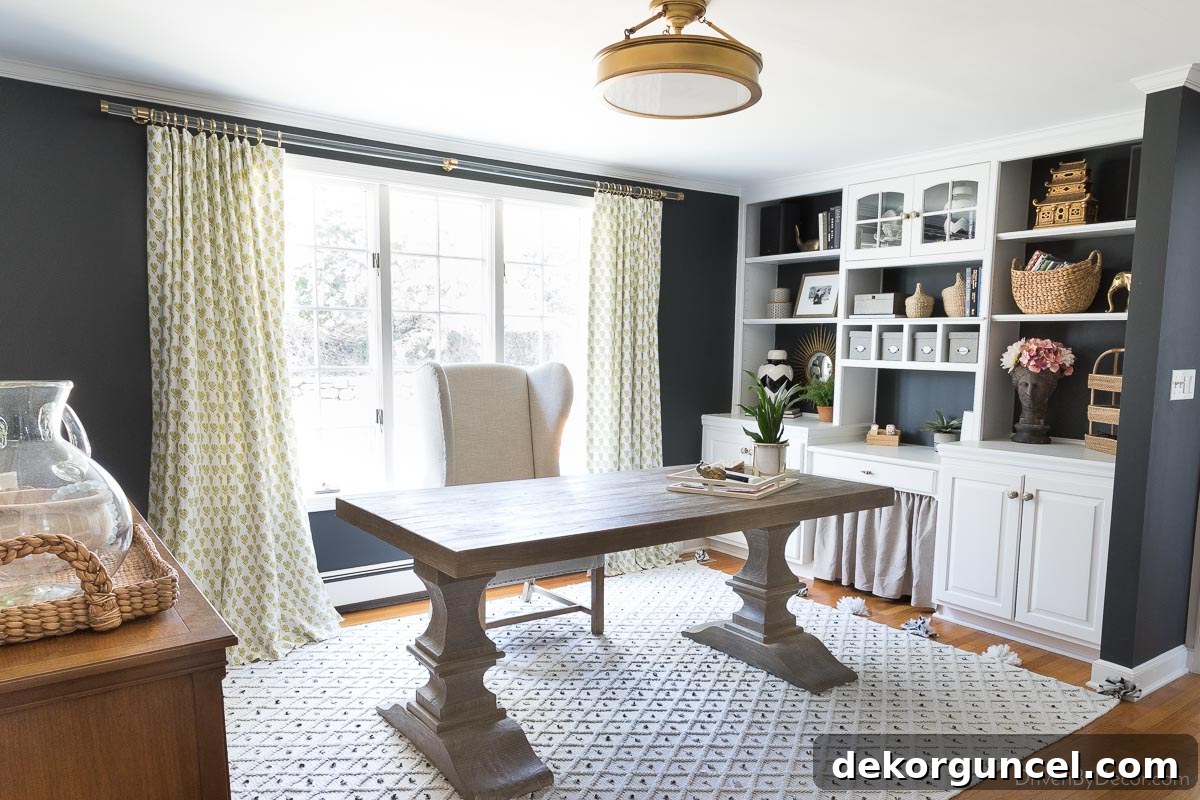
Sources: Similar Desk | Similar Upholstered Chair | Rug | Semi-Flush Mount Ceiling Light | Drapes – no longer available
The contrast of the clear acrylic against our deep black walls creates a striking visual effect, adding a sophisticated touch of glam that truly elevates the room. Before committing to acrylic rods, I conducted extensive research to ensure their functionality and longevity. Key concerns included their ability to span our long window without sagging and their resilience over time. My findings, coupled with personal experience, will help you navigate these important considerations.
Understanding Acrylic Rod Quality: Cast vs. Extruded
A common misconception is that all acrylic rods are created equal, but this couldn’t be further from the truth. There are two primary types of acrylic: cast acrylic and extruded acrylic, and understanding the difference is crucial for making the best choice for your curtain rods.
Cast acrylic is produced by pouring liquid acrylic ingredients into molds, where the material hardens as it cools. This method results in a product with superior properties. In contrast, extruded acrylic is made by pushing a molten acrylic mass through a die, creating a continuous, seamless shape. Think of it like a Play-Doh Fun Factory – if you’re old enough to recall that nostalgic toy!
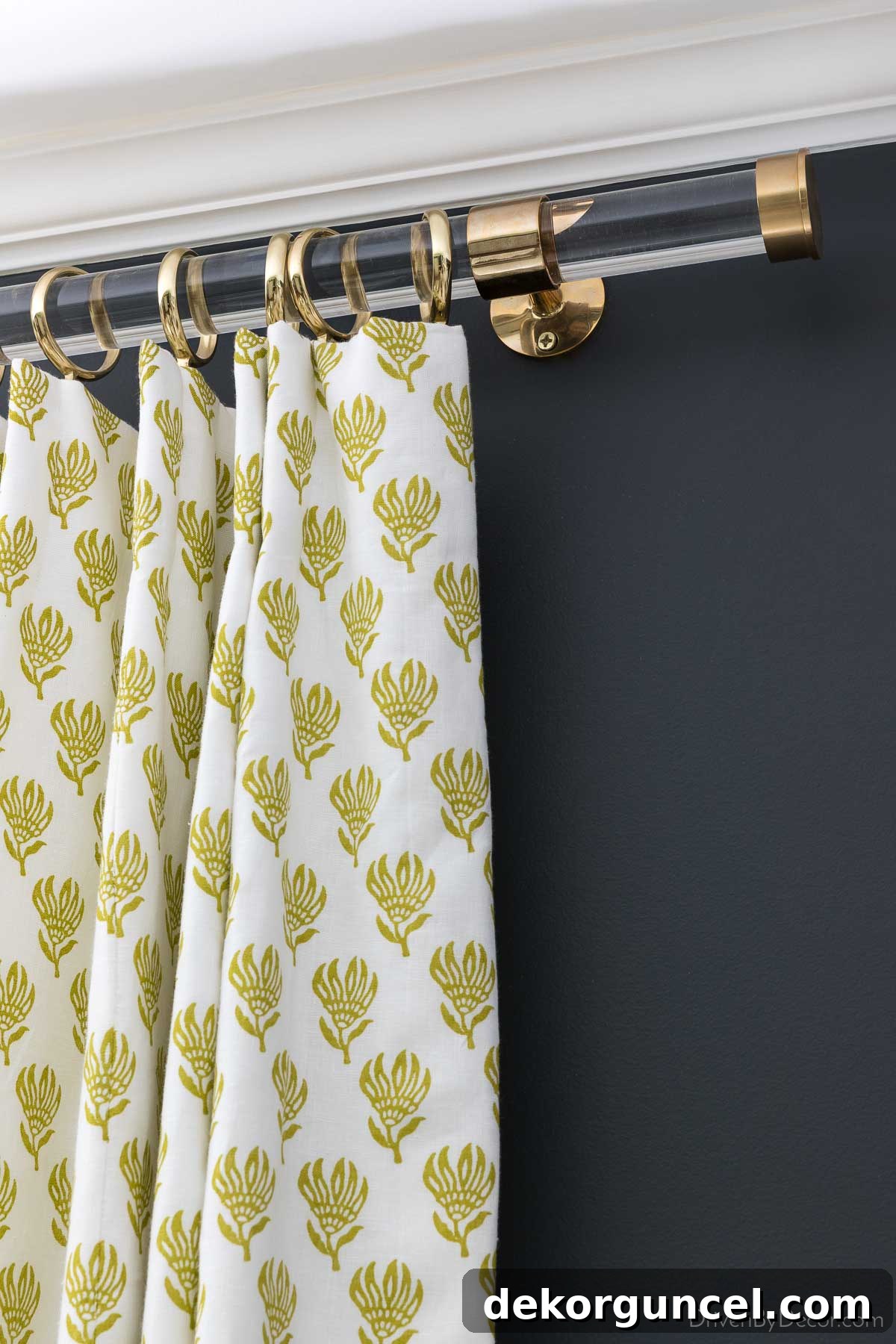
When it comes to curtain rods, cast acrylic is the undeniably superior choice, albeit often more expensive. It boasts greater strength, exceptional clarity, and increased rigidity, making it far less prone to bending or sagging under the weight of drapes. Crucially, cast acrylic is also much more resistant to UV degradation, meaning it won’t break down or yellow when exposed to sunlight, ensuring your rods maintain their pristine appearance for years to come. This enduring quality is why I opted for cast acrylic for my own installation, a decision I’ve never regretted:
Where to Purchase High-Quality Acrylic Curtain Rods
Finding the right supplier for your acrylic rods is key to a successful and long-lasting installation. Here are some of the best options, ranging from wholesale suppliers to specialized design shops:
I sourced my specific acrylic rod from Nationwide Plastics, now known as Curbell Plastics, which you can find on their website. They are an excellent resource for high-quality cast acrylic at a more competitive price than many design-focused retailers, primarily because you’re bypassing the middleman. Their rods are available in lengths up to 96 inches and come in various diameter options, typically ranging from 0.5 inches to 2 inches. For my setup, I chose a 1.5-inch diameter rod, slightly larger than my usual 1-inch preference, to ensure maximum rigidity and minimize any potential for bending under the weight of heavy drapes. While Curbell requires purchasing full rod lengths, they offer a convenient service to cut the rod to your exact specifications.
What if your window requires a rod longer than 96 inches? In such cases, you’ll need to join two rods together. Curbell Plastics can machine a special end on your rods, designed to connect them seamlessly, though this specialized service does come with an additional, non-trivial fee. For the best aesthetic and structural integrity, it’s advisable to place this joint in the middle of the span, where it can be cleverly concealed by a center support bracket. For example, if you need a 120-inch rod, joining two 60-inch rods would position the joint perfectly in the center.
Another important decision when ordering from Curbell is whether you intend to use decorative end caps. If you prefer a minimalist look without end caps, you’ll want to select the option for polished ends, which incurs an additional charge of approximately $15. This ensures a clean, finished appearance without needing separate caps.
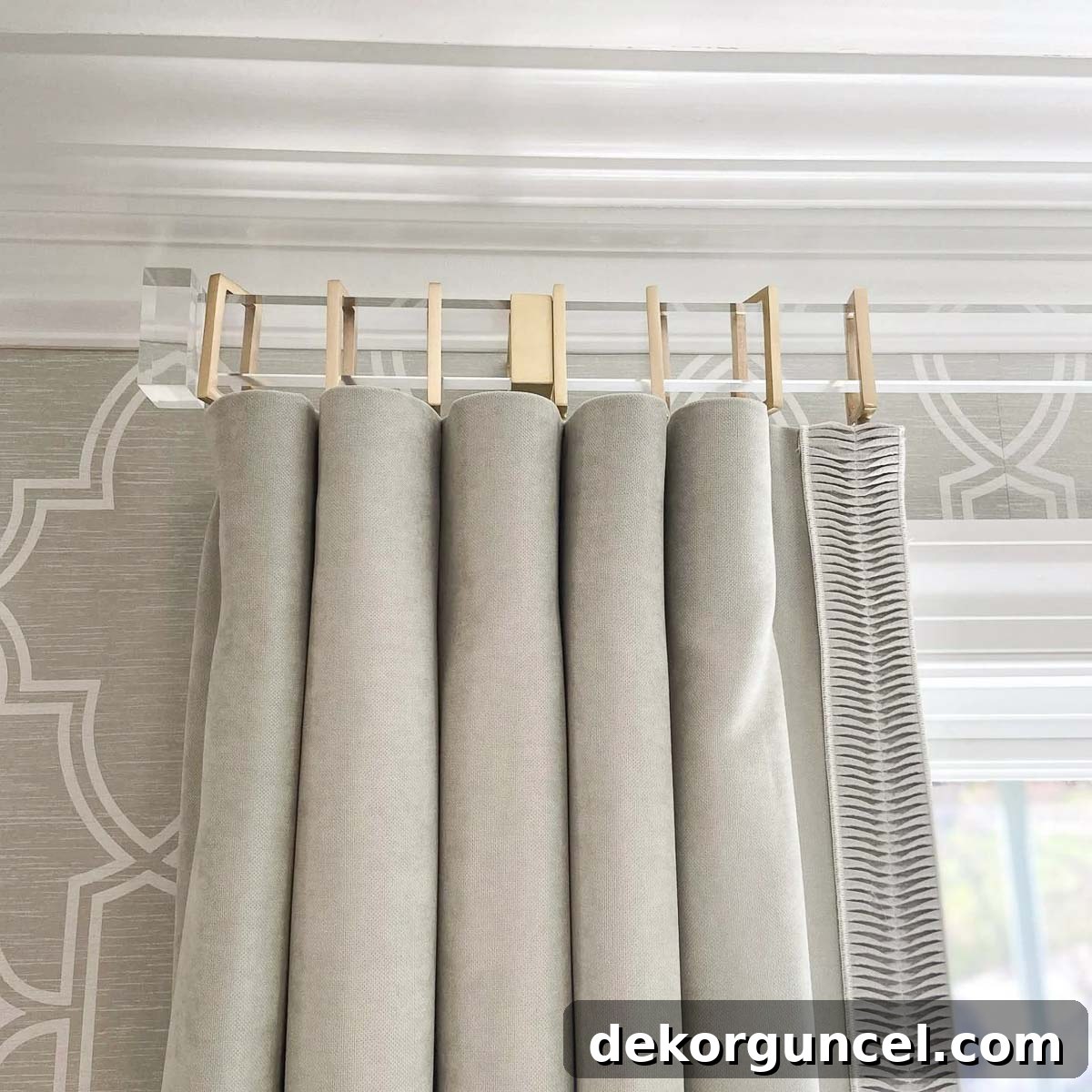
For those seeking a more curated, one-stop shopping experience for high-quality cast acrylic rods, the Etsy shop Lux Holdups comes highly recommended. You can browse their exquisite collection here. While their rods are generally more expensive, the convenience and stunning product quality often justify the investment. Lux Holdups typically includes brackets with your rod purchase, offering a selection of finishes such as polished brass, satin brass, polished nickel, and satin nickel. Their rod ends are beautifully polished, eliminating the need for separate end caps unless you desire an additional decorative element. They also offer perfectly matching curtain rings here, ensuring a cohesive look. For a truly unique statement, Lux Holdups also provides distinctive rectangular curtain rods here, complete with matching rectangular rings here, which I find incredibly chic and modern:
Other retail sources for acrylic rod and bracket sets include Ballard Designs online and various options on Amazon here. It’s worth noting that these retailers often do not specify the type of acrylic (cast or extruded) used in their products. If you’ve had experience with either of these options, please share your insights – your feedback could be invaluable to other shoppers!
Sourcing Your Hardware: Rings, Brackets, & End Caps
If you choose to purchase your acrylic curtain rod from a bulk supplier like Curbell Plastics, you’ll need to separately source your rings, brackets, and end caps. This allows for greater customization but requires careful attention to matching finishes and sizes. For my home office, I selected a polished brass finish for all metal components, aiming for a consistent and radiant gleam.
For support, I needed three brackets: two for the ends of the rod and one positioned in the middle to provide crucial stability for the longer span. I opted for the Lavi Industries 00-340/1H brass railing brackets, which can be found on Amazon and through other retailers. These specific supports proved to be a perfect fit for my 1.5-inch diameter rod, providing robust and secure anchorage.
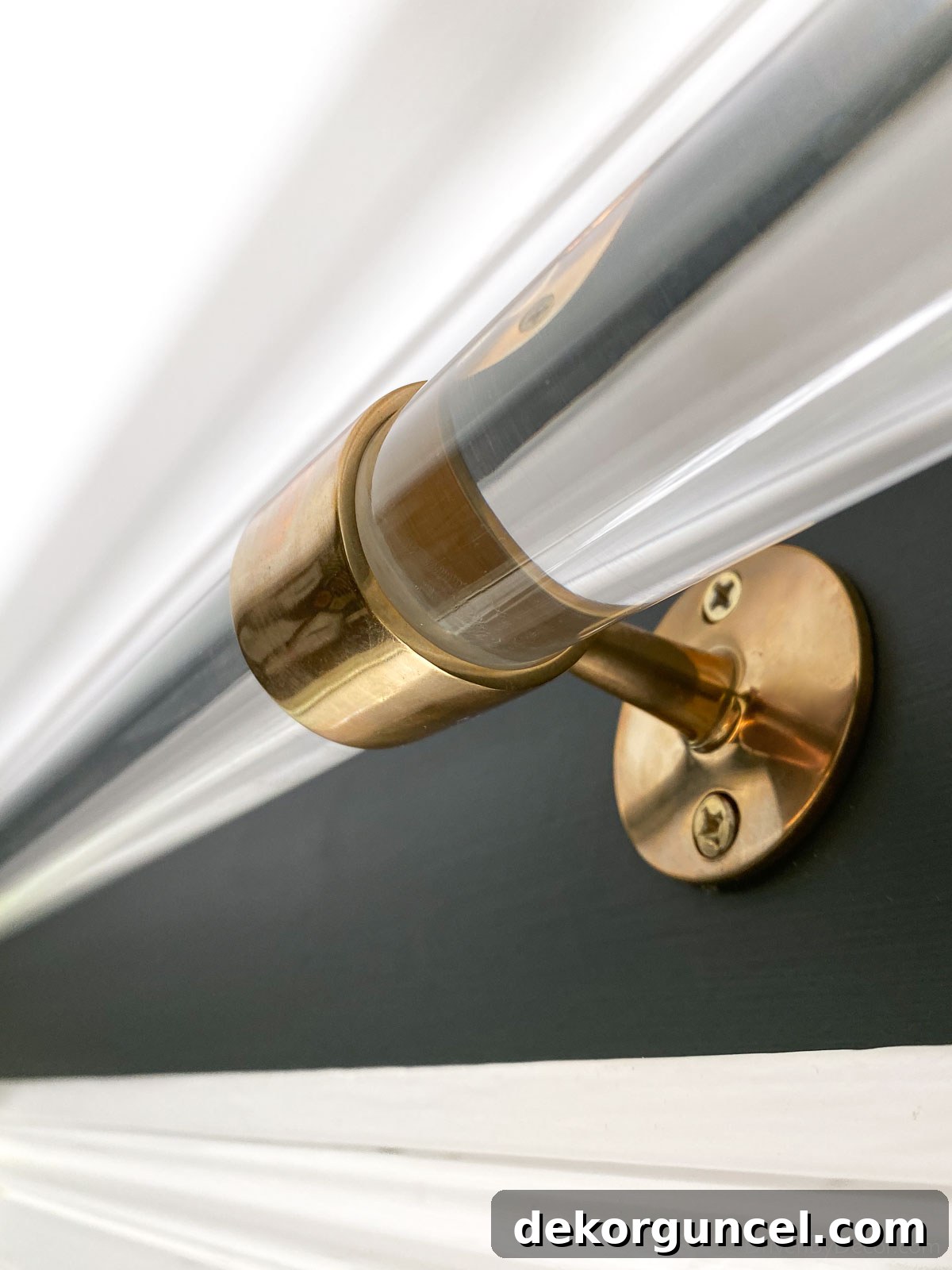
When installing, I strategically placed these brackets to hang my acrylic rod approximately halfway between the top of the window molding and the bottom edge of the crown molding. This placement creates an illusion of greater ceiling height and allows the drapes to stack back beautifully, maximizing natural light. For more detailed tips on achieving the optimal curtain hanging height and other installation best practices, you can refer to my post on how high to hang curtains.
My 2.25-inch polished brass curtain rings were purchased from Van Dyke’s Restorers on their website. These rings were an ideal size for my 1.5-inch rod, allowing the drapes to glide smoothly and effortlessly.
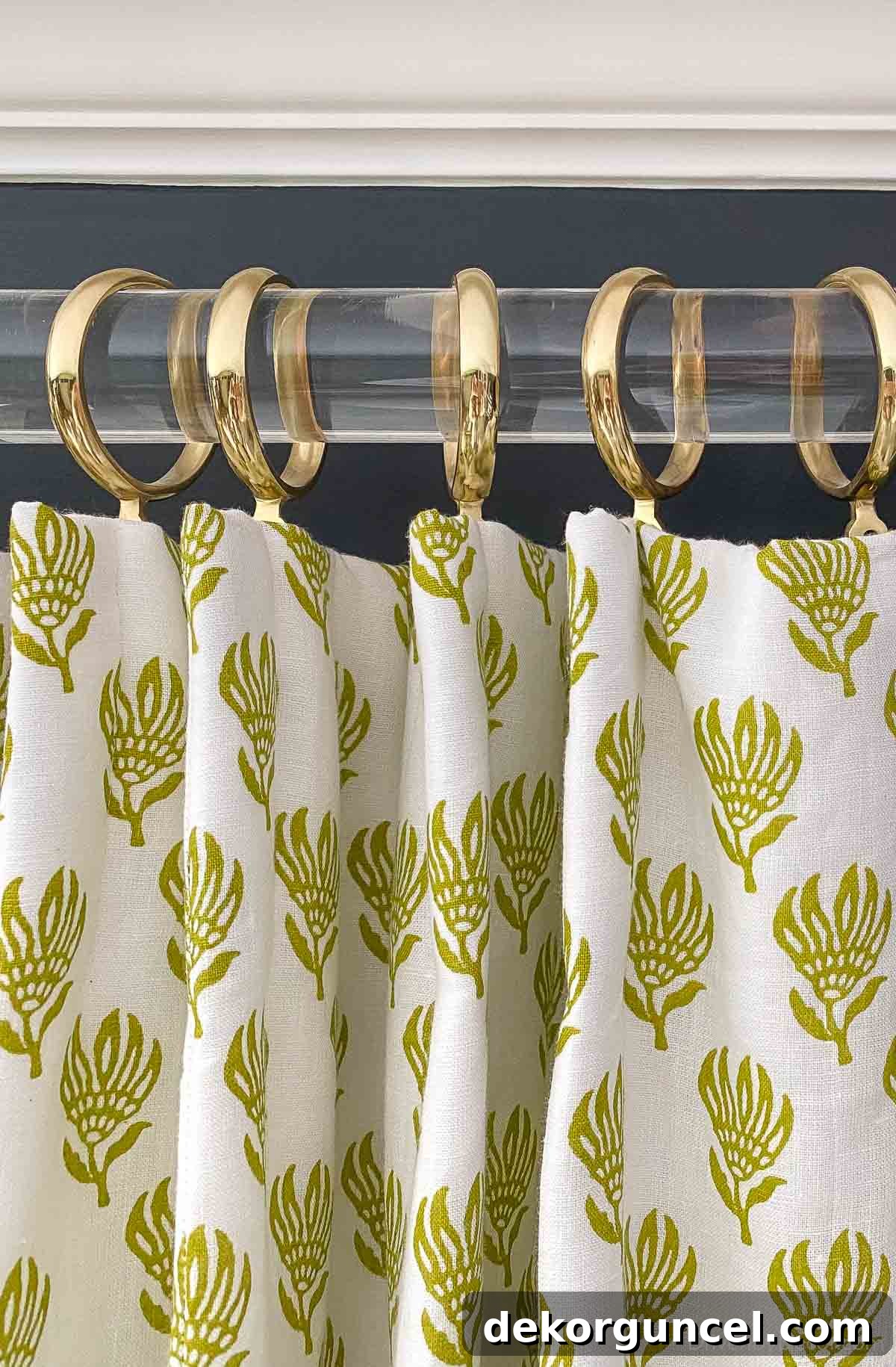
It’s worth noting that the price of these particular curtain rings has increased significantly since my initial purchase. I recommend exploring other options for polished brass rings to find a more budget-friendly alternative. For instance, these 2-inch gold curtain rings, which I successfully used for a different project, might be a suitable and more economical choice.
For the finishing touch, I used these 2-inch flush end caps. While they were aesthetically pleasing, their fit was a little looser than I preferred. To ensure they stayed securely in place, I applied some double-sided duct tape to the inside, which worked perfectly. (A quick note: do not try the 1.5-inch end caps of this style, as they were unfortunately too small for my rod).
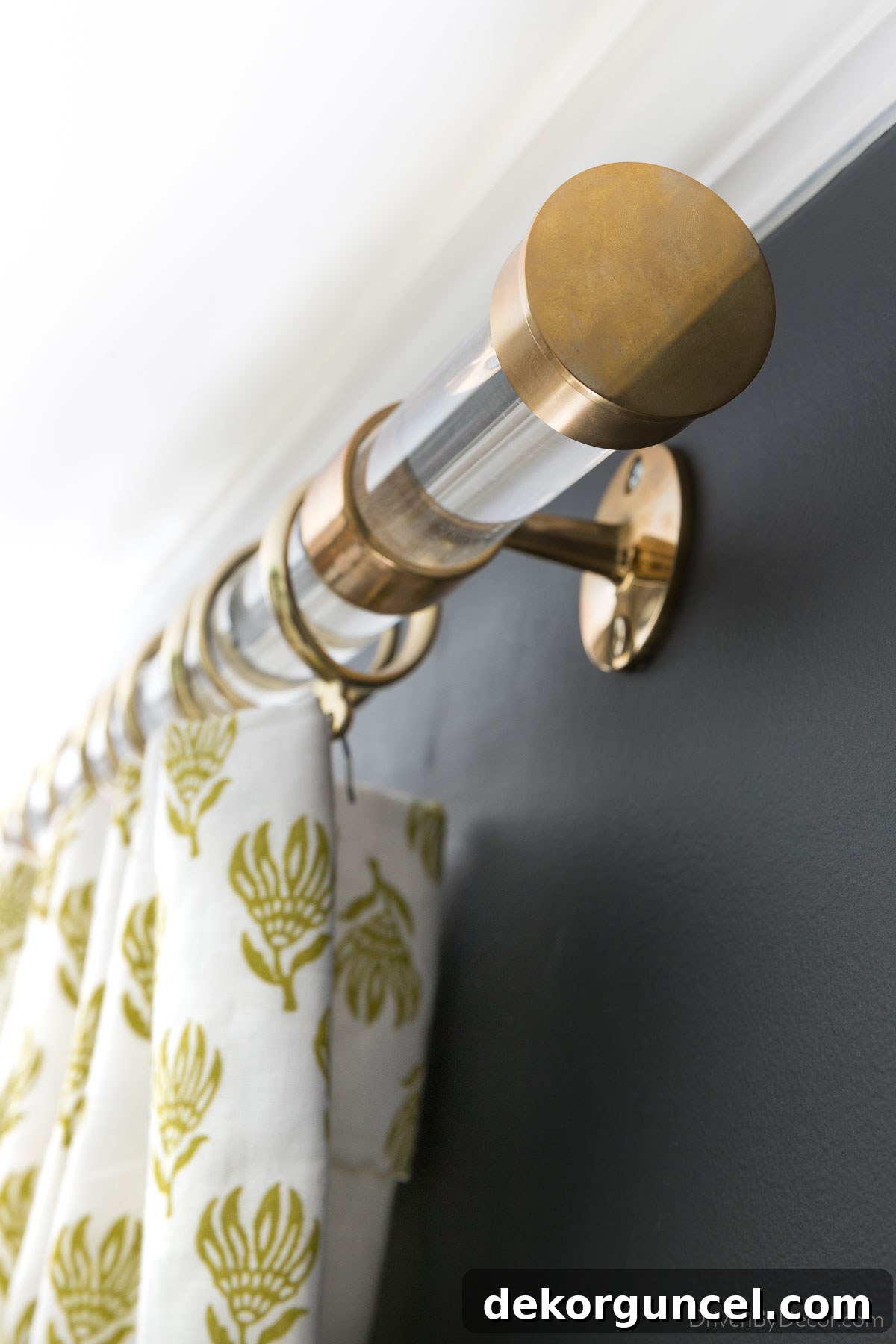
Given my experience with the end caps, for any future acrylic rod hardware purchases, I would opt for a different style designed for a more precise fit. Specifically, I would consider these end caps or these end caps, both of which are specifically sized to fit a 1.5-inch rod snugly and securely.
A crucial consideration when piecing together hardware from different manufacturers is that brass finishes, or any metal finishes, can vary slightly in tone and sheen. If a perfect, uniform match is essential to your design aesthetic, it’s advisable to purchase all your brackets, rings, and end caps from a single source, such as this highly-rated Etsy shop. Alternatively, for a truly unified color, you can utilize one of the many fantastic Rub ‘n Buff colors to create a consistent finish across all your metal hardware components.
Ensuring Longevity: Will Your Acrylic Rod Sag Over Time?
A common concern with any long curtain rod, especially those supporting heavier drapes, is the potential for sagging over time. My personal experience with high-quality acrylic rods provides reassuring insights into their durability. I had our acrylic rods installed for over five years in our previous home, and I can happily confirm that they held up exceptionally well, maintaining their structural integrity and pristine appearance.
During those five years, there was absolutely no noticeable yellowing of the acrylic, a testament to the superior UV resistance of cast acrylic. Regarding sagging, I did observe a barely perceptible dip between the brackets a few years into ownership. However, this minor issue was easily remedied by simply rotating the rod 180 degrees within its brackets. This simple adjustment completely resolved the sag, redistributing any stress on the material. This experience reinforces the importance of choosing high-quality cast acrylic and ensuring proper bracket support, especially for longer spans.
To proactively prevent sagging and ensure the longest lifespan for your acrylic rods, consider these tips:
- Choose Cast Acrylic: As highlighted, cast acrylic is inherently more rigid and less prone to bending than extruded acrylic.
- Select the Right Diameter: Match the rod’s diameter to the weight of your drapes. Heavier fabrics or wider windows will benefit from a larger diameter rod (e.g., 1.5-inch or 2-inch) to provide adequate support.
- Proper Bracket Spacing: Adequate support is crucial. Generally, aim for a maximum span of 48-60 inches between brackets. For very long windows, a center support bracket is indispensable.
- Consider Rod Length: For exceptionally wide windows requiring spliced rods, ensure the splice point is discreetly hidden by a central bracket.
Based on my positive experience, I would absolutely purchase and recommend the same acrylic rods again without hesitation. Their combination of aesthetic appeal, robust performance, and long-term durability makes them a truly worthwhile investment for enhancing your home’s decor.
Styling Your Space with Acrylic Curtain Rods
Acrylic curtain rods are incredibly versatile and can elevate a wide range of interior design styles. Their transparent nature allows them to blend seamlessly while adding a touch of understated glamour. Here are some tips for styling them in your home:
- Modern & Minimalist: Their clean lines and clear material make acrylic rods a perfect fit for modern and minimalist aesthetics, preventing visual clutter while still providing functional support.
- Glam & Luxe: Paired with polished brass, chrome, or nickel hardware, acrylic rods instantly inject a dose of luxury and sophistication, especially when combined with rich fabrics like velvet or silk.
- Transitional: Acrylic rods can bridge the gap between traditional and contemporary styles, offering a fresh update to classic drapes without overpowering the space.
- Small Spaces: In smaller rooms or those with lower ceilings, the transparency of acrylic rods can create an illusion of space, making the room feel more open and airy.
- Pairing with Drapes: Acrylic rods look stunning with both patterned and solid drapes. Their clarity allows the fabric to be the star, providing support without distraction. Consider sheer curtains for a light, ethereal look, or heavier, lined drapes for added privacy and insulation.
Maintaining Your Acrylic Rods and Hardware
Keeping your acrylic rods and brass hardware looking their best is surprisingly simple. For acrylic, a soft, damp cloth with a mild soap solution is usually sufficient to wipe away dust and smudges. Avoid abrasive cleaners or paper towels, which can scratch the surface. For brass hardware, a gentle polish designed for brass can restore its shine and remove any tarnish that might accumulate over time. Regular, light cleaning will ensure your curtain rods remain a dazzling feature in your home for years to come.
So, after exploring all the facets of these elegant window treatments, what do you think? Are acrylic rods with their captivating blend of transparency and metallic gleam the perfect choice for your home’s next design statement?
