
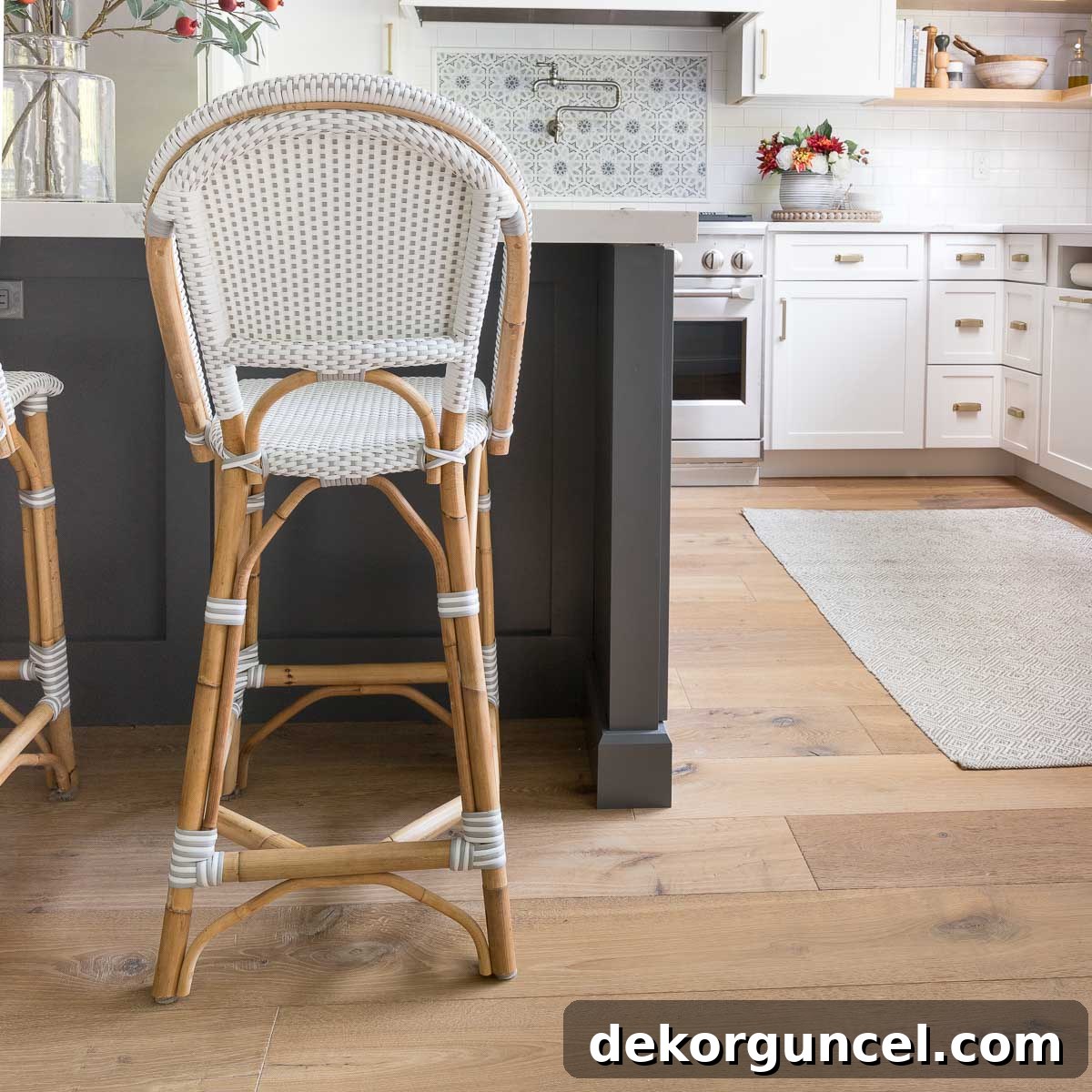
An honest and in-depth three-year review of Hallmark Malibu Oak engineered hardwood floors in a busy kitchen environment.
Transforming a kitchen space often begins with a vision, and for many homeowners, the foundation of that vision lies beneath their feet: the flooring. After undergoing a significant kitchen remodel in our previous home, a project I’ve previously shared (you can explore my kitchen remodel “before” and “after” if you haven’t yet), the most consistent inquiry I’ve received revolves around our exquisite Hallmark wood flooring. From the moment it was installed, I was captivated by its aesthetic appeal. However, truly evaluating such a pivotal investment requires more than just initial impressions; it demands living with the product, putting it through its paces, and observing its performance over time.
Now, after three years of daily life, countless meals, pet antics, and general household activity, I feel fully equipped to provide a comprehensive and transparent review. This deep dive will cover crucial aspects like its resistance to staining and scratching, the overall cost involved, and ultimately, whether I would confidently choose Hallmark Malibu Oak engineered hardwood floors again. This post includes commissionable links; for more information, please refer to my full disclosure statement {here}.
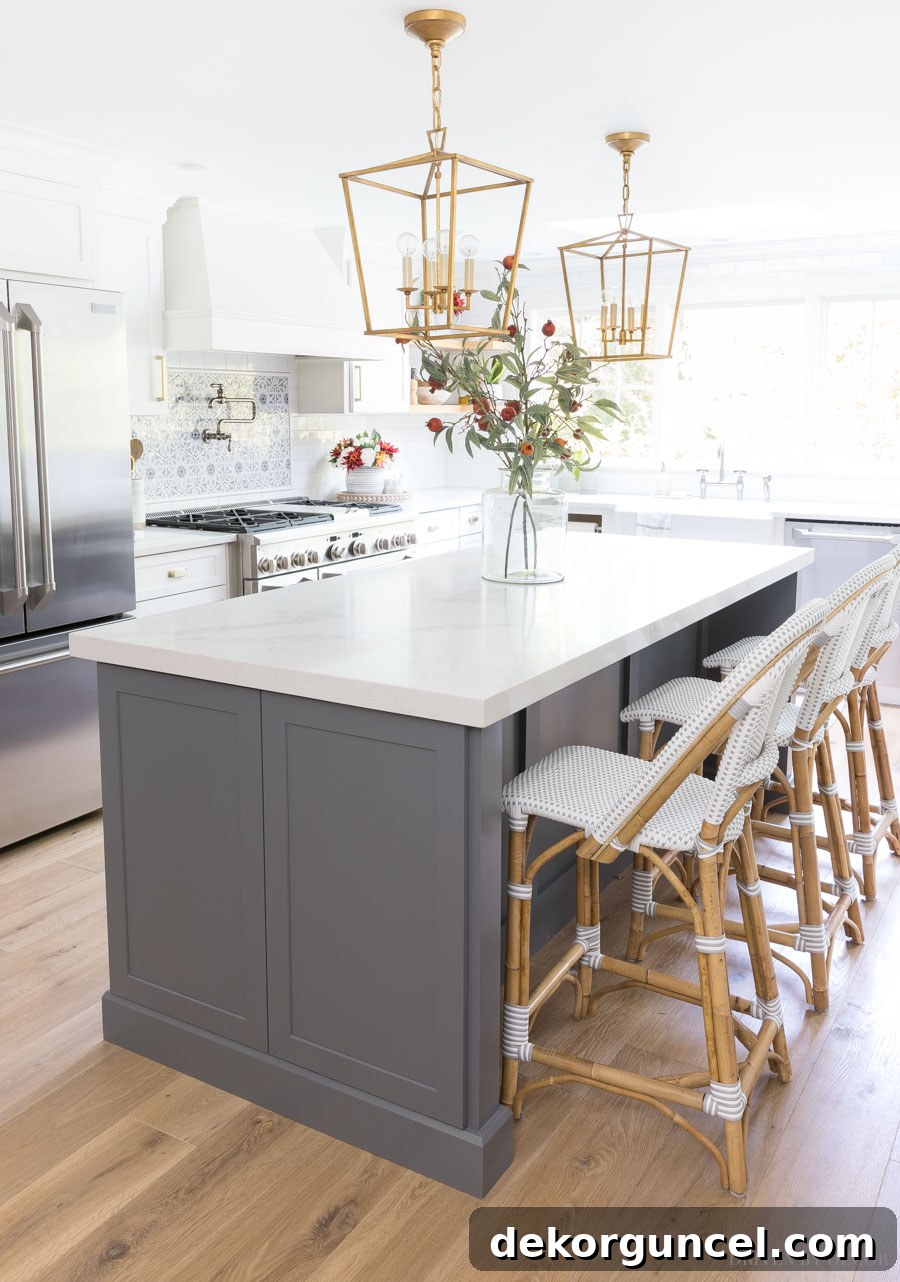
Before diving into the specifics of this comprehensive review, I believe it’s essential to clarify my relationship with Hallmark Floors. Transparency is paramount in all my content, and long-time followers of my blog have come to expect and trust my genuine opinions, regardless of whether a post is sponsored or not. For newcomers who might approach review posts with a healthy degree of skepticism, I want to assure you that this particular article is not a sponsored collaboration. While I did receive a designer discount on my Hallmark flooring, it was not provided to me free of charge. In fact, I invested thousands of dollars in both the flooring materials and their professional installation. Furthermore, I was not compensated by Hallmark Floors to create this blog post or any other related content. My insights are purely my own, born from real-world experience. With that understanding firmly established, let’s explore the performance and appeal of these beautiful floors.
What Brand and Style Are Our Kitchen Floors?
Our stunning kitchen floors originate from Hallmark Floors’ distinguished Alta Vista Collection, specifically their renowned Malibu Oak Hardwood. These are engineered hardwoods, a modern innovation in flooring that distinguishes itself from traditional solid hardwood. Instead of a single, solid piece of wood, engineered hardwoods are meticulously constructed from multiple layers: a top layer of genuine hardwood veneer fused over several layers of high-quality plywood. This multi-ply construction offers superior stability, particularly in environments prone to moisture fluctuations, such as kitchens.
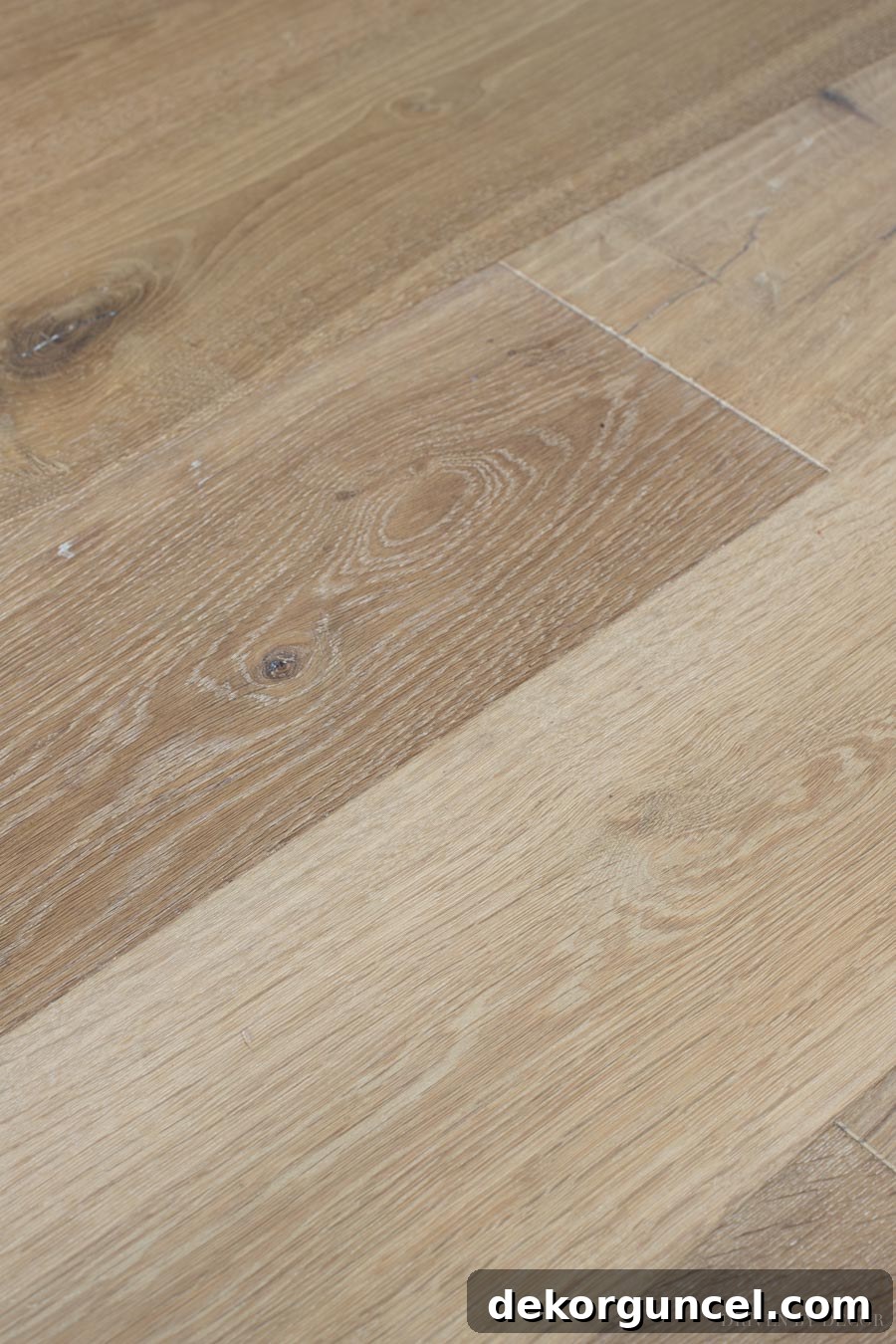
The Malibu Oak planks boast a substantial thickness of ⅝″, a generous width of 7.5″, and come in varying lengths, which contributes to a more authentic and expansive look once installed. The finish itself is a true highlight: French White Oak, known for its distinctive grain patterns and natural elegance. Hallmark enhances this inherent beauty with unique saw-cut grain patterns and a hand wire-brushed texture. This wire-brushing technique not only adds a tactile dimension but also subtly opens the wood grain, creating a naturally aged and artisanal appearance. What truly sets this flooring apart is the rich variation from board to board—in color, graining, natural knots, and subtle imperfections—each plank tells a story, contributing to a deeply characterful and inviting floor that feels custom-made.
Why We Chose Hallmark’s Malibu Oak Engineered Hardwood Floors
When embarking on our kitchen renovation, one of the most critical decisions involved the flooring: to opt for traditional solid hardwoods or engineered hardwoods. My research and discussions with professionals led me definitively towards engineered hardwoods for several compelling reasons. Firstly, the installation process for engineered flooring is significantly simpler and less disruptive. Unlike solid hardwoods, which typically require on-site sanding, staining, and multiple coats of polyurethane, followed by lengthy drying times that restrict floor access, engineered planks come pre-finished. This dramatically reduces installation time, mess, and the inconvenience of being unable to use your space for extended periods. Secondly, engineered hardwoods offer a vast array of sophisticated and unique finish options that are incredibly challenging, if not impossible, to replicate with traditional hardwoods. The specialized techniques and factory finishes provide a level of consistency and artistry that appealed greatly to my design vision.
An interesting observation from our installer underscored this trend: five years ago, nearly all his projects involved traditional hardwoods, but today, approximately 95% of his installations are engineered flooring. This dramatic shift highlights the growing preference and advancements in engineered wood technology.
Once the decision for engineered hardwood was made, the search narrowed, and Hallmark’s Malibu Oak quickly emerged as the frontrunner. I meticulously examined numerous samples from various brands, but none captured my aesthetic preferences quite like Malibu Oak. Its generous wide planks, the captivating variation from plank to plank, and the gorgeous saw-cut grain patterns perfectly aligned with the contemporary yet classic look I envisioned for our kitchen. The interplay of natural textures and a subtle, hand-brushed finish created an unparalleled sense of warmth and authenticity.
Beyond its visual appeal, extensive research into the Hallmark brand and the specific Malibu Oak product reassured me of its quality and durability. I consulted two trusted design friends, both of whom had chosen this exact flooring for their own homes and offered glowing endorsements regarding its performance and appearance. The product specifications further solidified my confidence: Malibu Oak boasts a notably thick top hardwood layer—far thicker than many other engineered floors on the market. This critical feature means that, should the need arise in the distant future, these floors can be refinished multiple times, much like traditional hardwoods, extending their lifespan and protecting our investment. The only considerations in the “con” column during my decision-making process were the price, as they are certainly not a budget option, and a cautionary note from my installer: oil-finished floors, like Malibu Oak, tend to be more susceptible to staining than traditionally sealed hardwoods (a point we’ll delve into later). Despite these minor reservations, I remain incredibly pleased with our choice. The floors are genuinely stunning, consistently drawing compliments from everyone who visits our home, serving as a testament to their enduring beauty and quality.
The only things in my “con” column when debating about getting these floors were that they’re not cheap and that my installer told me that oil finished floors (which is what these are) tend to stain easier than traditional hardwoods (more on that later). Overall, I’m super happy with my choice. They are truly stunning – everyone who comes to our house comments on them:
Do Hallmark Malibu Oak Floors Scratch Easily?
One of the primary concerns when investing in new hardwood floors, especially in high-traffic areas like a kitchen, is their susceptibility to scratching. I’ve been genuinely impressed by the scratch resistance of our Hallmark Malibu Oak floors over these past three years. Our kitchen is undoubtedly a hub of activity; it’s not just where we prepare and enjoy meals, but it also serves as a critical thoroughfare to our laundry room (which features the same flooring) and garage. This means constant foot traffic, furniture movement, and even the energetic sprints of our dog, Hope, who loves to chase her ball, often skidding to a halt on the smooth surface.
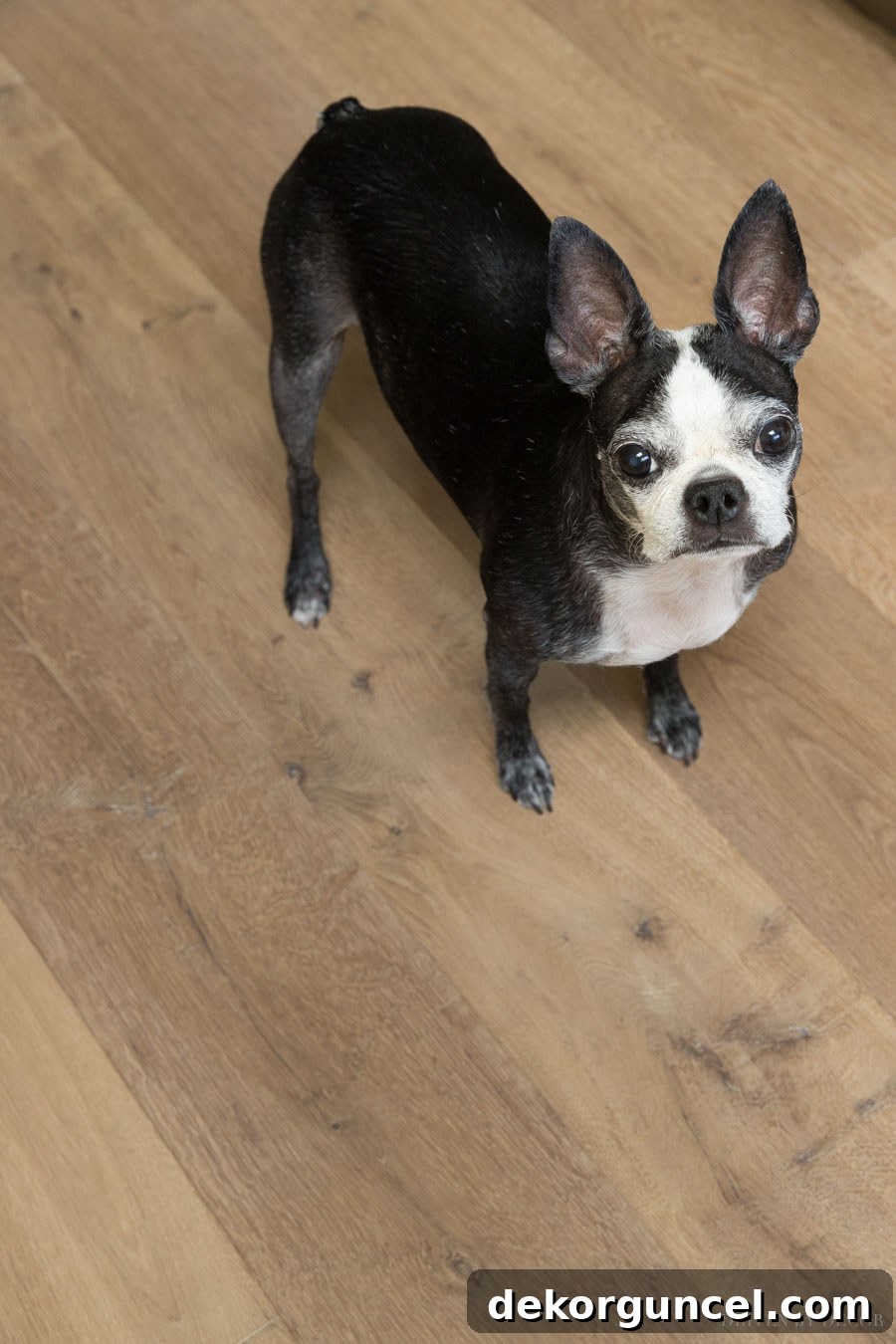
Despite this daily usage, the floors have largely maintained their pristine appearance. If I get down on my hands and knees and meticulously inspect the surface under direct light, I can discern a few very faint surface scratches. However, these are hardly noticeable in everyday living and certainly do not detract from the overall beauty of the flooring. The wire-brushed texture and varied grain patterns of the Malibu Oak design are particularly effective at camouflaging minor imperfections, making any small scuffs blend seamlessly into the floor’s natural character.
It’s important to frame this experience within our household habits. While we spend a considerable amount of time on these floors, we are also relatively gentle with them. We maintain a strict “no shoes in the house” policy, diligently apply felt pads to the legs of all chairs and furniture, and do not have small children who might drop heavy toys or cause more significant impact damage. Furthermore, I sweep and clean the floors quite frequently, removing abrasive grit that could contribute to scratching. These practices are not about “babying” the floors but rather reflect our general lifestyle and commitment to maintaining our home. Consequently, I cannot provide a definitive perspective for families with very active households, such as those with large, boisterous dogs (e.g., 100-pound breeds), toddlers constantly dropping objects, or frequent use of high-heeled shoes indoors. However, for a household like ours, the Hallmark Malibu Oak floors have demonstrated impressive resilience against daily wear and tear, exceeding my expectations for scratch resistance in such a busy environment.
Do Hallmark Malibu Oak Floors Stain Easily?
Staining is another critical concern for any flooring, particularly in a kitchen. For spills that are promptly cleaned, I’ve had absolutely no issues with staining on our Hallmark Malibu Oak floors. We’ve certainly had our share of accidents, including one memorable incident where my husband, Jeff, dropped an entire open thermos of coffee directly onto the floor, which was quickly wiped away without a trace. However, I have encountered instances of discoloration when water was left pooling on the floor for an extended period. The key characteristic here is that Malibu Oak floors feature an oil finish, and both hard water (which we have in abundance) and certain oils can leave surface stains if allowed to sit and penetrate this type of finish.
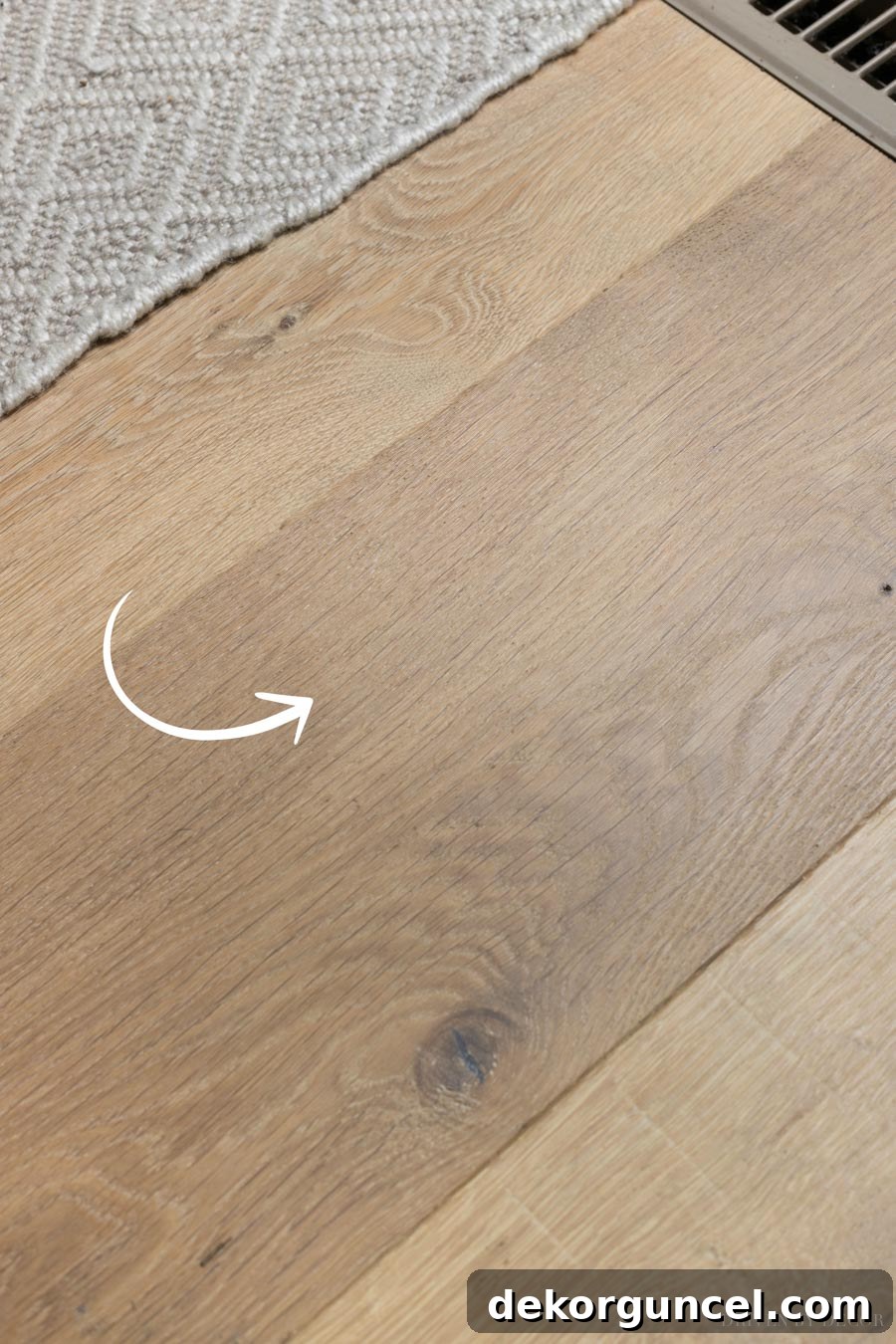
On two separate occasions, significant pooling of water occurred on our kitchen hardwoods and went unnoticed for several hours. Both times, after wiping up the water, a distinct gray discoloration was visible in the area where the water had stood. To address this, I used the recommended Nu Oil Cleaner. Over the course of several days, the initial gray discoloration gradually faded. However, the area where the water had been turned noticeably lighter in color than the surrounding hardwood. Immediately after these incidents, the spots were quite apparent, but I’ve observed a remarkable improvement over time. Both spots have become progressively less noticeable, and now, one truly has to look with great intent to spot them. The slight lightening has blended remarkably well with the natural variations of the Malibu Oak, making them almost imperceptible to the casual observer. The arrow in the image below points to the bottom edge of one such “stain,” where you can just barely detect the slightly lighter wood.
I’ve also come across reviews from other homeowners who have reported issues with oil stains resulting from cooking oil splatter on these and other oil-finished floors. However, I cannot personally comment extensively on this specific concern. When cooking with oil, I consistently utilize my back burners, which effectively minimizes the chance of oil splattering onto the floor, so I haven’t encountered any such stains myself. Hallmark Floors does offer a Restoration Oil designed to tackle stubborn mineral and oil stains, but given the minor nature and eventual fading of my water-related discolorations, I haven’t felt the need to try it. In summary, while staining hasn’t been a major problem for me, my experience suggests that my Malibu Oak floors may be slightly more prone to certain types of stains compared to more conventionally sealed traditional hardwoods, primarily due to their unique oil-finished nature. Understanding this characteristic is key for proactive maintenance.
Why Do Hallmark Malibu Oak Floors Appear Lighter/Darker in Different Photos?
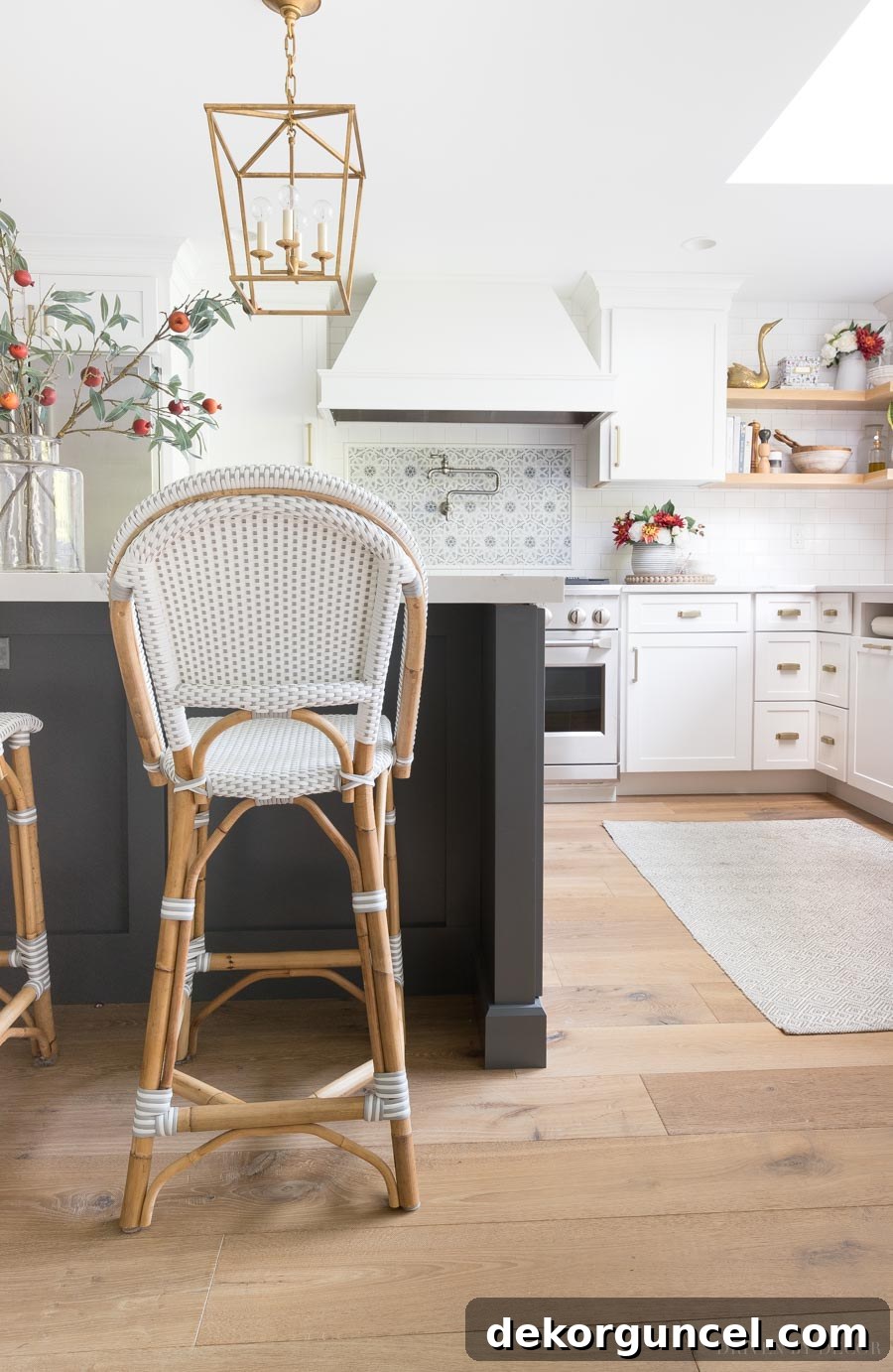
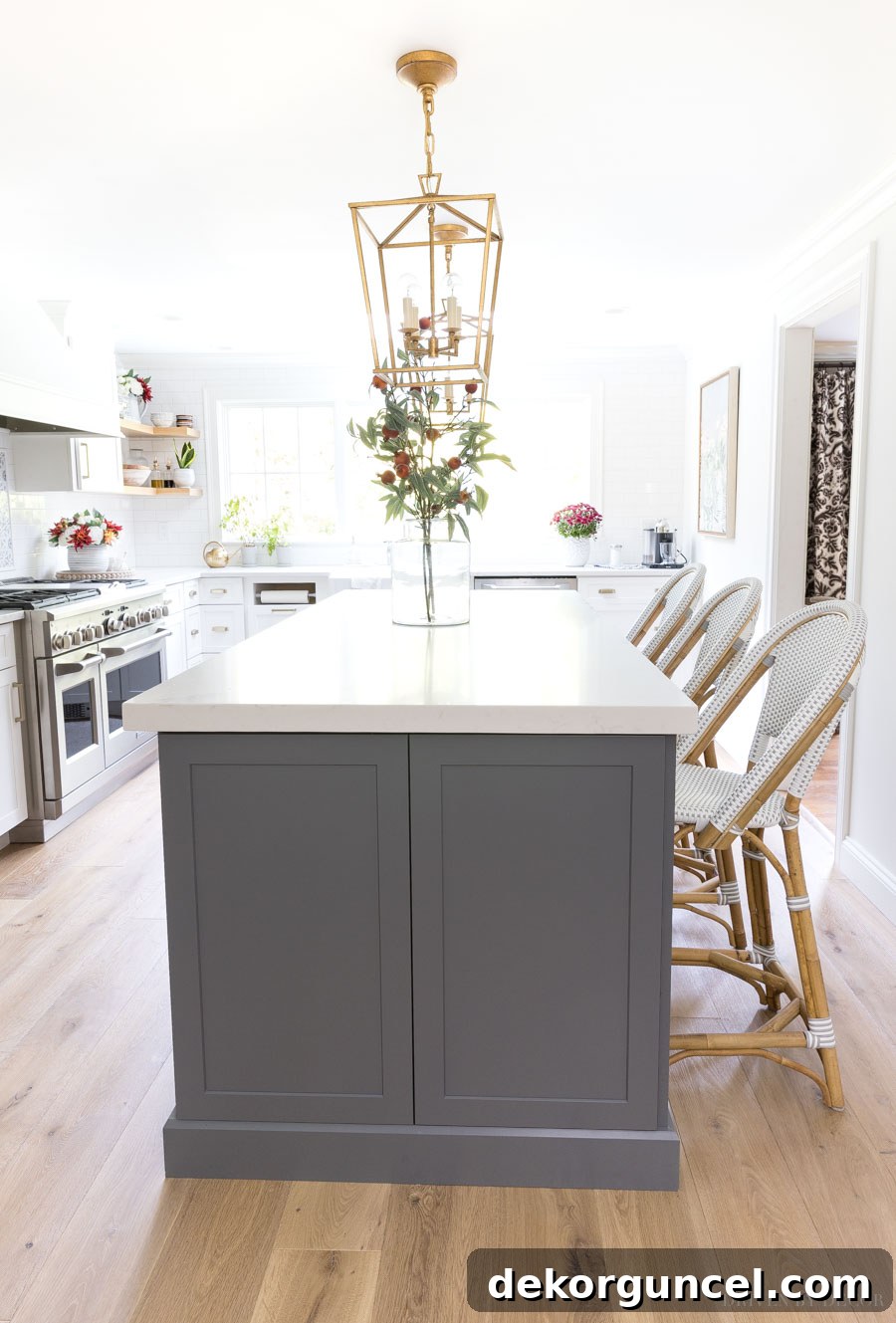
This is a common point of confusion, and one that perplexed me too when I was initially researching flooring options online! It’s not uncommon to see photos of Malibu Oak that portray it as quite dark, while others make it appear significantly lighter. This discrepancy can be attributed to several important factors, with lighting being a primary influence. The amount and type of light a room receives can dramatically alter the perceived color and tone of flooring. Consider the accompanying photo as a perfect illustration: the flooring on the left is bathed in abundant natural light, the section in the middle near the island is cast in shadow, and the flooring to the right receives moderate light. These varying light levels create a striking difference in how the floor’s color is interpreted from one side of the room to the other, making it appear both lighter and darker depending on the perspective.
Beyond the immediate impact of lighting, other factors contribute to the perceived color variance of Hallmark Malibu Oak flooring. Firstly, there’s significant natural variation not only within each box of Malibu Oak planks but also from batch to batch. This is a characteristic feature of fumed floors, which undergo a specialized fuming process. Instead of using traditional stains, fuming leverages the natural tannins present in the wood, exposing them to an oxidizing agent (typically ammonia vapor). This process enhances the wood’s natural colors and intensifies the contrast of the grain patterns without artificial staining. The beauty of fuming lies in its organic nature, but it also means that the outcome is inherently variable. Different regions, groves, and even individual trees will possess slightly different tannin compositions, leading to unique reactions during the fuming process and ultimately, variations in the final color and depth of each plank and batch. This organic inconsistency is often celebrated for adding character and uniqueness to the floor.
Secondly, hardwood floors, including fumed and oil-finished varieties like Malibu Oak, tend to lighten over time as they are exposed to sunlight and general environmental factors. This natural aging process means that a set of five-year-old Malibu Oak floors belonging to your neighbor will likely appear visibly lighter than a newly installed batch. Therefore, when viewing samples or images online, it’s crucial to consider the age of the installation, the specific batch variation, and, most importantly, the unique lighting conditions of your own space. Always ask for current samples and view them in the actual room where they will be installed to get the most accurate representation of their color and appearance.
How Do We Clean Our Hallmark Malibu Oak Floors?
Proper maintenance is crucial for preserving the beauty and longevity of any hardwood floor, and it’s especially important for oil-finished engineered hardwoods like Hallmark Malibu Oak to adhere to manufacturer guidelines to maintain your warranty. According to Hallmark’s official maintenance guide, their approved cleaning products for Malibu Oak floors specifically include WOCA Natural Soap Spray, WOCA Natural Soap Concentrate, and Bona Pro Series Natural Oil Floor Cleaner. Using any other cleaning solutions could potentially invalidate the finish warranty, so strictly using one of these recommended products is an absolute must. These specialized cleaners are designed not just to clean, but also to nourish the oil finish, helping to replenish its protective qualities rather than stripping them away.
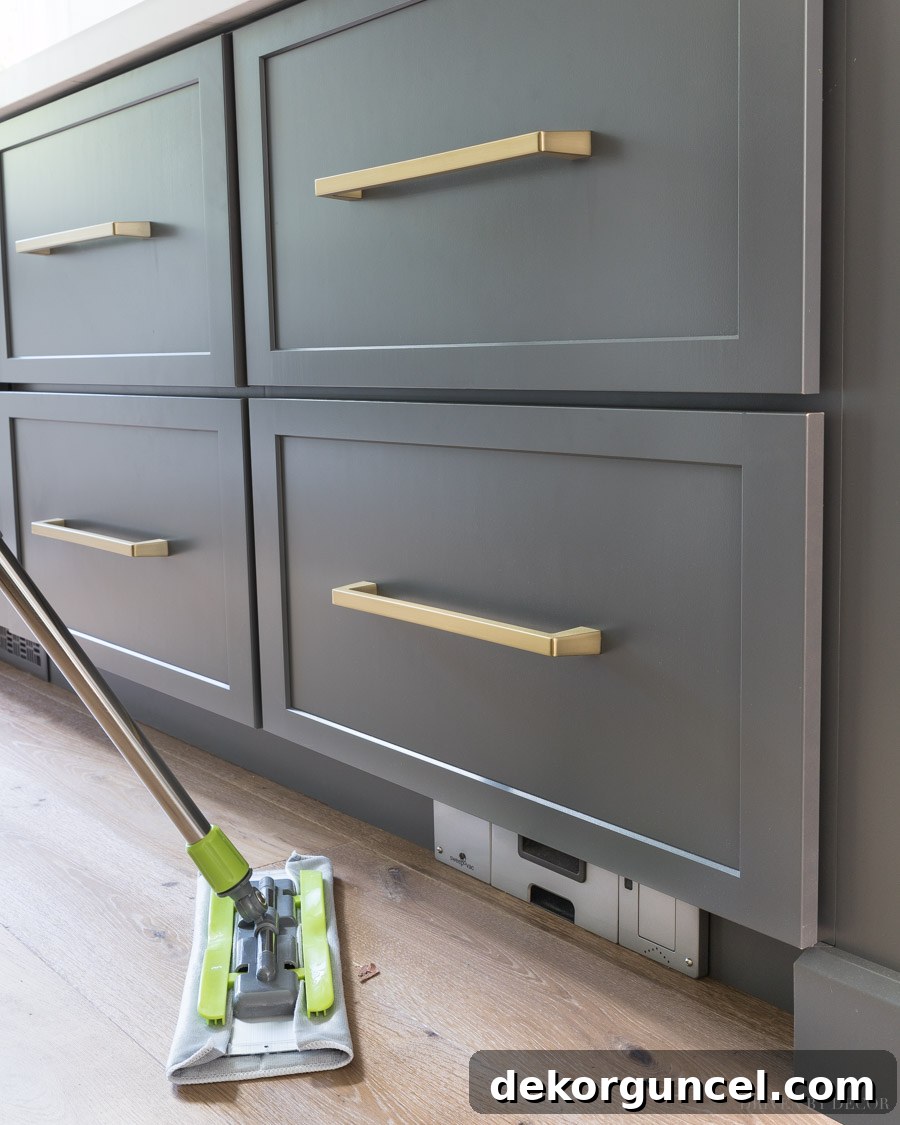
For more thorough deep cleaning sessions, I rely on {this convenient spray mop}. Its design is similar to a popular Swiffer Wet Jet, but with the added benefits of refillable bottles and washable, reusable microfiber mop pads. I fill the bottles with my preferred oil floor cleaner, ensuring I’m using a Hallmark-approved product. This allows for a controlled application of the cleaning solution, preventing oversaturation which can be detrimental to wood floors. The microfiber pads are excellent at trapping dirt and grime without scratching the surface, and being able to wash and reuse them is both environmentally friendly and cost-effective.
Between these deeper cleanings, maintaining the floors involves regular dry cleaning to keep dust, crumbs, and pet hair at bay. My Dyson cordless vacuum is a lifesaver for quick clean-ups, especially after meals or when Hope has been particularly active. Alternatively, I use a dry mop equipped with {a soft microfiber floor mop pad}. This is perfect for gently sweeping up loose debris and pushing it towards the integrated vacuum built into the toe kick of our kitchen island. This ingenious feature makes daily tidying effortless, capturing all the accumulated dust and crumbs without the need for a separate dustpan. This combination of approved cleaning products and a practical cleaning routine has kept our Hallmark Malibu Oak floors looking beautiful and well-maintained over the past three years.
How Much Do Hallmark Malibu Oak Floors Cost?
When considering Hallmark Malibu Oak flooring, understanding the cost structure is crucial. Hallmark Floors does not sell directly to consumers, meaning pricing will inherently vary among authorized dealers. Furthermore, it’s common practice for dealers to offer better per-square-foot pricing for larger volume purchases. For instance, buying 50 boxes of flooring will generally result in a lower unit cost than purchasing only 20 boxes. To provide you with a realistic estimate (based on 2018 prices, which are certainly higher now due to market fluctuations and inflation), I contacted three local dealers just before initially publishing this review.
Back in 2018, for a moderate-sized room of approximately 200 square feet, the material cost for Hallmark Malibu Oak flooring was estimated to be in the range of $1600-$1800. This estimate includes the necessary quantity to cover the floor plus an additional box, which is always recommended for potential future repairs or to account for unforeseen needs and cuts. Installation costs for engineered hardwoods typically range from about $2 to $3.50 per square foot, which would add an estimated $400-$700 for a 200-square-foot room (this figure generally does not include the cost of demolishing and removing old flooring). You might also need to factor in matching reducer or transition strips, as well as a delivery fee. Combining these estimates, a rough total for a 200-square-foot room in 2018 would have been approximately $2000-$2700. It is absolutely essential to contact your own local Hallmark dealers and professional installers today to obtain the most accurate and current pricing for your specific area and project scope.
A crucial point to emphasize regarding flooring installation: not all installers possess the same level of experience, skill, or commitment to using high-quality materials. This is particularly vital when installing flooring like Malibu Oak, which features significant natural variation from plank to plank. An experienced and conscientious installer will meticulously pay attention to the mix of boards within each box, pulling from multiple boxes simultaneously during installation to ensure a beautifully consistent and balanced distribution of color, grain, and character across the entire floor. This prevents unsightly patches of similar-looking planks and enhances the floor’s overall aesthetic appeal. Furthermore, if your engineered hardwoods are being glued down (installation methods can vary based on subfloor and specific product), the quality of the adhesive used makes a substantial difference in the long-term durability and stability of your floors. Some premium adhesives can be quite expensive, and less scrupulous installers might opt for cheaper alternatives or use less adhesive (for instance, my installer performed a “full coverage trowel glued” method) to keep their installation costs down. Therefore, when interviewing potential installers, beyond asking about their experience, always inquire about the specific installation methods they would employ and the brands and types of materials, especially adhesives, they plan to use. Investing in a skilled installer is just as important as choosing quality flooring materials.
Do We Recommend Hallmark’s Malibu Oak Floors?
To put it simply, I absolutely adore our Hallmark Malibu Oak floors. I am genuinely thrilled with our choice and, if given the opportunity to make the decision all over again, I would unequivocally choose them once more. For the vast majority of homeowners and household situations, my answer is a resounding yes—I would wholeheartedly recommend these floors. They offer a unique blend of timeless beauty, impressive durability, and practical maintenance that makes them an excellent investment for many living spaces.
However, it’s also important to acknowledge that no flooring is universally perfect, and there are a few specific scenarios where I would advise potential buyers to consider other options or proceed with extra caution. For example, given the issues I’ve experienced with floor discoloration due to standing water, these floors may not be the optimal choice for spaces that anticipate frequent or significant water exposure. Imagine a mudroom in a New England home, where children regularly track in snow and slush, leaving wet boots and damp clothes directly on the floor. In such a high-moisture environment, the oil-finished nature of Malibu Oak could present ongoing challenges. Similarly, for a laundry room, especially if it’s the only space being floored, the inherent high risk of water spills from washing machines or sinks might make a more water-resistant material a more practical choice. While our laundry room does have these floors, it’s part of a larger continuous flow of the same flooring, which adds to the overall aesthetic coherence of our home.
Ultimately, after narrowing down your choices for engineered hardwoods, I cannot stress enough the importance of getting samples of your final contenders and subjecting them to your own real-world tests. Bring them into your home and expose them to the types of spills or potential stains that are most common in the specific area where the flooring will be installed. See how they react. Observe them under different lighting conditions throughout the day. You might even want to go a step further and order the manufacturer’s recommended cleaners to see how effectively they work on any spills or marks you create. Flooring represents a significant financial investment and a major design decision for your home. Taking this extra time and spending a small amount on samples and cleaners is a truly worthwhile step to ensure you are making the absolute best and most informed choice for your unique lifestyle and needs. For us, the beauty, character, and overall performance of Hallmark Malibu Oak have made it a truly cherished feature of our home.
I sincerely hope this detailed, three-year review has addressed all your questions regarding our Hallmark Malibu Oak engineered hardwood floors. If anything remains unclear or you have further inquiries, please don’t hesitate to ask away in the comments section below—I’m always happy to share more insights! For those of you who are new to my blog and might have missed the complete transformation of our kitchen, I invite you to explore that comprehensive post. You can find many more pictures of our remodeled kitchen and detailed sources for every element in the space, from our custom cabinets and high-end appliances to our elegant cabinet hardware, modern lighting fixtures, and so much more, by clicking {here}. Enjoy the rest of your weekend!
XO,
