
Portugal wasn’t on our list until ChatGPT suggested it as a nine-day family trip for our group of four, including our two adult daughters. It provided a full itinerary with hotels, restaurants, and activities. After researching and mixing in a few of our own choices, we booked the trip and fell in love with a country we almost didn’t choose.
Portugal delivered on everything we wanted: excellent food, stunning scenery, rich history and culture, and a comfortable balance of adventure and relaxation. Below I share where we stayed, what we did, and our favorite restaurants in both Lisbon and the Algarve. This is detailed, so I’ll start with packing tips and then move through our itinerary.
Packing for Portugal
My top packing tip: comfortable walking shoes are essential. You can wear sandals in the Algarve, but bring sneakers for city walking. I packed a pair that dressed up or down easily and another with a thicker tread for Algarve hikes.
Layering is useful—mornings and evenings can be cool while afternoons warm up, especially in May. Some of my most-worn outfits combined lightweight tops, versatile pants, and a light cardigan or wrap. For outerwear, a trench, denim jacket, and an inexpensive wrap covered most situations. A small crossbody purse was invaluable for exploring Lisbon hands-free.
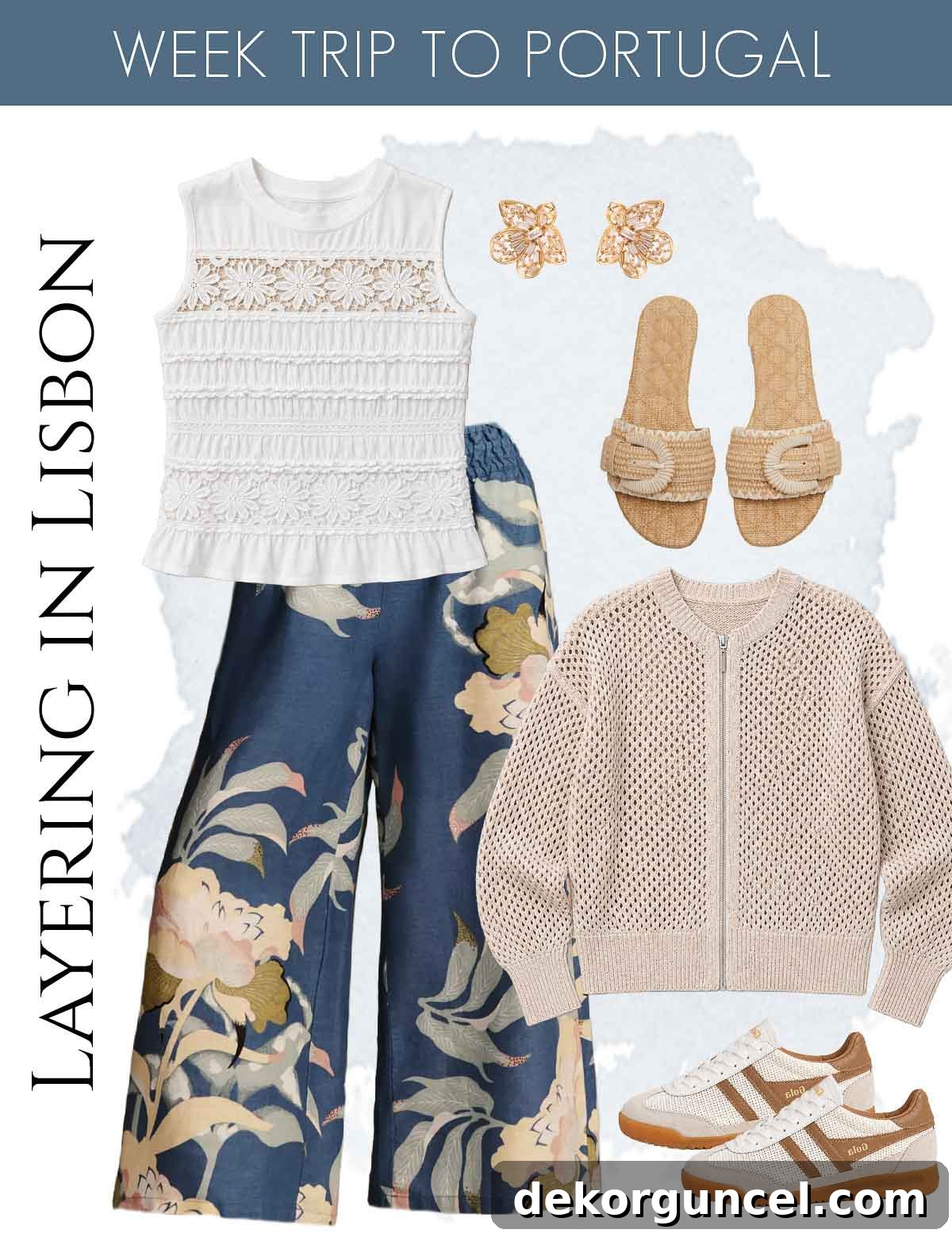
Style tips: comfortable sneakers, raffia sandals for warmer days, lightweight trousers, and a breathable long-sleeve for evenings. A trench or jean jacket and a wrap are great layering pieces for variable weather.
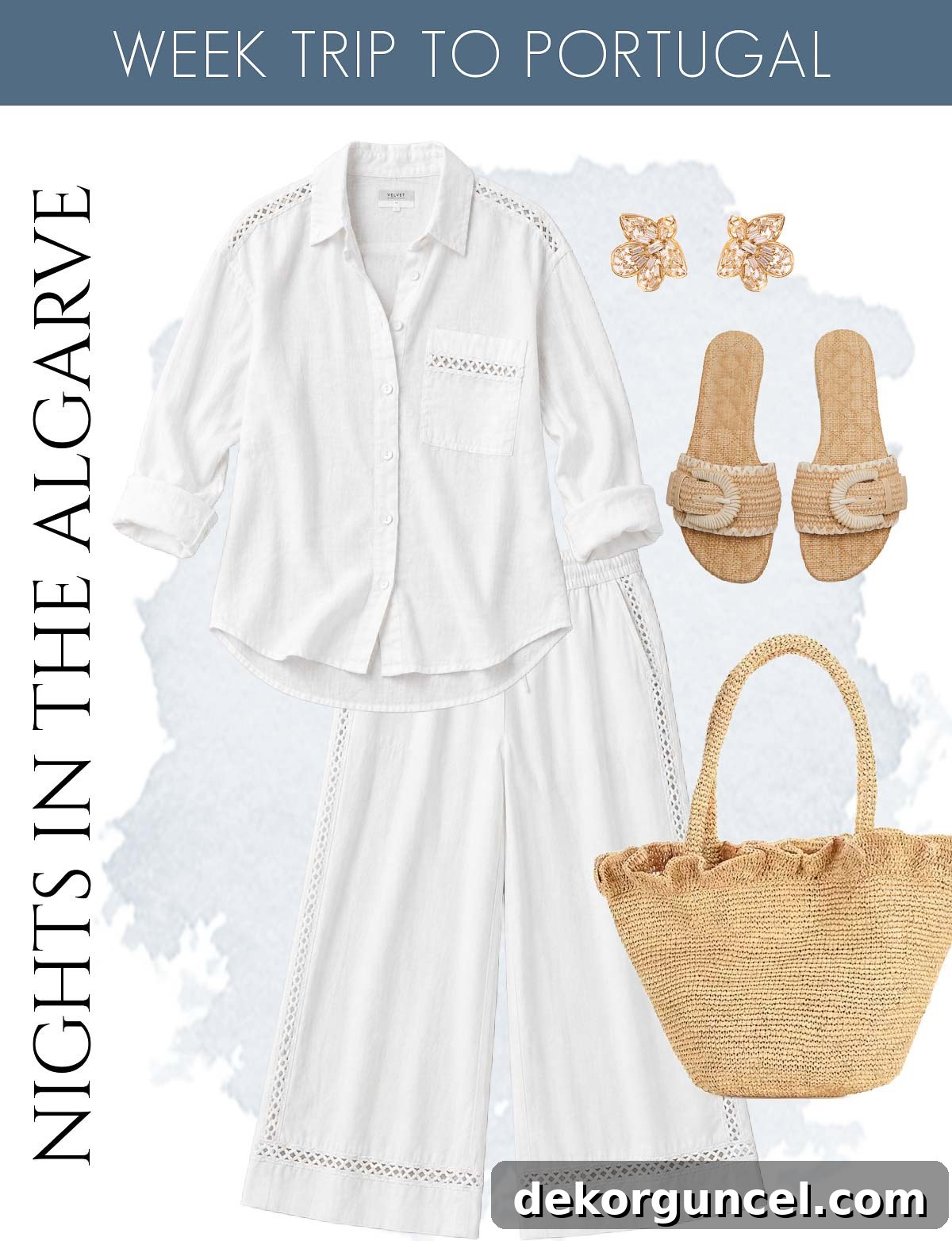
For resort evenings in the Algarve I favored simple white-on-white looks with crochet trims—comfortable, chic, and easy to dress up for dinner.
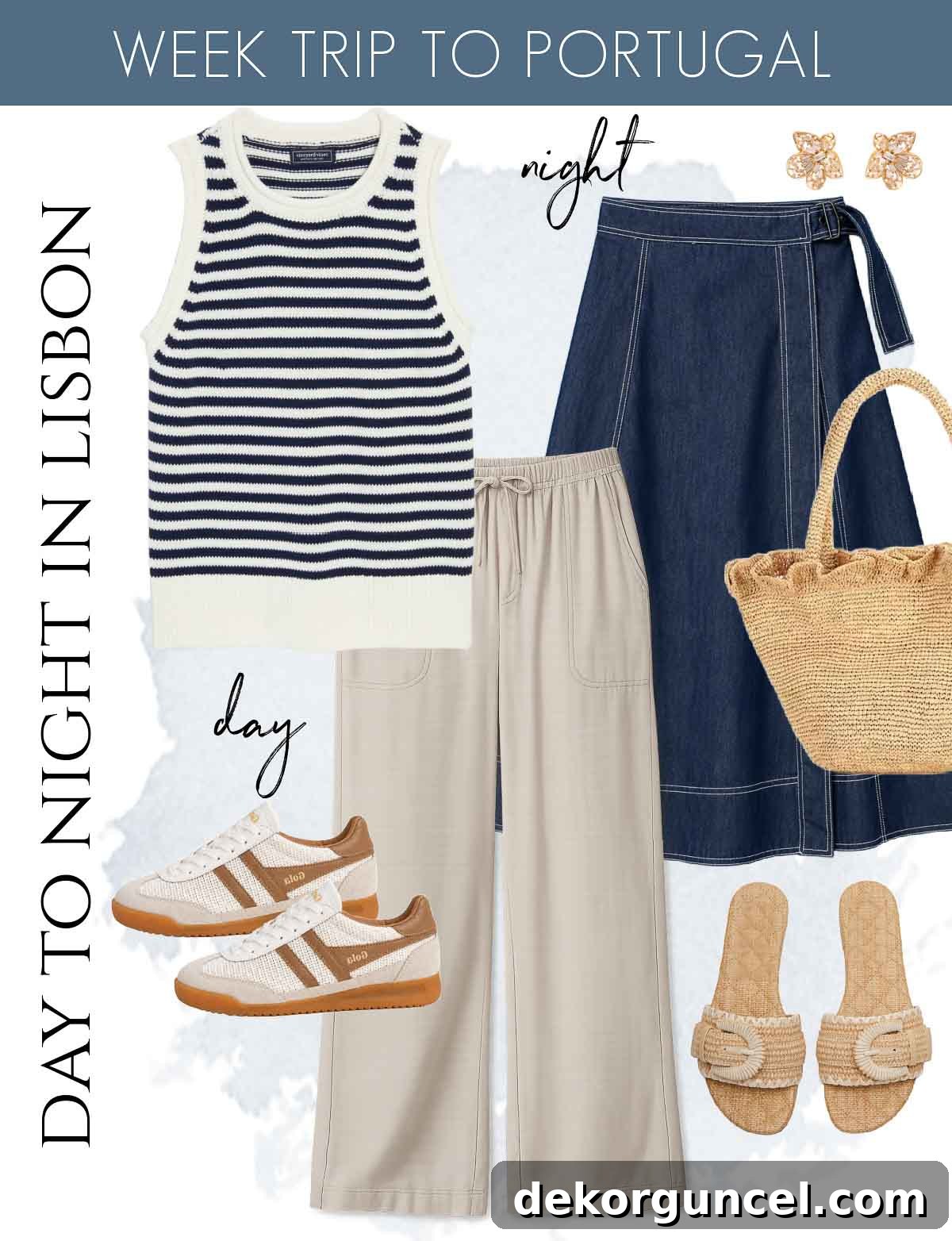
A Few Helpful Notes Before Visiting Lisbon
Before diving into our Lisbon highlights, a few practical notes:
- Walking: Lisbon is very hilly with cobblestone streets. We averaged over 10,000 steps a day and climbed many steep inclines. It’s excellent for active travelers but less suitable for strollers or anyone with limited mobility.
- Transport: Buy the Lisboa Card on day one for free public transportation and discounts at many attractions. Uber is also common and affordable.
- Time change: Portugal is on Western European Time (five hours ahead of Eastern). To adjust, push through the first day without a nap and plan for an early dinner to help shift your sleep schedule.
Lisbon: Where We Stayed
We arrived early in the morning and took an Uber to Santiago de Alfama, a boutique hotel housed in a 15th-century palace in the Alfama neighborhood. It has high ceilings, arched openings, and classic Portuguese tile. The hotel sits on a quiet side street but remains within walking distance of many Lisbon attractions.
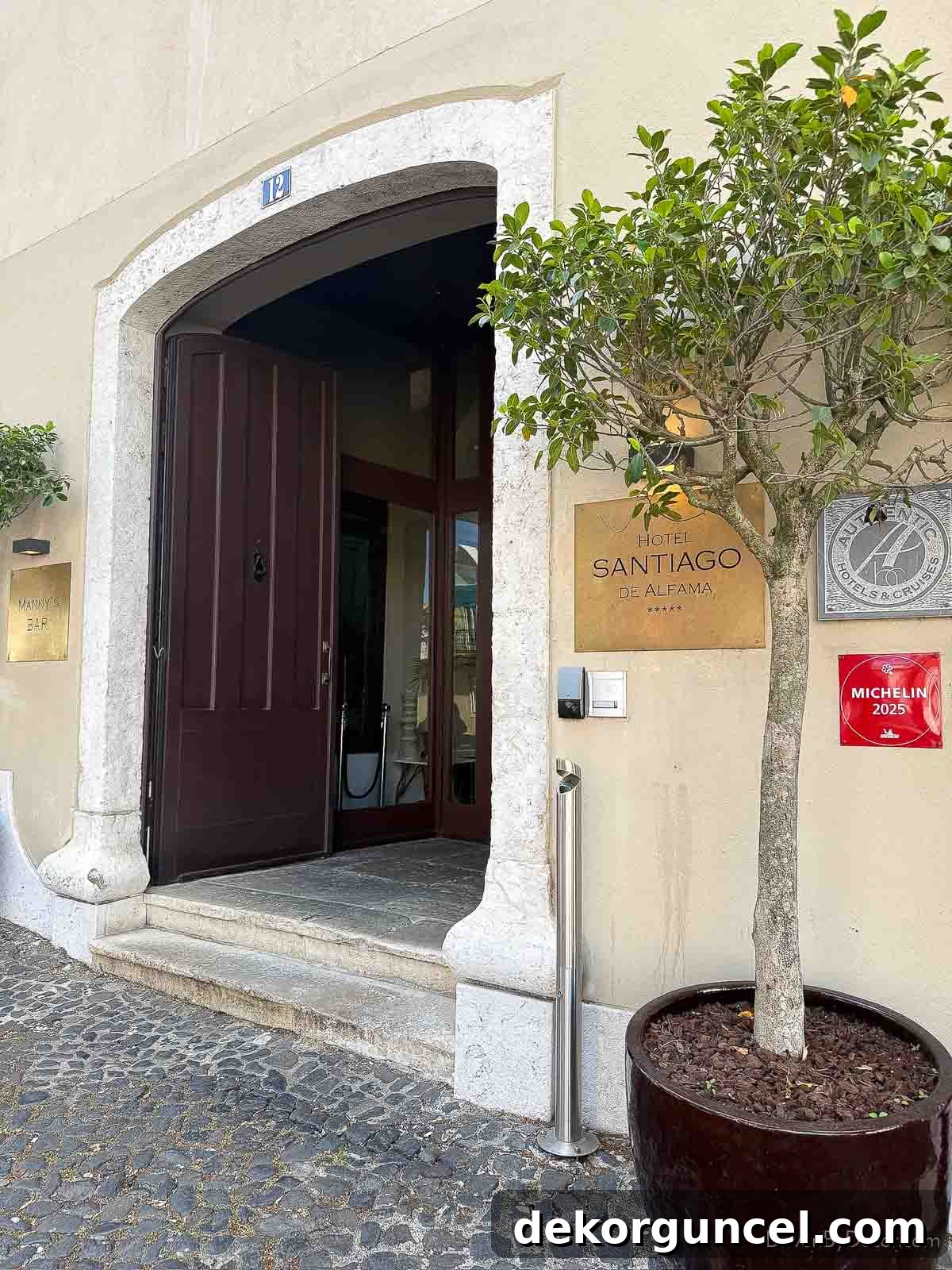
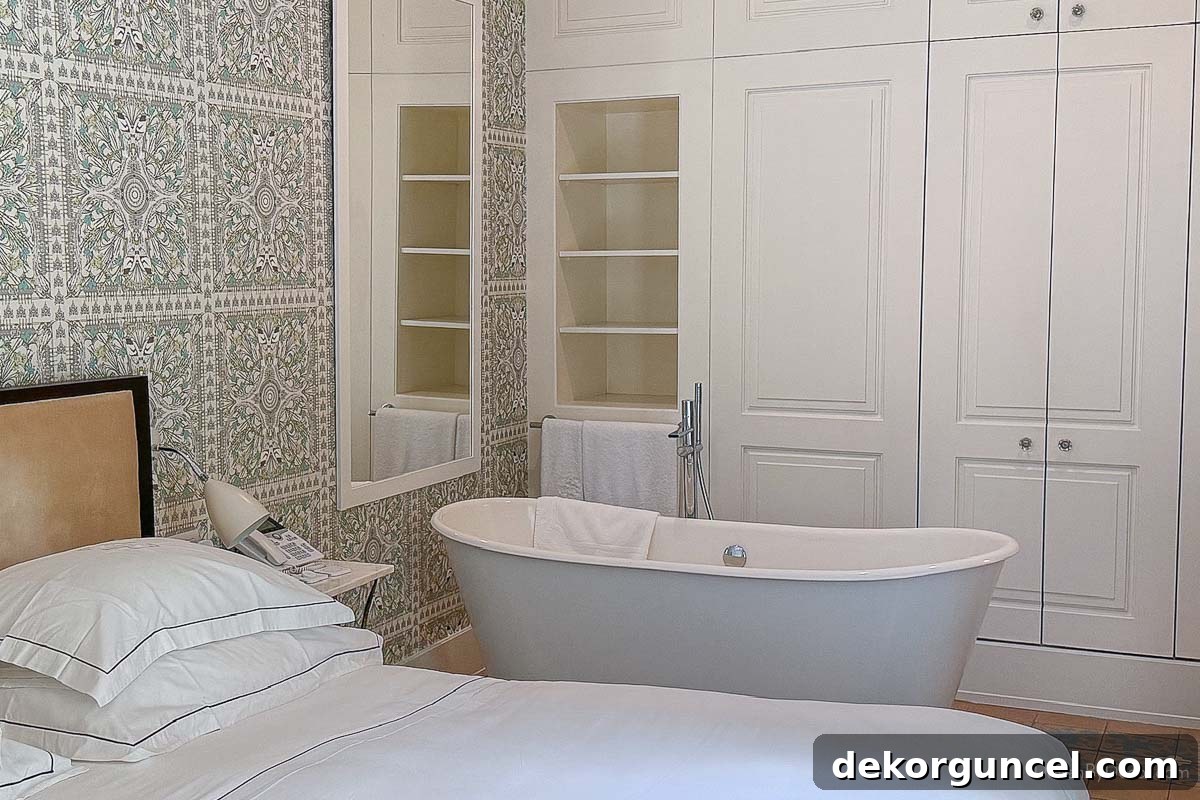
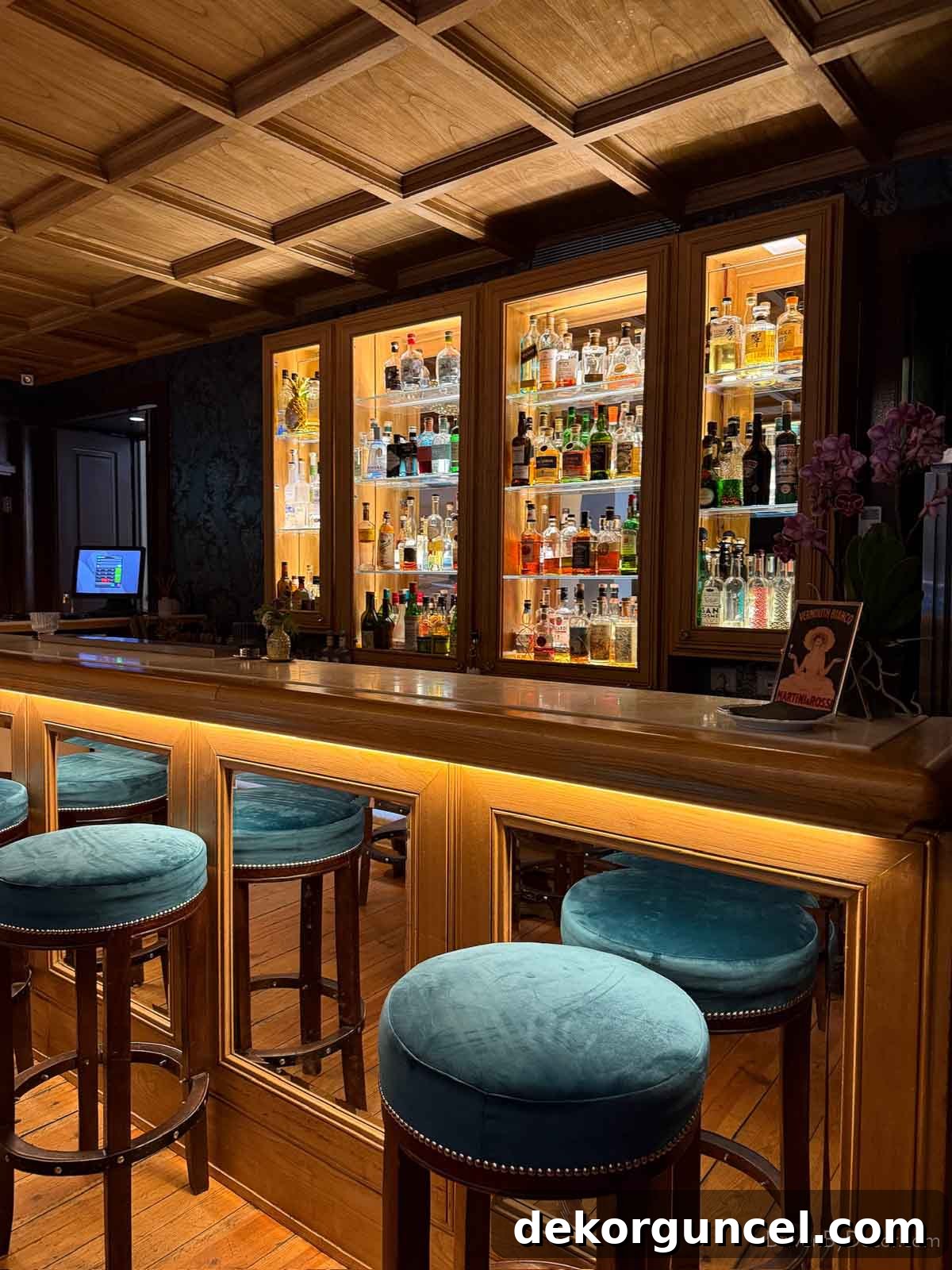
Our room had a clawfoot tub and opened onto a charming courtyard; other rooms offer views of the Tagus River or panoramic cityscapes. The hotel bar and courtyard are lovely spots to relax.
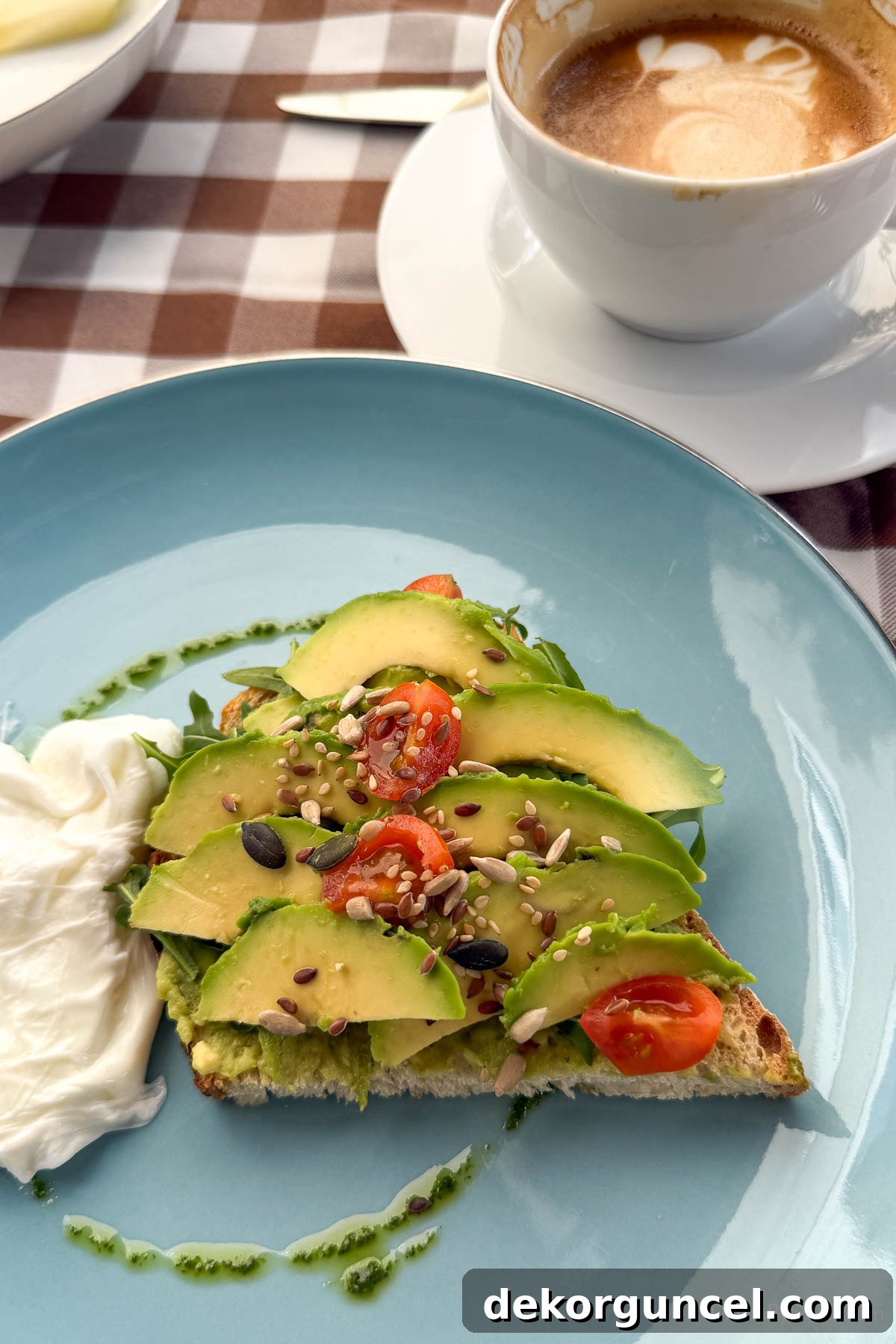
Breakfast was included and consistently excellent, with pastries and made-to-order dishes—the avocado toast with egg was a family favorite. We based ourselves at Santiago de Alfama for our entire Lisbon stay and made day trips from there.
Lisbon: What We Saw
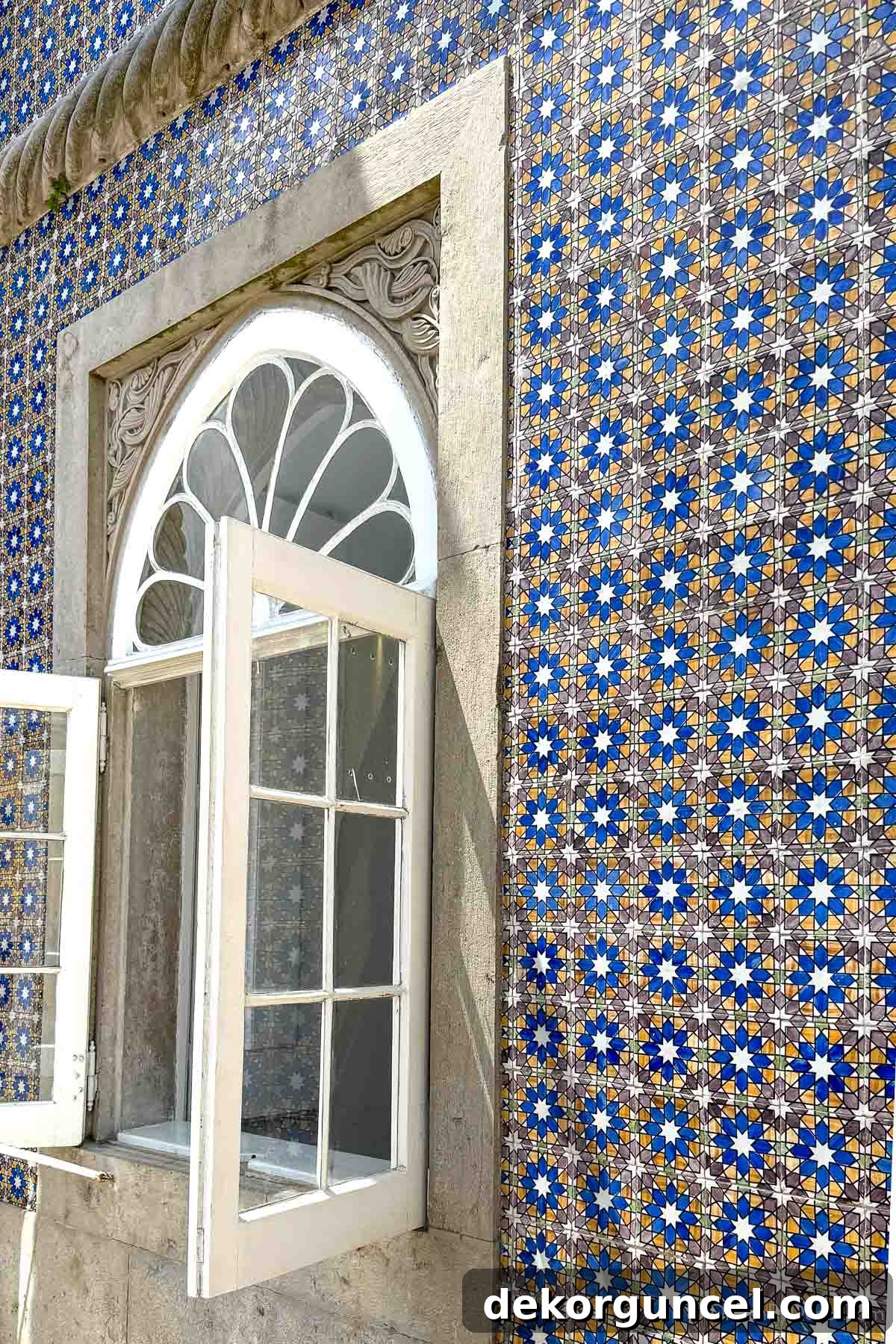
Lisbon is highly walkable and visually rich—tiled building facades and beautiful details are everywhere. Highlights from our stay included historic landmarks, viewpoints, markets, and lively food spots.
Day 1 in Lisbon
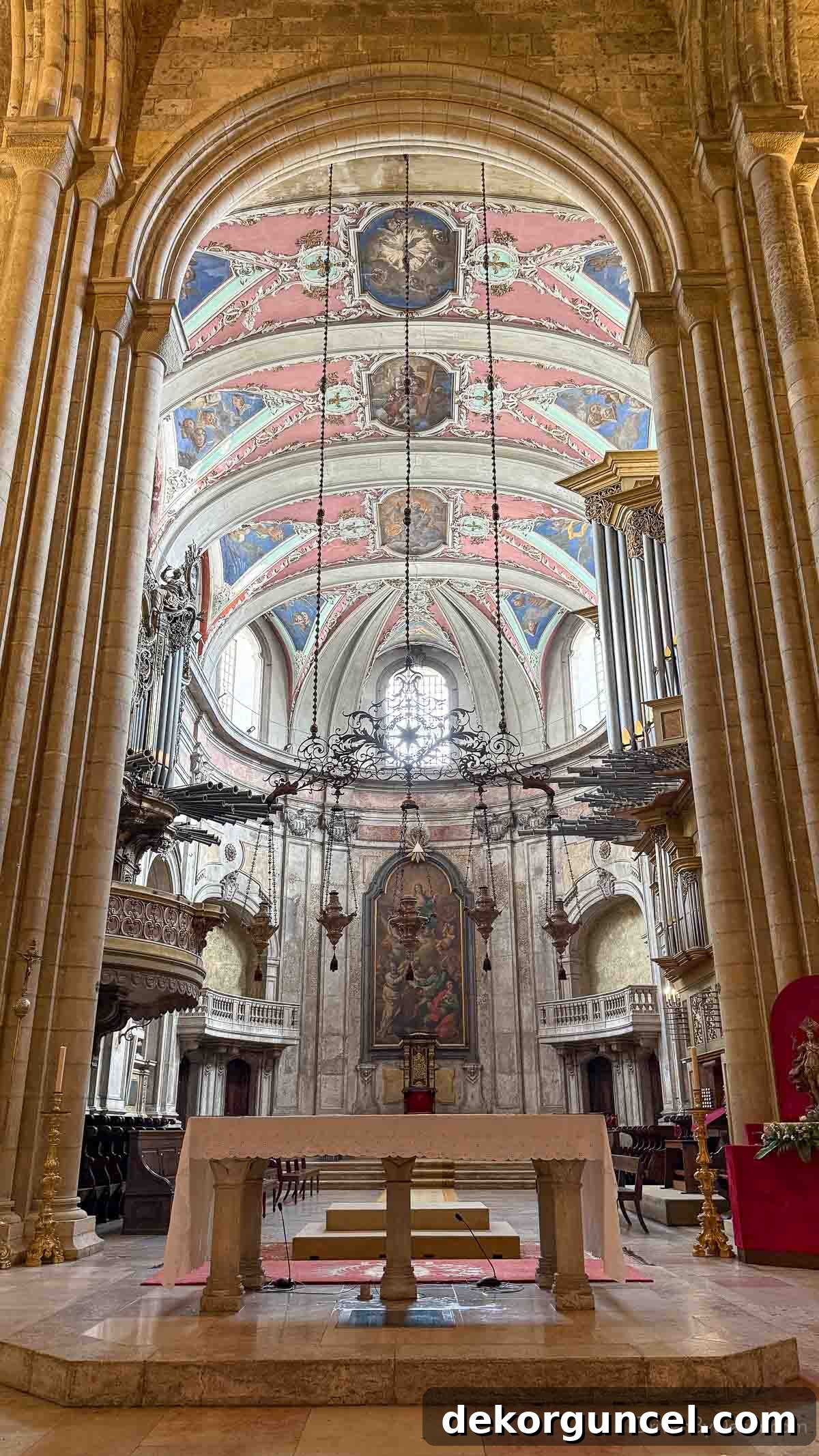
Lisbon Cathedral (Sé de Lisboa) is one of Portugal’s oldest churches and a striking Romanesque landmark worth visiting for its history and architecture.
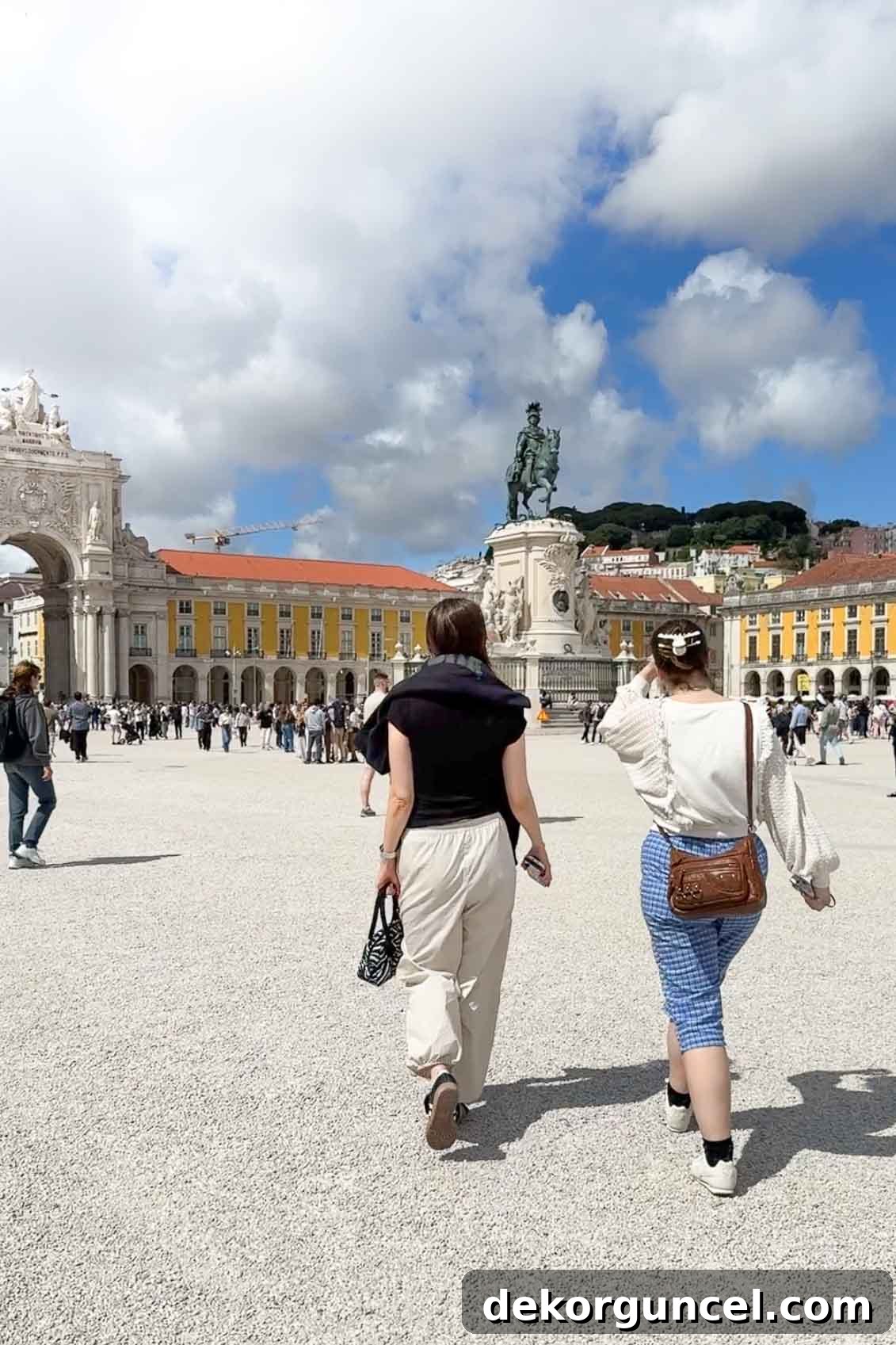
Praça do Comércio is a vast waterfront square on the Tagus River and a convenient place to pick up the Lisboa Card at the tourist information center. We bought ours on day one; it covers public transport and offers free or discounted entry to many attractions.
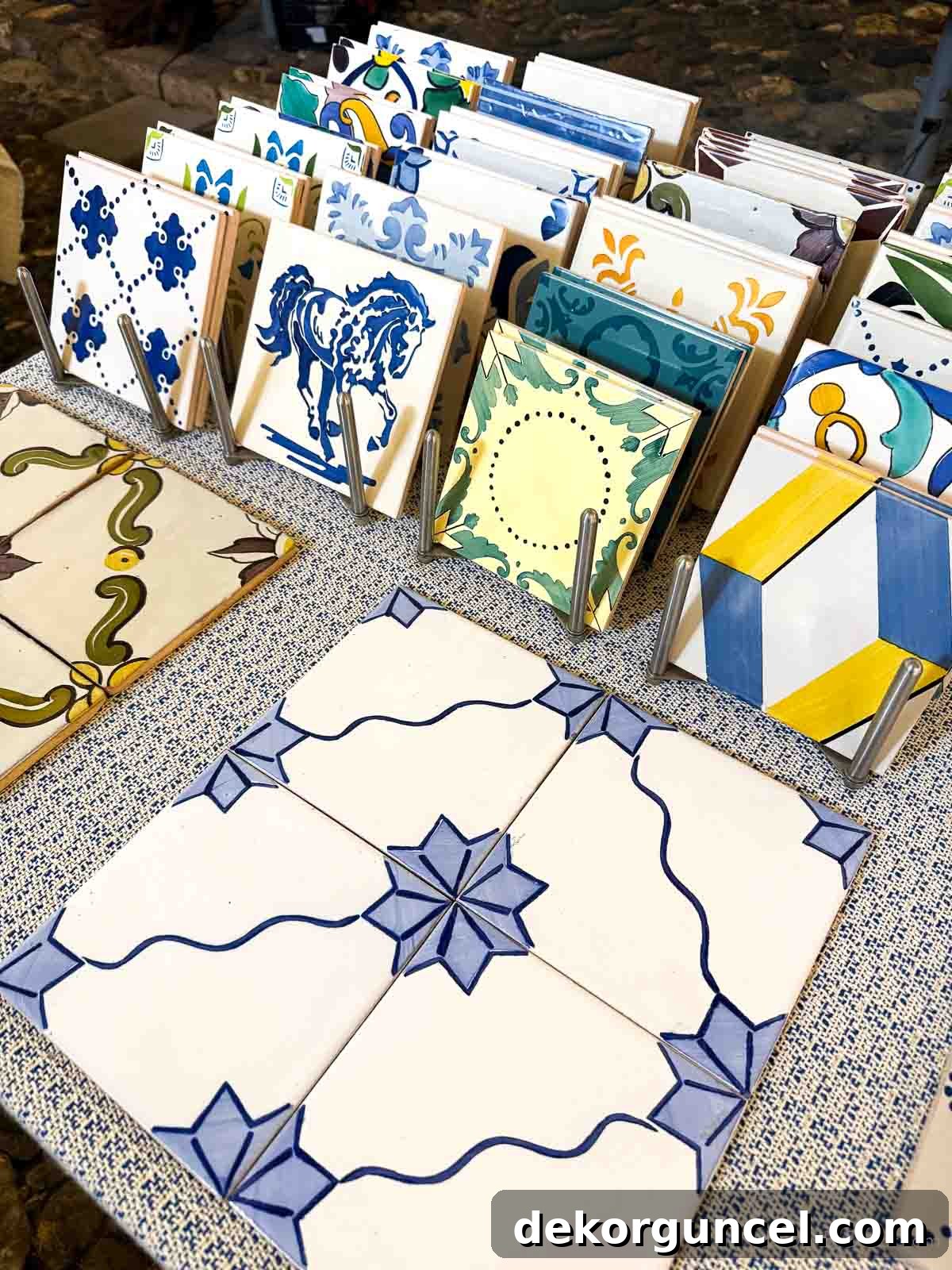
Wandering the streets, we popped into small shops selling cork goods, tinned sardines, hand-embroidered linens, filigree jewelry, and traditional tiles—great souvenirs to bring home.
Day 2 in Lisbon
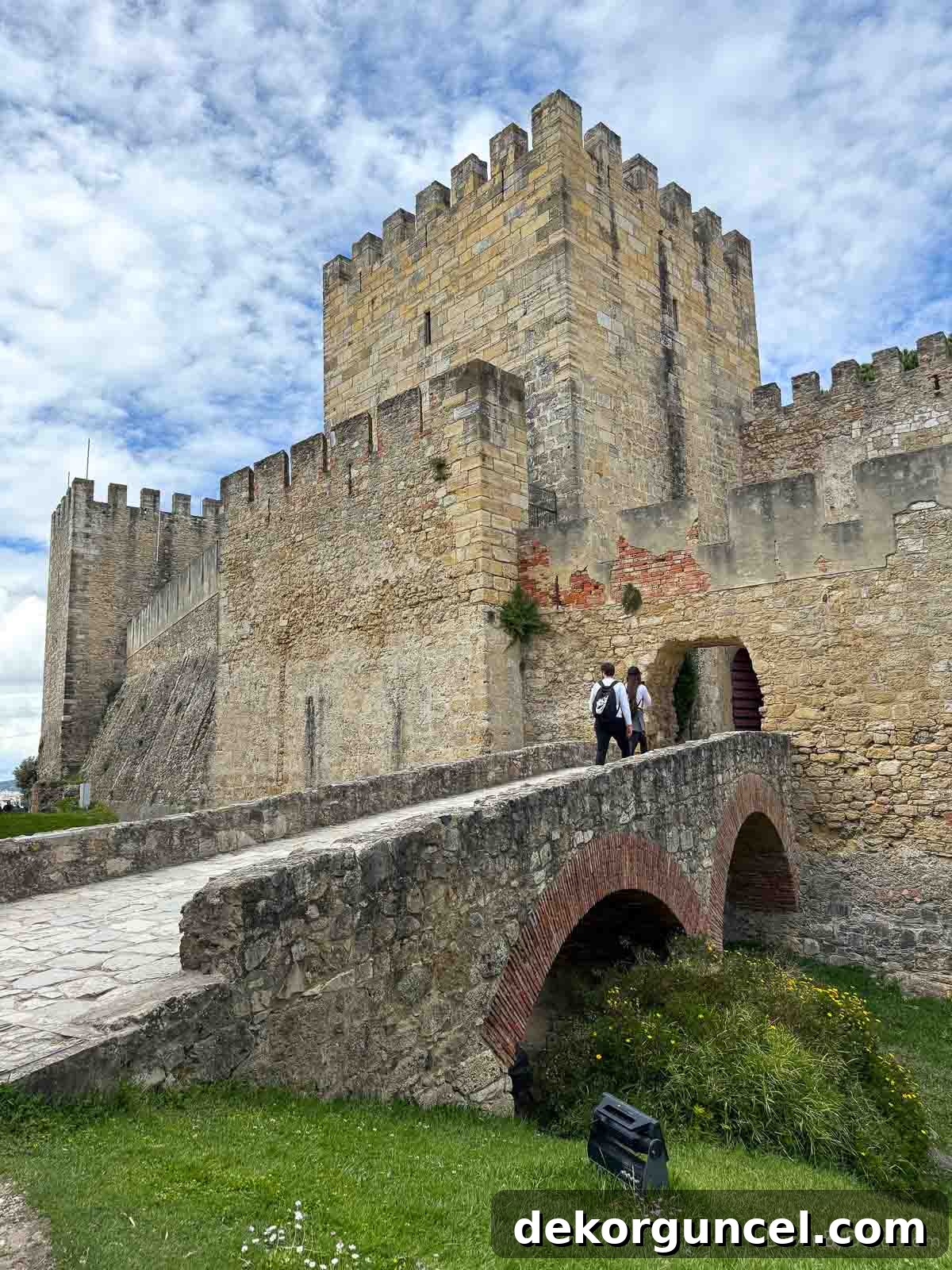
São Jorge Castle sits atop Lisbon’s highest hill and offers expansive views across the city and the Tagus River. The castle grounds are ideal for slow wandering and photo stops, and you might spot peacocks roaming the area.
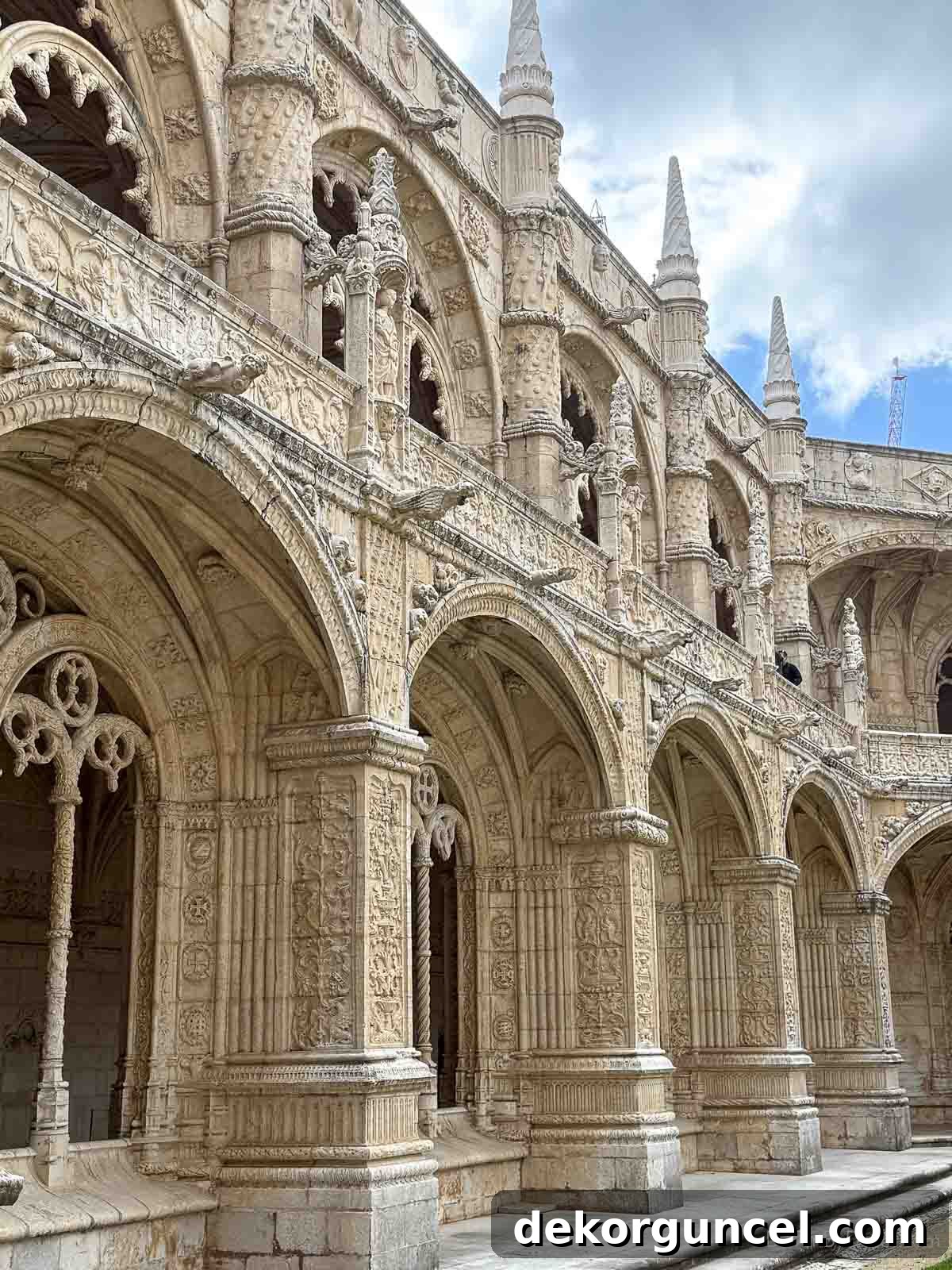
We then took an Uber to Belém where we explored Jerónimos Monastery and the Church of Santa Maria de Belém—both impressive for their architecture and history. Pastéis de Belém served the original pastel de nata, which we enjoyed at the historic counter.

Day 3 in Lisbon
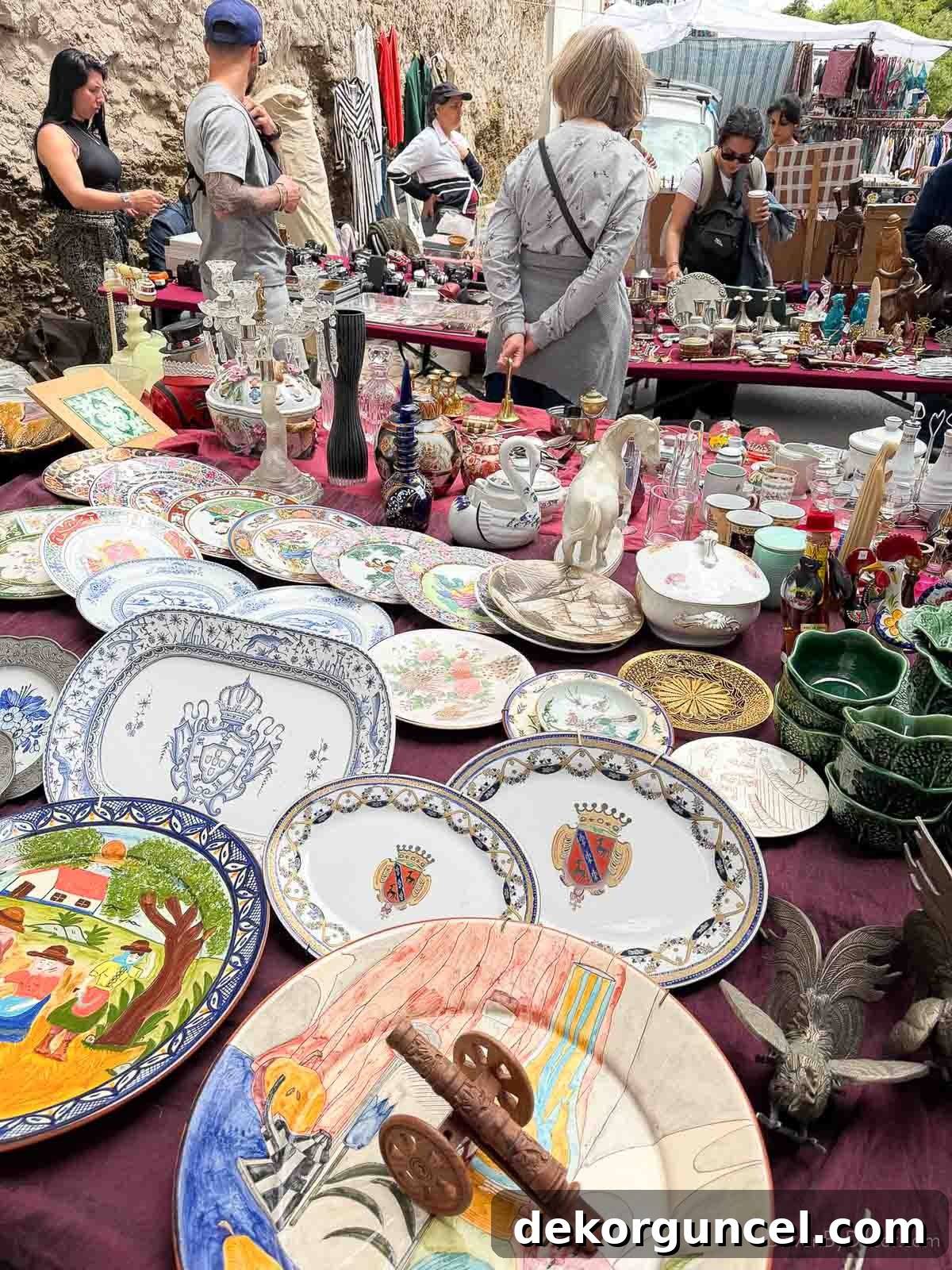
We began at Feira da Ladra, a lively flea market with vintage jewelry, antique tiles, ceramics, and more. Later, we visited Zara’s flagship store at Rossio Square housed in a restored historic building—shopping there felt special because of the setting.
Lunch at Time Out Market Lisboa offered an impressive range of stalls with high-quality food from many of Lisbon’s best restaurants. We enjoyed seafood and rice at Pinóquio and appreciated that dishes were served on real plates with utensils—plan to visit outside peak meal times for easier seating.

For sunset, Miradouro de São Pedro de Alcântara provides terraced garden views over the city and the castle—an easy, pleasant spot if you’re nearby for dinner or drinks.
Day Trip to Cascais & Sintra
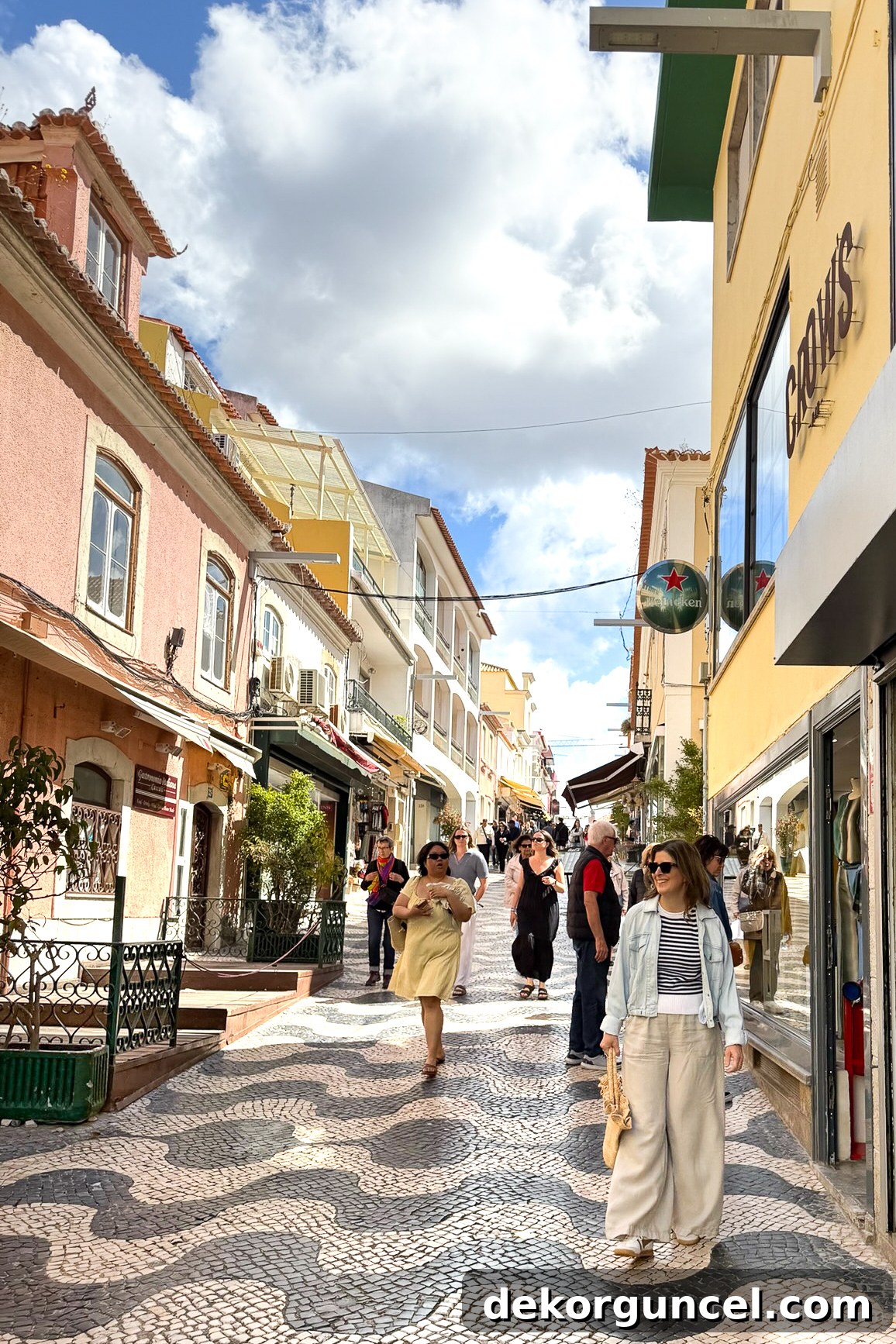
We booked a private day trip through a tour company with a guide/driver to give us flexibility. Although heavy traffic forced us to skip Quinta da Regaleira this time, we enjoyed Cascais—a relaxed coastal town with whitewashed buildings, tiled facades, and pleasant beaches. It’s a great place to stroll, shop, and relax at a sidewalk café.
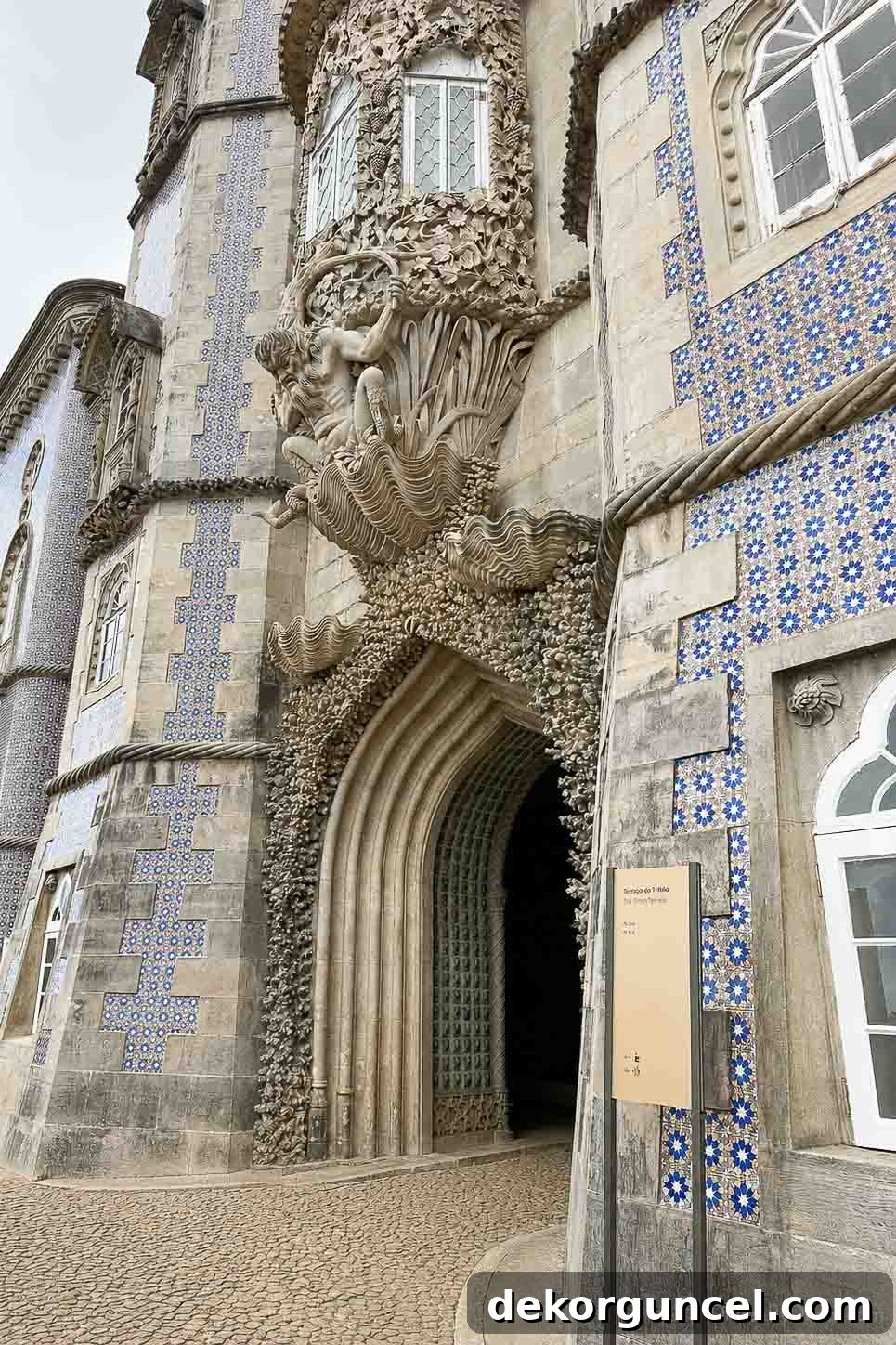
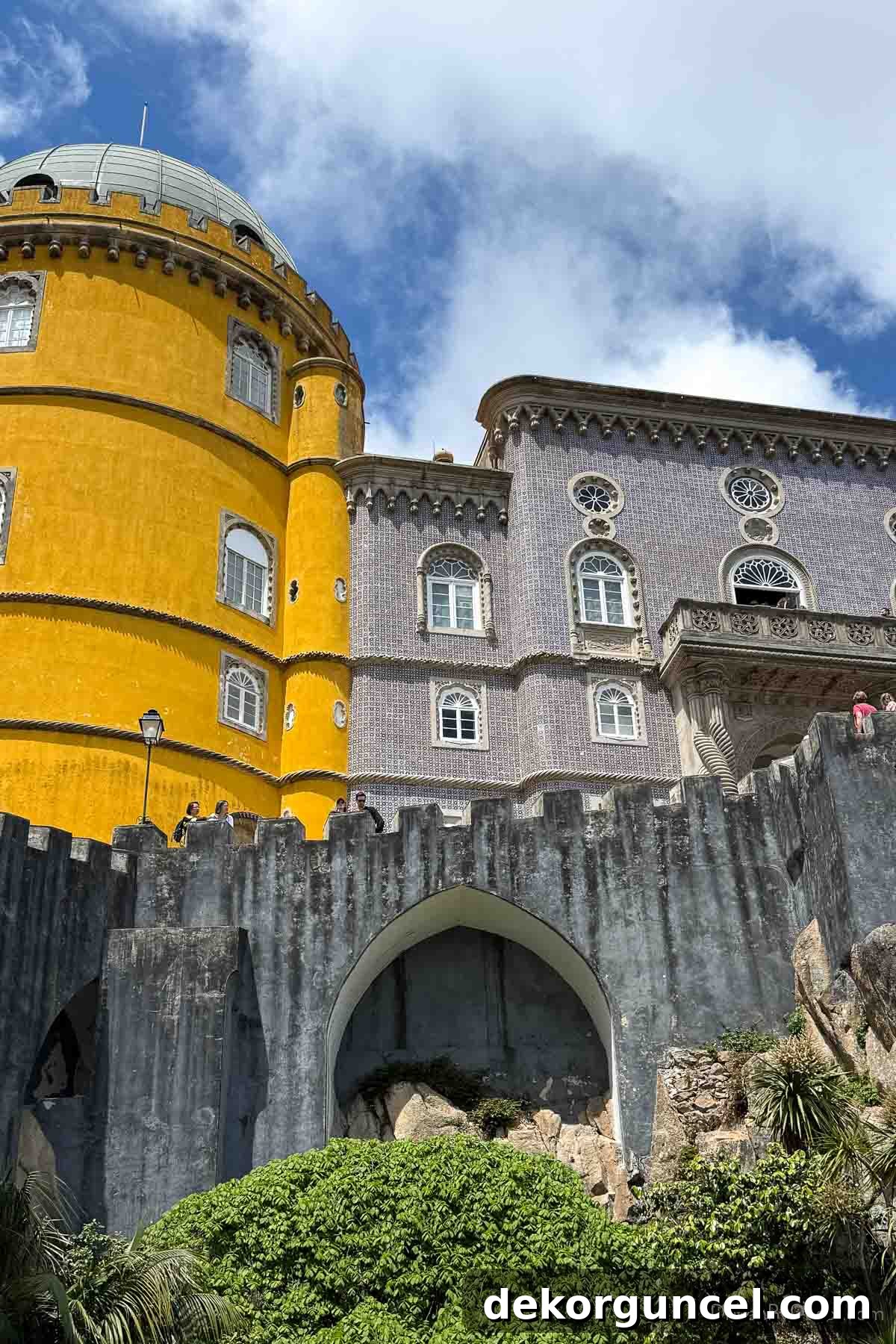
The highlight was the National Palace of Pena in Sintra, a colorful, fairytale-like palace perched above a forest. Our guide enhanced the experience with history and tips that allowed us to skip some lines—well worth hiring a guide for convenience and context.
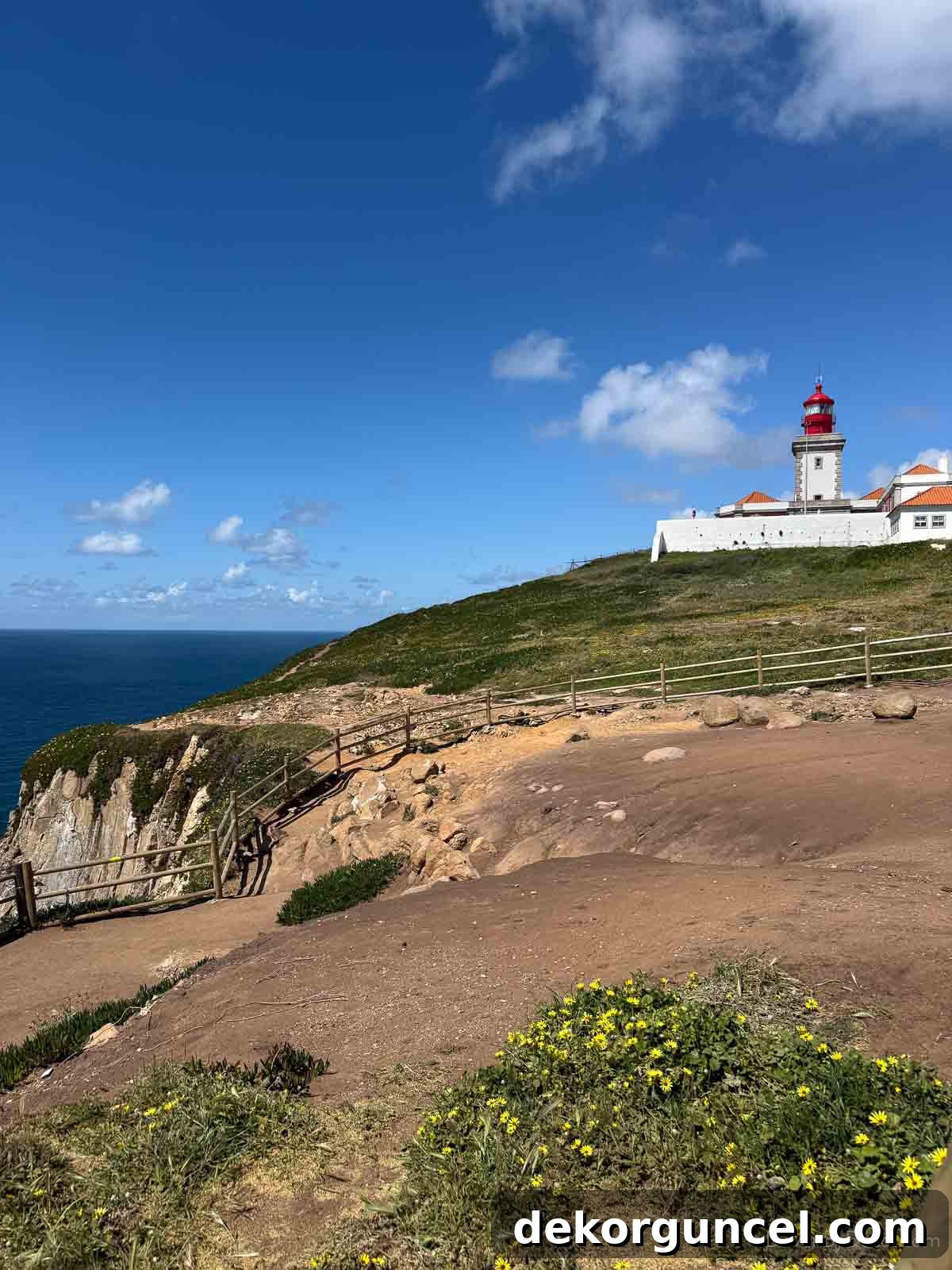
On the return, we stopped at Cabo da Roca, the westernmost point of continental Europe, where cliffs tumble into the Atlantic—a dramatic coastal viewpoint.
Lisbon: Where We Ate
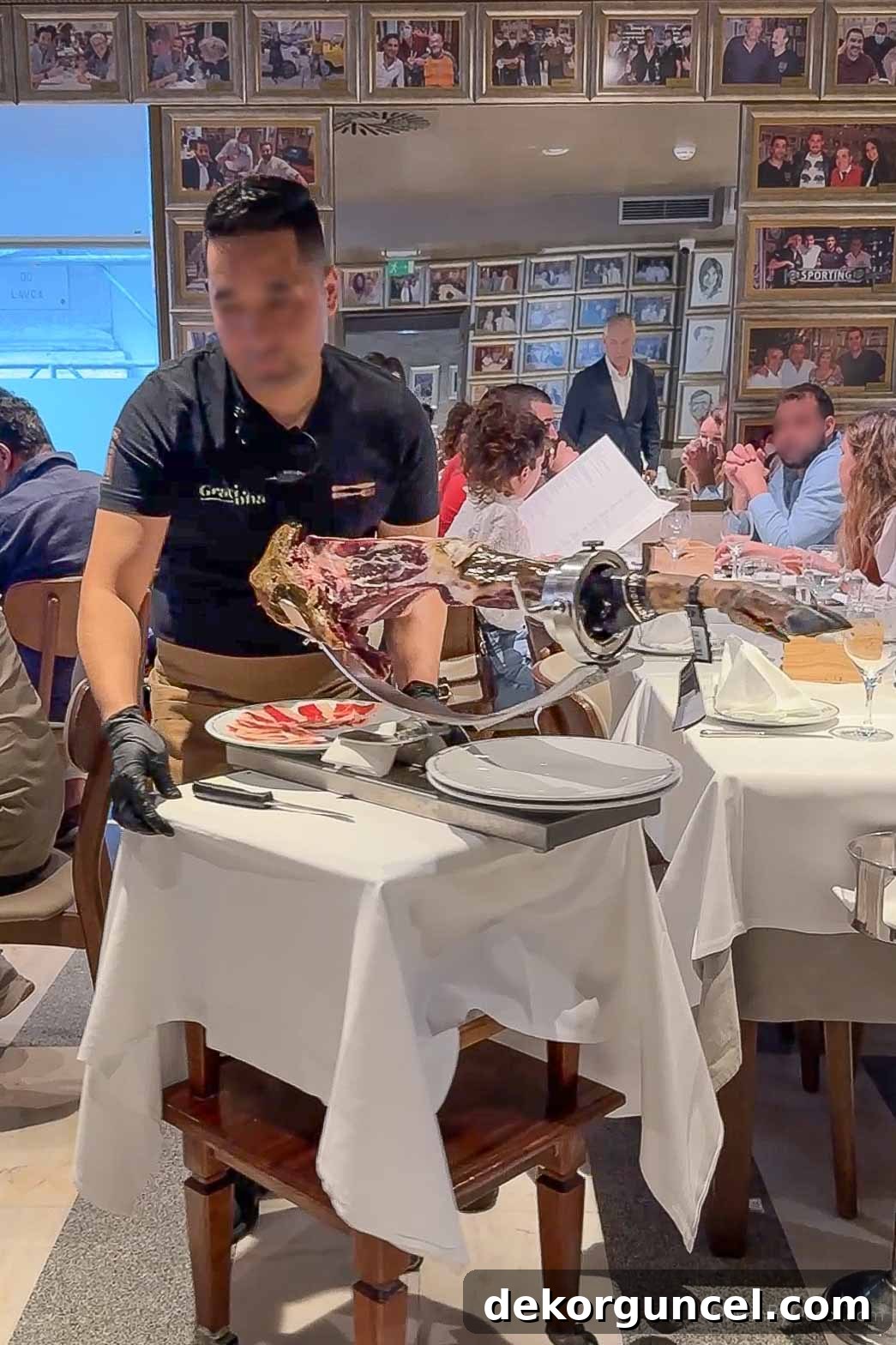
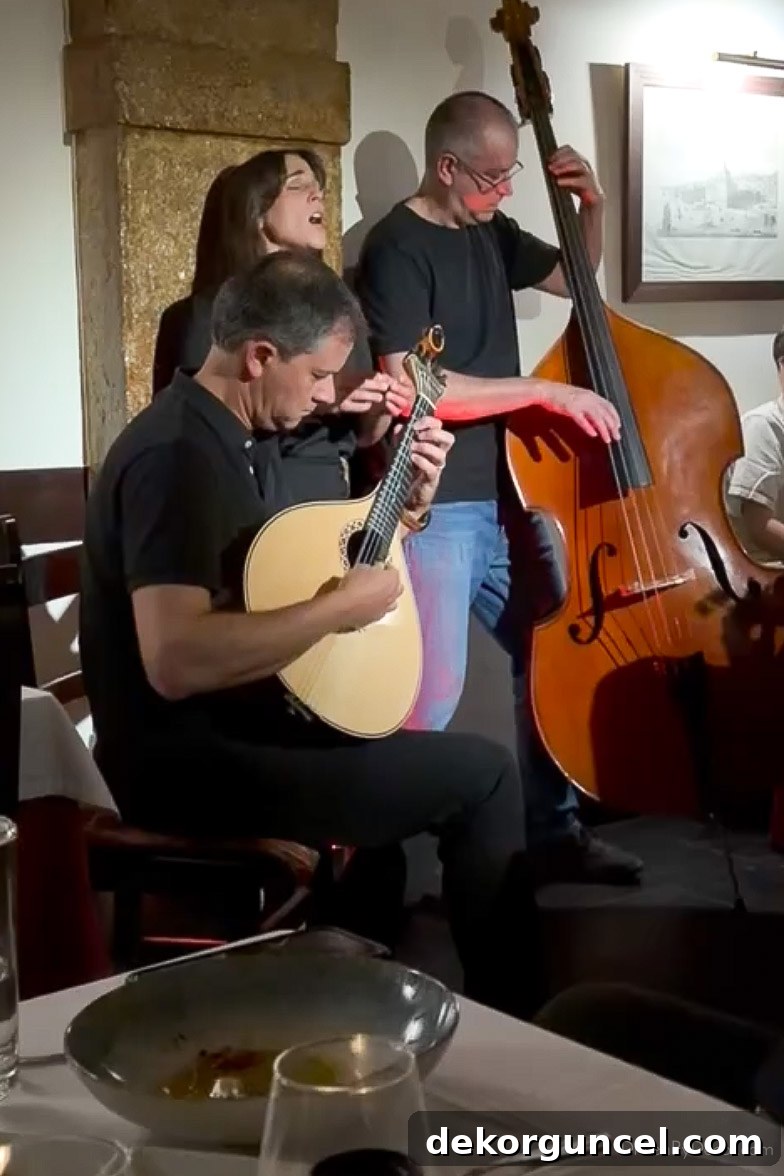
We tried a range of restaurants in Lisbon. Solar dos Presuntos is a classic spot known for seafood and meats, with walls covered in photos of famous guests and a rooftop bar to explore. Pomme Eatery was a casual, TikTok-inspired find that was pleasant for a relaxed meal. One of our most memorable dinners was at Clube de Fado, where live fado performances were woven into a prix-fixe dinner—an atmospheric way to experience Portugal’s musical tradition. We also enjoyed Leonetta, an Italian seafood-focused restaurant with a beautiful dining room and excellent pasta dishes.
Goodbye Lisbon, Hello Algarve
After Lisbon we drove south to the Algarve, a coastal region known for golden cliffs, dramatic rock formations, clear Atlantic waters, and charming seaside towns. The pace is slower and more relaxed—perfect for soaking up scenery and enjoying outdoor dining.
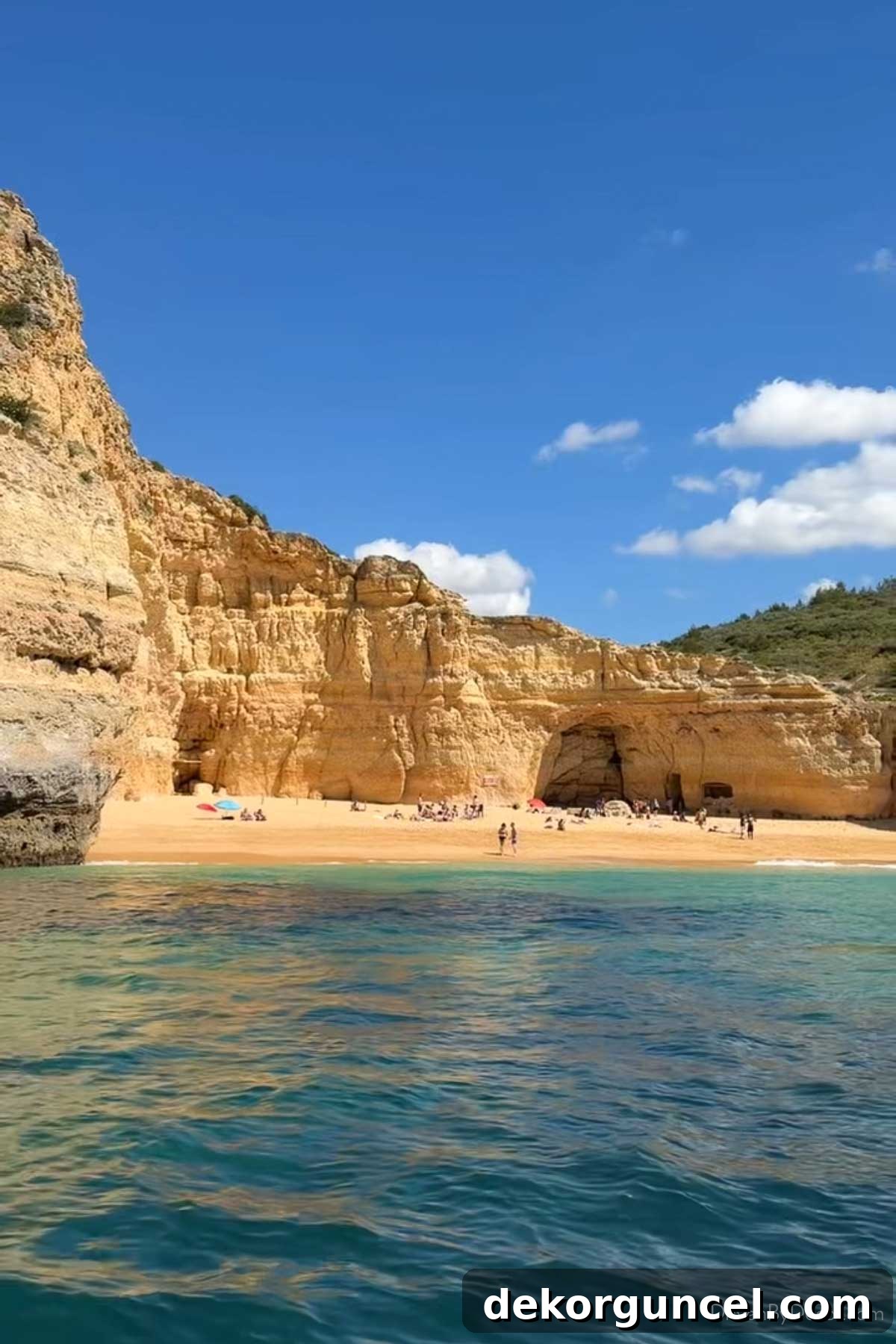
We rented a car at the airport for more flexibility exploring towns and coastlines. The drive to the Algarve is just over two hours and mostly straightforward.
Where We Stayed
Vila Vita Parc served as our home base in the Algarve. The resort sits on cliffs above the ocean with lush grounds, multiple pools, tucked-away seating areas, and a range of dining options from casual to upscale. The property offers quiet adults-only spaces as well as family-friendly areas and activities.
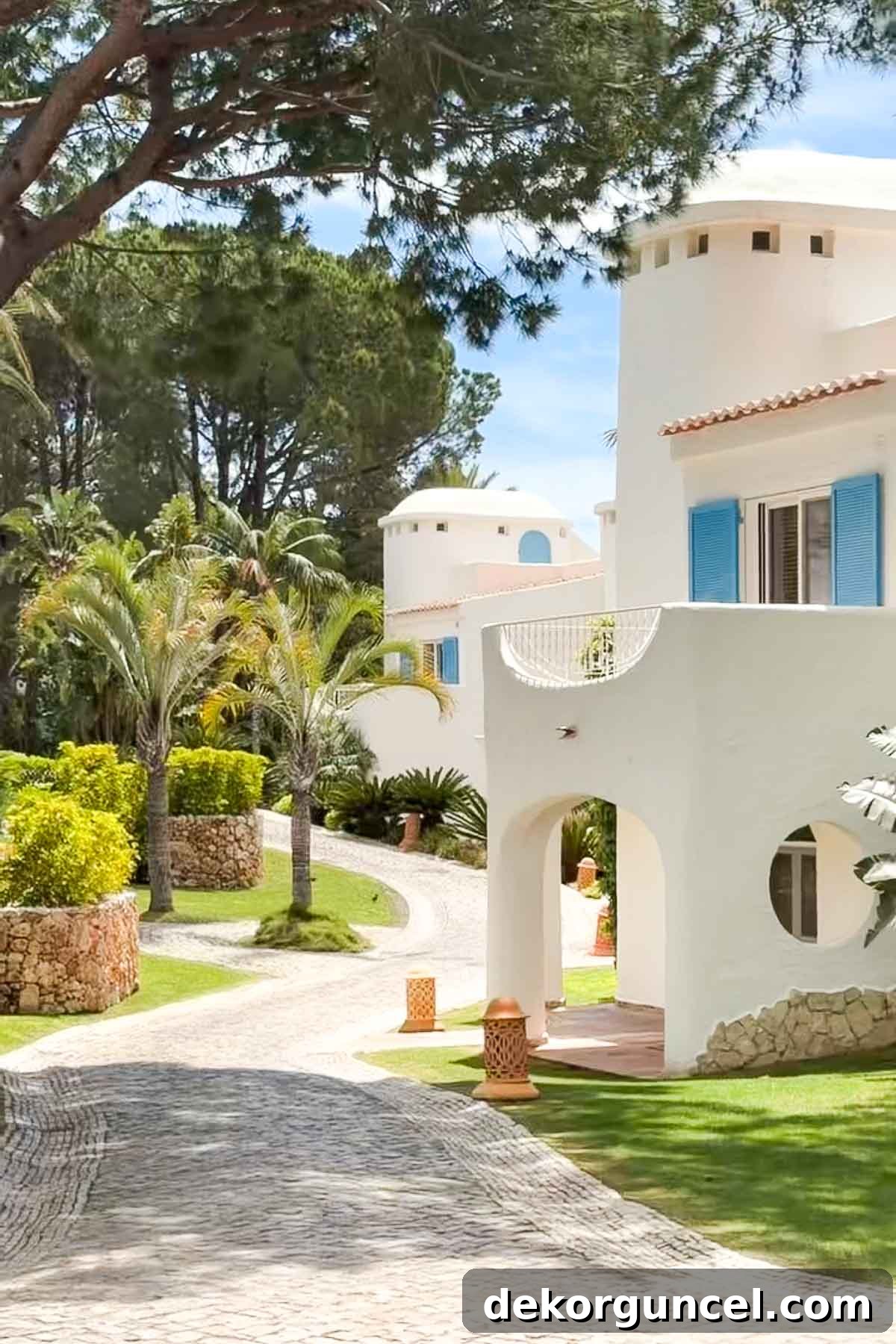
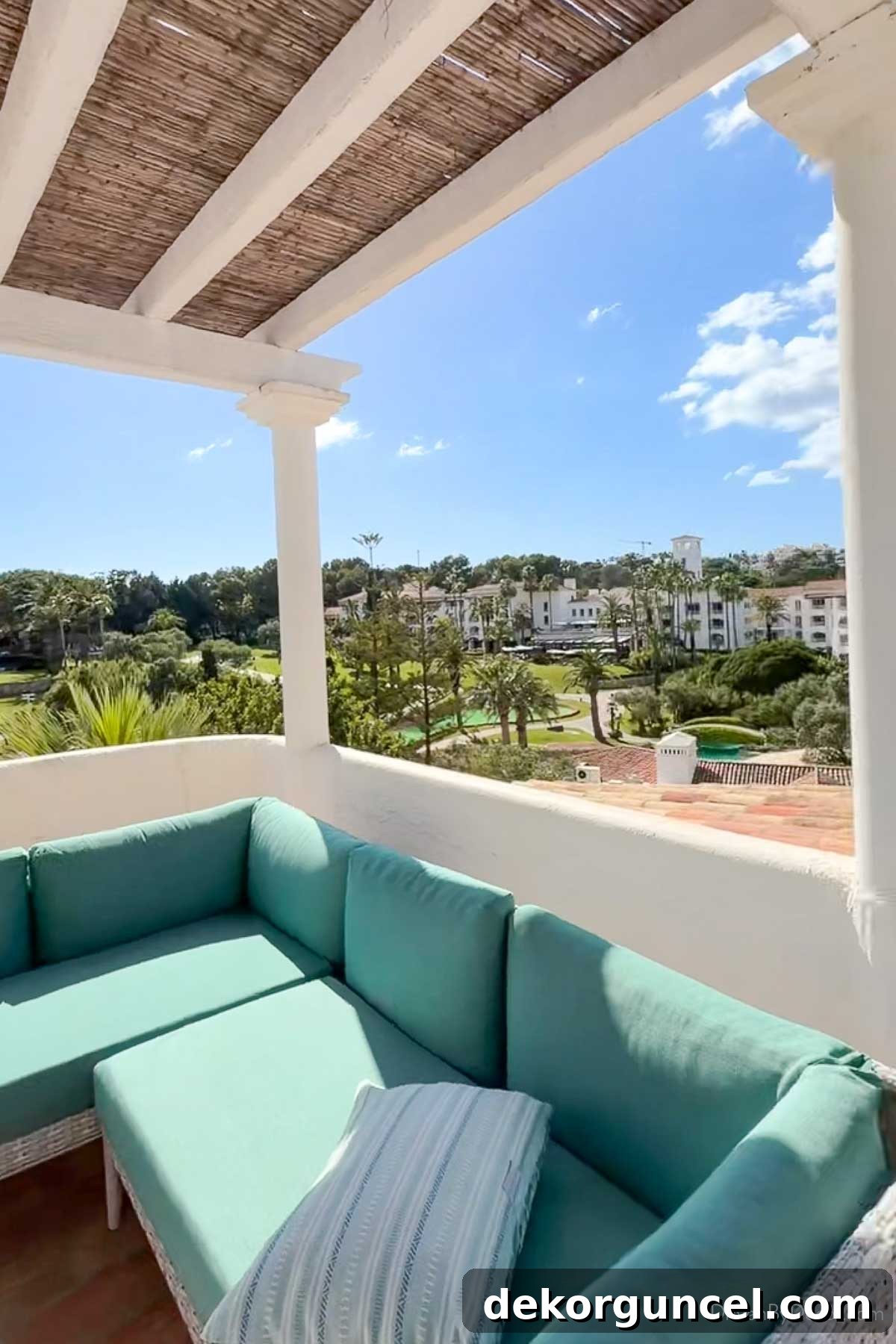
We stayed in a Family Oasis Suite in a villa-style area inspired by Moorish design. The suite had two bedrooms, a large bathroom with double sinks, and a private rooftop terrace overlooking the resort and ocean—an ideal layout for our family.
The Algarve: What We Did
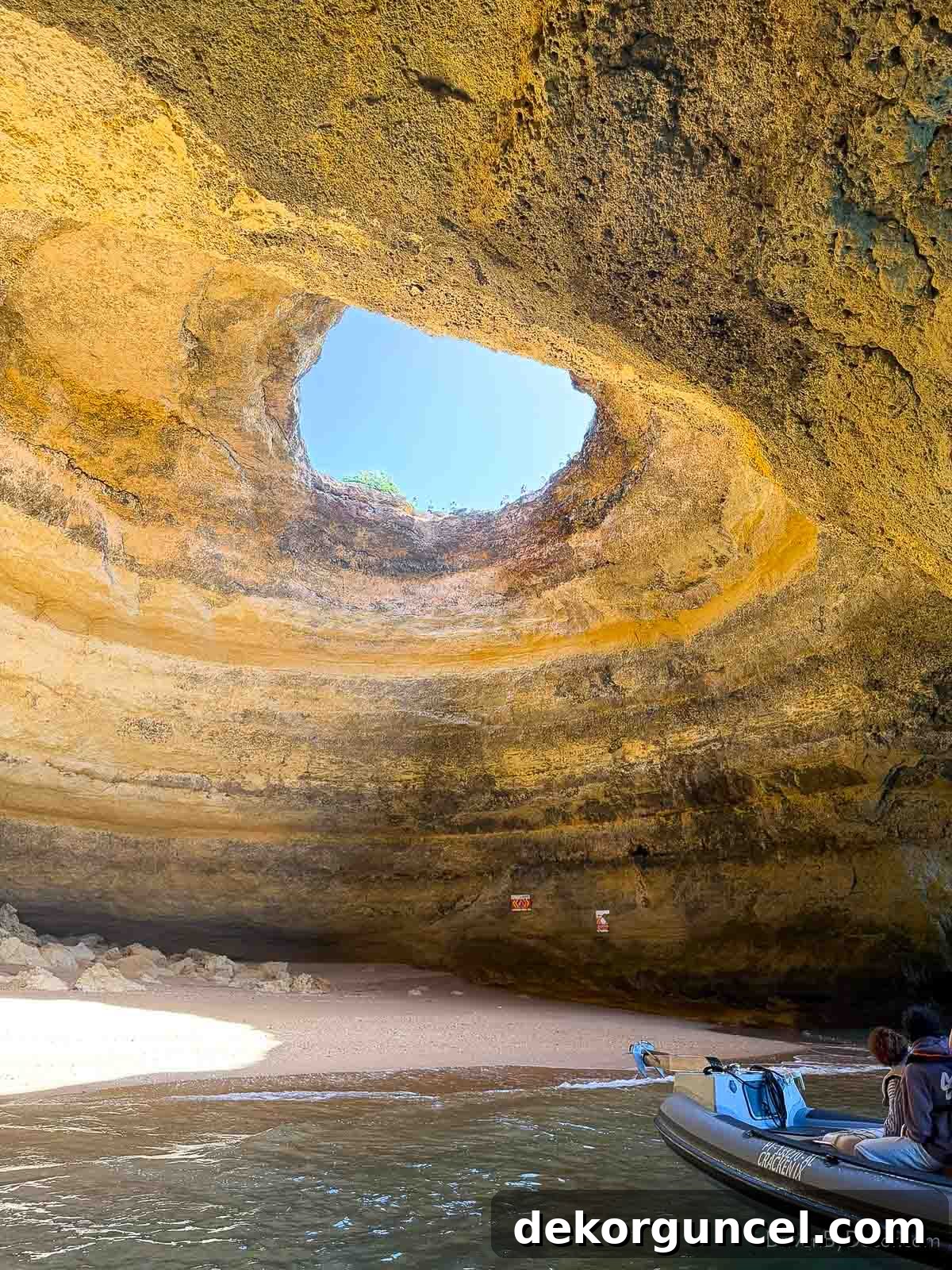
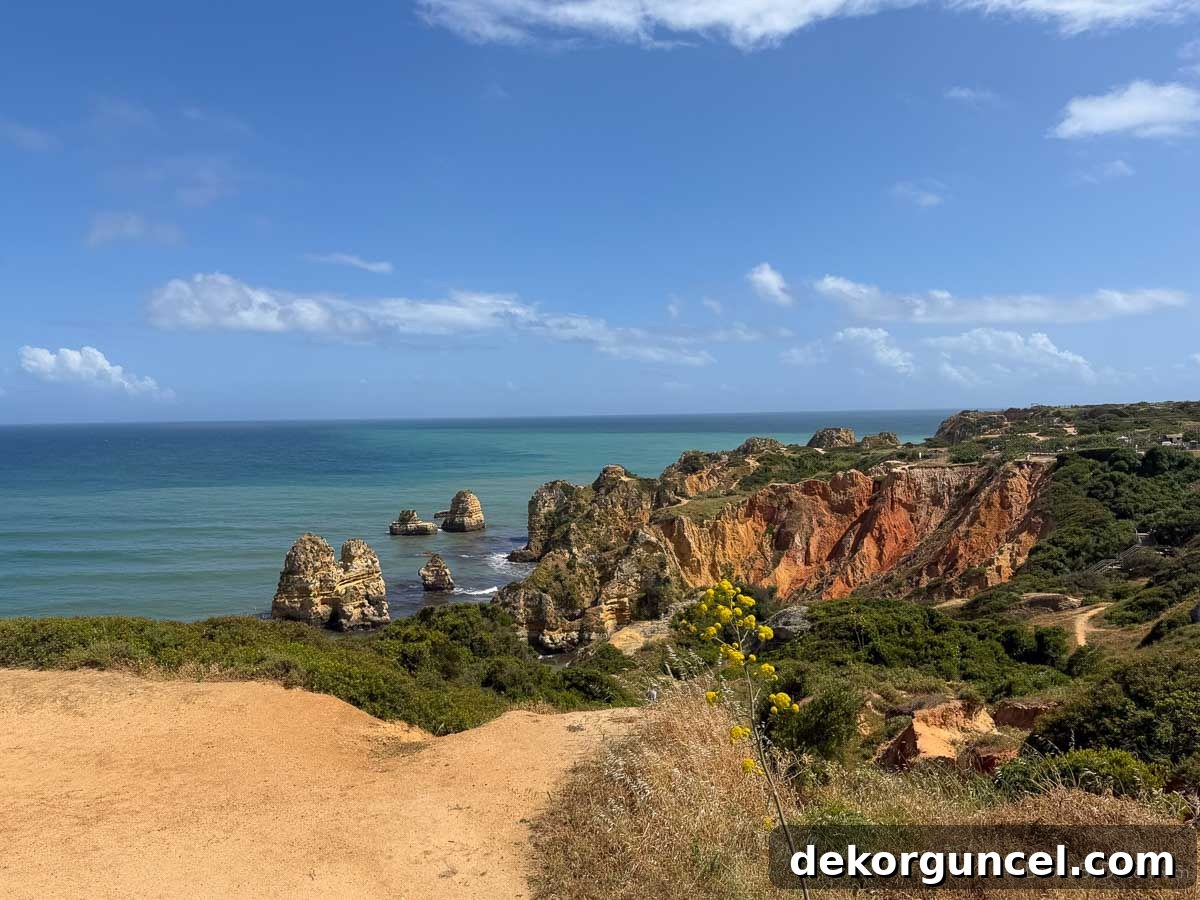
A highlight was a boat tour along the coast that entered sea caves including the iconic Benagil Cave, famous for its circular roof opening where sunlight pours through. The coastline features arches, hidden beaches, and dramatic cliffs—booking a boat tour in advance is recommended, especially during busy months.
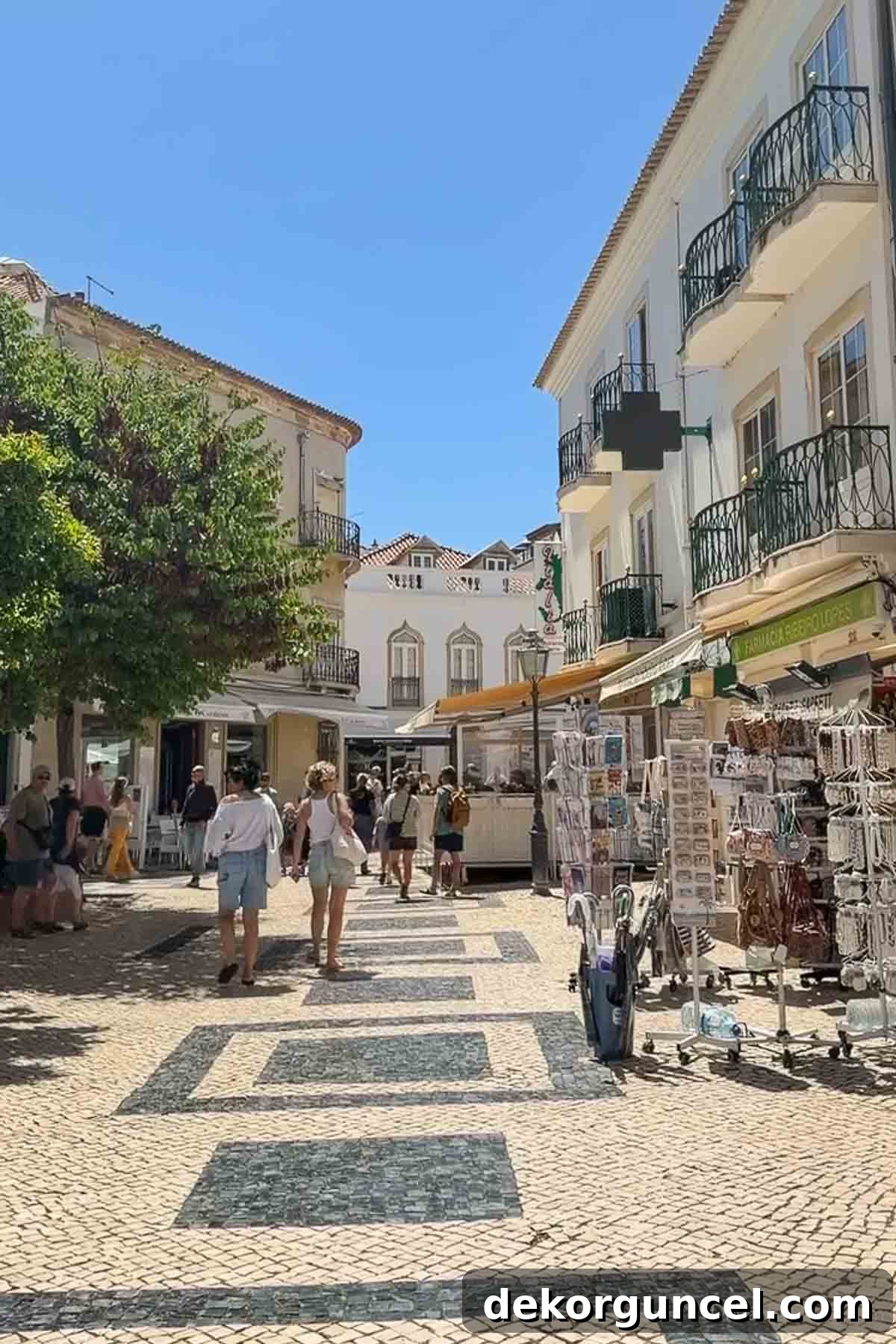
We explored Lagos Old Town with its cobbled streets, whitewashed buildings, cafés, and boutiques. I brought home handmade dishware I found in the local shops. Ponta da Piedade is another must-see for dramatic rock formations and cliffside views, and it’s the starting point for scenic coastal walks.
When weather limited some outdoor walking, we still enjoyed overlooks and resort activities like golf, mini golf, tennis, and paddle courts—there are options whether you seek relaxation or recreation.
Note: In early May, temperatures were typically in the low 70s with breezy conditions—ideal for sightseeing and outdoor dining but not always warm enough for all-day beach swimming. If beach time is your priority, later summer months are warmer but also busier.
Other Algarve Spots to Consider Visiting
We couldn’t see everything, but these additional Algarve destinations are highly recommended:
- Praia da Marinha – renowned for cliffs and turquoise water
- Carvoeiro – charming town with cliffside views and restaurants
- Albufeira – larger resort town with lively dining and nightlife
- Praia do Camilo – a beautiful beach accessed by a long wooden staircase
- Sagres – rugged coastal scenery and dramatic ocean views
- Ferragudo – a quieter fishing village with a local feel
The Algarve: Where We Ate
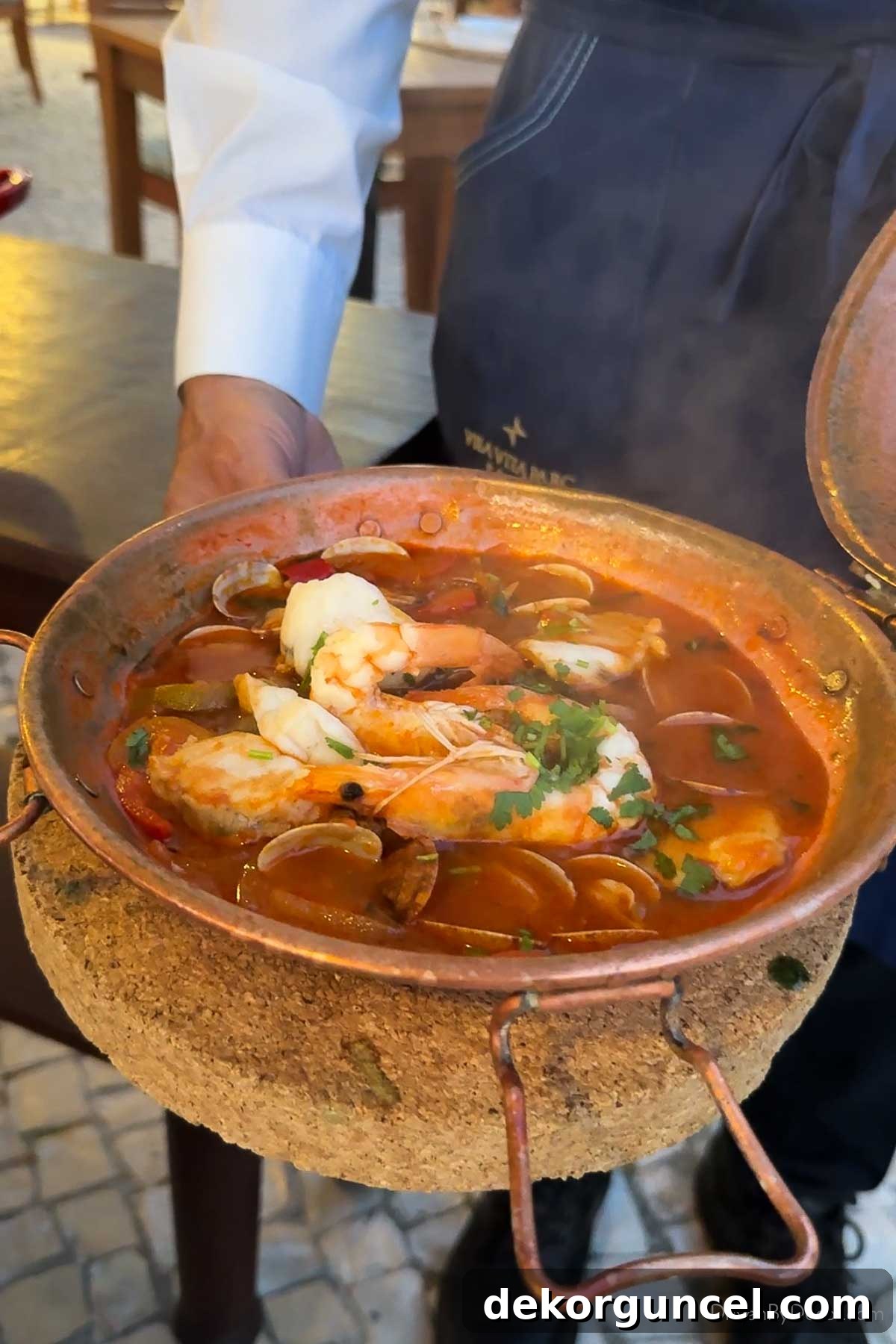
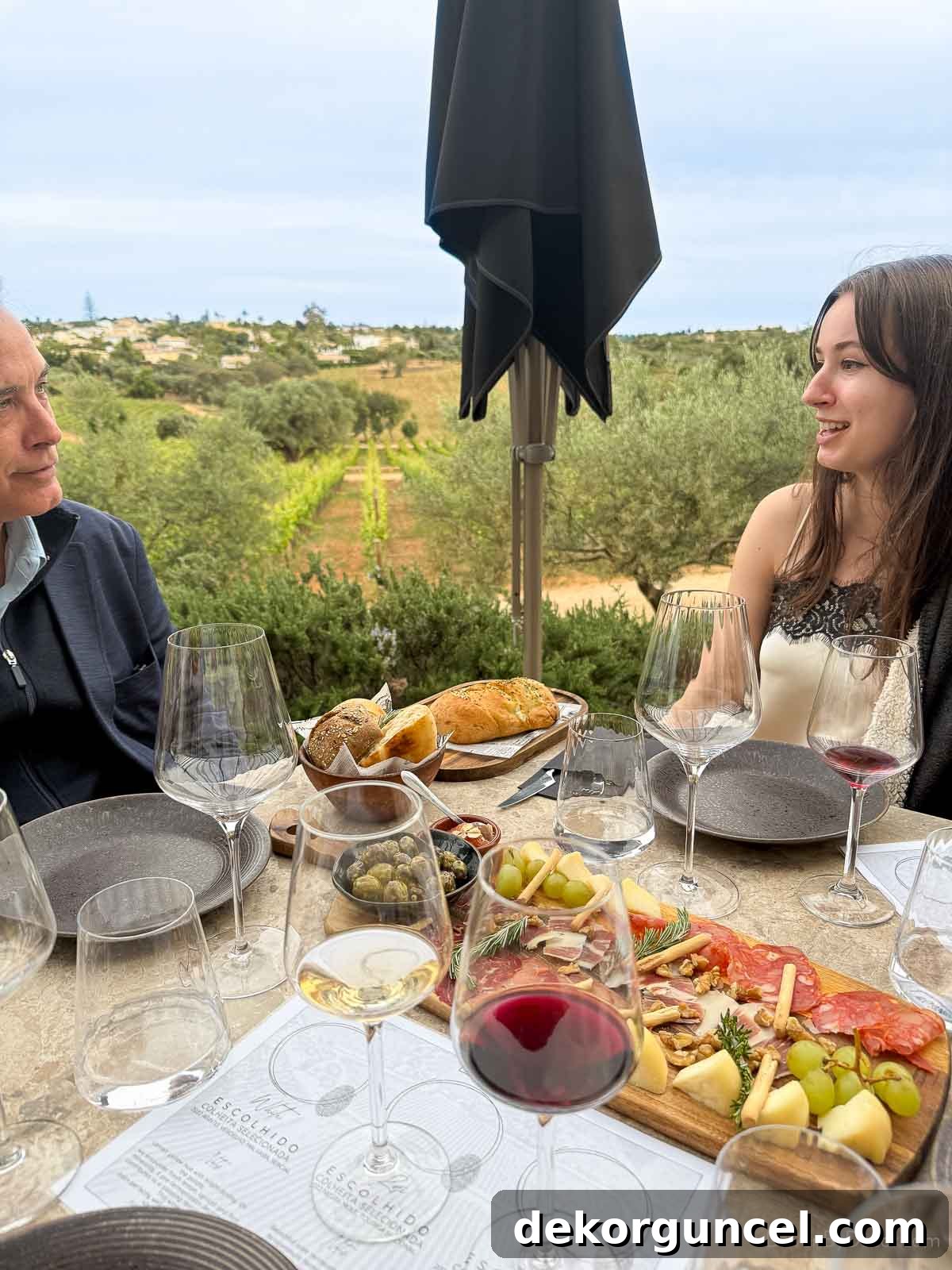
We enjoyed several restaurants at Vila Vita Parc, including Adega, which features classic Portuguese cuisine in a wine-cellar atmosphere and served one of our best meals. Aladin Grill impressed with Moroccan-inspired ambiance and fresh, flavorful dishes. We also dined at Quinta dos Santos, a winery-restaurant set among vineyards and olive trees—an excellent choice for wine lovers. Breakfast each morning at Atlântico offered spectacular ocean views and a generous spread.
Putting Portugal on Your Travel List
Portugal exceeded our expectations—between Lisbon’s energy and the Algarve’s breathtaking coastline, the trip combined culture, scenery, and relaxation in a way that felt complete. The food, welcoming people, and overall relaxed atmosphere made it a wonderful family destination. If you haven’t visited yet, consider moving Portugal to the top of your travel list.
If we return, Porto and the Douro Valley are high on our list, along with Nazaré for its surf culture. Portugal is a place you can revisit and still find new experiences each time.
Have you been to Portugal? I’d love to hear about your favorite spots.
