
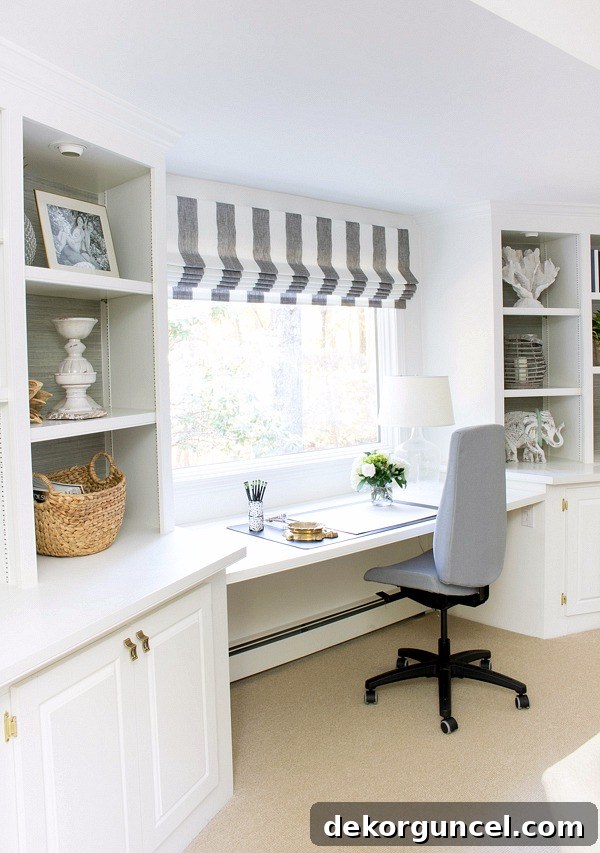
The recent One Room Challenge family room makeover was an incredible journey, and I’m genuinely overwhelmed by all your warm words and supportive messages. Transforming that space required countless hours of dedication, and honestly, there were moments when I questioned if my vision would truly come to life or if I was heading for a design disaster. However, seeing the final reveal and experiencing the room’s transformation has been incredibly rewarding. Since then, I’ve received a flood of questions through blog comments and emails, with a consistent theme emerging: inquiries about the new window treatments. While a room makeover often brings many new elements into focus, it’s easy to overlook the profound impact of window dressings. Yet, imagine how stark and unfinished this space would feel without them – they truly are the unsung heroes of interior design, completing a room’s aesthetic and offering crucial functionality.
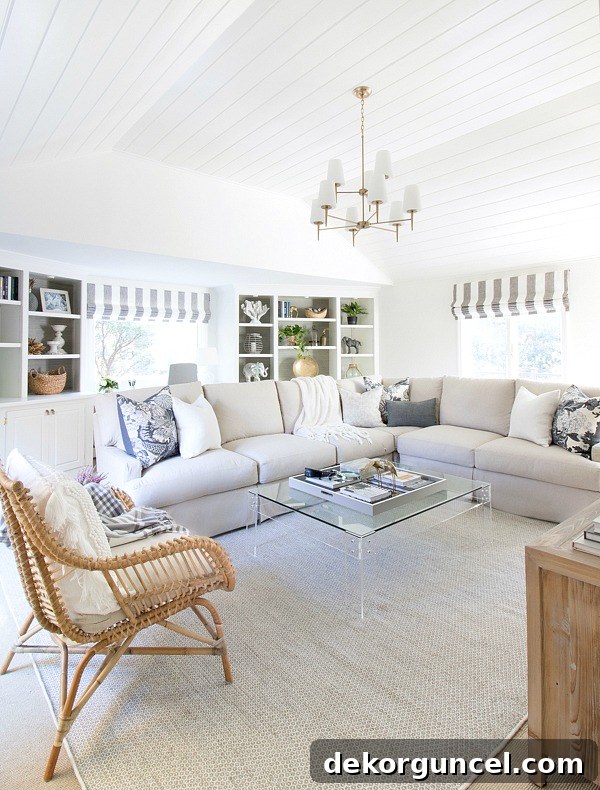
Choosing the right window treatments can often feel like a daunting task, a detail many homeowners struggle to perfect. Recognizing this common challenge, I wanted to share a comprehensive guide packed with practical tips and insightful ideas to simplify your decision-making process. By understanding the nuances of different styles, fabrics, and installation techniques, you can confidently select window treatments that enhance your home’s beauty and functionality, creating the perfect ambiance you desire.
Shades vs. Drapes: Making the Right Choice for Your Space
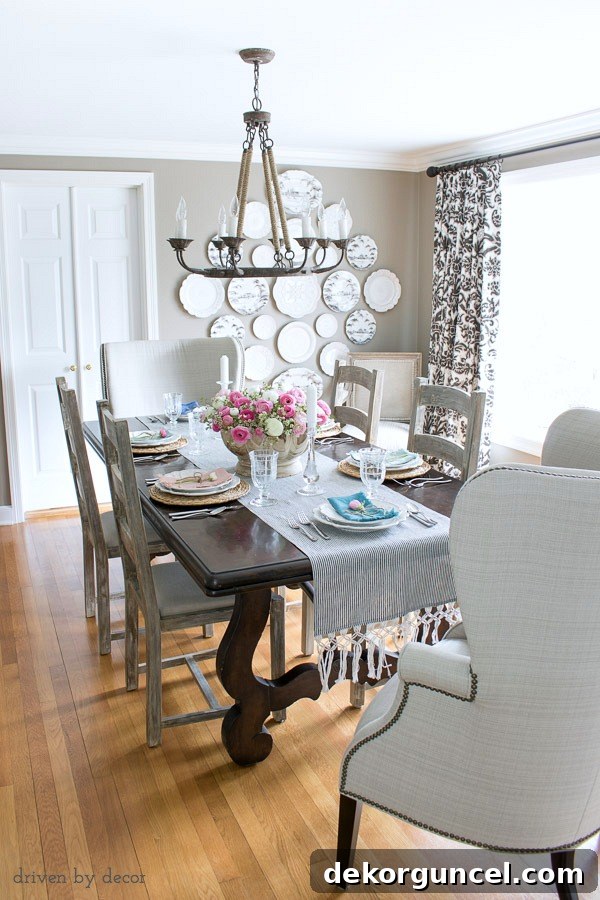
One of the most frequent questions I receive is about the choice between shades and drapes, and how to determine which option is best suited for a particular room. Both offer unique benefits, and the ideal selection often hinges on the room’s purpose, existing decor, and architectural features. As a general rule of thumb, I typically gravitate towards drapes when aiming to introduce softness, texture, and a touch of luxury into a space. Drapes excel in rooms that might otherwise feel too rigid or formal due to an abundance of hard surfaces, like our dining room. Here, the flowing fabric of drapes helps to absorb sound, soften harsh lines, and create a more inviting atmosphere, transforming the room into a warm and welcoming gathering place.
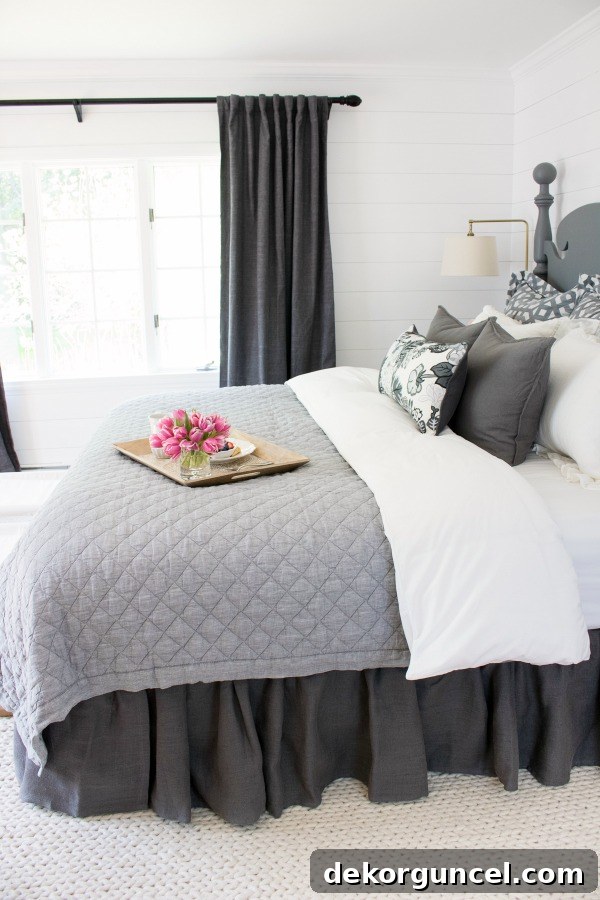
Similarly, in a master bedroom, drapes are often the preferred choice to maximize comfort and create a serene, spa-like retreat. Their ability to drape elegantly, provide excellent light control, and add a layer of insulation contributes to a tranquil environment, essential for rest and relaxation. The luxurious feel of high-quality drapery fabric instantly elevates the room’s sophistication, making it feel utterly indulgent and peaceful.
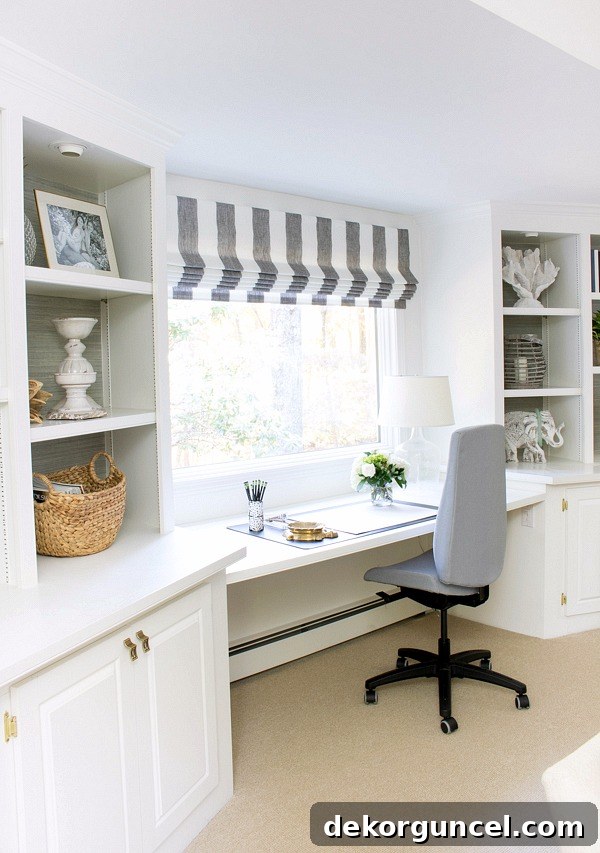
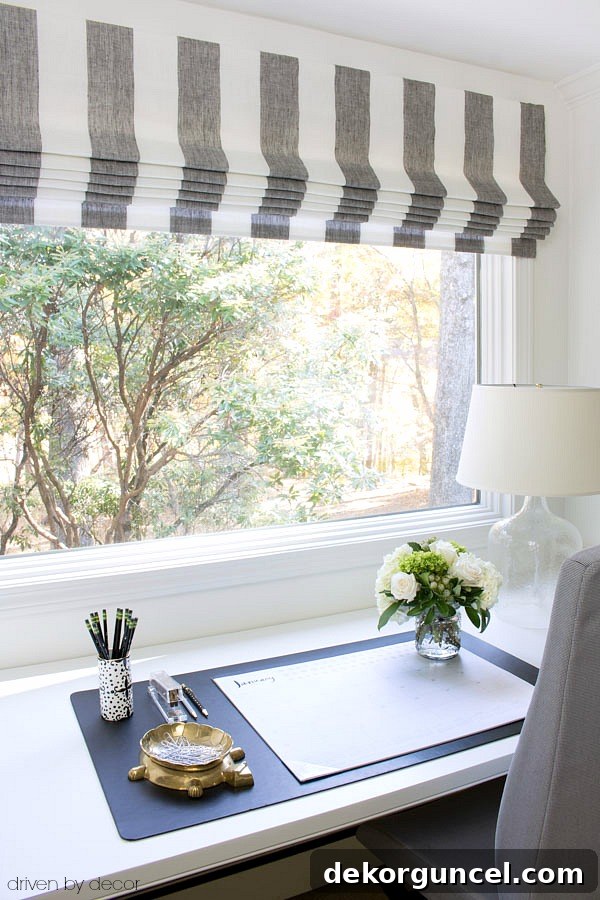
Conversely, shades often present a superior solution in several specific scenarios where drapes might be impractical or visually overwhelming. Consider shades when wall space is at a premium, such as windows flanked by built-in bookcases or adjacent to corners, leaving insufficient room for drapes to stack neatly (a common issue, as seen in our guest room). They are also ideal for small windows positioned high off the ground, where long drapes would look disproportionate, or in rooms with baseboard heating, preventing fabric from resting against heating elements and becoming a fire hazard. Furthermore, if your design aesthetic leans towards a clean, minimalist, or highly tailored look, shades offer that crisp, uncluttered finish that drapes cannot always achieve. In our family room, a combination of these factors – limited side space due to built-ins, the desire for a sleek aesthetic, and practical considerations – led us to confidently choose shades, proving them to be the perfect fit for the space’s unique requirements.
Exploring Styles: From Roman Shades to Pleated Drapes
Once you’ve decided between shades and drapes, the next exciting step is delving into the vast array of styles available. The choices can seem endless, from the clean lines of Roman shades to the insulating properties of cellular shades, or the rich texture of woven wood shades. Each style brings a distinct aesthetic and functional advantage. Roman shades, for example, offer a soft, tailored look with a beautiful cascading fold when raised, perfect for adding elegance. Cellular shades, often called honeycomb shades, are renowned for their energy efficiency, providing excellent insulation and sound absorption, making them ideal for bedrooms or rooms needing climate control. Roller shades are simple, sleek, and highly versatile, disappearing almost entirely when fully raised. Woven wood shades introduce natural textures and an organic feel, perfect for bohemian or coastal-inspired interiors.
Drapery options are equally diverse, allowing for customization to match any design sensibility. Pinch pleat drapes offer a classic, formal look with permanently sewn-in pleats, creating a structured hang. Tailored pleats provide a slightly more modern, less voluminous appearance. Grommet-top drapes offer a contemporary, relaxed vibe, sliding easily along a rod for effortless operation. Rod pocket drapes, while traditional, can create a gathered, romantic look. When making these choices, it’s invaluable to see and interact with actual samples. I was fortunate that The Shade Store, a sponsor of the One Room Challenge, has a showroom conveniently located nearby. This allowed me to explore their extensive collection in person, touching fabrics and operating different styles to truly understand their nuances.
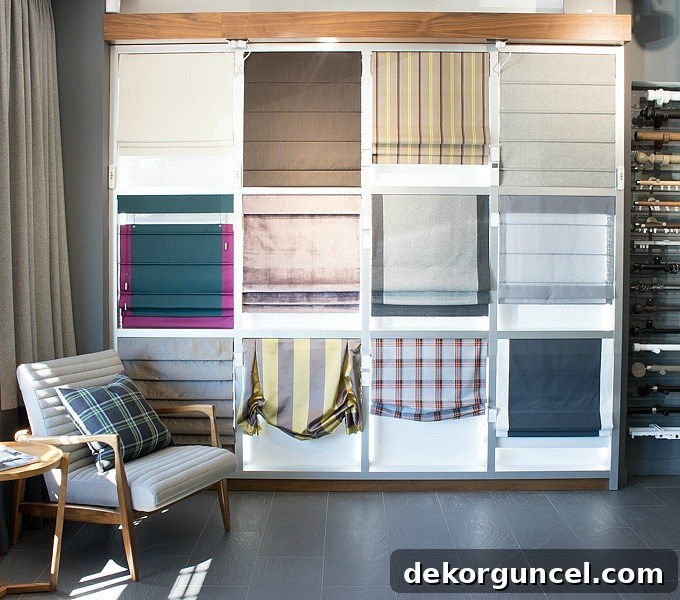
If a physical showroom isn’t accessible, don’t worry! Many reputable providers, including The Shade Store online, offer robust virtual experiences. Their websites often feature comprehensive galleries, customization tools, and even augmented reality options that allow you to visualize different styles and fabrics in your own space, helping you make an informed decision from the comfort of your home.
Selecting Fabric and Lining: The Heart of Your Window Treatments
While the decision to opt for flat Roman shades for their simple, tailored aesthetic was relatively swift for me, the process of choosing the perfect fabric proved to be a more deliberate and detailed endeavor. The options seemed endless, with drawers upon drawers brimming with stunning fabrics from renowned designers like Robert Allen, Dwell Studio, and Kate Spade. Each swatch presented its own unique charm, making the selection both exciting and challenging.
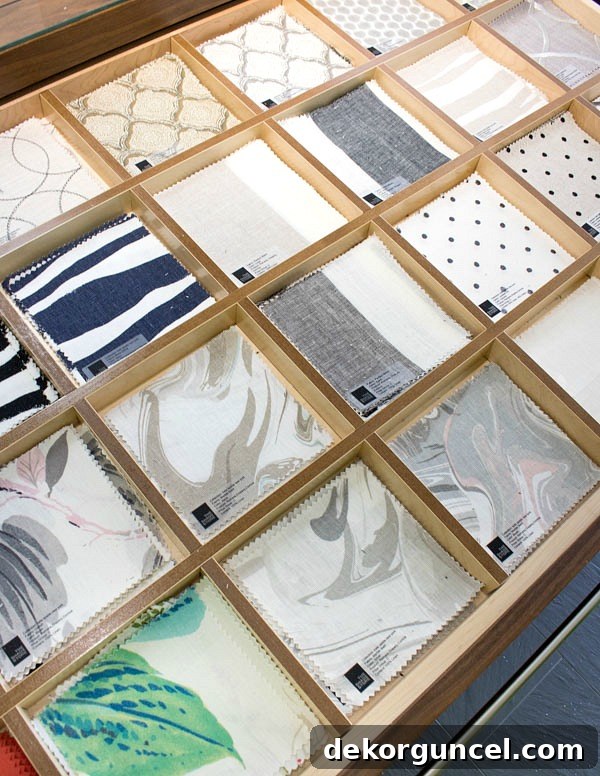
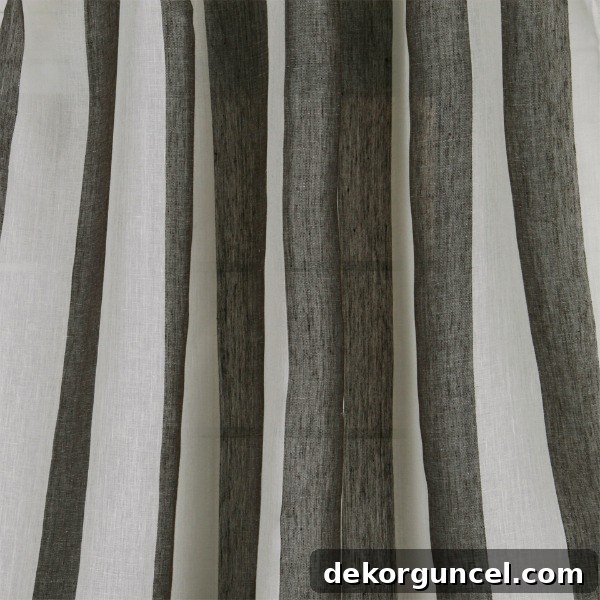
My most crucial piece of advice for fabric selection is simple yet profoundly impactful: always view your chosen fabric samples in your actual space before finalizing any decision. Lighting conditions in a showroom or on a website can drastically alter a fabric’s perceived color and texture compared to how it appears in your home. I certainly wasn’t shy about requesting samples from The Shade Store; I believe I left with a generous collection of 10 to 15 swatches. Interestingly, the fabric I ultimately selected – Robert Allen’s Perfect Stripe in Earth – was one I almost overlooked. In the store, it appeared to be a warm brown, but once I brought it into my family room, the natural light transformed it into a soft black, perfectly aligning with the sophisticated palette I envisioned.
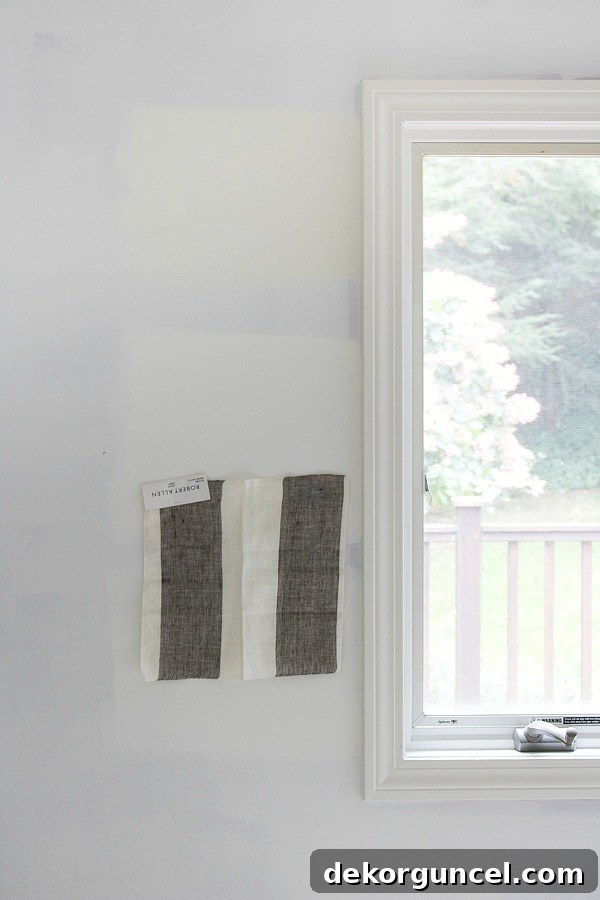
Beyond natural light, it’s equally important to assess how your chosen fabric harmonizes with your existing paint color. This step is particularly vital if repainting is not on your agenda. In my case, I was in the midst of selecting a paint color when my fabric samples arrived. Holding the fabric swatch against various paint contenders immediately revealed that it complemented Benjamin Moore’s Cloud White most beautifully, making my paint color decision effortlessly clear.
Another invaluable tip I gathered from the experts at The Shade Store, Karen and Helen, was to evaluate how different linings affect the appearance of your fabric in your room. I was torn between privacy lining and blackout lining, so they encouraged me to take samples of both home. Holding these lining swatches behind my chosen fabric against the window was an eye-opening experience; the difference in how the fabric presented itself was astonishing and made my decision to go with privacy lining straightforward. While the functional requirements of certain rooms (like blackout lining for bedrooms without blinds) might predetermine your choice, for other spaces, it is highly recommended to experiment with various lining options to achieve your desired aesthetic and light control.
Finally, always ensure that the fabric type you select is appropriate for your chosen window treatment style. Different fabrics have varying drapes, weights, and textures that are better suited for specific applications. Reputable suppliers like The Shade Store simplify this by clearly indicating compatible window treatment types for each fabric. If you’re sourcing fabric independently, make sure to do your research to ensure the weight and composition of your fabric will perform optimally with your selected treatment, preventing disappointment in the final result.
Precision in Measurement & Expert Installation: Avoiding Common Pitfalls
Even with the most exquisite window treatment style and the perfect fabric, the entire endeavor can fall flat without precise measurements and proper installation. Achieving that polished, professional look largely depends on determining the optimal mounting height and accurately sizing your shades or drapes based on that height. The ideal hanging height can vary from room to room, but a few universal principles can elevate your design significantly. Firstly, strive for consistency by hanging all window treatments within a single room at the same height, creating a cohesive and harmonious visual flow. Secondly, and perhaps most crucially, always hang your treatments high and wide. Mounting drapes or shades several inches, typically 6-12 inches, above the window frame, or even closer to the ceiling, dramatically elongates the window, making the room feel taller and more expansive. Extending the rod or treatment beyond the window frame by 4-10 inches on each side allows the fabric to clear the glass when open, maximizing natural light and offering an unobstructed view.
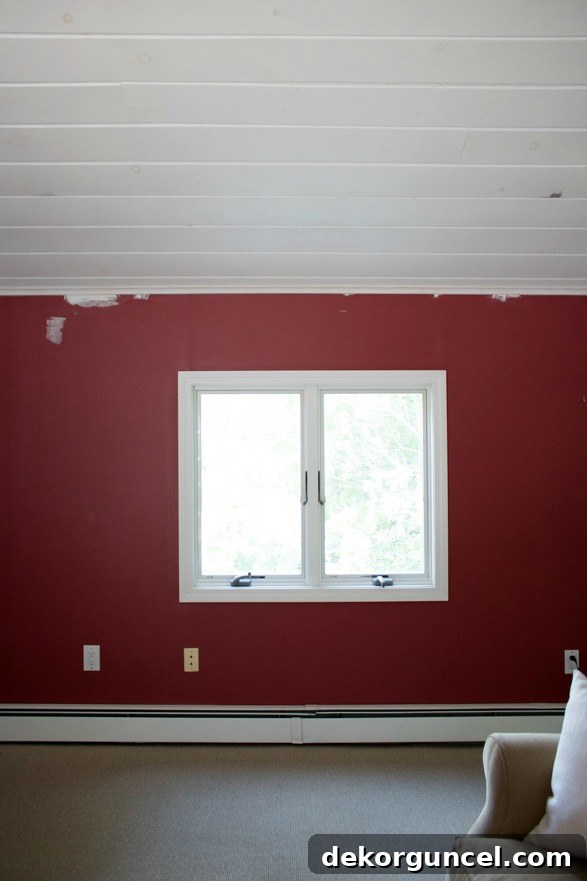
The “before” photo below clearly illustrates a common scenario where significant space existed between the top of the window and the ceiling, making the window appear shorter than it truly is.
By contrast, I chose to mount our shades just a few inches below the ceiling. This strategic placement creates the illusion of a much taller window, drawing the eye upwards and enhancing the room’s vertical dimension. It also ensures the top of the shade doesn’t obstruct any part of the window glass, allowing maximum light when the shades are open.
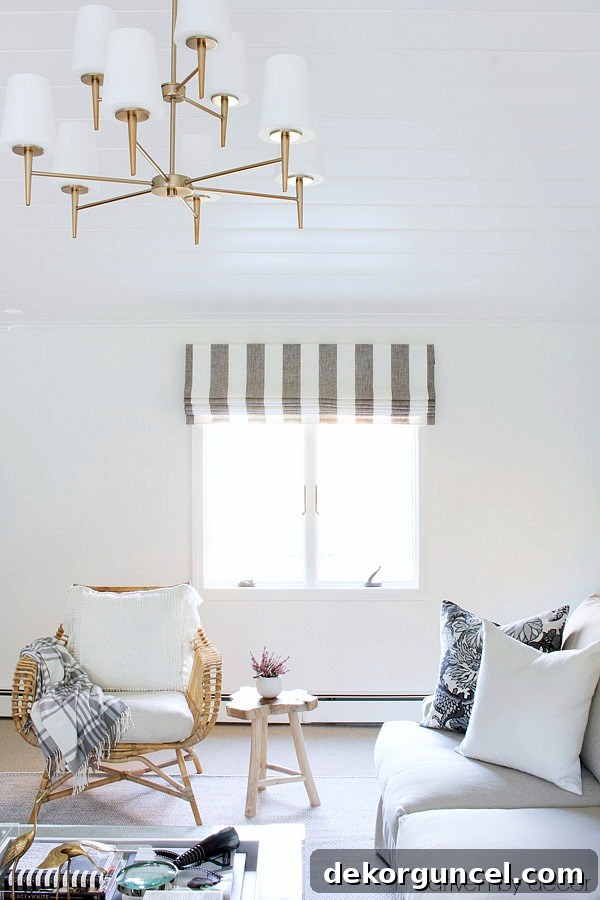
A peek from the corner of our family room offers an even better perspective of how significantly above the window frame these shades are hung. This angle also reveals one minor regret I have: I wish I had opted for longer side pieces for the Roman shades, allowing them to extend closer to the top of the window frame. The Shade Store actually presented this option to me, but I envisioned a different outcome and went with the standard length. It’s a small detail, hardly noticeable from within the room, but it serves as a valuable lesson for future projects! Always consider how the treatment will look from all angles.
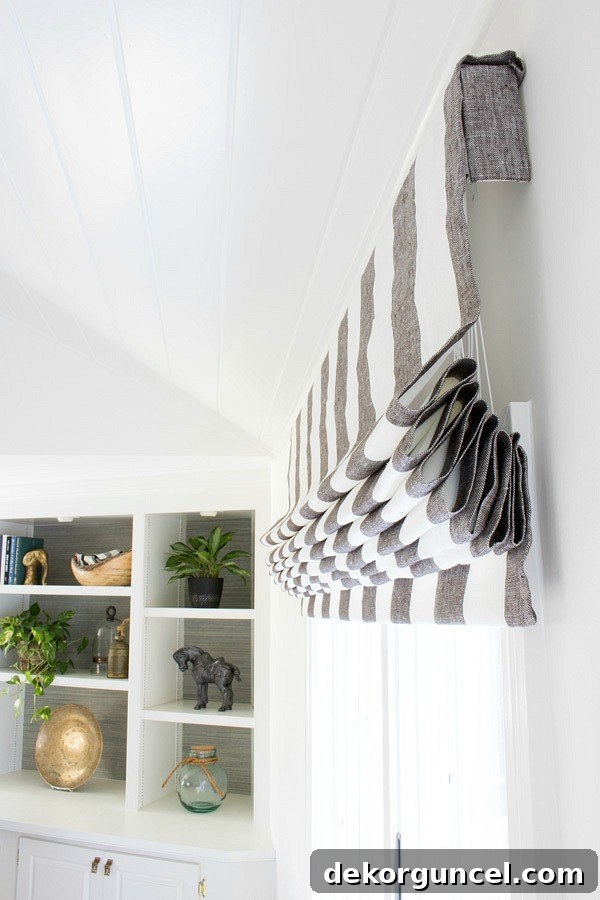
While I’ve gained enough experience to confidently decide on mounting heights and take my own measurements, I cannot stress enough the value of professional measuring and installation services, especially if you have any doubts. The peace of mind that comes from knowing your custom window treatments will fit perfectly and be installed flawlessly is often worth the investment. Companies like The Shade Store offer these services for a reasonable fee, guaranteeing accuracy and a professional finish, which ultimately saves you time, potential frustration, and costly mistakes.
Functional Features: Cords, Cordless, and Motorization
Modern window treatments come with a variety of operational choices, each designed to enhance convenience, safety, and aesthetic appeal. Among the most popular “extras” are cordless options and motorized shades. Cordless systems are an excellent choice for homes with young children or pets, eliminating dangling cords that can pose a safety hazard. They offer a clean, uncluttered look and operate smoothly with a gentle push or pull. However, it’s worth noting that some cordless shades may feature a slightly wider header mechanism to accommodate the internal components.
Motorized shades represent the pinnacle of convenience, especially for hard-to-reach windows, large installations, or for integrating with smart home automation systems. Imagine adjusting all your window treatments with the touch of a button, a remote control, or even a voice command. They can be battery-operated or hardwired, offering flexibility in installation. While both cordless and motorized options provide significant benefits, they typically come at a higher price point than traditional corded shades. For our family room, given that we only plan to close the shades for occasional sleepover parties, the added cost and wider header of cordless systems weren’t justifiable. Therefore, I opted for classic corded shades. To maintain a clean look without installing a cleat on the window frame, I simply tuck the cord neatly into the back folds of the shade, keeping it out of sight yet easily accessible when needed.
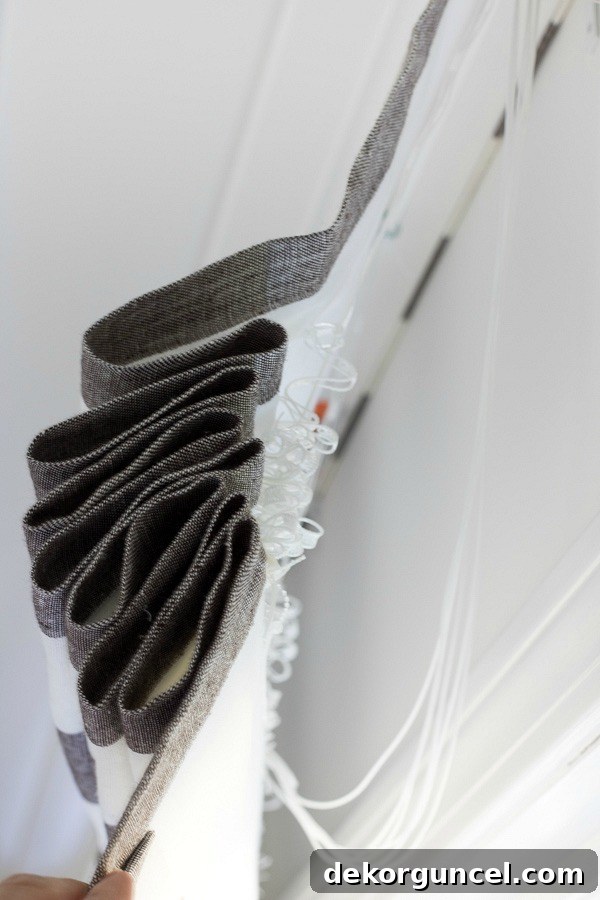
This comprehensive guide covers the essential aspects of choosing and installing window treatments, drawing from my own experiences and lessons learned. I wholeheartedly recommend The Shade Store for their exceptional quality and service; my experience during the One Room Challenge was fantastic, and I’ve already directed my sister their way! You can explore their showroom locations here or browse their extensive collection online and even order free fabric swatches here. Investing in the right window treatments is an investment in your home’s comfort, style, and energy efficiency, so take your time and choose wisely.
Now, with our family room feeling perfectly appointed, I’m excited to shift gears and dive into some holiday decorating! In fact, this very room is where I’m starting. When I initially designed the desk area between our built-in bookcases, I made sure it was easily removable. This thoughtful planning allows me to simply slide out the desk surface and replace it with something special for the last six weeks of the year. Yes, you guessed it – we finally have the perfect, dedicated spot for our Christmas tree!
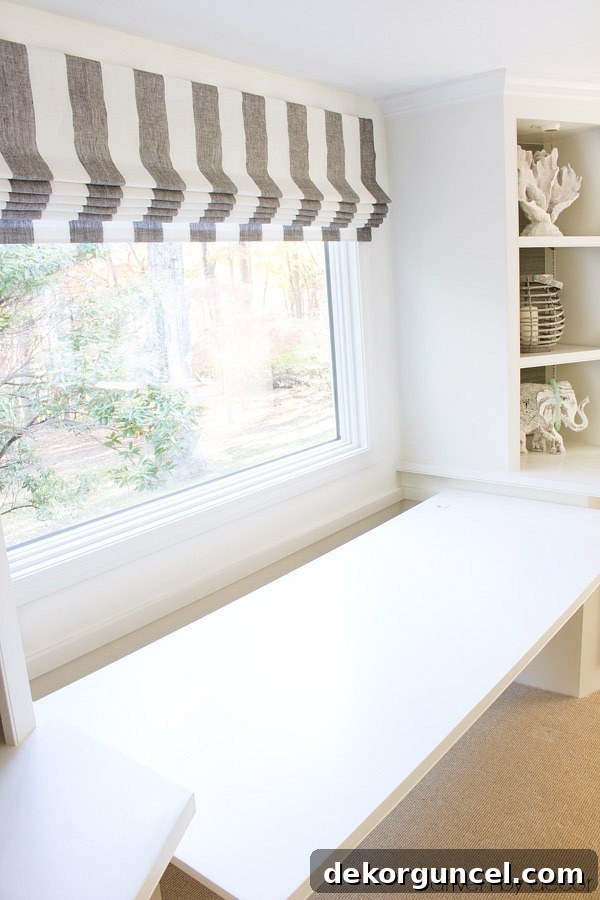
The plan is to have it all set up and beautifully decorated over the upcoming weekend, ideally before our Thanksgiving guests arrive early next week. For some sneak peeks and behind-the-scenes action, make sure to follow along on Instagram here!

For your convenience, should you have any questions about the specific items featured in our family room photos, I’ve compiled a complete source list below. (Please note, this list includes some affiliate links; you can review my full disclosure statement here for more details.)

Paint color: Walls & Trim in Benjamin Moore Cloud White
Furniture: Slipcovered sectional | Reclaimed wood TV console | Acrylic coffee table | Rattan accent chair | Desk chair
Lighting: Chandelier | Glass desk lamp base (large) | Desk lamp shade (medium, white)
Pillows & Throws: Sofa – Gray and white floral/dragon pillows, Confetti pillow (cream with black dots), Cream knotted fringe throw | Rattan chair – White Montecito pillow
Rug: Honeycomb ivory/grey wool rug
Shades: The Shade Store – Robert Allen Fabric in Perfect Stripe (Earth)
Art surrounding TV (from top left): Son (abstract) by Lori Wemple | Sand Spirit (horse print) by Leslie Le Coq | Mesmerize by Melanie Severin | Marble Two by Melissa Selmin | Brainchild (abstract) by Misty Hughes | Morning Walk on the Seine by Sharon Rowan | Stormy Sunrise by Melanie Severin | Reflection (boat print) by Neeta Sawhney (no longer available) | Flora in B+W by Very Marta | Llama Love by Jocelyn Eden
Desk accessories: Pencil holder | Turtle dish | Gold stapler | Stripes & Dots pens
Media console accessories: White marble box & small shagreen (black and white) box – have had for years | White glass knot | Wishbone paperweight | Shagreen (black and white) box (similar) | White coral | Book: Tracery: The Art of Southern Design | Book: Nancy Braithwaite: Simplicity | Book: Ellen Degeneres Home
Coffee table accessories: Tray (28″ x 28″) | Brass cranes | Magnifying glass | Pinstripe bone box (large) | Book: Elements of Style | Book: The Collected Home | Book: Emily Henderson Styled | Book: Dogs
Other Accessories: Basket for fiddle leaf fig tree
Bookshelves: Grasscloth -Schumacher’s Haiku Sisal in Charcoal (5006864) | White jug – HomeGoods | Tortoise shell | Brass bowl – thrifted | Black and white decorative balls | Elephant bookends | Gold sculpture with black stand – West Elm | Glass jug (similar) | Pineapple decanter | Large gold and linen frame – TJ Maxx | Dried star pod | White candlesticks – Pottery Barn years ago | Basket – HomeGoods | Tall coral – HomeGoods | Lantern – HomeGoods | Elephant – HomeGoods | Glass bead necklace (on elephant) | Wood bowl – Home Emporium | Glass cloche | Gold bell | Gold platter – thrifted | Horse – HomeGoods | Small glass jar – HomeGoods