
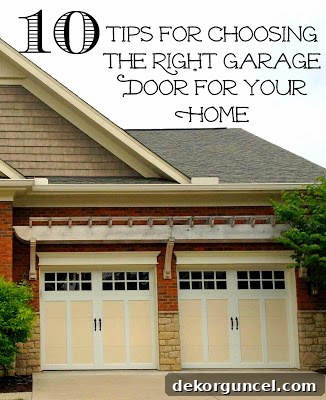
Considering a garage door replacement? This ultimate guide offers ten essential tips to help you make the perfect choice for your home!
A new garage door can dramatically transform the entire look and feel of your home, instantly boosting its curb appeal and even increasing its market value. Just like we recently experienced, replacing an old garage door can have an astonishing impact, making your home look fresh and modern. As a significant investment, making the right choice requires careful consideration and research. Having navigated this process ourselves, we’ve gathered a wealth of knowledge to share the most crucial tips for selecting the ideal garage door that perfectly complements your home’s aesthetics and functional needs.
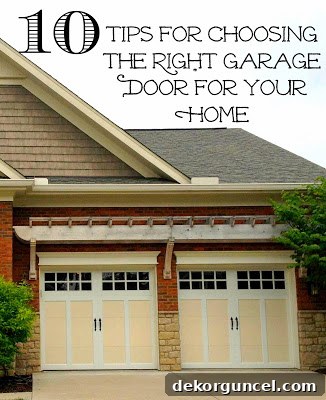
Ultimate Guide to Garage Door Replacement: 10 Expert Tips for Your Home
Your garage door isn’t just a functional entry point; it’s a prominent feature that can account for up to 40% of your home’s front exterior. Therefore, choosing the right one goes far beyond mere aesthetics. From material and insulation to style and security, every detail matters. Let’s explore the essential factors to consider when embarking on your garage door replacement journey.
1. Understand the Pros and Cons of Different Garage Door Materials
The material of your garage door significantly impacts its durability, maintenance, insulation properties, and overall appearance. The most popular choice today is steel, prized for its versatility and robust performance. Steel doors can be highly insulated, offering superior energy efficiency compared to many wood options. They are also generally lower maintenance and often more cost-effective than natural wood. Modern steel doors come in a variety of finishes, including those that mimic the look of natural wood, offering aesthetic appeal without the associated upkeep.
Aluminum doors typically represent the most budget-friendly option and are remarkably lightweight, making them easy to operate manually. While historically more prone to dents, advancements in manufacturing have led to more durable aluminum options. A key advantage of aluminum is its exceptional resistance to rust and corrosion, making it an excellent choice for homes in coastal regions or areas with high humidity. Its sleek, modern aesthetic also makes it a favorite for contemporary architectural styles.
Natural wood garage doors offer unparalleled warmth, charm, and traditional beauty that can significantly enhance a home’s curb appeal. However, this elegance comes with specific requirements: wood doors need regular repainting or restaining every few years to protect them from the elements and maintain their appearance. They are also generally more expensive than steel or aluminum doors, both in initial cost and long-term maintenance. Despite these considerations, the unique character and timeless appeal of a natural wood door are often worth the investment for homeowners seeking a distinctive look.
2. Prioritize Insulation Value (R-value) for Energy Efficiency
The R-value of a garage door measures its resistance to heat flow; a higher R-value indicates better insulation and greater energy efficiency. This factor is critical, especially if you live in a harsh climate with extreme temperatures. Beyond just temperature regulation within the garage, a well-insulated garage door can significantly impact the energy efficiency of your entire home, particularly if you have finished living space above your garage (like a bedroom or office) or if your garage shares a wall with conditioned living areas. In our experience, installing a new garage door with a much higher R-value made a noticeable difference in the comfort of our master bedroom, which is situated directly above the garage.
Furthermore, if you plan to use your garage for purposes other than simply parking cars—such as a workshop, home gym, laundry area, or storage for temperature-sensitive items—heating or cooling the space becomes essential. A high R-value garage door will drastically reduce your energy consumption and maintain a more consistent temperature, saving you money on utility bills in the long run. While doors with higher R-values typically come with a higher price tag, the energy savings and enhanced comfort often justify the initial investment, making it a wise long-term decision. Consider the climate, your garage’s usage, and your home’s overall energy footprint when evaluating the ideal R-value.
3. Harmonize Your Garage Door Color with Your Home’s Exterior
The color of your garage door plays a pivotal role in your home’s exterior aesthetics. It should either blend seamlessly with your home’s existing color palette or act as a tasteful accent that enhances its architectural style. Most garage door manufacturers offer a selection of standard prefinished colors. If one of these options perfectly matches your home’s trim, siding, or other exterior elements, opting for a prefinished door is often the most practical choice. Prefinished doors are virtually maintenance-free and provide a consistent, durable finish right out of the box.
However, if none of the standard colors achieve the desired effect, consider painting or staining your door a custom color. This allows for complete personalization, ensuring your garage door truly complements your home. To simplify the painting process, you can request that the door be delivered to your home prior to installation. This allows you to paint the individual sections while they are flat on the ground, before the door is assembled and hung, ensuring a more thorough and professional finish. Always follow the manufacturer’s specific instructions regarding surface preparation, the type of paint to use (oil-based paints may void warranties), and any restrictions on using dark colors, which can sometimes cause premature warping or fading in certain materials due to heat absorption.
4. Embrace the Visual Impact of Adding Windows to Your Garage Door
Initially, you might not consider windows for your garage door, especially if your current one lacks them. However, the transformative power of windows on a garage door’s overall aesthetic and a home’s curb appeal is truly remarkable. From our own experience using visualization tools (which we’ll discuss next), we quickly became convinced that adding windows makes an amazing difference. For the vast majority of homes, a garage door with thoughtfully designed windows will appear far more attractive and inviting.
Windows not only add architectural interest and character but also allow natural light into the garage, reducing the need for artificial lighting during the day. This can be particularly beneficial if you use your garage for hobbies, a workshop, or any activity where natural light is appreciated. When selecting windows, consider the glass type (clear, frosted, textured for privacy), the size and shape of the window openings, and the style of the grilles or inserts. These elements should align with your home’s architectural style and the overall design of the garage door. The examples below from Clopay’s “Before and After” Pinterest Board perfectly illustrate just how impactful the addition of windows can be:
5. Select a Garage Door Style that Harmonizes with Your Home’s Architecture
The style of your new garage door should be a natural extension of your home’s architectural design. A contemporary aluminum and glass door, while striking, would look out of place on a traditional Colonial home, just as a rustic carriage-style door might clash with a sleek, modern residence. The goal is to create a cohesive and appealing exterior that enhances your home’s character.
Consider the architectural details already present in your home. Do you have arched windows? Then perhaps arched window inserts on your garage door would create a beautiful continuity. Are your windows rectangular with specific grille patterns? Mimicking these shapes and divisions on your garage door windows can create a sophisticated, custom look. Pay close attention to the shape of the window openings and the size and pattern of the window grilles you choose, as these details significantly contribute to the door’s overall style. Here are some excellent examples of homes where garage door windows were thoughtfully selected to complement the existing architecture:
|
|
| The rectangular shape of these garage doors’ window openings and the division of the windows with square grilles mimic the design of this home’s large window (to the left of the garage doors) that has rectangular trim and square grills. |
|
|
| The arched shape of these garage doors’ window openings and the division of the windows with square grilles mimic the design of the arched windows to the right and above the garage doors. |
|
|
| The rectangular shape of these garage doors’ window openings and the division of the windows with rectangular grilles mimic the design of the large windows to the left and the right of the garage doors. |
6. Leverage Online Visualization Tools for Design Confidence
One of the most valuable resources available to homeowners today is the online visualization tool offered by most reputable garage door manufacturers. These innovative tools allow you to upload a photo of your own home and virtually “try on” various garage door designs. This process takes the guesswork out of design decisions, enabling you to see precisely how different styles, colors, window configurations, and hardware options will transform your home’s appearance before you commit to a purchase.
For instance, we utilized Clopay’s Door Imagination System during our replacement project. By simply uploading a picture of our home with its old garage door, we could experiment with countless possibilities. Initially, we might have considered a carriage-house style door without windows, and the visualizer would show us this:
But with windows, the visualizer instantly demonstrated a vastly improved look, helping us confirm our preference:
These tools are incredibly helpful for exploring options and gaining confidence in your final selection, ensuring you’ll love the outcome.
7. Thoughtfully Select Decorative Door Hardware Options
Decorative hardware can significantly enhance the character and style of your garage door, turning a utilitarian feature into a striking architectural element. Most garage door manufacturers offer a wide array of hardware options, including hinges, handles, and step plates, in various styles and finishes. It’s important to remember that the installation of certain hardware pieces is often optional, allowing for greater customization.
For example, when we chose a carriage-house style garage door, we found that the standard decorative hinges and bottom step plate didn’t quite align with the overall aesthetic of our home. We opted not to install these particular pieces, creating a cleaner, more understated look. Instead, we upgraded the standard lift handles to colonial-style handles, which better suited our home’s architectural period and personal taste. Taking the time to explore these options and customize your hardware can make a substantial difference in achieving a truly personalized and polished finish for your garage door. Don’t underestimate the power of these small details to elevate your home’s curb appeal.
8. Invest in a Wind-Rated Door If You Live in Hurricane-Prone Areas
For homeowners residing in regions susceptible to hurricane-force winds or severe weather, investing in a wind-rated garage door is not merely an option but a critical safety measure and often a local building code requirement. Garage doors are one of the most vulnerable points of a home during high winds. Approximately 80% of residential wind damage during hurricanes and severe storms originates from wind entry through the garage door. Once the garage door fails, the sudden change in air pressure inside the garage can cause the roof to lift off and walls to collapse, leading to catastrophic structural damage to the entire home.
Wind-rated doors are specifically engineered with reinforced components, such as stronger tracks, heavy-duty rollers, and horizontal bracing, to withstand extreme wind pressures. These doors meet stringent local wind load reinforcement requirements and are tested to resist specific wind speeds. Before purchasing, verify that the door’s wind-load rating complies with your local building codes. This vital investment provides essential protection for your property and family, offering peace of mind when severe weather strikes.
9. Thoroughly Review Warranty Details for Long-Term Peace of Mind
A garage door is a significant long-term investment, so understanding its warranty is paramount. Before making a final decision, always inquire about the warranty details provided by the manufacturer and the installer. Warranty lengths and coverage can vary significantly depending on the manufacturer, the specific type of door, and its components (e.g., panels, hardware, finish, springs). Some manufacturers offer limited lifetime warranties on certain parts, while others might provide shorter terms, such as 10 years on paint finish or 1 year on labor.
Carefully read the fine print to understand what is covered (parts, labor, finish), what voids the warranty (e.g., improper maintenance, use of non-approved paints, unauthorized modifications), and the process for making a claim. A comprehensive warranty indicates a manufacturer’s confidence in their product’s quality and provides invaluable protection against potential defects or premature wear. Don’t hesitate to ask your dealer to explain any unclear terms or conditions, ensuring you have complete clarity on your investment’s long-term protection.
10. Don’t Forget to Price Shop and Compare Quotes
Once you’ve meticulously researched and identified the perfect garage door for your home, the final crucial step is to price shop and compare quotes from multiple vendors. Even if you’ve found a door you love from a specific manufacturer, pricing can vary significantly among different dealers and retailers. For example, after receiving a quote for our chosen Clopay door from a local dealer, we discovered that a major home improvement retailer was offering a special sale on the same model. By simply informing our salesperson about the competitive price, they were willing to match it, saving us several hundred dollars on our purchase.
When gathering quotes, ensure that each quote is comprehensive and includes all aspects of the job: the cost of the door itself, installation fees, removal and disposal of your old door, any necessary permits, and applicable taxes. Be wary of unusually low bids, which might indicate hidden costs or lower-quality installation. Taking the time to compare offers thoroughly can lead to substantial savings without compromising on the quality of your chosen garage door or its installation. This diligence ensures you get the best value for your investment.
While the process of choosing and replacing a garage door might not be the most exciting home improvement project, its impact on your home’s appearance, value, and energy efficiency is undeniably significant. By following these expert tips, you can navigate the decision-making process with confidence, ensuring you select a garage door that you’ll cherish for years to come and that perfectly enhances your beloved home.
