Second Floor Laundry Rooms: Pros, Cons, and Flood Prevention Pointers
What follows is the part worth saving when a room has to function on a weekday. Trying to decide whether or not to have a second floor laundry room? I share the pros and cons along with flood prevention pointers if you move everything upstairs!
As with open shelving in the kitchen, second floor laundry rooms seem to divide people squarely into one of two camps – those who love it and those who are adamantly against it. When we added on to our house in Cincinnati, I had several people advise me to rethink my plan to move the laundry room to the second floor but in the end I decided to go ahead with it. I'm so glad I did – I loved it!
We used our upstairs laundry room for about four years until we moved and I thought it might help to share my experience, including the pros and cons and some important pointers for preventing everyone's biggest fear about a second floor laundry room – flooding! Hopefully this post will be helpful to those of you considering an upstairs laundry room as part of new construction or a home redo. (post includes affiliate links – see my full disclosure statement {here})
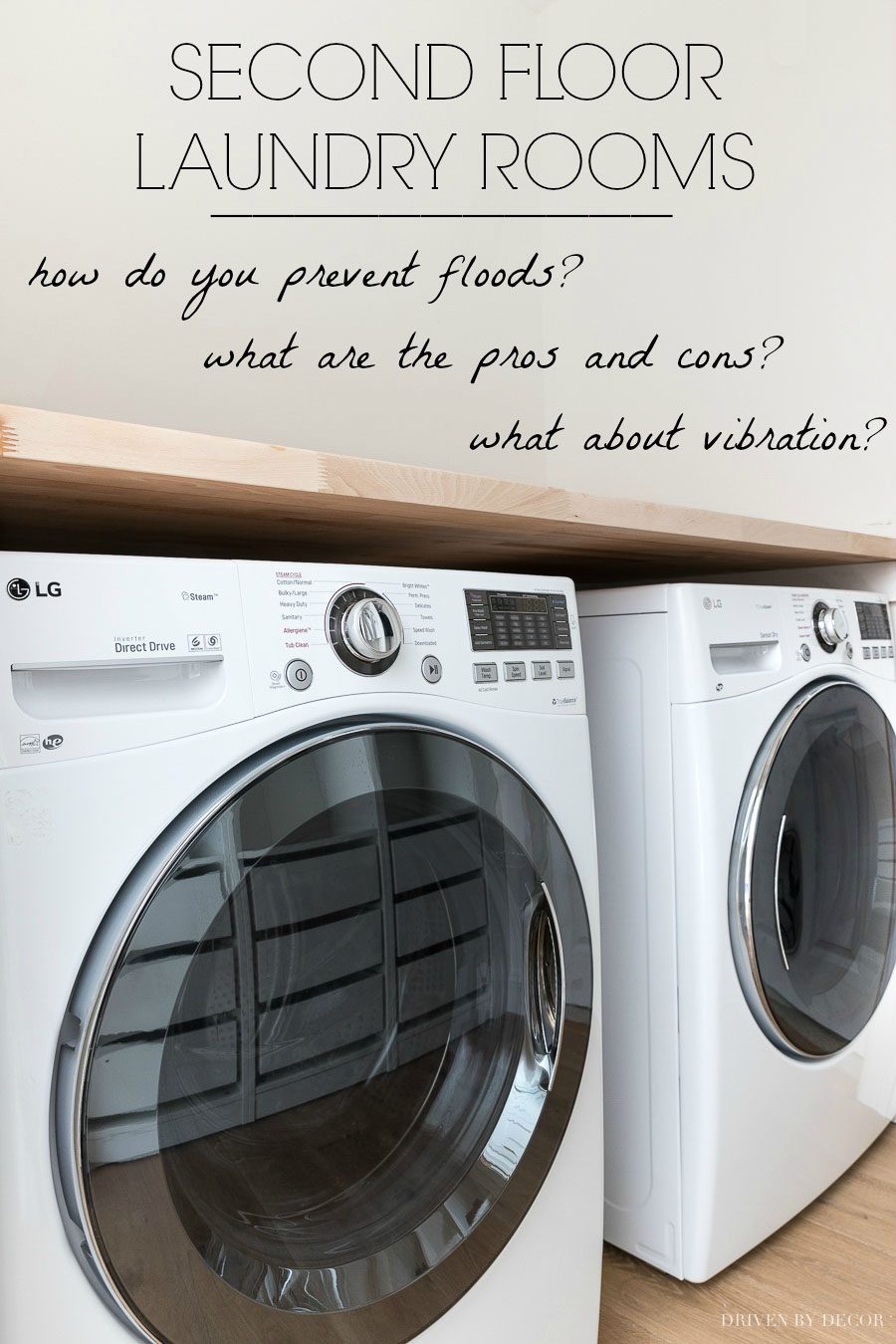
The Pros: Second Floor Laundry Room
One. No more lugging laundry up and down the stairs
The dirty clothing, sheets, and towels that make up 95% of our laundry are generated upstairs so having a second floor laundry room eliminates the lugging of laundry baskets up and down the stairs.
Two. You can eliminate the use of hampers in bedrooms/bedroom closets.
Older houses such as ours have small closets, making closet space a precious commodity. Since our laundry room is in the middle of the second floor, I keep two large hampers in the laundry room and we put our dirty clothes directly in these hampers rather than keeping hampers in our rooms. In addition to freeing up space in the bedroom closets, it eliminates the time it takes to collect the laundry from various rooms before starting the wash.
Three. Doing the laundry takes less time
For both of the reasons above, doing laundry takes less time. And let's face it, could there be a bigger pro??
The Cons: Second Floor Laundry Rooms
One. Second floor laundry rooms can make it hotter in the summer
Running the dryer during the summer months can make it hotter upstairs and increase your a/c bill. However, I found that if I'm vigilant about keeping the door from the laundry room to the hall shut, it's not an issue.
Two. Noise from the washer and dryer can wake nappers
I am blessed with having girls who are great sleepers so it's never been an issue in our house, but if you have light sleepers and like to do laundry at nap time and nighttime, noise from the washer and dryer being a problem is something to think about.
Three. Possible flood damage
A washing machine that overflows or washer hose that bursts can cause much more damage to the house when the washer is on the second floor. Fortunately, if you follow a few simple pointers (see below) it will significantly minimize the likelihood that this will be an issue.
Four. Vibration of Washer
Front loading washing machines can cause significant vibration during the spin cycle and potentially result in the machine “walking”, although it's much less of an issue with today's front loading washer and dryers than when they first came out. For this reason, some choose to use the older style top loaders in second floor laundry rooms. If you're getting a new washer and dryer for an upstairs laundry room, definitely check reviews about how much vibration the sets you are looking at produce and use that information in making your purchase decision. If you have issues with vibration and “walking” of your washer and dryer, anti-vibration pads such as {these} can definitely help (The household has tried them myself and they work well!).
Flood Prevention in Second Floor Laundry Rooms
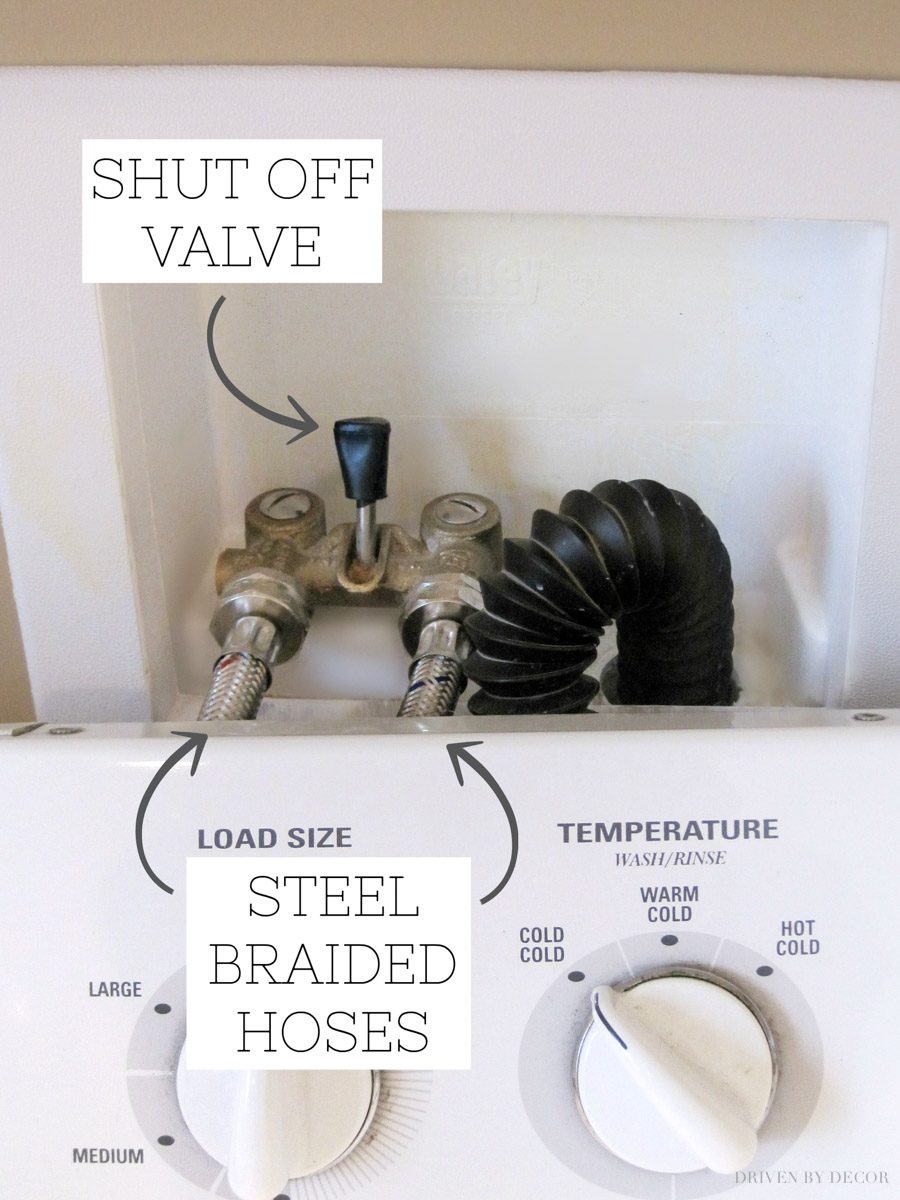
One. Have a Water Shut-off Valve That's Easily Accessible
When your washer isn't in use, use the water shut-off valve to turn off the water supply to the washer to eliminate the possibility of a flood due to a burst hose. Another option is to install an electronic valve shutoff kit such as Floodstop (available {here}) that has a water sensor that you place under the washing machine – when water is sensed due to a leak or flooding it automatically shuts off the water supply.
Two. Use Steel Braided Washer Hoses
Steel braided washer hoses such as {these} are much less likely to burst than standard washer hoses so paying just a few dollars more for a higher quality washer hose is definitely worth it. Upgrading to steel braided hoses is actually a good idea no matter what floor your washer is located on.
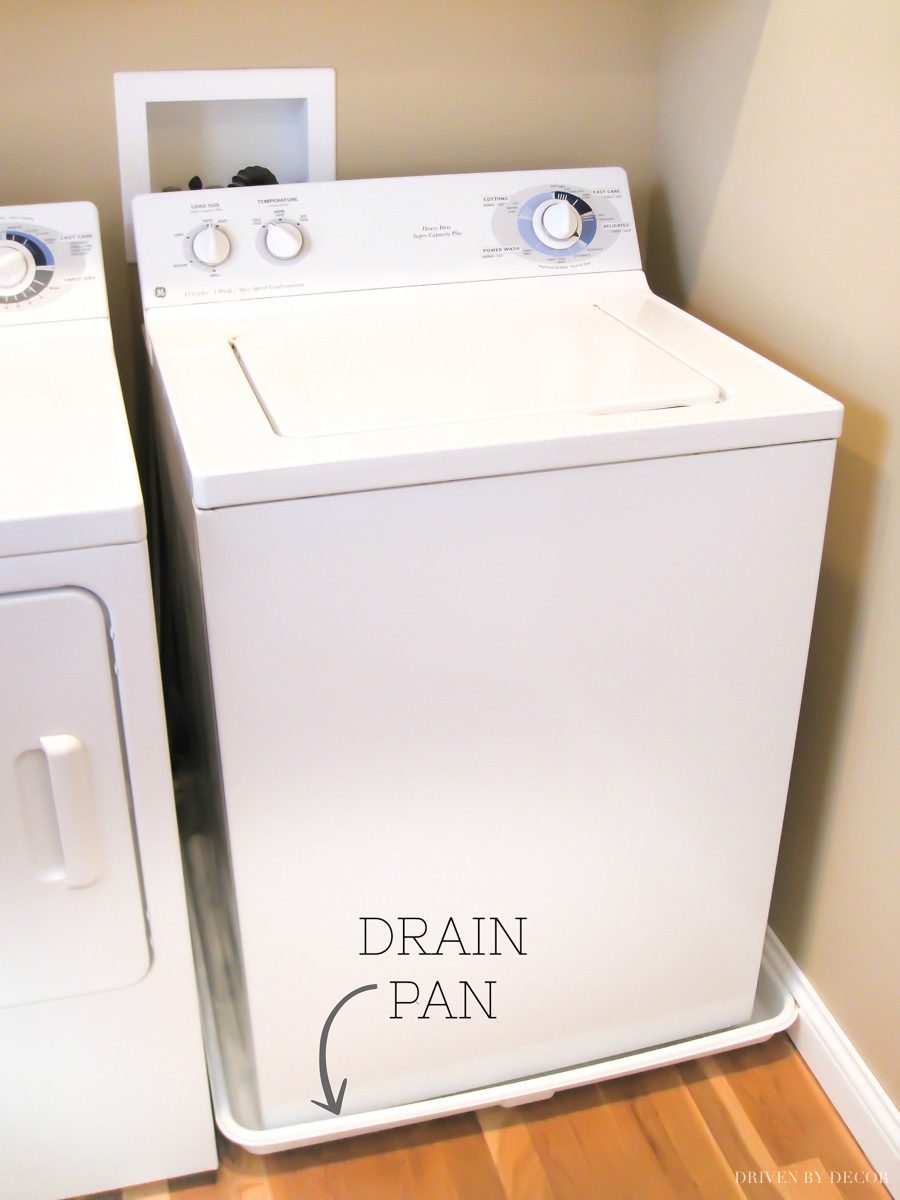
Three. Place Your Washing Machine in a Drain Pan
By using a drain pan, if your washing machine were to overflow, it would go down the sides of the machine into the drain pan, which is attached to a pipe that drains the water away and prevent an upstairs flood.
Four.Consider Adding a Leak Detector
In a worst case scenario that a floor does occur, a leak detector can alert you to the problem before the damage becomes to great. Newer ones such as {this leak alert device} have the ability to send you an email alert so you are alerted even if you're not home to hear it. I actually have one of these by our water heater and luckily we haven't needed it but The household has tested it and it works great!
Having had homes with laundry rooms on all different levels (including the basement – hated that!!), a second floor laundry room is definitely my preferred spot. I'd love to hear your experiences – if you've had both first and second floor laundry, which do you prefer?
Want other approaches for your laundry room? Look at these kept posts:
Laundry Room Storage Approaches
Our Laundry Room Cabinets (On the Cheap!)

Elsewhere in the house
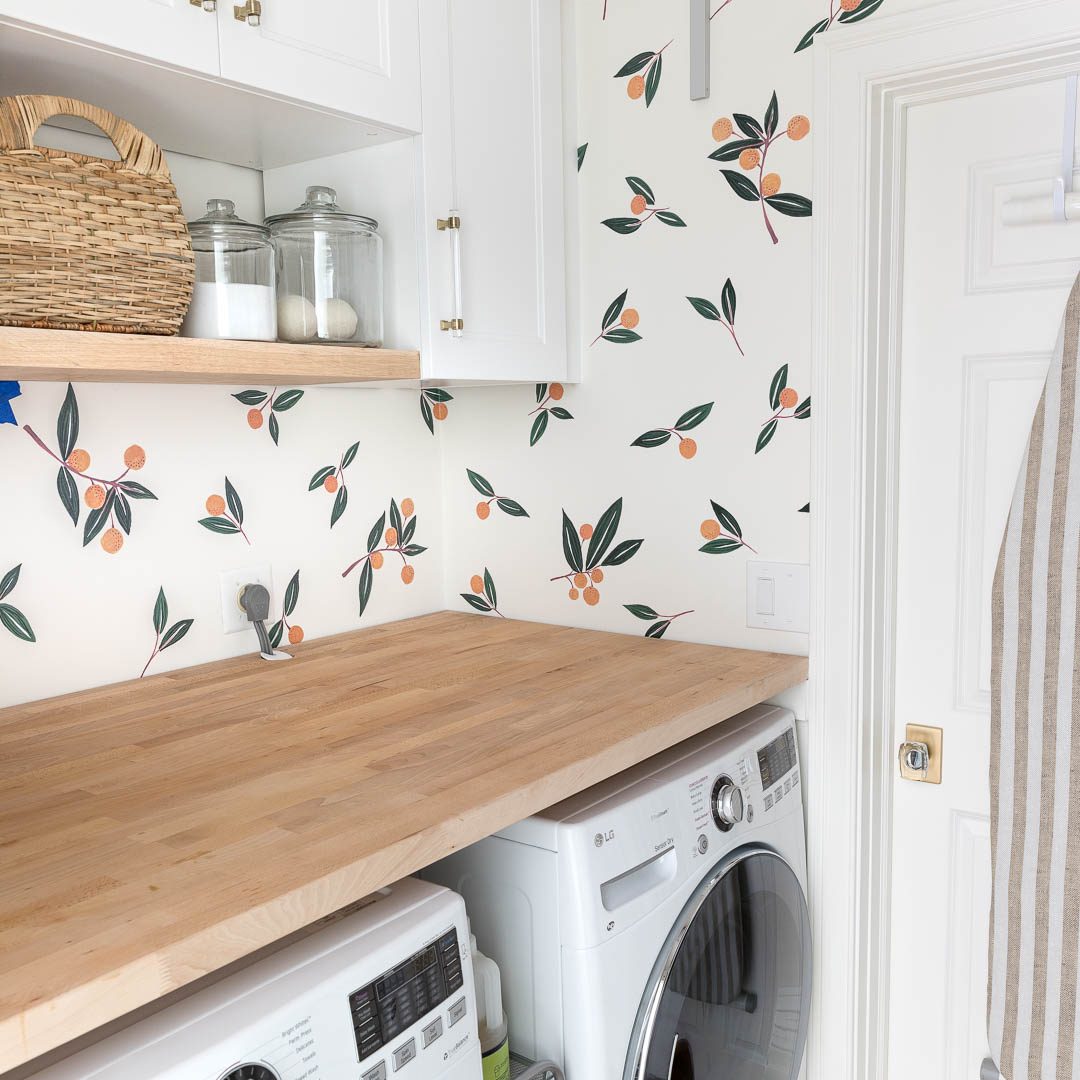 WallpaperEverything You Need to Know: Vinyl Wall Decals
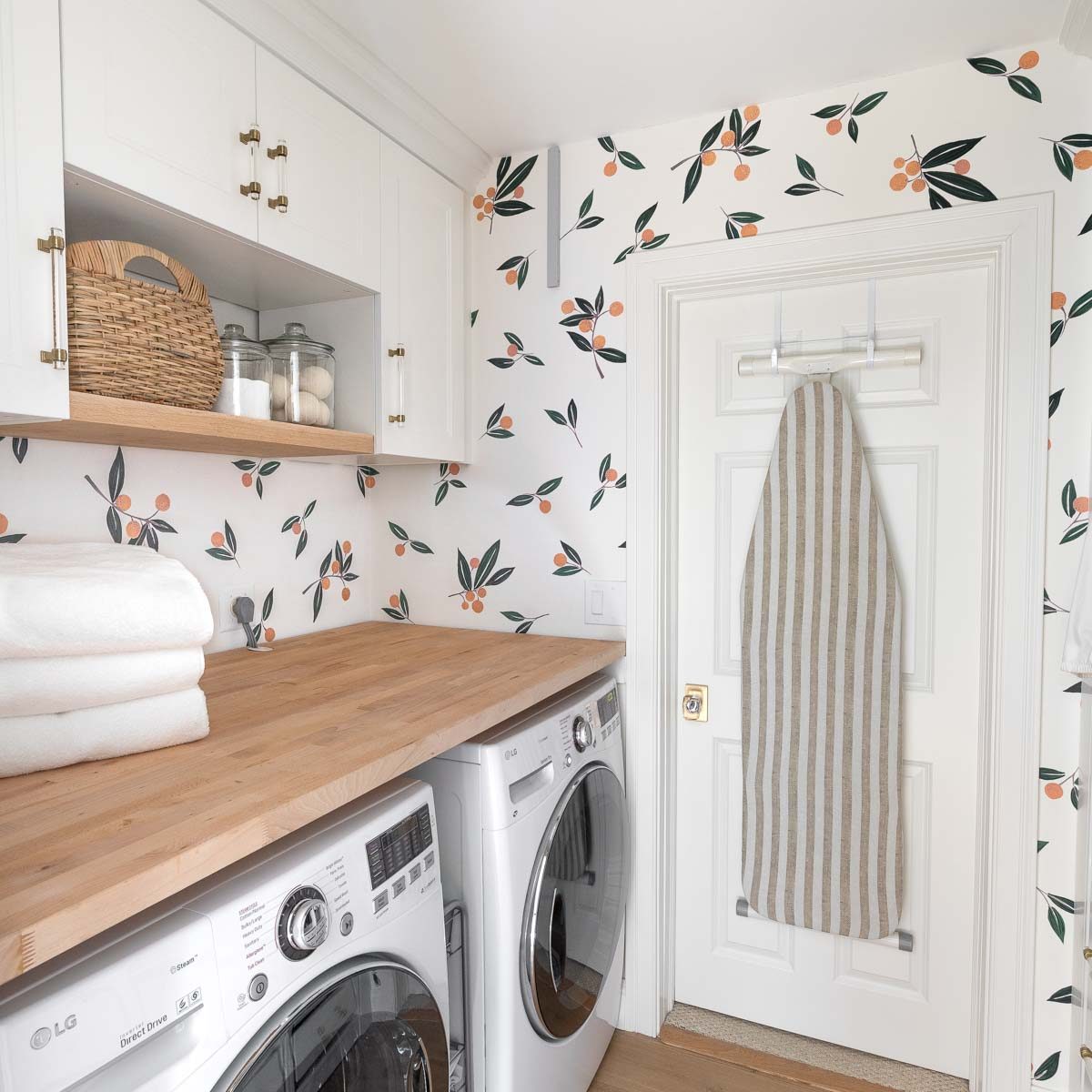 Room RemodelsOur IKEA Laundry Room Cabinets
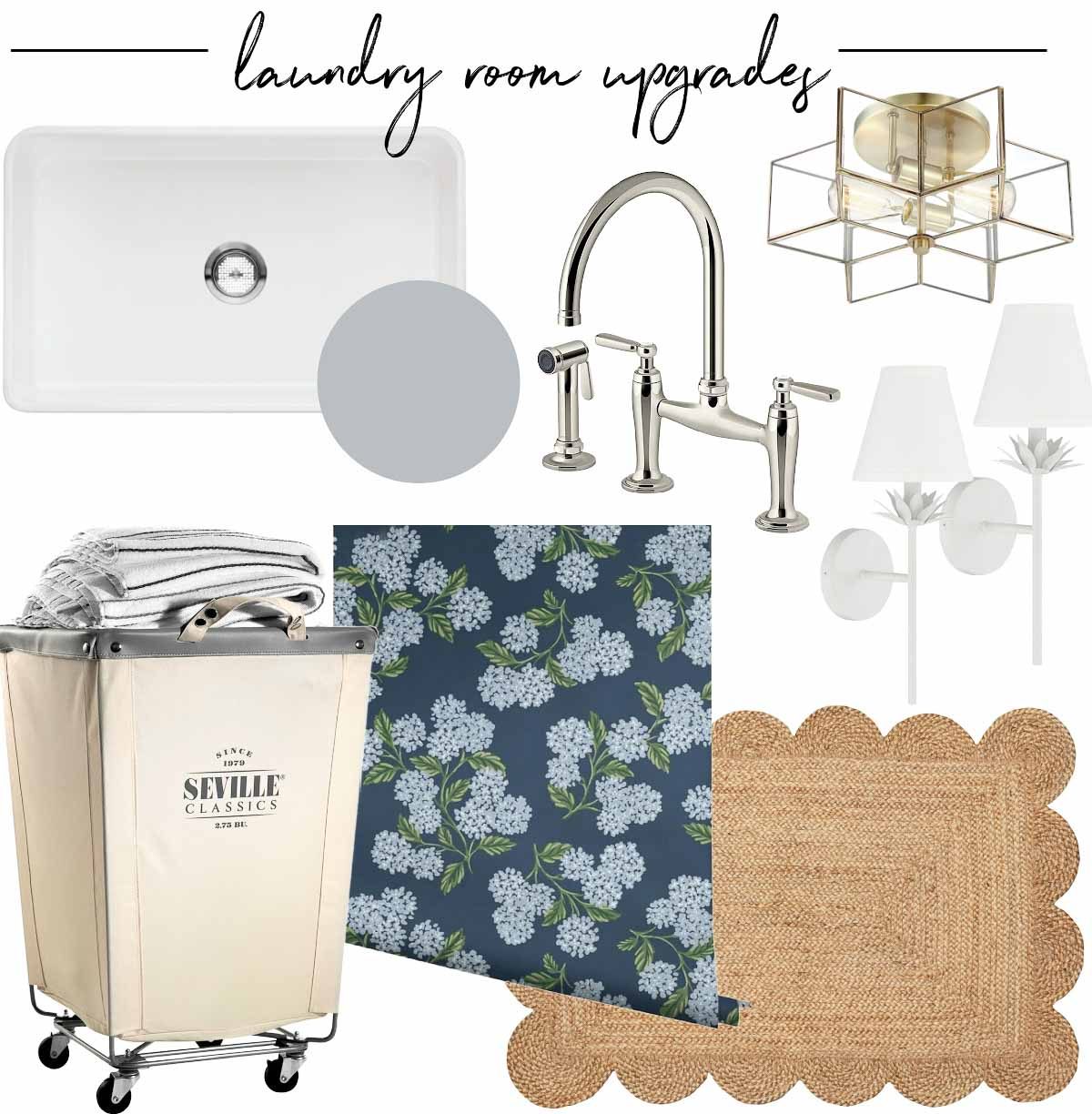 Laundry RoomsLaundry Room Redo Approaches: Small Upgrades with Major Impact
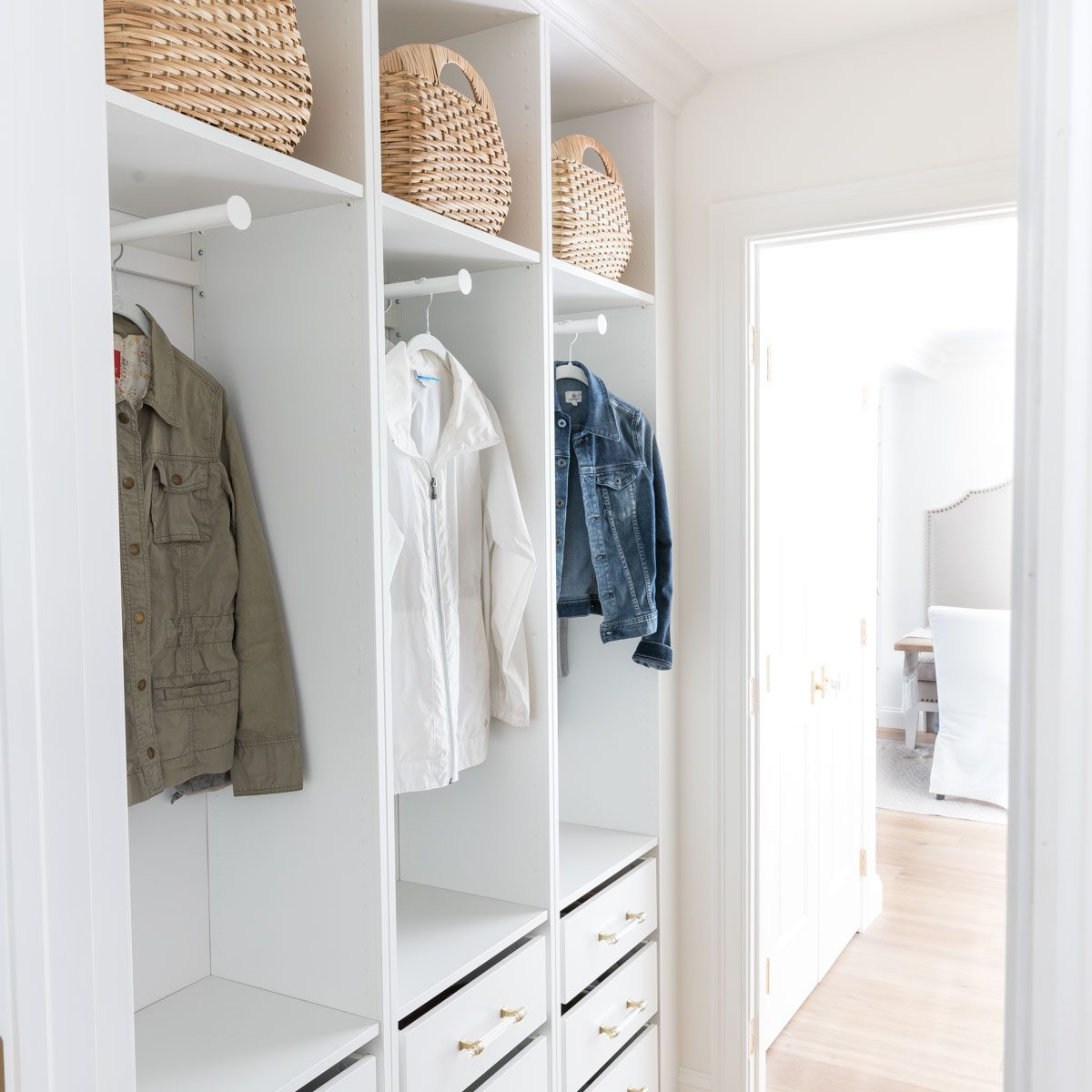 DIY ProjectsOur IKEA PAX Mudroom
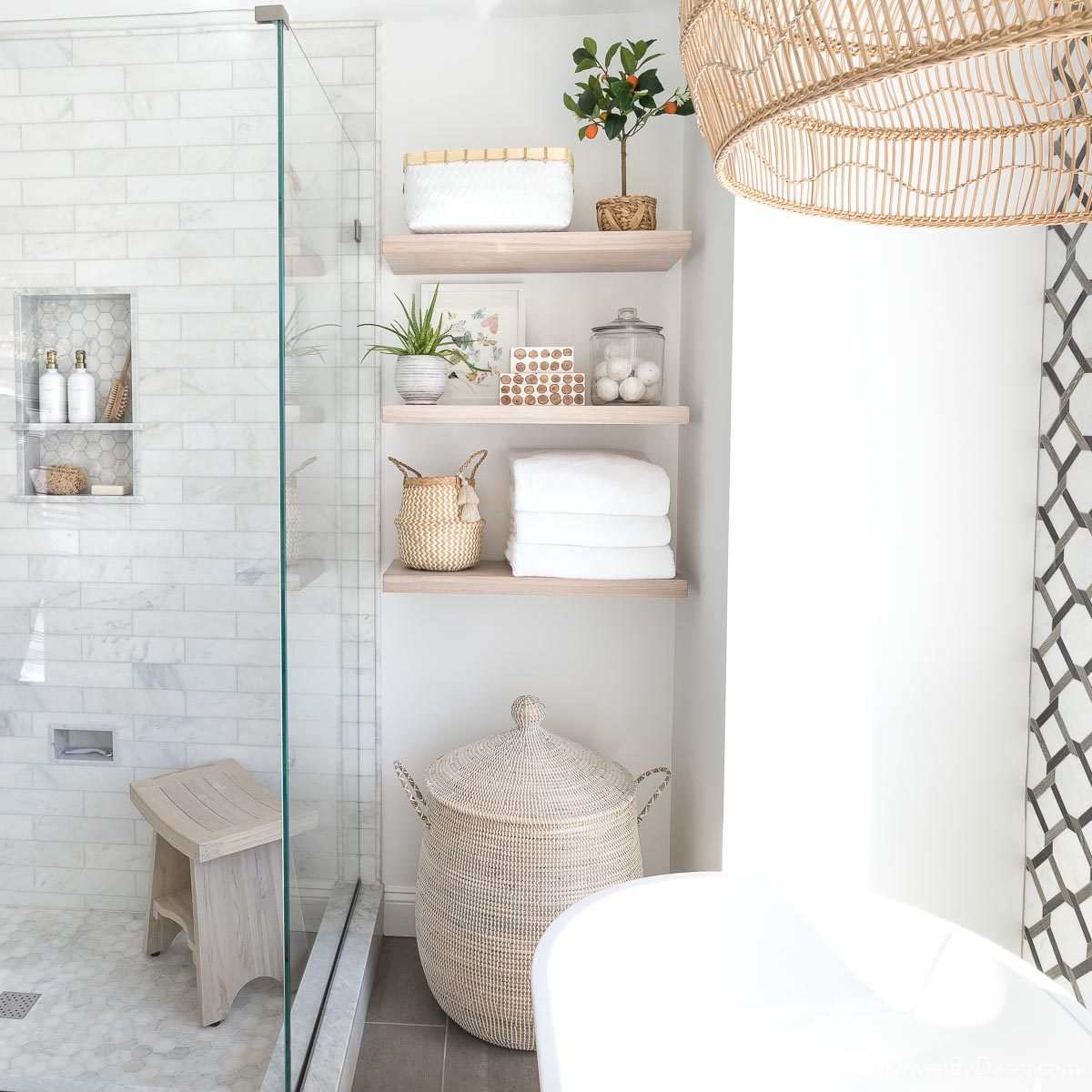 BedroomsStylish Laundry Hampers with Lids
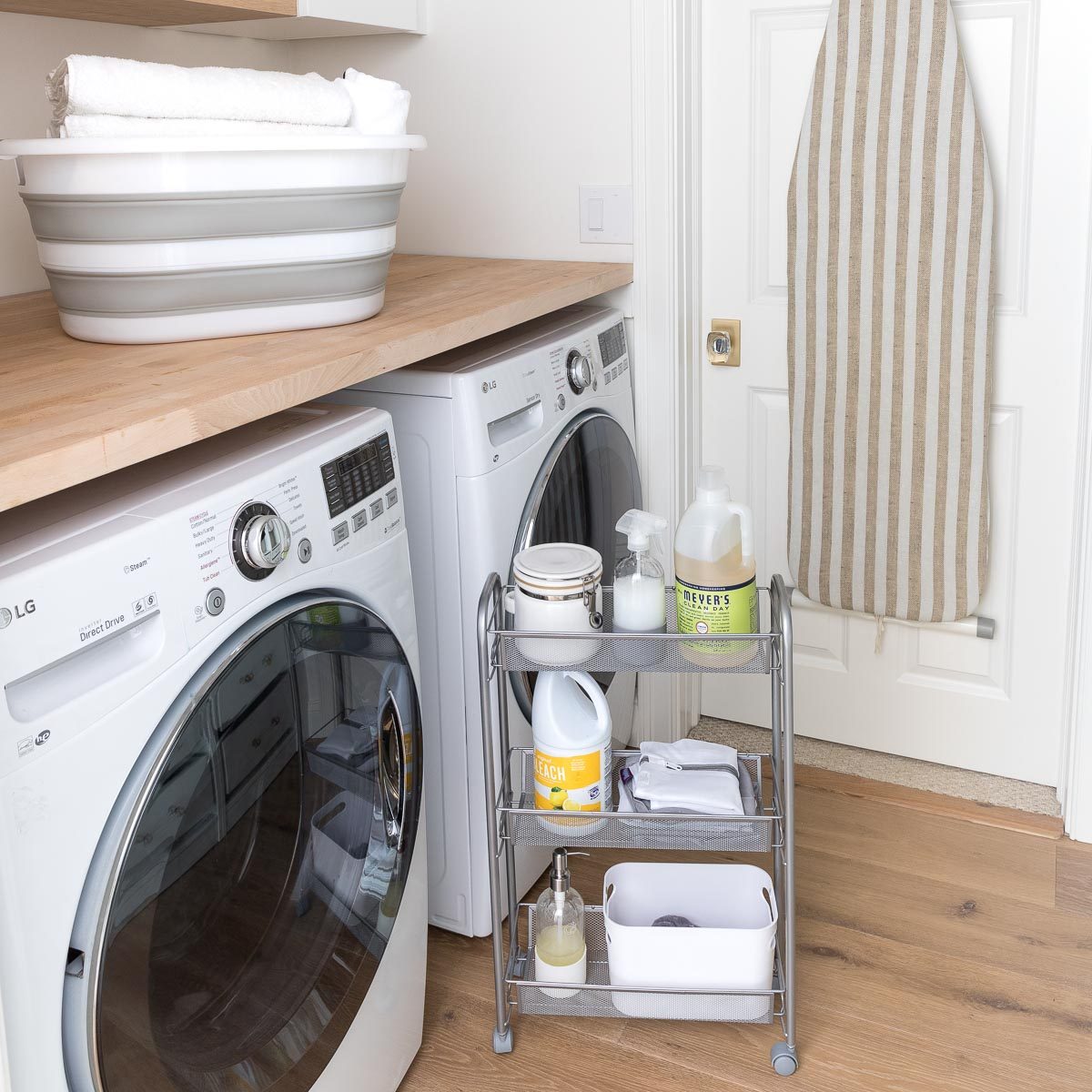 OrganizingLaundry Room Storage Approaches to Maximize Every Inch
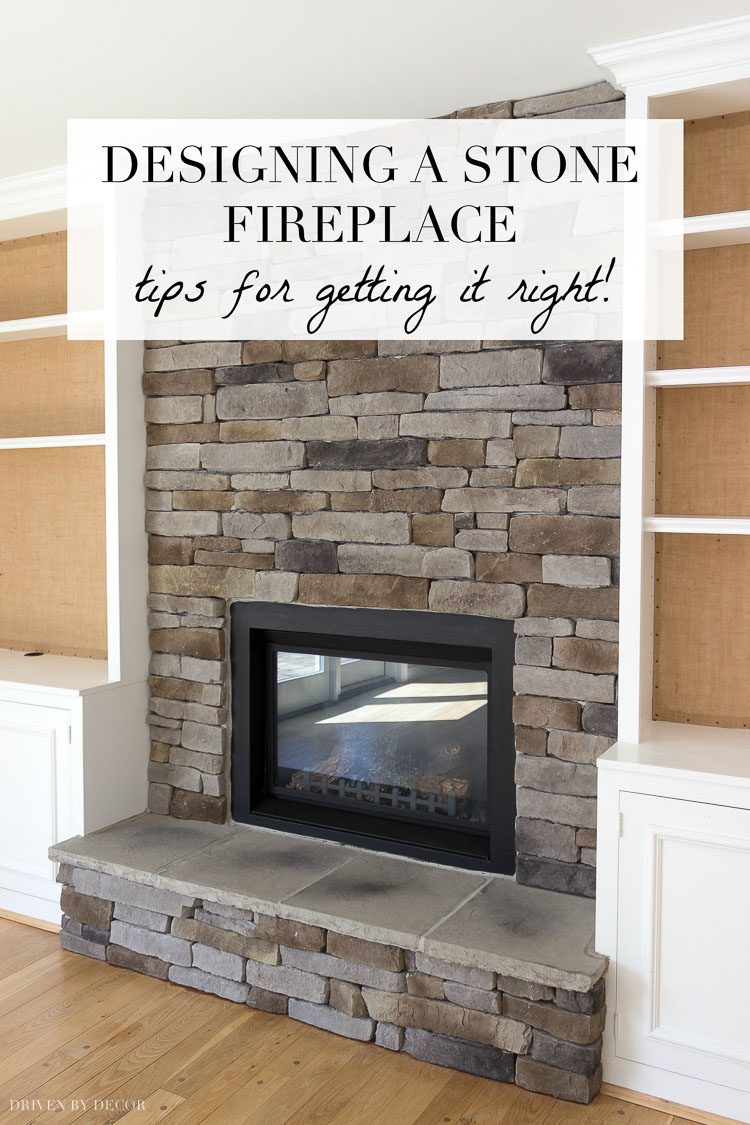 Living RoomsStone Fireplace Approaches for Creating a Fireplace You'll Love
 Fall DecorThe Fall Doormats I'm Loving This Year
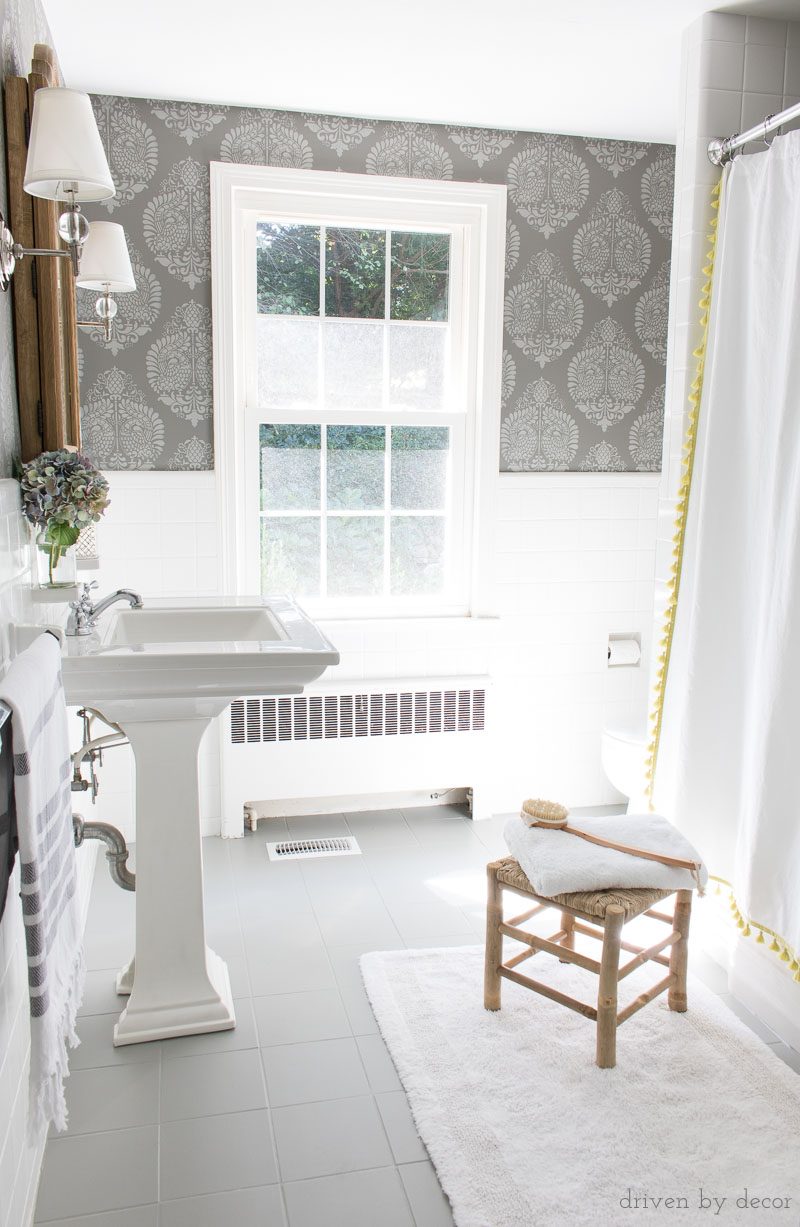 BathroomsWays to Paint a Tile Floor: The Tools and Pointers that Work