
As a blogger, my inbox often buzzes with a fascinating array of collaboration requests from PR companies. It’s a daily ritual: an invitation to interview an architect about a new monastery wing, an author passionate about LEGO crafts, a plastic surgeon promoting an age-defying moisturizer, or even a toilet company discussing the rising trend of bidets. While some of these pitches spark a momentary chuckle – I admit, the bidet post could have been… unique – most are met with a swift “no thanks” and a click of the delete button. My focus remains on content that truly resonates with my audience and me.
Then, about a month ago, an email landed that made me do a double-take. The subject line asked if I’d be interested in interviewing Nate Berkus. My initial thought, a humorous reflex, was, “There must be another Nate Berkus out there!” But then, as I reread the name, the realization hit me: this was *the* Nate Berkus. The one and only. My immediate, unhesitating response? An emphatic “Yes!” – a wave of genuine excitement washing over me. I’ve been a long-time admirer of his work, and the prospect of a conversation was thrilling.
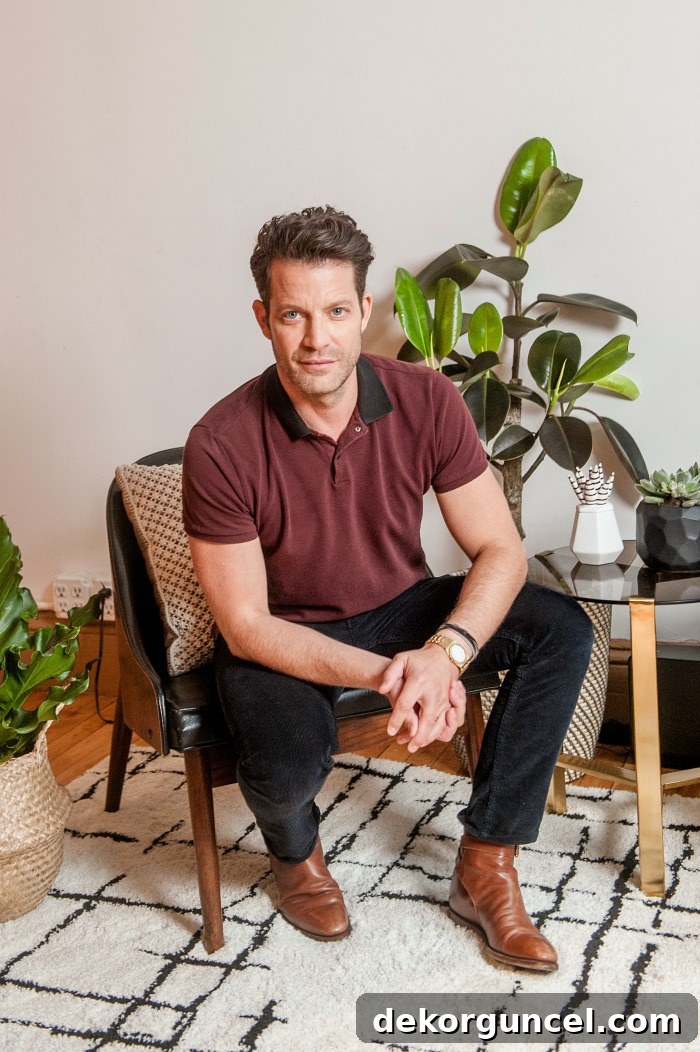
My admiration for Nate Berkus dates back to his early days on Oprah, roughly fifteen years ago. It has been incredibly inspiring to witness the remarkable trajectory of his career since then. Beyond establishing a highly successful interior design firm, Nate has captivated audiences as the host of his own syndicated TV show for two seasons, penned two insightful design books, and launched popular collections with major retailers like Target, Calico Corner, and The Shade Store. Today, he continues to share his design expertise on TLC’s “Nate & Jeremiah By Design.” His journey is a testament to consistent talent, entrepreneurial spirit, and an unwavering passion for design. He truly is a pillar in the world of interior design, constantly innovating and inspiring countless homeowners to create beautiful, livable spaces.
So, what was the focus of our chat? A topic very close to my heart, especially at this moment: kitchen design! As I’m currently immersed in the planning stages of our own kitchen remodel, the timing couldn’t have been more perfect. Nate shared a wealth of invaluable tips and fresh ideas for creating a kitchen that is both functional and aesthetically pleasing. You can dive into our full interview below. While they did edit out our initial minute or so of casual chit-chat – I suppose professional media outlets are used to more direct starts, but next time I’ll emphasize our blog’s love for warm introductions! – the core content is incredibly rich and definitely worth your time:
(Should you encounter any difficulty with the audio volume, you might find a better experience watching the video directly on YouTube {here}. On YouTube, you can adjust the volume both on your computer and within the video player itself. Simply click through, hover over the video, and slide the volume control in the bottom left corner to your desired level.)
Below, I’ve highlighted some of my favorite and most impactful takeaways from our insightful interview, alongside glimpses of Nate’s stunning past kitchen designs that exemplify his philosophy.
Crafting a Timeless, Yet Engaging Kitchen: Nate Berkus’s Top Advice
When discussing the challenge of designing a kitchen that resists fleeting trends without becoming visually dull, Nate offered a foundational principle: Nate: “My best advice to keep a kitchen sort of timeless and classic and not boring is the color palette. The truth is that you can get away with using lots of different materials, lots of different new and interesting combinations as long as you keep everything neutral.” “You don’t have to have the white kitchen with the subway tile and Carrara, you can do things that are interesting as long as it’s still in the neutral family.” This wisdom is gold for anyone embarking on a kitchen remodel. Nate emphasizes that while embracing white kitchens with classic subway tile and Carrara marble is a beautiful choice, it’s not the *only* path to timelessness. The key lies in maintaining a neutral foundation, allowing for creative experimentation with textures, unique materials, and innovative combinations. By staying within a neutral color spectrum – think greys, beiges, creams, and earthy tones – homeowners can introduce elements that feel fresh and contemporary, yet will not quickly date their space. This approach ensures longevity and allows for easier updates with accessories rather than a full overhaul. In the interview, Nate showcased his brand new kitchen in Los Angeles, completed just the day before our chat, as a perfect illustration of this concept. I was particularly struck by his genius idea to stain his butcher block countertops black. This simple, cost-effective choice instantly elevates the space, adding a dramatic yet timeless statement without breaking the bank. It’s an ingenious way to infuse character while adhering to a neutral palette that feels both classic and distinctly modern.
Embracing the Depth: Nate Berkus on Dark Kitchen Cabinets
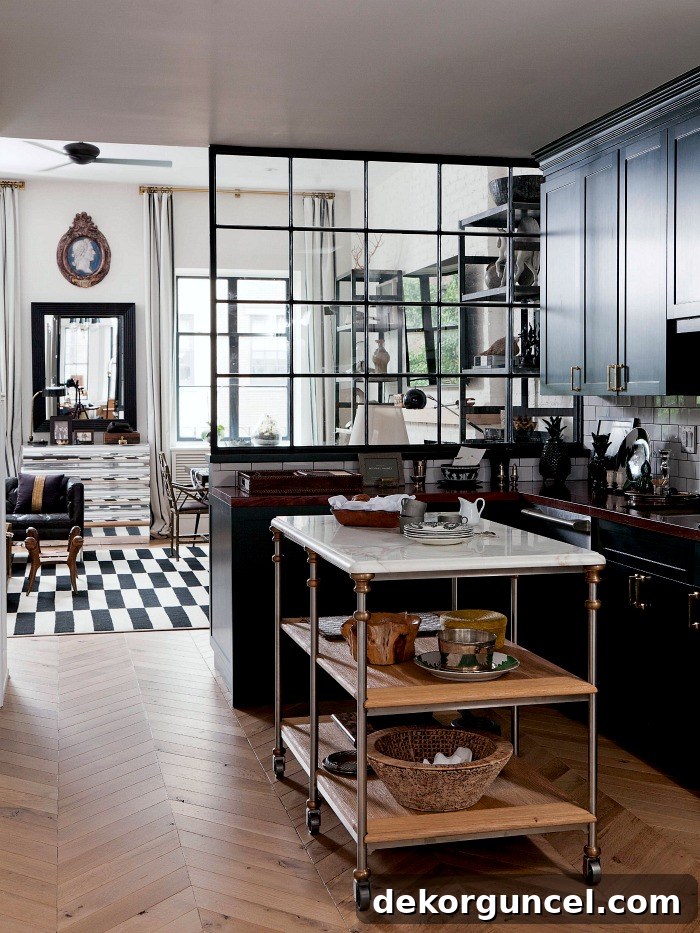
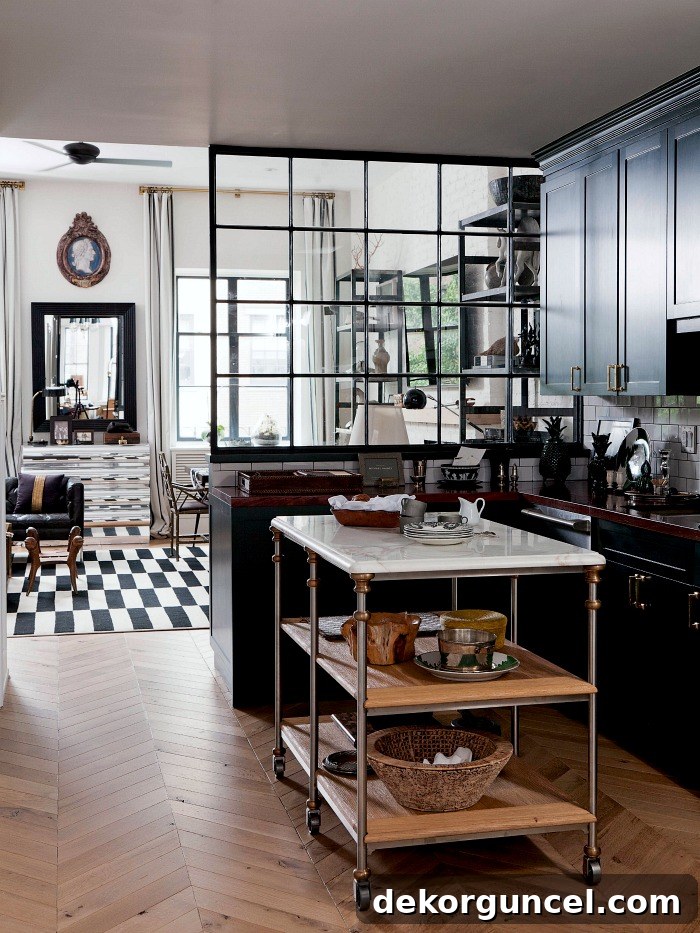
The conversation naturally steered towards the growing popularity of dark kitchen cabinets, a significant departure from the all-white trend. Nate’s perspective on this trend was deeply personal and practical: Nate: “I think color is really personal and I think with a painted cabinet it’s obviously something that you can change in ten years or in five years you might need to because painted cabinetry requires some maintenance. I like the deeper colors. I think most people would look at original cabinetry from the ’20s and think, “Why isn’t this white?” and I look at it and think, “What color can it be?”.” “I think when you err on the side of safer, warmer, kind of deeper tones and neutral tones, the kitchen will last longer.” This response highlights several crucial points. First, color choice is inherently personal, allowing homeowners freedom of expression. Second, Nate pragmatically acknowledges that painted cabinets, regardless of color, will require maintenance and potential repainting over time. This makes experimenting with darker hues less intimidating, knowing a refresh is always an option. His reference to 1920s cabinetry is particularly insightful; it encourages us to look beyond immediate trends and appreciate the rich, enduring qualities of historical design. Darker, deeper, and warmer neutral tones, he argues, contribute to a kitchen’s longevity, creating a sense of permanence and sophistication that outlasts ephemeral fads. Dark cabinets can add incredible depth, drama, and a touch of luxury, grounding the kitchen and making it feel more substantial. One of my absolute favorite kitchens designed by Nate perfectly embodies his philosophy on dark cabinetry. It masterfully achieves that “neutral but not boring” aesthetic, distinguished by the elegant gridded glass partition that artfully separates the kitchen from the adjacent living space. This architectural detail adds both visual interest and practical segmentation without sacrificing an open feel, beautifully complementing the rich, deep tones of the cabinetry.
Nate Berkus
Mastering the Blend: Tips for Mixing Kitchen Finishes Without Chaos
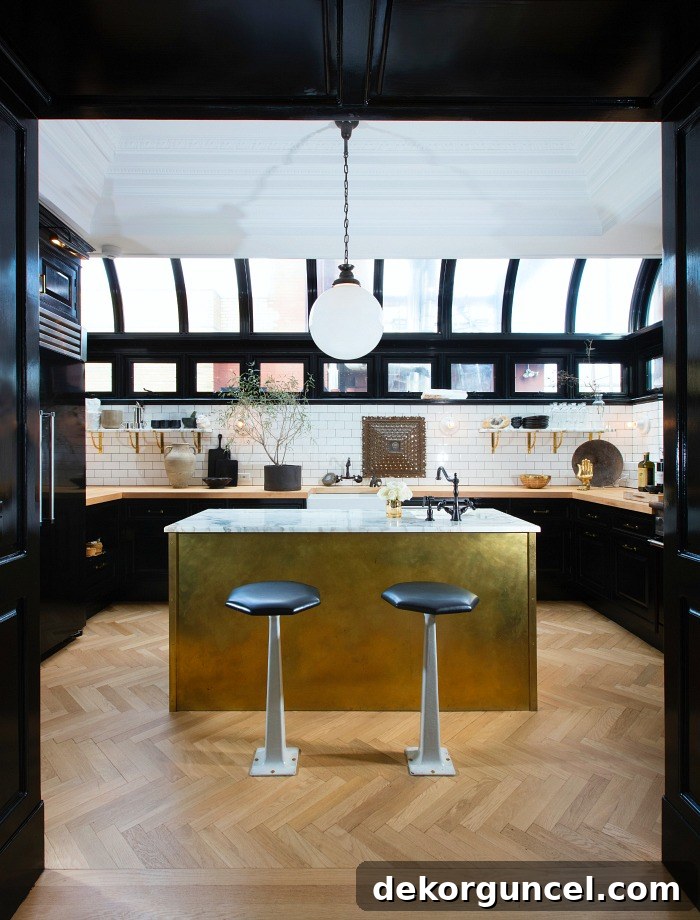
The art of mixing finishes in a kitchen can be daunting, often leading to a fear of creating a disjointed or overly busy space. I asked Nate for his advice on this common design dilemma. His answer provided clarity and confidence: Nate: “More than one metal I think can be beautiful. I think when you start to get four, five, six different finishes in the same kitchen, it looks like you just had a tough time deciding. I don’t mind mixing metals though.” This distinction is crucial. Nate encourages the strategic mixing of metals, acknowledging that this can add depth, sophistication, and a curated feel to a kitchen. However, he warns against an excessive number of *different* finishes overall, which can indeed make a space appear indecisive rather than thoughtfully designed. The key is intentionality and balance. His detailed explanation on the video is truly a must-watch, as Nate walks viewers through the various finishes present in his own kitchen. He points out his striking black stainless steel refrigerator – a gorgeous, modern statement piece – alongside his warm brass hardware and light oak cabinetry. He expertly articulates how these disparate elements, despite their individual characteristics, harmonize to create a cohesive and visually rich environment. Nate is truly a master at this technique. Another fantastic example is one of his previous kitchen designs, which brilliantly showcases the elegant interplay of silver stool bases, luxurious gold island accents and shelving brackets, and a stunning brass metal art piece adorning the backsplash. This diverse combination of metals, when applied with Nate’s discerning eye, results in a kitchen that feels layered, sophisticated, and anything but chaotic.
Nate Berkus
Patterned Tiles: Trend vs. Timelessness in Kitchen Design
Patterned floor and backsplash tiles are undeniably captivating, gracing countless design magazines and social media feeds today. Yet, the question of their long-term appeal remains pertinent for homeowners making significant investment decisions. Nate shared his candid thoughts on this trend: Nate: “Would I build a patterned tile into my own home? Maybe in a powder room or in a secondary bathroom or a laundry room. In a kitchen in the center of my home? The answer is no. I think if you want to incorporate pattern, get on Etsy, find beautiful dish towels, start collecting vintage pottery or dishes and mix that in, take your grandmother’s dishes and have those sitting out on the counter… I think that it’s pretty and I don’t dislike patterned floors or patterned backsplashes but I think that it’s just not as safe as doing something neutral.” I couldn’t agree more with Nate on this point. While I absolutely adore the vibrant and intricate patterned tiles currently dominating the design world, I share his apprehension about incorporating them into a central, high-traffic area like a kitchen. The fear of these beautiful patterns quickly falling out of style, much like many past trends, is a significant deterrent for a permanent fixture. Nate’s advice offers a brilliant compromise: enjoy patterned tiles in smaller, less frequently updated spaces like powder rooms or laundry rooms, where the visual impact is contained and the commitment is lower. For the main kitchen, his suggestions for bringing in pattern are incredibly clever and practical. Think about introducing texture and visual interest through easily changeable elements: unique dish towels, carefully curated vintage pottery, an eclectic collection of dishes, or even a framed piece of textile art. These items allow homeowners to embrace the beauty of pattern and personality without the long-term financial and aesthetic commitment of fixed tiling. It’s about creating a dynamic space that can evolve with your tastes, rather than being anchored by a single, potentially dated, design choice.
Budget-Friendly Kitchen Remodels: High-Impact Upgrades & Essential Investments
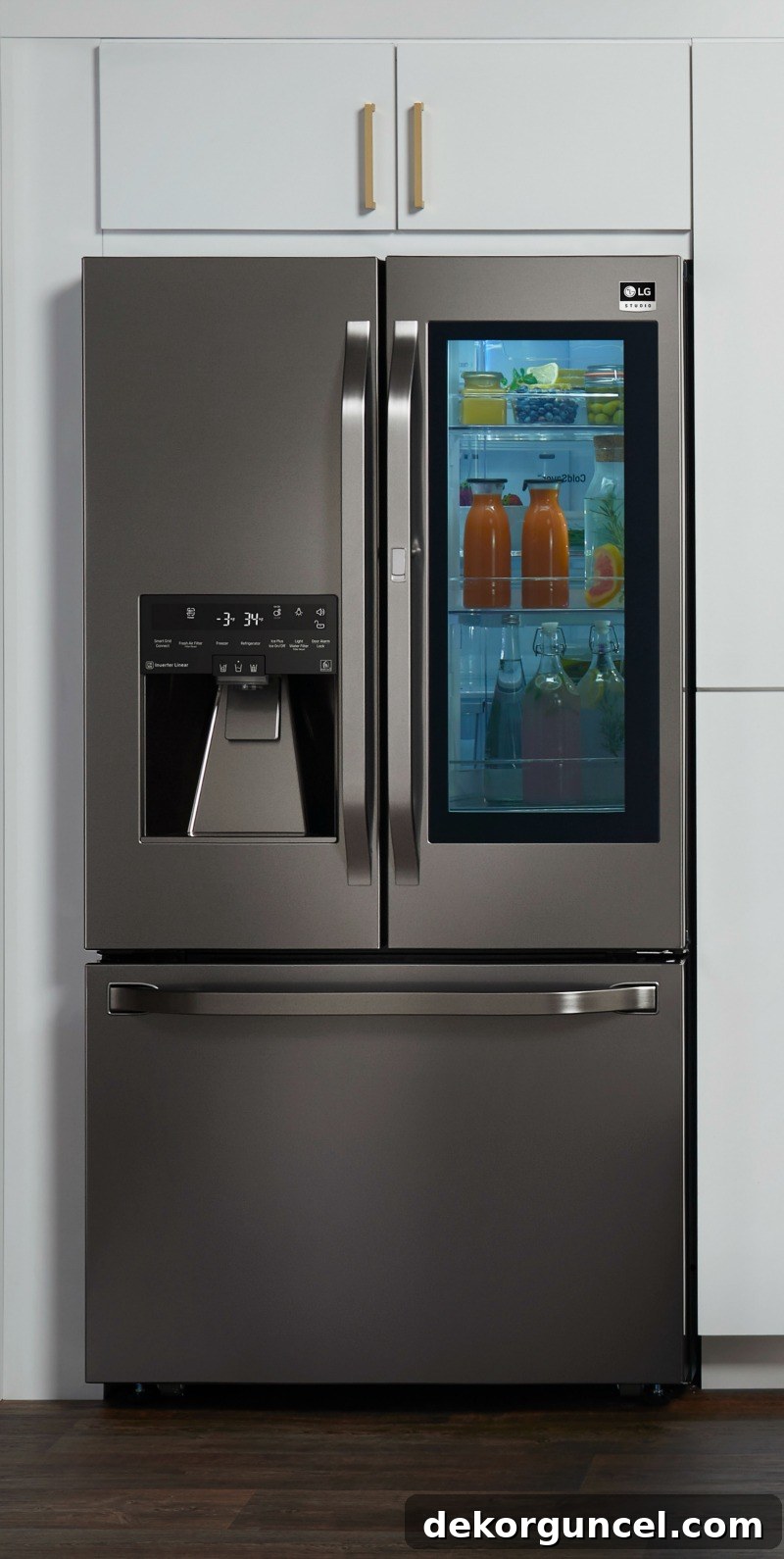
For many, a full-scale kitchen renovation isn’t always feasible, prompting the search for impactful, budget-conscious upgrades. Nate offered fantastic insights into maximizing smaller investments, while also providing a crucial perspective on where *not* to skimp when undertaking a major overhaul: Nate: “For sure upgrading the hardware, for sure painting the cabinets. If you use the right primer and you sand first, you can do that yourself in a weekend. You can upgrade the window shade or the window treatment. There’s lots of small expense, high impact things. But if you are renovating, let’s talk about what NOT to save money on because if you have the opportunity to renovate or build full scale, I would say that you need to invest in the best appliances that you can afford. It doesn’t matter how much time people like you or I can spend researching the perfect backsplash tile or the perfect brass knob, if you have a hungry family and your refrigerator doesn’t work, it’s over.” This advice perfectly balances practical, DIY-friendly tips with a stern warning about core investments. Nate’s suggestions for high-impact, low-cost upgrades are invaluable. Simply changing out outdated cabinet hardware can dramatically refresh a kitchen’s look, giving it a modern or classic update depending on your choice. Painting cabinets, a project many can tackle over a weekend with proper preparation (sanding and priming are key!), offers an incredible transformation for minimal cost. Even updating window treatments or adding a stylish pendant light can significantly alter the mood and functionality of the space. However, Nate’s emphasis on appliances as a non-negotiable investment during a full renovation is paramount. He rightly points out that while aesthetic details are important, the functional heart of a kitchen lies in its appliances. A beautiful kitchen is useless if the refrigerator isn’t keeping food cold or the oven isn’t baking properly. Investing in high-quality, reliable appliances that fit your family’s needs ensures daily convenience and long-term satisfaction. These are the workhorses of the kitchen, and their performance directly impacts the quality of your family life. You simply *have* to see the refrigerator demonstration Nate provides in the video – it’s a revelation! With just two simple knocks on the door, the interior lights up, revealing its contents without needing to open it. This innovative feature is not just a gimmick; it’s a brilliant blend of convenience and energy efficiency. As I begin to explore options for my own kitchen appliances, I’m constantly amazed by the incredible advancements and smart features now available, making kitchen planning even more exciting and efficient.
Our interview concluded with a more personal query, asking Nate how he manages to juggle his incredibly demanding career with the added joy and responsibilities of fatherhood. His answer, thoughtful and relatable, resonated deeply with me, as it’s a balance I, too, am continually striving to master. It was a wonderful and humanizing end to a truly insightful conversation, reminding us that even design icons navigate the complexities of life just like the rest of us. His perspective offered not just design wisdom but also a glimpse into his personal journey.
I genuinely hope you all enjoyed this illuminating interview with Nate Berkus as much as I did! This video is proudly hosted on my newly launched YouTube channel. With a humble beginning of… one follower – woo hoo! – I’m incredibly excited about its potential. I plan to regularly post video tours of my home, share design projects, and offer more exclusive content. Therefore, now is the perfect moment to subscribe to my YouTube channel so you don’t miss out on any upcoming videos. You can easily do so {here} – just click the prominent red “Subscribe” button on the right side of the page! Your support helps my channel grow and brings more exciting content your way.
A huge thank you to Nate for his time, wisdom, and generosity – let’s definitely do this again sometime! I’ll be back next week with another exciting post, where I’ll be sharing a collection of my all-time favorite “before” and “after” projects. Be sure to stop by and check them out!
