
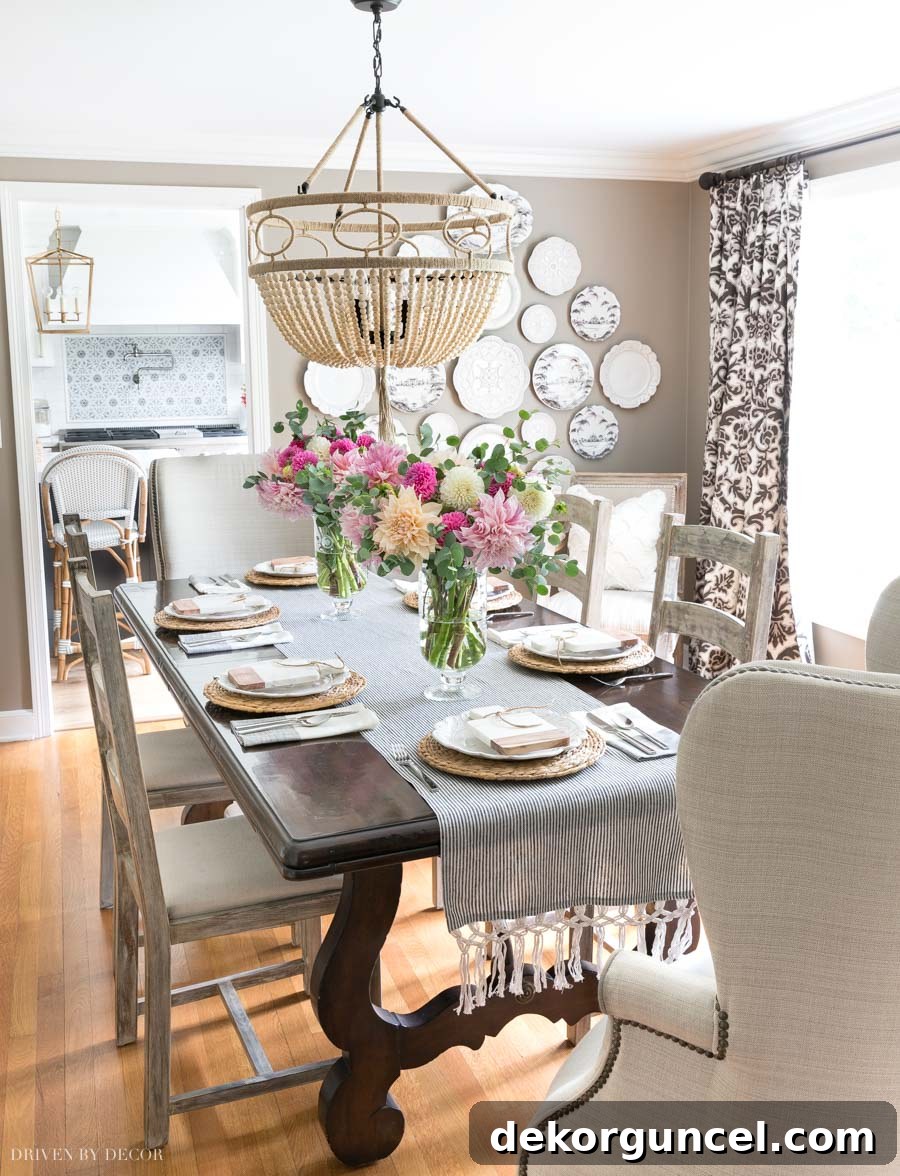
Creating a beautifully designed home is an art, but even the most artistic endeavors benefit from a solid foundation of principles and measurements. While spontaneity and personal flair are crucial for making a space uniquely your own, having a reliable set of guidelines can transform a good room into an exceptional one. We’ve previously delved into essential tips for hanging artwork and crafting a stylish living room layout. Now, our focus shifts to the heart of many homes: the dining room. From selecting the ideal chandelier to ensuring comfortable seating and the right-sized rug, mastering these key dimensions will help you design a dining space that is both visually appealing and highly functional. Say goodbye to guesswork and hello to a dining room that effortlessly combines elegance with unparalleled comfort.
Choosing the Perfect Chandelier for Your Dining Table: Size, Height, and Style
A chandelier isn’t just a light source; it’s often the undisputed focal point of your dining room, setting the entire tone for the space. Selecting the right one involves more than just aesthetics; precise measurements are absolutely critical for achieving both visual harmony and effective illumination. Getting the size and hanging height just right ensures your dining area feels balanced, well-lit, and incredibly inviting, making every meal a more pleasant experience.
How Wide Should My Dining Room Chandelier Be?
- Achieving Visual Balance: A general and highly effective rule of thumb for dining room chandelier width is to choose a fixture that measures approximately ½ to ⅔ the width of the dining table it will be hanging over. This specific proportion is crucial; it prevents the chandelier from looking either too small and lost above the table, or too overwhelmingly large and dominant, creating a sense of visual equilibrium that is pleasing to the eye.
- Ensuring Practicality and Comfort: Beyond aesthetic balance, consider the vital aspect of practicality and comfort. The chandelier’s width should also be at least 10 to 12 inches less than the overall width of your dining table. This critical clearance ensures that guests, when getting in or out of their seats, do not bump their heads on the fixture. This attention to detail promotes a comfortable, unobstructed, and ultimately more enjoyable dining experience for everyone. For exceptionally long dining tables, you might explore the option of installing two smaller, proportionately sized chandeliers, or opting for a single, elongated linear fixture that adheres to these width guidelines relative to its overall footprint.
What is the Ideal Hanging Height for a Dining Chandelier?
- Standard Ceiling Height (8 feet): For rooms featuring a standard 8-foot ceiling, the bottom of your chandelier should typically hang between 30 and 36 inches above the surface of the dining table. This precise height is carefully calculated to ensure optimal light distribution over the entire table surface without obstructing views across the table or creating an uncomfortable glare in diners’ eyes. It also allows ample clearance for decorative elements on the table, such as floral arrangements or serving dishes, to be prominently visible without interference.
- Higher Ceilings: If your dining room boasts higher ceilings, you can and should adjust the chandelier’s hanging height accordingly. For each additional foot of ceiling height above the standard 8 feet, you have the flexibility to raise the chandelier by an additional 3 to 4 inches. For instance, in a room with a 10-foot ceiling, the chandelier might ideally hang between 36 and 44 inches above the table. The overarching goal remains to maintain that comfortable sightline, prevent visual obstruction, and ensure proportional balance within the grander scale of the room. Always remember to test the height before final installation – perhaps by holding the fixture in place or using a temporary setup – to ensure it feels perfectly right for your specific space and your personal preferences.
Beyond these crucial measurements, consider the type of light bulbs you choose (opt for warm-toned bulbs for an inviting glow, and energy-efficient LEDs for longevity) and the invaluable addition of a dimmer switch. A dimmer allows you to effortlessly adjust the ambiance, transforming your dining room from a brightly lit space ideal for everyday family meals or homework, to a soft, intimate, and sophisticated setting perfect for special occasions and dinner parties. For a deeper dive into stunning lighting options that perfectly blend form and function, explore various dining room chandeliers that can truly elevate your space.
Selecting the Best Dining Chairs for Unrivaled Comfort and Style
Dining chairs are far more than just functional seating; they are pivotal components that dictate comfort, facilitate smooth movement, and significantly influence the overall aesthetic of your dining room. Getting their dimensions precisely right is paramount to ensuring an exceptionally comfortable dining experience for everyone, making meals more enjoyable, conversations more relaxed, and gatherings more memorable. Proper chair selection harmonizes seamlessly with your chosen dining table and effortlessly complements the room’s overarching design scheme.
Determining Optimal Seat Height and Depth for Ergonomic Comfort
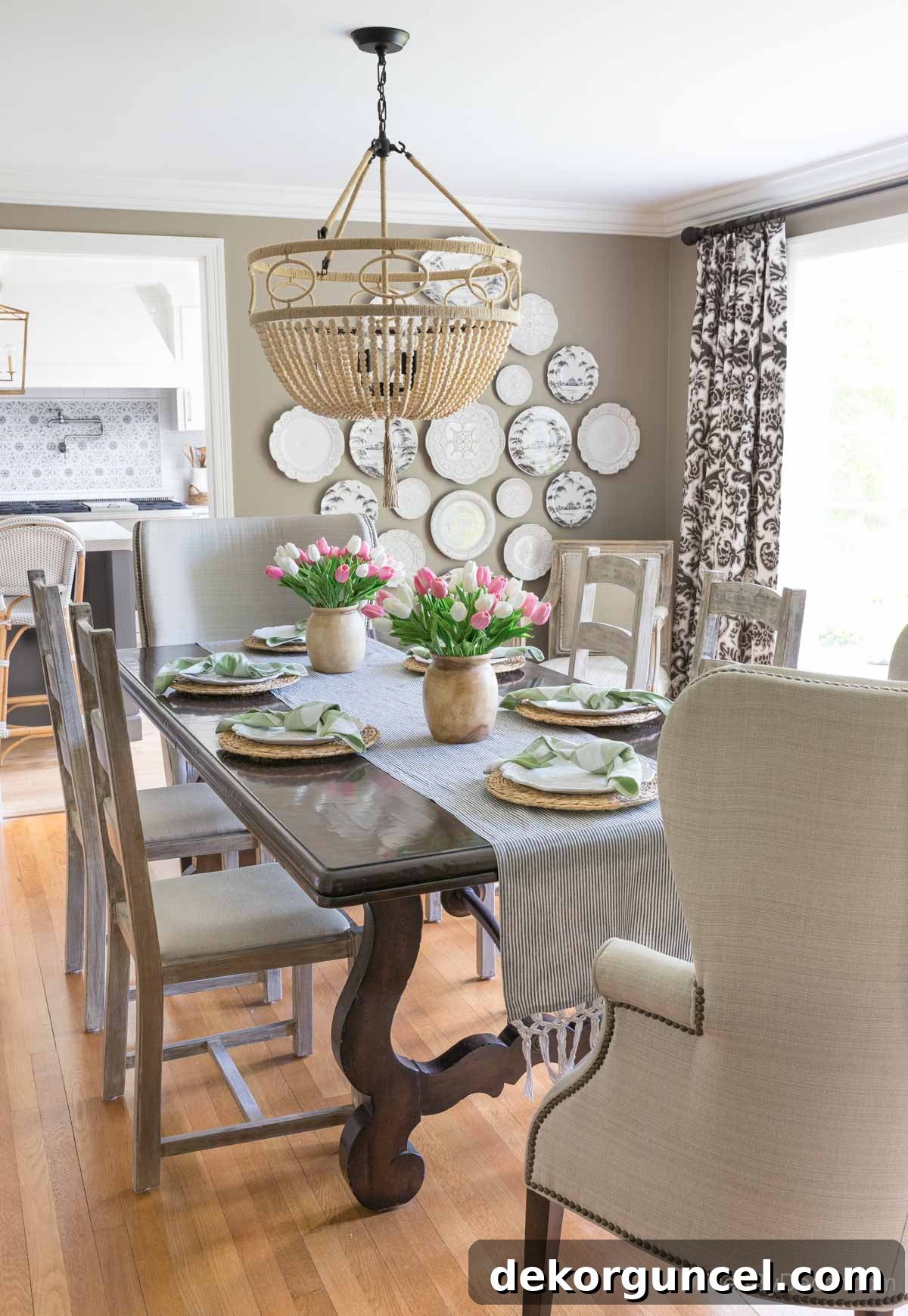
- Ideal Seat Height: To ensure comfortable legroom and encourage an appropriate dining posture, the ideal seat height is typically determined by subtracting 12 inches from the total height of your dining table. For instance, given that most standard dining tables are approximately 30 inches high, an appropriate seat height for your chairs would be 18 inches (30 – 12 = 18 inches). This consistent 12-inch gap provides ample space for diners to comfortably slide their legs under the table without feeling cramped and allows for easy, unencumbered movement of arms during the dining experience. This ergonomic consideration is key for extended periods of sitting.
- Recommended Seat Depth: A seat depth ranging from 16 to 18 inches is generally recommended for dining chairs. This specific range offers adequate support for the thighs without cutting off circulation behind the knees, thereby accommodating the vast majority of adults comfortably. Chairs that are too shallow can often feel unstable or make diners feel as though they are perching, while chairs that are excessively deep might make it challenging to sit upright against the table or lean back comfortably against the chair’s backrest.
Chair Back Height: A Deliberate Choice of Style and Ambience
- Visual Impact: The backs of dining room chairs should, as a steadfast rule, always be noticeably taller than the top surface of the dining table. This creates essential visual interest and ensures that the chairs don’t visually “disappear” behind the table, maintaining their presence in the room’s design. However, *how much* taller they are is a nuanced matter of personal preference and the desired aesthetic you wish to achieve.
- Modern vs. Traditional Aesthetics: Chairs featuring lower back heights tend to lend a more modern, contemporary, and often minimalist feel to a dining space, promoting an open, airy, and uncluttered atmosphere. Conversely, chairs with significantly taller backs often contribute to a more traditional, formal, and grand ambiance, imparting a sense of stately elegance. When making this choice, carefully consider the overall style of your home and the specific design direction of your dining room.
- Side vs. End Chairs: If you are embracing the popular trend of mixing and matching dining chairs, particularly by using distinct styles for the side and end positions, your end chairs (often referred to as host and hostess chairs) should ideally be taller than your side chairs. This deliberate difference in height creates a subtle yet impactful sense of importance for the heads of the table and adds another rich layer of visual dimension and sophistication to your dining setup.
Optimizing Seating Capacity and Dining Table Length Considerations
- Generous Space Per Person: For rectangular dining tables, it is advisable to allow a minimum of 24 to 28 inches of table length per person. This generous spacing is critical; it prevents uncomfortable elbow bumping and ensures each diner has sufficient personal space to comfortably enjoy their meal without feeling crowded. When calculating the total seating capacity, always remember to factor in additional inches at the corners, especially if you intend to seat guests there. The exact amount of extra corner space required depends directly upon the table’s width; narrower tables will inherently demand more additional space at the corners than wider ones to comfortably accommodate an individual.
- Impact of Table Legs and Chair Width: Always meticulously consider the location and design of your dining table’s legs or its base. These structural elements can significantly impact how many people can truly sit comfortably at the table. A pedestal base, for example, often offers greater flexibility in seating arrangements compared to a table with legs positioned at each corner. Furthermore, the width of your dining chairs is a crucial factor. If you have chairs that are wider than average (e.g., chairs with arms or very broad backs), the amount of table length required per person will need to be proportionally greater to maintain optimal comfort and prevent any sense of overcrowding.
Are you on the hunt for stylish yet remarkably affordable seating options that won’t compromise your budget or your aesthetic? Then you absolutely won’t want to miss my specially curated selection of 16 inexpensive dining chairs that defy their price tag and are guaranteed to elevate any dining space with unexpected elegance!
Ensuring Ample Space: Optimal Clearance Between Dining Chairs and Walls
Beyond the dimensions of the table and chairs themselves, the surrounding space in your dining room plays an absolutely crucial role in its functionality and overall comfort. Adequate clearance behind your dining chairs is not just a suggestion; it’s essential for ease of movement, unimpeded accessibility, and fostering an inviting atmosphere that never feels cramped or restrictive. Ignoring these vital guidelines can regrettably lead to frustrating tight squeezes, awkward maneuvering, and ultimately, a less enjoyable and less functional dining experience for both hosts and guests.
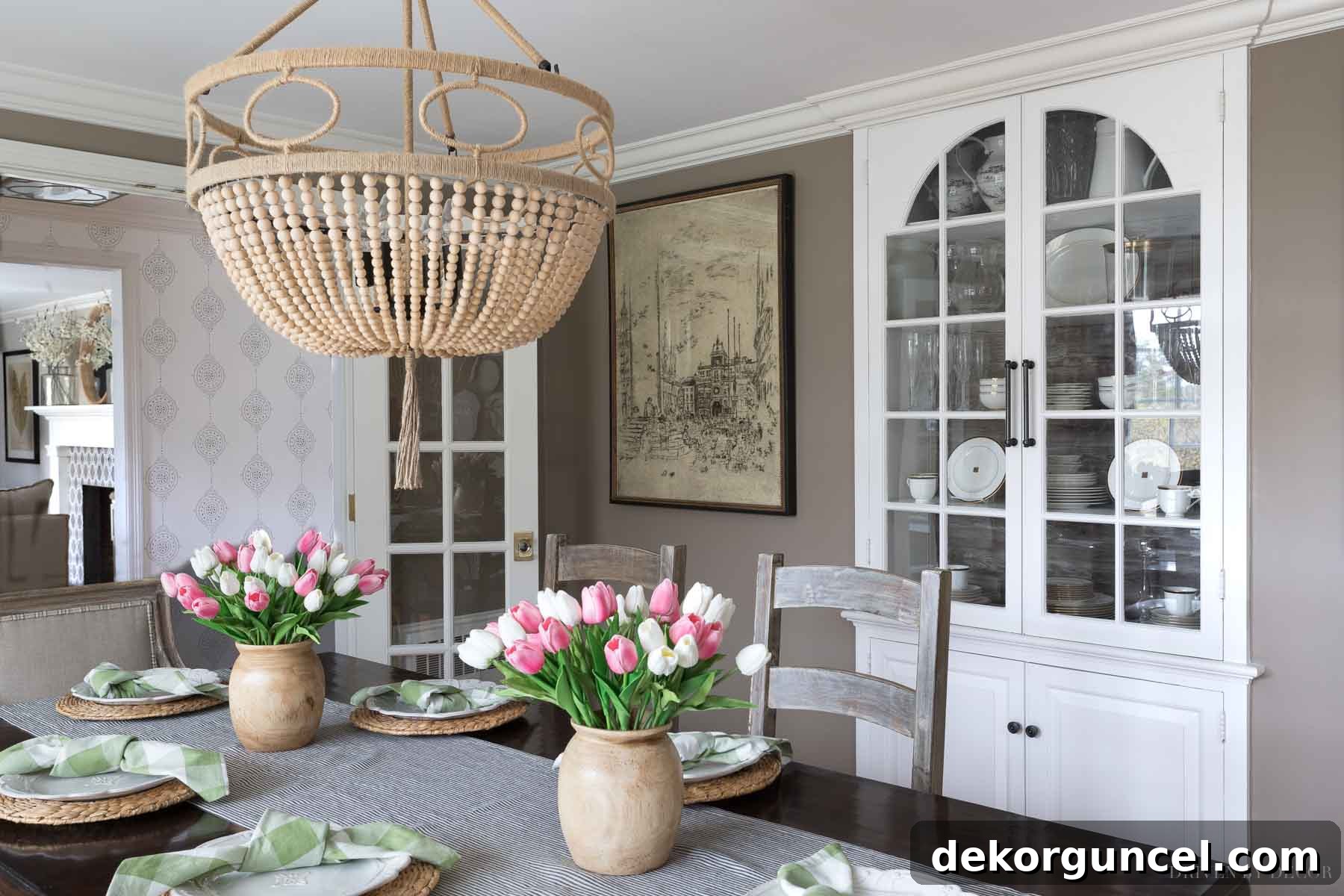
- Standard Clearance for Easy Movement: To allow diners to comfortably pull their chairs out, sit down, and push their chairs back in without bumping into a wall or any other furniture positioned behind them, you should aim for a minimum of 32 to 36 inches of unobstructed space between the very back of each dining chair and the obstruction behind it. This generous measurement provides sufficient room for someone to navigate their seat gracefully and without impediment, ensuring they never feel trapped or restricted. It also thoughtfully leaves enough space for you or your guests to comfortably walk around the table, even when all the chairs are occupied by diners.
- Increased Clearance for Traffic Pathways: If the area directly behind your dining chairs also serves a dual purpose as a high-traffic pathway – for instance, leading to another room, a bustling kitchen, or a frequently used doorway – it is absolutely imperative to increase this clearance. In such crucial cases, you should allow a more substantial minimum of 42 to 48 inches of space. This wider pathway is designed to ensure that people can comfortably and effortlessly walk behind seated diners without disturbing them, maintaining a smooth, efficient, and uninterrupted flow of movement throughout your home. In dining rooms that are inherently smaller or more compact, careful consideration of chair size and meticulous table placement can significantly help maximize this critical clearance, preventing the space from feeling claustrophobic.
The Foundation of Style: How to Choose the Right Dining Room Rug Size
A thoughtfully chosen rug placed beneath your dining table possesses the remarkable ability to anchor the entire space, instantly adding warmth, clearly defining the dining area, and introducing captivating color and texture. However, an improperly sized rug can unfortunately disrupt the harmony and balance of the entire room, making it feel disjointed. The key to success in rug selection lies in ensuring the rug is generously large enough to comfortably accommodate all elements, even when chairs are actively in use and pulled out.
- Extending Beyond the Chairs: A fundamental and non-negotiable rule for dining room rugs is that they must extend far enough beyond the dining table to ensure that the back legs of all chairs remain entirely on the rug, even when those chairs are fully pulled out for seating. To effectively achieve this crucial stability and aesthetic, your rug should be 24 to 30 inches wider and longer than your dining table on all sides. This precise extension ensures that chairs do not snag on the rug’s edge as they are moved, creating a seamless, stable, and highly functional experience for diners and protecting your flooring underneath.
- Choosing the Right Shape and Material: While rectangular rugs are a classic and standard choice for rectangular tables, consider the visual appeal of a round or square rug for matching table shapes to create beautiful visual symmetry and cohesion. When meticulously selecting a rug material, always prioritize durability and ease of cleaning. Dining areas are inherently prone to spills and crumbs, so low-pile, stain-resistant options such as durable wool blends, high-performance synthetic fibers, or even stylish outdoor rugs (many of which are wonderfully designed for indoor use) can be exceptionally practical and excellent choices. A high-quality rug pad is also highly recommended; it not only prevents slipping, adding a vital layer of safety, but also provides extra cushioning underfoot and significantly protects your valuable flooring underneath from wear and tear.
Beyond the Table: Completing Your Dining Room Design with Flair
While precise measurements for chandeliers, chairs, and rugs form the essential, foundational framework of a well-designed dining room, a truly inviting and memorable space incorporates other elements harmoniously. Thoughtful wall decor, for example, plays a highly significant role in defining the room’s character, injecting personality, and creating a unique ambiance that reflects your personal style.
If you’re ever pondering the perfect placement for artwork to complete your dining space, you’ll find comprehensive and invaluable guidance on how high to hang pictures to achieve optimal visual impact, impeccable balance, and seamless integration within your dining space and any other room in your home.

And for decorating tips and helpful measurements that extend thoughtfully beyond just the dining area, our comprehensive guide offers invaluable insights for decorating your living room, ensuring that every single space in your home is meticulously designed for both beauty and unparalleled functionality.
By diligently applying these tried-and-true decorating guidelines and understanding the nuances of proper dimensions, you are now exceptionally well on your way to creating a dining room that is not only stunning in its aesthetics but also exceptionally comfortable, highly functional, and supremely inviting. These precise measurements are powerful tools in your design toolkit, helping you achieve a cohesive, balanced, and truly engaging atmosphere where memorable meals, lively conversations, and cherished gatherings can flourish effortlessly. Remember, while these foundational rules provide an excellent starting point and reliable structure, your unique personal style will ultimately make the space uniquely yours. Don’t hesitate to subtly adjust and infuse your personality once the foundational elements are expertly in place.
For even more inspiration on enhancing and beautifying your dining area, be sure to delve into a wealth of creative dining room wall decor ideas that can truly transform your space from ordinary to extraordinary.
Warmly,
