
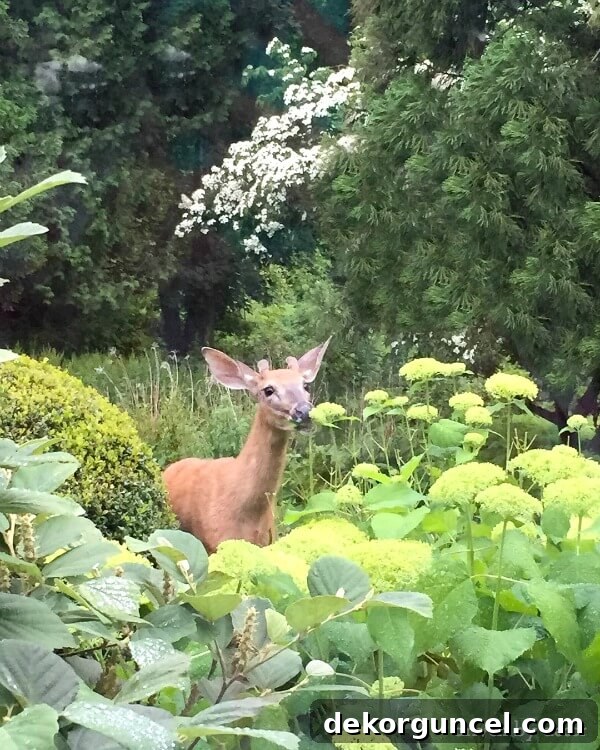
Discover the ultimate guide to keeping deer away from your cherished plants and vibrant flowers. We’ll share a highly effective deer repellent spray and explore five additional, proven strategies to safeguard your garden.
There’s nothing quite as disheartening for a gardener as waking up to find your beautiful hydrangeas, hostas, or other beloved plants ravaged by hungry deer. If you’ve ever experienced the frustration of seeing your hard work and botanical dreams decimated overnight, you’re certainly not alone. Many gardeners share this ongoing battle with deer, creatures that can be both graceful and incredibly destructive to our outdoor havens. Last year, I faced this very challenge head-on when a group of deer, captured red-handed by my daughter through our front window, completely obliterated some of my prized hydrangea bushes. The sight was truly disheartening, transforming what should have been a season of lush blooms into a scene of chewed-down stems and tattered leaves. That experience fueled my determination to find a solution that genuinely works to protect my garden investment.
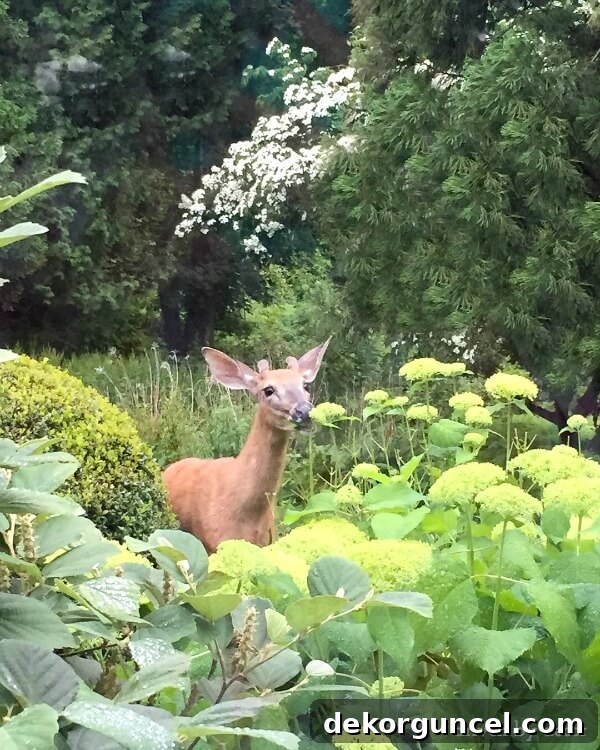
In previous years, our front yard boasted an impressive display of hydrangeas, creating a vibrant, inviting curb appeal. It was a vision of botanical abundance that I treasured:

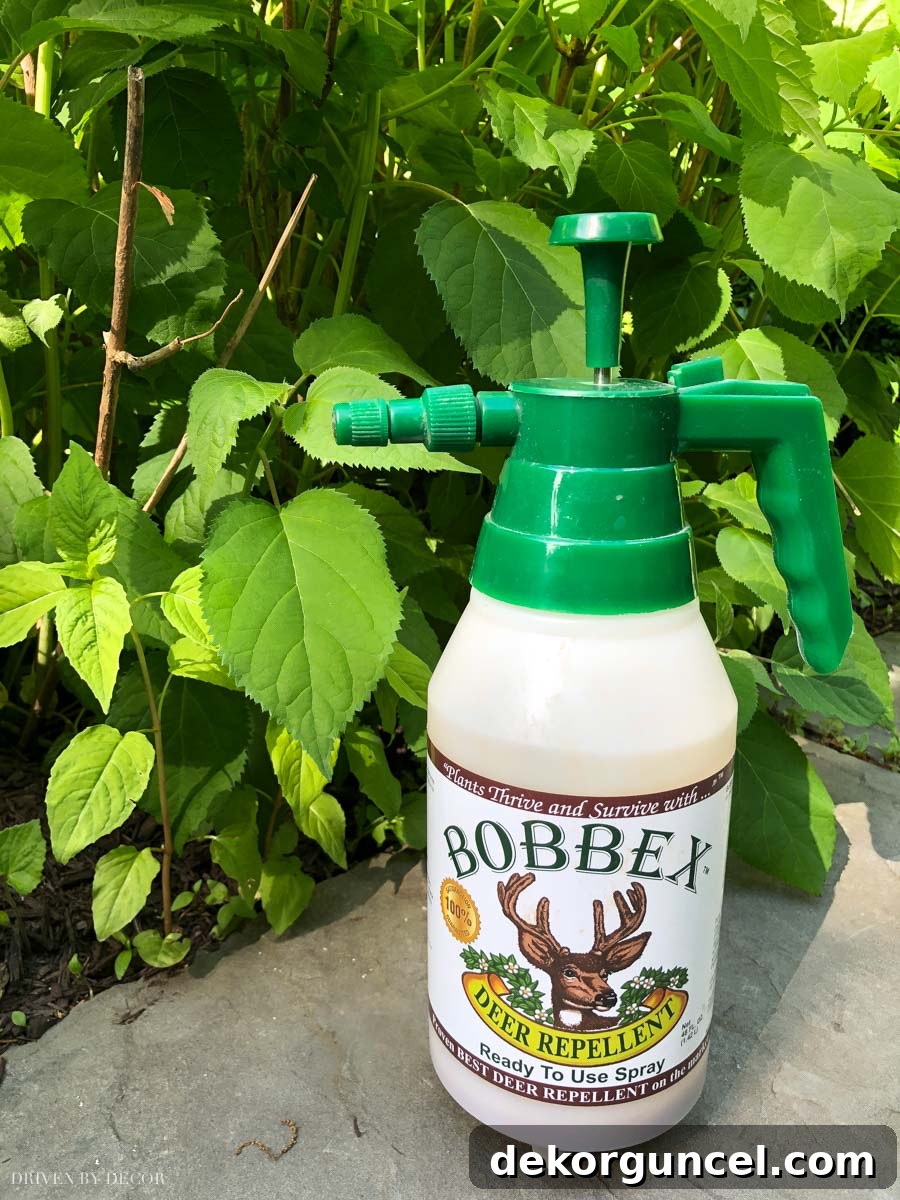
However, after a particular buck and his hungry companions paid us a visit, only the bushes closest to our house, the ones they presumably felt less comfortable approaching, managed to retain their blooms. The rest were a sad shadow of their former glory. This significant loss spurred me into action. When I noticed the first tell-tale signs of deer nibbling earlier this year, I immediately reached out for advice on Instagram, consulted with experts at local garden centers, and delved into online research. My goal was clear: identify the most effective method to deter deer from my precious plants. Overwhelmingly, one product emerged as the top recommendation: Bobbex Deer Repellent. You can purchase this highly-rated solution {here}.
[affiliate links included in post – full disclosure statement available {here})]
Why Bobbex Deer Repellent Stands Out: An Effective Solution for Your Garden
When selecting a deer repellent, I carefully weighed several options, including popular choices like Liquid Fence, Plantskydd, Deer Off, Coyote Urine, and Repellex. What ultimately led me to choose Bobbex was a compelling report from the State of Connecticut Department of Forestry and Horticulture. Their findings indicated that Bobbex demonstrated an impressive 93% effectiveness, making it the top performer among the repellents tested. This scientific endorsement provided the confidence I needed to invest in this particular product.
Understanding Bobbex: Application and Features
Bobbex is designed to deter deer through both taste and smell, creating an unpleasant experience that encourages them to seek their meals elsewhere. It’s formulated with natural ingredients, including a high concentration of putrescent egg solids, which generate a scent offensive to deer but less noticeable to humans once dry. The product is also enriched with additional active ingredients like garlic and capsaicin, which contribute to its effectiveness.
Bobbex is conveniently available in several forms to suit different gardening needs. You can find it in a concentrated formula that you mix with water, or in a ready-to-use option such as {this simple spray bottle {HERE} or {this ready-to-use Bobbex pump sprayer {HERE}. The pump sprayer is particularly user-friendly; it’s pre-mixed, so you can simply take it out of the box and start spraying. While the sprayer itself is excellent and easy to operate, I must issue a strong warning: Bobbex has a notoriously foul odor, especially during application. It’s truly one of the most pungent substances you’ll ever encounter! I highly recommend wearing gloves during application and planning to take a shower afterward to remove any lingering scent from yourself.
One of the great advantages of Bobbex is its composition of all-natural ingredients, making it safe for use on nearly all plants, including many edible vegetables. However, there are a few exceptions to note, such as edible leaves, herbs, and berries, where direct application is not recommended. Always check the product label for specific guidelines. The manufacturer states that Bobbex can provide protection for up to two months, resisting wash-off from rain and regular watering. Nevertheless, if you’re dealing with a persistent or severe deer problem, or after particularly heavy rainfall, you might find it beneficial to reapply the spray more frequently to maintain its efficacy.
My Personal Experience and Success with Bobbex
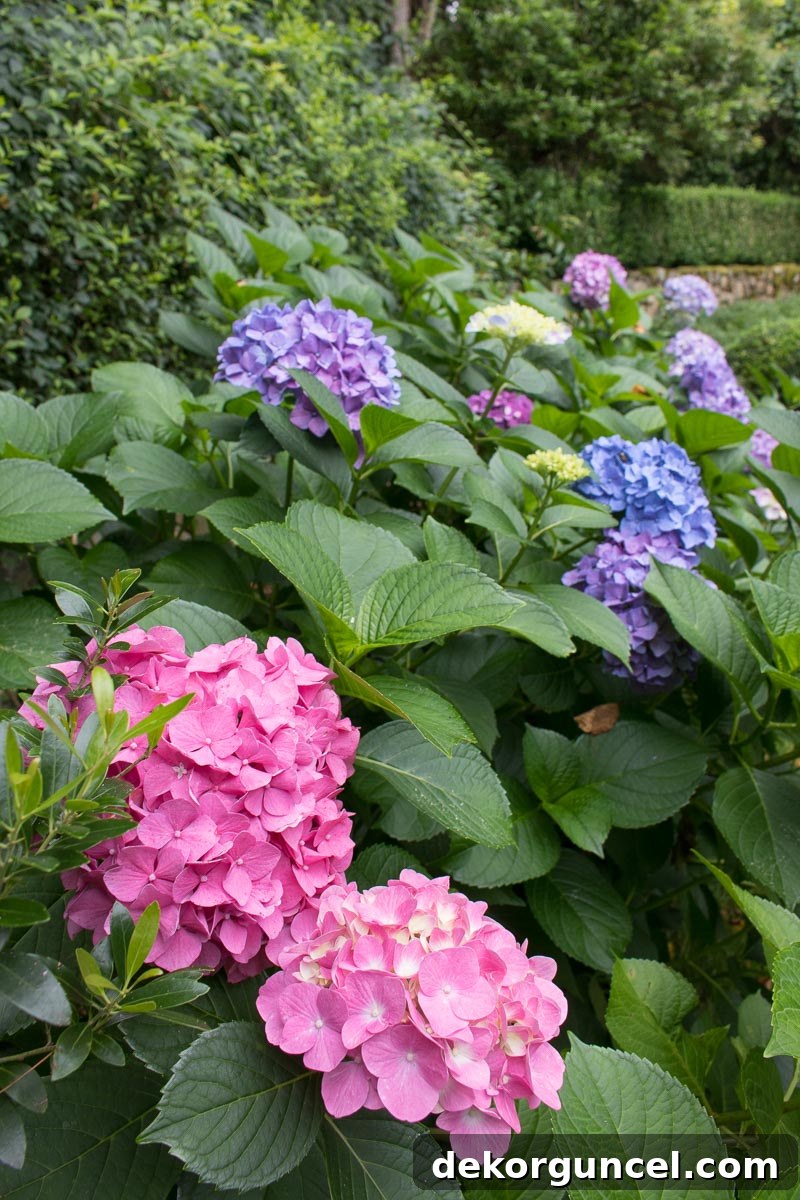
My initial application of Bobbex was met with a moment of doubt. The day after I thoroughly sprayed my hydrangea bushes, I actually observed a deer casually nibbling on them again. My heart sank, and I briefly questioned if the repellent was truly working. However, that momentary lapse was the last of it. Whatever the deer tasted must have been profoundly disagreeable, because they never returned to those bushes for the entire season. The transformation was remarkable! My hydrangeas, once threatened, bloomed with an intensity I hadn’t seen in years. The bushes were absolutely laden with blossoms, offering a spectacular display. I was able to cut countless bouquets, filling almost every room in my house with their beauty, and still had hundreds of blooms remaining on the plants. Our front yard flourished with an abundance of white hydrangeas, while the back garden showcased stunning purple and pink varieties, including these magnificent specimens:

Update on My Bobbex Strategy: After several summers of consistent use, Bobbex continues to be my go-to solution, delivering excellent results. A key learning from my experience is the importance of early application. Deer are particularly fond of tender, young buds before the flowers fully open. To protect these vulnerable stages, I now make it a point to spray for the first time quite early in the growing season, typically followed by reapplications every 6-8 weeks. This proactive approach ensures continuous protection against deer damage.
Beyond Sprays: Comprehensive Strategies for Keeping Deer Away From Your Plants & Flowers
While an effective repellent spray like Bobbex can be a game-changer, integrating a multi-faceted approach often yields the best long-term results in deterring deer. Here are a few more tips and tricks that have proven successful for other gardeners, offering additional layers of protection for your garden.
- Scent-Based Deterrents (DIY Options): Deer possess a highly developed sense of smell, and certain strong odors they find unpleasant can act as effective deterrents. Many gardeners have found success using bars of strongly scented soap, such as Zest, Irish Spring, or Ivory, or even moth balls. You can either cut these soap bars into smaller pieces and scatter them around the base of your plants or throughout your garden beds, or place whole bars or moth balls inside mesh bags or old stockings and hang them strategically near the plants you wish to protect. The lingering scent helps to confuse and deter deer from approaching. Remember to refresh these items periodically to maintain their potency.
- Human Hair: Another interesting and surprisingly effective scent-based deterrent for some gardeners is human hair. The scent of human presence, even residual, can make deer feel uneasy and encourage them to avoid the area. You can often obtain bags of human hair from local hairdressers. Simply sprinkle the hair around the bushes and plants you are trying to safeguard. This method is inexpensive and eco-friendly.
- Physical Deterrents (Beyond Fencing): While tall deer fencing is the most obvious physical barrier, not everyone desires or can install extensive fencing. Fortunately, there are simpler, less obtrusive physical deterrents that can be quite effective. One clever suggestion, which I received on my Instagram post, involves stringing fishing line around your bushes at about chest height to a deer. Deer have poor depth perception and often don’t see the clear line until they bump into it. The unexpected resistance and sudden sensation can startle them and make them wary of entering the area. Another ingenious trick is to lay chicken wire flat on the ground in front of the bushes or plants you’re trying to protect. Deer dislike the sensation of stepping on the uneven and poky surface of the chicken wire, prompting them to move on. These methods create a subtle yet effective barrier without altering your garden’s aesthetic significantly.
- Motion-Activated Water Sprinklers: For a more dynamic approach, consider installing motion-activated water sprinklers, such as one of {these} options. These clever devices are equipped with motion sensors that detect movement, triggering a powerful jet of water to spray in the direction of the detected activity. The sudden burst of water and accompanying noise is highly effective at startling deer and sending them fleeing. When positioned correctly, these sprinklers can cover a significant area and provide an excellent, humane deterrent, particularly useful for protecting larger garden zones or specific vulnerable plants.
- Deer-Resistant Plant Choices: A proactive long-term strategy involves integrating deer-resistant plants into your garden design. While no plant is entirely “deer-proof” if deer are hungry enough, certain species are far less appealing to them. Examples include lavender, peonies, daffodils, bleeding hearts, certain ornamental grasses, and many aromatic herbs like rosemary and thyme. By strategically planting these less palatable options, especially around the perimeter of your garden or as companions to more vulnerable plants, you can significantly reduce the likelihood of deer damage. This approach not only helps protect your garden but also contributes to a more sustainable and low-maintenance landscaping plan.
- Strategic Garden Layout and Design: Consider the layout of your garden as a part of your deer deterrence strategy. Placing highly attractive plants, like hydrangeas or hostas, closer to your house where human activity is more frequent can offer a degree of protection. Creating dense plantings or natural barriers with deer-resistant shrubs and trees on the edges of your property can also discourage deer from entering more cultivated areas. The goal is to make access to their favorite snacks as inconvenient and unappealing as possible.
And one last very important tip: you might need to rotate different products or types of deer repellents for the best results! Deer are intelligent and adaptable creatures. In some cases, they can become accustomed to a specific spray, scent, or other deterrent over time, rendering it less effective. By regularly rotating between different deterrents – perhaps using a spray one month, then a scent-based method the next, or alternating between different repellent brands – you can keep deer guessing and prevent them from habituating. This rotation strategy is often your best long-term solution for maintaining a truly deer-free garden.
I’m always eager to learn from fellow gardeners! Have you tried any of these deer deterrents with success, or perhaps discovered other ingenious ways to keep deer away that aren’t on my list? Your suggestions and experiences are invaluable, and I’d absolutely love to hear about them in the comments below. Furthermore, if you’re looking for more in-depth gardening wisdom, particularly regarding the care of hydrangeas, including expert advice on pruning techniques, how to change their color, and fertilizing strategies, be sure and check out {this post} on hydrangea care. It answers those questions and many more, helping you cultivate the most stunning blooms.
XOXO,
