
Choosing the Best Hardwood Floor Polyurethane: Oil-Based vs. Water-Based Finishes
As experienced homeowners with a knack for transforming fixer-uppers, we’ve navigated the intricate journey of hardwood floor refinishing across several properties. Through these projects, we’ve gained invaluable insights, particularly concerning the critical decision between oil-based and water-based polyurethane finishes. This choice significantly impacts not just the look and feel of your floors, but also the overall refinishing process, your home environment, and the long-term durability of your investment. Today, we’re sharing our comprehensive understanding to help you confidently select the ideal polyurethane for your beautiful hardwood floors. Let’s dive into the major deciding factors.
Drying Time: A Major Factor for Hardwood Floor Refinishing
One of the most significant distinctions between oil-based and water-based polyurethane lies in their drying times. This factor has a profound impact on the duration of your refinishing project and the disruption to your household.
Water-based polyurethane dries remarkably faster than its oil-based counterpart. Typically, with water-based finishes, you can apply subsequent coats in as little as 2-3 hours. This rapid drying time is due to water being the primary solvent, which evaporates much more quickly than the petroleum distillates found in oil-based formulas. In contrast, oil-based polyurethane usually requires a minimum of 12-24 hours between coats, often extending to the next day. Considering that most hardwood floor refinishing projects demand multiple coats for optimal protection and durability, the total time required to complete the job is substantially longer with oil-based finishes.
Beyond the inter-coat drying, the waiting period before you can resume normal use of your floors also differs dramatically. With water-based polyurethane, light foot traffic (wearing socks) is often permissible within 24 hours of the final coat. When we refinished our wood stairs with a water-based product, we were able to walk on them in socks and sleep in our own beds by the end of the day. This swift turnaround minimizes the inconvenience of living in a construction zone. For furniture, typical recommendations for water-based polyurethane suggest waiting two days before carefully placing items back. Rugs, which can trap moisture and impede full curing, usually require a waiting period of at least one week.
The timeline for oil-based polyurethane is far more extended and demanding. After the final coat, it’s generally advised to avoid any foot traffic for at least 24 hours, and often longer, especially in humid conditions. This extended period can necessitate staying away from your home for several nights, which was a primary reason we opted against oil-based for our stairs. For placing furniture back, a waiting period of 3-4 days is common, and for rugs, you should ideally wait anywhere from 2-4 weeks to allow for complete curing and off-gassing. These prolonged waiting periods are crucial for the finish to harden properly and prevent marking or adhesion issues, but they come with significant logistical challenges for homeowners.
Odor and VOCs: Health and Environmental Considerations
The impact on indoor air quality and the environment is another critical factor when choosing your hardwood floor finish. This is where the difference between oil-based and water-based polyurethane becomes strikingly clear.
Oil-based polyurethane contains a significantly higher concentration of Volatile Organic Compounds (VOCs). VOCs are chemical compounds that evaporate into the air, contributing to a strong, lingering odor and potential health risks. Exposure to high levels of VOCs can cause symptoms like headaches, dizziness, nausea, and respiratory irritation. For individuals with asthma, allergies, or other sensitivities, the fumes from oil-based finishes can be particularly problematic. Furthermore, high VOC emissions contribute to air pollution and smog formation, making them less environmentally friendly.
Due to these concerns, it is strongly recommended to vacate your home for at least 72 hours, and sometimes even longer, after applying an oil-based polyurethane finish. Proper ventilation, even after the initial drying, is crucial for several weeks as the finish continues to off-gas. This extended period away from home can be a major inconvenience and an added expense if temporary accommodation is required.
In contrast, water-based polyurethane is formulated with a much lower VOC content, earning it the designation of a low-VOC product. Consequently, it produces little to no smell during application and curing. This makes it a far more appealing choice for those who are sensitive to strong odors, have children or pets, or wish to minimize their environmental footprint. The reduced odor also means less disruption to your daily life, as you won’t need to evacuate your home for an extended period. The importance of low VOCs is further underscored by various state and regional regulations across the United States, with some areas restricting or even banning the sale and use of high-VOC oil-based finishes due to health and environmental mandates. This is especially relevant if you’re undertaking a hardwood floor refinishing project during colder months when adequate ventilation by opening windows is less feasible.
Color and Aesthetics: Preserving or Enhancing Wood’s Natural Beauty
The aesthetic outcome of your refinished hardwood floors is heavily influenced by the type of polyurethane you choose, particularly in terms of color. This is a crucial consideration for homeowners with specific design visions.
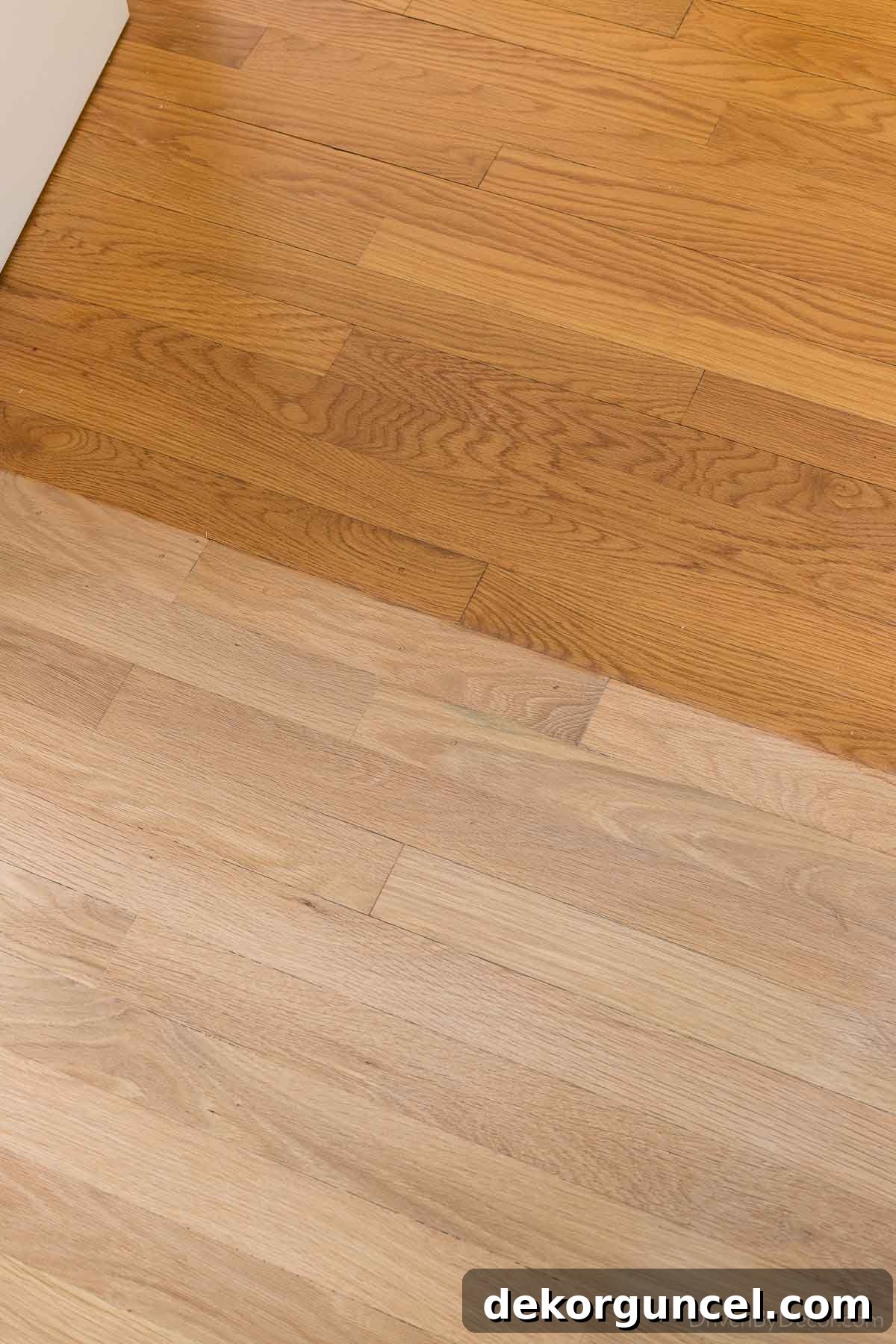
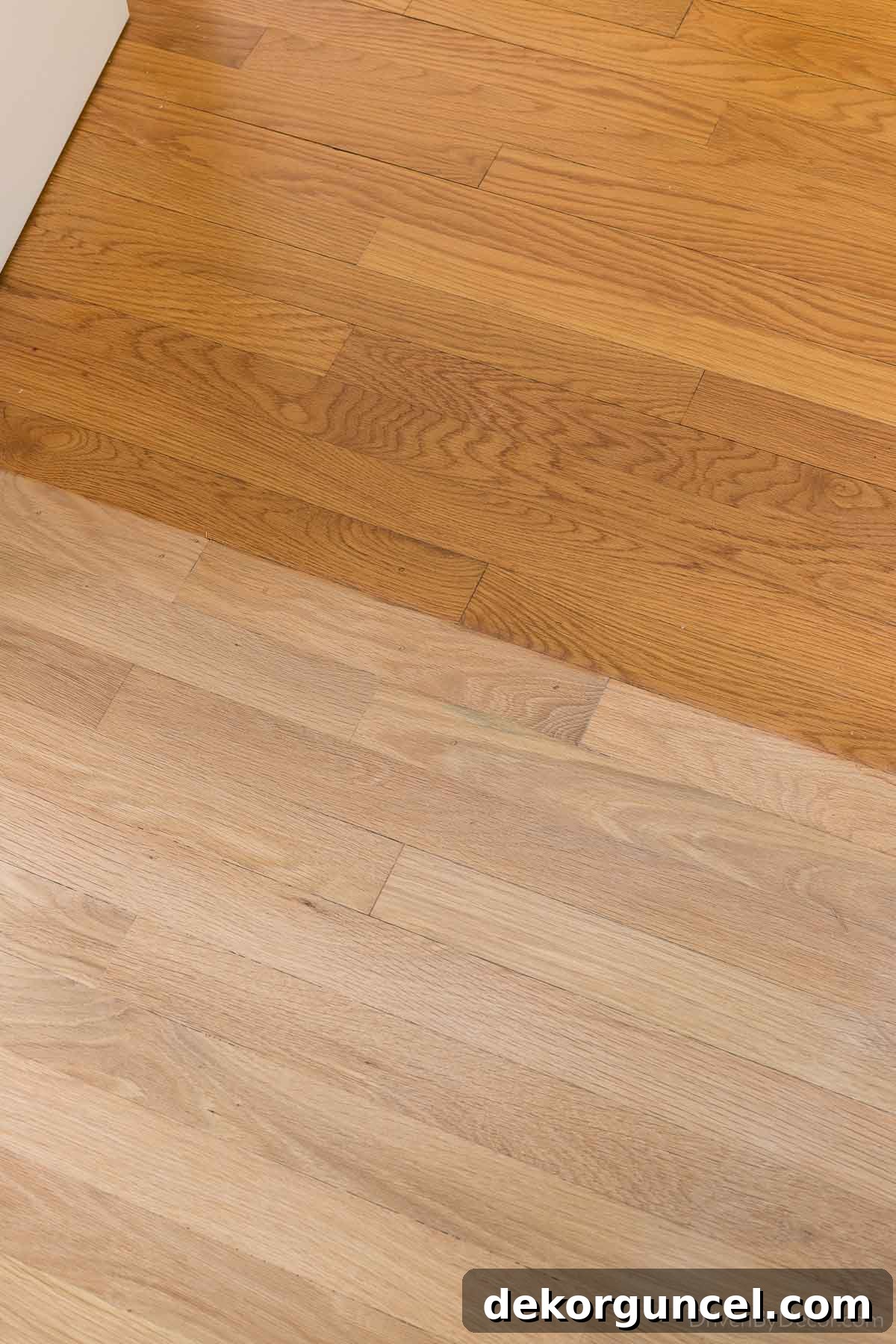
Floors finished with oil-based polyurethane are known for their tendency to “amber” or develop an orangey-yellow tint over time. This process is a result of the oil in the finish oxidizing and aging. Some homeowners deeply appreciate this rich, warm ambering effect, believing it adds a classic, timeless depth and character to their hardwood floors, especially for traditional styles or certain wood species like red oak. They might feel that this type of polyurethane enhances the natural beauty of the wood by giving it a more established, burnished look.
However, for others, this color shift is undesirable. Floors finished with water-based polyurethane, on the other hand, are designed to maintain the natural color of the wood, with little to no significant color change over time. Water-based finishes dry clear and stay clear, offering a more contemporary, cleaner aesthetic that allows the true tone of the wood to shine through. This is particularly preferred for lighter wood species such as maple, white oak, or ash, where preserving their natural light hue is paramount to the overall design scheme. If your home has a modern, minimalist, or Scandinavian-inspired decor, a water-based finish will likely align better with your aesthetic goals.
To illustrate this difference, consider the “before” and “after” scenario from our own experience. When we purchased our home, the existing hardwoods had a distinct orangey hue, a clear indication of a decades-old oil-based polyurethane finish. This color clashed with our desired aesthetic. In stark contrast, our newly refinished hardwoods, sealed with a high-quality water-based finish, showcase the wood’s natural, lighter tones beautifully, providing a fresh and updated look that better complements our home’s interior design. This visual comparison often helps homeowners decide whether they prefer the warm, aged look or a crisp, natural appearance for their hardwood floor refinishing project.
Cost Considerations for Hardwood Floor Finishes
When planning your hardwood floor refinishing budget, the cost of polyurethane is certainly a factor, though it’s important to look beyond just the per-gallon price.
Generally speaking, water-based polyurethane tends to be a more expensive product per gallon compared to traditional oil-based polyurethane. This higher material cost can sometimes be a deterrent for homeowners or contractors, especially for large projects. However, the total cost of a refinishing job isn’t solely determined by the material price; labor and project duration also play a significant role.
Many professional floor refinishing companies might not charge a proportionally higher amount for using water-based polyurethane, or the added cost might be less than you’d expect. This is primarily because of the significantly faster drying time associated with water-based finishes. A professional crew can apply multiple coats in a single day, completing the project much quicker than with oil-based products. This efficiency allows them to move on to the next job sooner, which can offset some of the higher material cost. For the homeowner, this means less disruption and a faster return to normal living conditions, which itself can be considered a valuable saving in terms of convenience or even hotel costs if you’d otherwise need to vacate your home for an extended period.
When seeking bids for our own hardwood refinishing projects, we observed that the incremental cost for opting for water-based polyurethane varied considerably from company to company. Some contractors quoted a nominal increase, while others had a more substantial difference. It’s always advisable to get detailed quotes from multiple reputable refinishers and specifically ask for pricing differences between oil-based and water-based options, ensuring you understand what each quote includes in terms of number of coats, prep work, and cleanup. Don’t hesitate to inquire if they have experience with specific high-quality water-based products, as the performance and durability can also vary within the water-based category.
Durability and Longevity: A Closer Look at Floor Protection
The question of durability is frequently debated when comparing oil-based and water-based polyurethane finishes. While traditional wisdom often favored oil-based for its perceived hardness, advancements in water-based technology have significantly blurred these lines.
Historically, oil-based polyurethane was considered the benchmark for durability, known for creating a hard, thick, and somewhat flexible protective layer that could withstand heavy wear. Many seasoned refinishers still hold this view, asserting that oil-based finishes offer superior scratch and abrasion resistance, making them ideal for high-traffic areas or homes with pets. Its robust nature is often attributed to its higher solids content and slower cure time, allowing for a tougher film formation.
However, the landscape of hardwood floor finishes has evolved dramatically. Modern, high-quality water-based polyurethanes have caught up, and in many cases, surpassed their oil-based counterparts in terms of performance. Manufacturers have developed advanced formulations, often incorporating ceramic or aluminum oxide particles, which significantly enhance scratch resistance and overall durability. Many experts now argue that if you opt for a premium water-based product, the durability is comparable, if not superior, to oil-based options.
It’s important to understand the nuances of “durability.” While oil-based finishes can be harder, they can also be less flexible, making them potentially more prone to cracking or chipping over time, especially with seasonal wood movement. Water-based finishes, on the other hand, tend to be more flexible, allowing them to expand and contract with the wood without compromising the film. Additionally, water-based polyurethanes are typically more resistant to yellowing from UV light and chemicals, which contributes to their long-term aesthetic durability.
Ultimately, the actual longevity and performance of any finish—whether oil-based or water-based—depend heavily on several factors: the quality of the product itself, proper floor preparation (sanding, cleaning), the number of coats applied, and meticulous application techniques. A poorly applied “durable” finish will perform worse than a well-applied standard finish. Therefore, while opinions on durability may vary, focusing on high-quality products and professional application is paramount for achieving long-lasting, beautiful results.
Application and Long-Term Maintenance
Beyond initial drying times and durability, the ease of application and future maintenance are also important considerations for your hardwood floor finish.
For DIY enthusiasts, the application characteristics can influence the choice. Oil-based polyurethane, with its slower drying time, offers a longer “wet edge” which can be more forgiving for beginners, allowing more time to smooth out brush or roller marks and achieve a uniform finish. However, its strong odor necessitates excellent ventilation, which might be challenging in a home environment. Water-based polyurethane dries quickly, which means less waiting between coats but requires a faster, more practiced hand to avoid lap marks or streaking. Despite this, many high-quality water-based products are designed for user-friendliness, making them manageable for DIYers with proper technique.
When it comes to maintenance, both types of finishes require similar care: regular sweeping or vacuuming with a soft brush attachment, and occasional damp mopping with a manufacturer-approved hardwood floor cleaner. Avoid harsh chemicals, excessive water, and steam cleaners, as these can damage any finish. However, water-based finishes often maintain their clear appearance longer without the yellowing seen in oil-based products, which can make long-term aesthetic maintenance simpler.
Re-coating and repairs also differ. Water-based polyurethane is generally easier to screen and re-coat without extensive sanding, allowing for periodic refreshers to extend the life of your floors. Minor scratches on water-based finishes can sometimes be spot-repaired more seamlessly. Oil-based finishes, while durable, can be more challenging to touch up or re-coat without a full re-sanding due to their tendency to amber and create noticeable color differences between old and new applications.
Which Hardwood Floor Polyurethane is Best for You?
After weighing all the factors—drying time, odor, color, cost, durability, and application—you’ve probably gathered my personal preference. For our home hardwood floor refinishing projects, I consistently choose and recommend water-based polyurethane.
For me, the slightly higher initial cost of water-based polyurethane is an investment well worth it, primarily due to the significantly faster drying time and the dramatic reduction in VOCs and associated odors. The ability to complete a project more quickly, minimize disruption to our household, and avoid strong, lingering fumes that necessitate vacating our home, offers immense value and peace of mind. As someone sensitive to strong smells, the virtually odorless application of water-based finishes is a major advantage.
Furthermore, I greatly appreciate that water-based polyurethane preserves the natural color of our hardwood floors. The rich, clean look it provides aligns perfectly with our home’s aesthetic. Our previous experiences with floors finished with oil-based polyurethane, which had turned a distinct orange over the years, confirmed our preference for a finish that doesn’t alter the wood’s inherent beauty. This clarity ensures our newly refinished floors will maintain their desired appearance for years to come.
While the debate on durability continues, my experience with high-quality water-based products suggests they offer excellent resistance to daily wear and tear. Modern advancements have truly made them a robust and reliable choice for most residential settings. Ultimately, the “best” choice depends on your specific priorities. If minimizing disruption, prioritizing health and environmental factors, and desiring a clear, true-to-wood finish are paramount, then water-based polyurethane is likely your ideal choice for hardwood floor refinishing.
Ready to embark on your own hardwood floor transformation? Dive deeper into the entire refinishing process, including our preferred products and detailed steps, by checking out my comprehensive post on hardwood floor refinishing. And once your beautiful new floors are complete, learn how to clean hardwood floors effectively to keep them looking pristine for years to come!
We’d love to hear from you! Have you used both types of polyurethane finishes? What was your experience, and which would you choose for your next floor refinishing project? Share your thoughts in the comments below!
